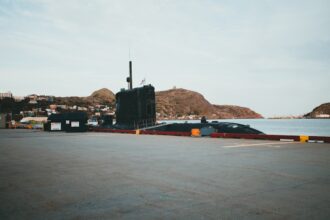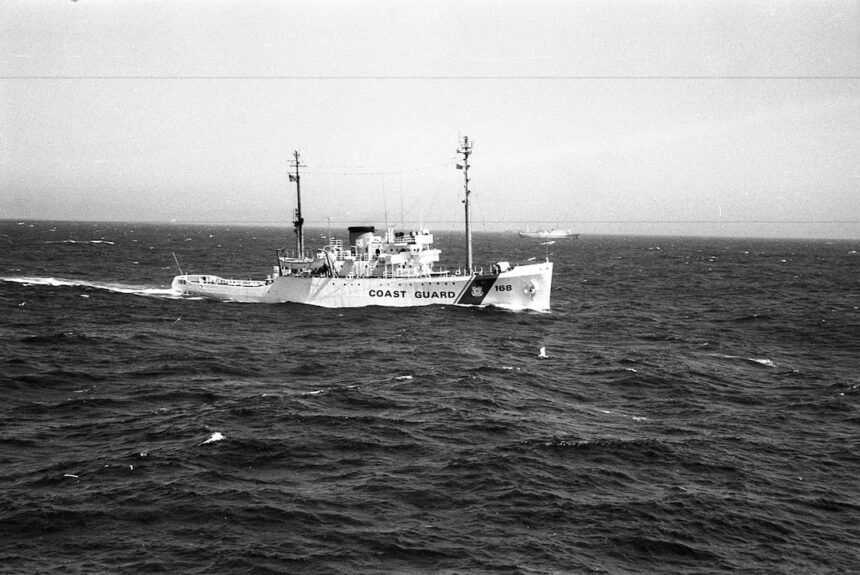
The vast and intricate tapestry of Cold War espionage, woven with threads of secrecy and daring, includes a remarkable chapter concerning the United States Navy’s covert operations against the Soviet Union. This narrative explores the clandestine mission known as “Ivy Bells,” a daring endeavor to tap into Soviet underwater communication cables.
The origins of Operation Ivy Bells can be traced back to the early 1970s, a period marked by intense geopolitical rivalry. The United States, seeking to gain a strategic advantage, recognized the critical importance of understanding Soviet intentions, capabilities, and vulnerabilities. Traditional intelligence gathering methods, such as signals intelligence (SIGINT) from land-based stations or airborne platforms, faced inherent limitations due to geographical constraints and Soviet countermeasures.
Early Intelligence Gaps
The Soviet Union’s closed society and robust security apparatus presented significant challenges to Western intelligence agencies. While open-source intelligence provided some insights, and defectors occasionally offered valuable information, a comprehensive picture of Soviet military and political decision-making remained elusive. The quest for reliable, real-time intelligence became a paramount national security objective.
The Underwater Frontier
As terrestrial and aerial avenues for intelligence collection became increasingly difficult, the gaze of intelligence planners turned to the vast, uncharted depths of the ocean. It was theorized that Soviet naval high command and other sensitive installations communicated via underwater cables, a method thought to be more secure than radio transmissions, which were susceptible to interception and jamming. The deep ocean, with its inherent secrecy and isolation, offered a unique opportunity to exploit this perceived vulnerability.
In the context of intelligence operations during the Cold War, the U.S. Navy’s efforts to tap into Soviet underwater cables have been a topic of significant interest. This operation not only showcased the lengths to which the U.S. would go to gather intelligence but also highlighted the technological advancements of the time. For a deeper understanding of these covert activities, you can read more in the related article found here: U.S. Navy Taps Soviet Cables.
Operation Ivy Bells: A Deep-Sea Gambit
Operation Ivy Bells was not a spur-of-the-moment decision but rather a meticulously planned and highly compartmentalized mission that pushed the boundaries of naval engineering and operational audacity. The target was a specific Soviet underwater communications cable located in the Sea of Okhotsk, a body of water largely controlled by the Soviet Union.
The USS Halibut: A Submarine Transformed
At the heart of Ivy Bells was the USS Halibut (SSN-587), a unique nuclear-powered submarine that had already seen service in various special operations. Originally designed as a guided missile submarine, the Halibut was extensively modified for clandestine intelligence gathering. Its forward torpedo tubes were removed and replaced with a vast, hangar-like compartment, equipped with specialized manipulation arms, cameras, and sonar systems. This transformation essentially turned the submarine into an underwater intelligence platform, more akin to a deep-sea laboratory than a conventional warship.
Specialized Equipment and Crew
The Halibut’s modifications were extensive. It carried highly sensitive listening devices, remotely operated vehicles (ROVs), and an array of oceanographic sensors. The crew, handpicked for their expertise and discretion, underwent rigorous training to operate this unprecedented equipment in the challenging deep-sea environment. The mission required not only exceptional navigational and operational skills but also an understanding of the delicate art of maintaining secrecy far beneath the waves.
Locating the Elusive Cable
The initial phase of Ivy Bells involved the painstaking task of locating the specific Soviet underwater cable. This was no trivial feat, akin to finding a needle in an oceanic haystack. Employing sophisticated sonar and other acoustic detection methods, the Halibut embarked on a methodical search of the Sea of Okhotsk floor. The waters were cold, deep, and patrolled by the Soviet Navy, adding layers of complexity and danger to the already formidable challenge.
Navigational Challenges and Risks
Operating in such sensitive waters, the Halibut faced constant risk of detection. Its propulsion system had to be meticulously managed to minimize acoustic signatures, and its movements were carefully planned to avoid Soviet anti-submarine warfare (ASW) efforts. The threat of an accidental encounter with a Soviet vessel or, worse, a deliberate hunt, was a constant shadow over the operation.
The Tap: A Masterpiece of Clandestine Engineering
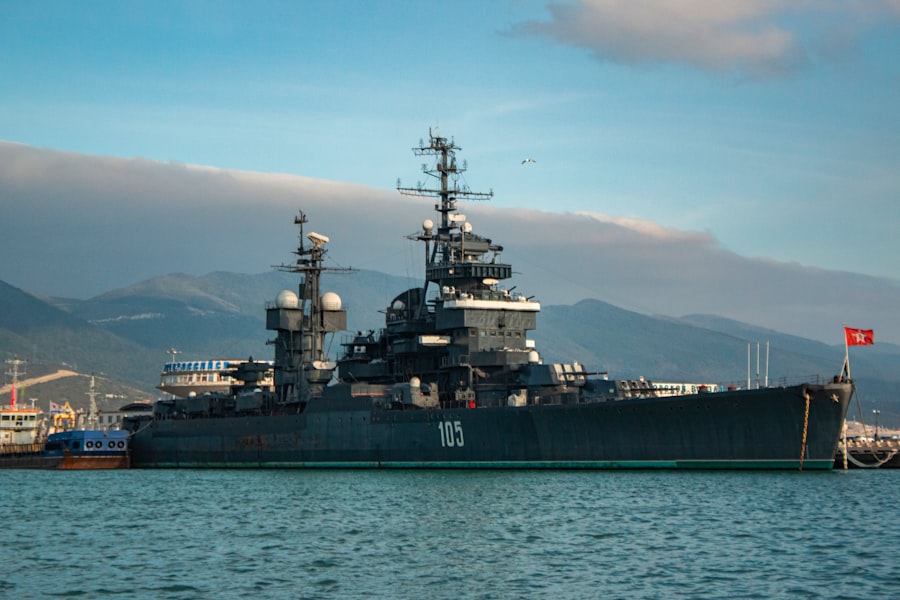
Once the target cable was located, the real work began: installing the tapping device. This required an extraordinary blend of precision engineering and underwater dexterity. The tapping device itself was a marvel of miniaturization and stealth – a large, cylindrical, self-contained unit roughly 20 feet long and several feet in diameter.
Non-Intrusive Interception
Crucially, the tap was designed to be non-intrusive. It did not require cutting or splicing the cable itself; instead, it inductively coupled with the cable, passively “listening” to the electromagnetic signals flowing through it. This ingenious design ensured that the Soviet Union would remain completely unaware of the compromise to their communication infrastructure.
Automated Recording and Retrieval
The tapping device contained sophisticated recording equipment capable of storing vast amounts of data. It was designed to operate autonomously for extended periods, capturing the high-volume traffic on the Soviet cable. Periodically, the Halibut or another specially modified submarine would return to the site to retrieve the recorded data and replace the batteries, a delicate operation performed under extreme secrecy at depths where light does not penetrate.
The Value of the Intercepted Intelligence
The intelligence gleaned from Ivy Bells was invaluable. It provided an unparalleled window into Soviet naval strategy, communications protocols, and technological advancements. Analysts gained insights into Soviet submarine deployments, naval exercises, and the command and control structure of their Pacific Fleet.
Strategic Implications
This treasure trove of information offered a significant strategic advantage to the United States. It allowed for a more accurate assessment of Soviet capabilities, aiding in the development of countermeasures and informing critical policy decisions. The ability to listen in on the Soviet Union’s most sensitive communications channels was akin to having a direct line into their inner sanctum.
Exposure and Aftermath: A Betrayal’s Bitter End
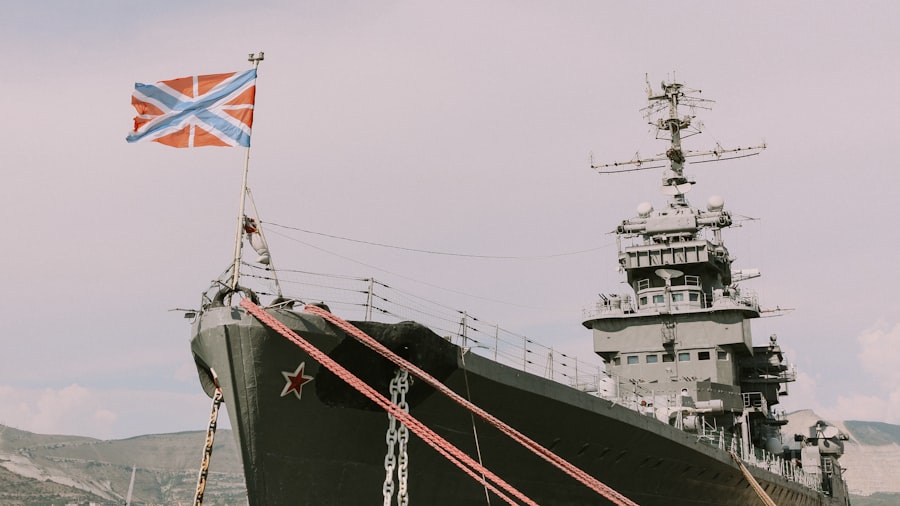
The remarkable success of Operation Ivy Bells, a secret maintained for nearly a decade, was ultimately brought to a tragic halt not by Soviet anti-submarine warfare, but by a treacherous act of espionage from within.
The Aldrich Ames Betrayal
In 1985, Aldrich Ames, a long-serving CIA counterintelligence officer, began collaborating with the Soviet Union. Driven by a combination of financial desperation and disillusionment, Ames systematically betrayed American intelligence assets and operations. Among the devastating secrets he revealed was the existence and location of the Ivy Bells tapping device.
The Discovery and Its Ramifications
Armed with Ames’s intelligence, the Soviet Navy quickly located the tapping device in the Sea of Okhotsk. American intelligence agencies closely monitored Soviet naval activity in the area and observed an unusually high level of activity, including the deployment of a specialized salvage ship. The disappearance of the distinctive tapping device from its location sent a chilling message throughout the US intelligence community: Ivy Bells had been compromised.
Lessons Learned and Enduring Legacy
The exposure of Ivy Bells was a severe blow, not only in the loss of a critical intelligence asset but also in the damage to trust and morale within the intelligence community. It underscored the profound dangers of insider threats and prompted a thorough review of security protocols.
The Enduring Impact on Intelligence Gathering
Despite its ultimate compromise, Operation Ivy Bells left an indelible mark on the landscape of intelligence gathering. It demonstrated the feasibility and immense value of specialized underwater intelligence operations. The technologies and techniques developed for Ivy Bells, even after its exposure, continued to inform and inspire subsequent clandestine missions. The operation served as a testament to the ingenuity and courage of those who operated in the silent world beneath the waves, pushing the boundaries of what was considered possible in the shadowed conflict of the Cold War. The saga of Ivy Bells provides a stark reminder that even in the most secure and covert endeavors, the human element, whether in the form of daring operatives or treacherous betrayers, remains the most potent and unpredictable factor.
WARNING: The $35,000 Betrayal That Blinded America
FAQs
What was the purpose of the US Navy tapping Soviet cables?
The US Navy tapped Soviet cables to gather intelligence during the Cold War. By intercepting communications, they aimed to monitor Soviet military activities and gain strategic advantages.
How did the US Navy physically tap into Soviet underwater cables?
The US Navy used specialized submarines and underwater equipment to locate and tap into Soviet communication cables on the ocean floor. These operations involved cutting into the cables and installing listening devices to intercept transmissions.
When did the US Navy conduct these cable tapping operations?
The US Navy’s cable tapping operations primarily took place during the Cold War era, particularly in the 1970s and 1980s, when tensions between the US and the Soviet Union were high.
What risks were involved in tapping Soviet underwater cables?
Tapping Soviet cables was risky due to the potential for detection by Soviet forces, which could lead to diplomatic incidents or military confrontations. The operations also involved technical challenges and dangers associated with deep-sea missions.
Did the US Navy’s cable tapping efforts yield significant intelligence?
Yes, the intelligence gathered from tapping Soviet cables provided valuable insights into Soviet military communications and capabilities, contributing to US national security and strategic planning during the Cold War.