The United States Navy operates a formidable and technologically advanced nuclear triad, a cornerstone of the nation’s defense strategy, designed to deter aggression and safeguard its interests. This nuclear shield, comprised of submarine-launched ballistic missiles (SLBMs), intercontinental ballistic missiles (ICBMs), and strategic bombers, represents a significant investment in national security. Among these strategic assets, the Navy’s ballistic missile submarines, also known as SSBNs, stand as a particularly unique and resilient element of this deterrence capability. Their submerged and mobile nature makes them exceedingly difficult to track and target, providing a survivable second-strike option.
The SSBN force is the silent sentinel of America’s nuclear triad, a crucial component of its national security architecture. These vessels, often referred to as “boomers” within Navy parlance, are specifically designed to carry and launch nuclear-armed ballistic missiles. Their operational doctrine emphasizes stealth and survivability, ensuring that a retaliatory strike capability remains intact even in the face of a first strike.
The Ohio-Class Submarines: The Backbone of the SLBM Force
The current backbone of the U.S. Navy’s SSBN force is the Ohio-class submarine. These formidable vessels are among the largest submarines ever constructed by any nation, displacing over 18,000 tons submerged. Their design prioritizes survivability and sea endurance, allowing them to remain submerged for extended periods, making their detection by adversaries a considerable challenge.
Technological Sophistication and Survivability Features
The Ohio-class submarines are equipped with a suite of advanced technologies that contribute to their stealth and combat effectiveness. Their hull design incorporates special materials and shaping to minimize acoustic signatures, effectively making them “quieter” in the water. Furthermore, they are fitted with sophisticated sonar systems, allowing them to detect and track other vessels while remaining undetected themselves. The ability to operate deep beneath the waves, far from the prying eyes of surface ships and aircraft, is their primary defense. This deep-sea sanctuary provides a crucial layer of protection, ensuring that the missiles they carry are available for retaliation.
Armament: The Trident II D5 Missile
Each Ohio-class submarine carries a significant payload of Trident II D5 ballistic missiles. These are the most advanced SLBMs in the U.S. arsenal, capable of delivering multiple independently targetable reentry vehicles (MIRVs). The D5 missile boasts a range of over 7,400 miles, allowing submarines patrolling in distant waters to strike targets deep within an adversary’s territory. The MIRV technology, while a subject of arms control discussions in the past, significantly increases the number of warheads that can be delivered by a single missile, multiplying the destructive potential of the SSBN force. The strategic importance of these missiles cannot be overstated; they are the tangible manifestation of the Navy’s nuclear deterrent, a message of undeniable resolve to any potential aggressor.
Strategic Deterrence: The Role of Second-Strike Capability
The SSBN force is a critical component of the United States’ strategic deterrence policy, specifically by providing a robust second-strike capability. This means that even if the United States were subjected to a devastating nuclear attack, its SSBNs would be able to survive and launch a retaliatory strike. This assurance of retaliation is what prevents potential adversaries from contemplating a first strike, as the consequences for them would be unacceptable.
The Concept of Mutually Assured Destruction (MAD)
The concept of Mutually Assured Destruction, often abbreviated as MAD, is a prevailing theory that underpins the rationale for nuclear deterrence. In essence, MAD posits that the overwhelming destructive power of nuclear weapons held by opposing sides makes the use of such weapons by either side an unthinkable act, as it would lead to the annihilation of both. The SSBN force, with its inherent survivability, is a key enabler of MAD. It ensures that the U.S. cannot be disarmed in a first strike, thus maintaining the balance of terror.
The Psychological Impact of the Silent Fleet
Beyond the purely military implications, the SSBN force has a significant psychological impact on potential adversaries. The knowledge that a submerged and untraceable fleet of submarines could launch a devastating nuclear counterattack at any moment creates a constant state of uncertainty and caution. This “nuclear shadow” cast by the silent fleet contributes to a stable international environment by discouraging aggression rooted in the belief that a surprise attack could achieve a decisive victory.
The US Navy’s nuclear shield plays a crucial role in maintaining national security and deterring potential threats. For a deeper understanding of the strategic implications and advancements in naval defense systems, you can read a related article on this topic at In the War Room. This resource provides insights into the evolving technologies and strategies that underpin the Navy’s nuclear capabilities.
The Expanding Naval Nuclear Deterrent: Columbia-Class Submarines
Recognizing the need to maintain a cutting-edge nuclear deterrent far into the 21st century, the U.S. Navy is currently developing and constructing the Columbia-class ballistic missile submarines. These vessels are designed to replace the aging Ohio-class submarines and will represent the next generation of underwater nuclear deterrence.
Design Objectives and Technological Advancements
The Columbia-class submarines are being engineered with a focus on enhanced stealth, increased operational range, and reduced life-cycle costs compared to their predecessors. A key technological leap is the adoption of a new, modular reactor design, which is expected to provide greater power output and a longer operational lifespan without requiring refueling.
Stealth Enhancements and Acoustic Signature Reduction
A primary objective in the design of the Columbia-class is further reduction of their acoustic signature. This involves incorporating newer hull materials and advanced noise-reduction technologies that will make these submarines even more difficult to detect by even the most sophisticated enemy sonar systems. The goal is to push the boundaries of submarine stealth, ensuring that the next generation of SSBNs remains the most elusive deterrent force in the world.
Digital Systems and Automation
The Columbia-class submarines are also slated to incorporate advanced digital systems and increased automation. This will allow for more efficient operational management, reduce crew workload, and enhance the submarine’s ability to process and respond to complex tactical situations. The integration of state-of-the-art computing power will ensure that these vessels are capable of managing the sophisticated weaponry and detection systems required for sustained strategic deterrence.
Ensuring Long-Term Strategic Stability
The Columbia-class program is not merely about replacing old submarines with new ones; it is about ensuring the long-term strategic stability of the United States and its allies. By investing in this next-generation nuclear deterrent, the U.S. Navy is signaling its commitment to maintaining a credible and survivable nuclear posture for decades to come.
The Challenge of Modernization and Cost
The development and construction of such advanced naval platforms come with significant challenges, particularly in terms of cost and schedule. The Columbia-class program represents a substantial financial commitment, and managing these expenses while adhering to stringent timelines is a critical aspect of its successful execution. The strategic imperative, however, often overrides budgetary concerns when it comes to the ultimate guarantor of national security.
The Role of International Arms Control
While the U.S. Navy maintains its nuclear deterrent, the broader landscape of international nuclear arms control remains a complex and evolving issue. The development of new strategic weapons systems, such as the Columbia-class submarines, must be navigated within the context of existing treaties and ongoing negotiations aimed at preventing nuclear proliferation and reducing strategic risks.
Conventional Prompt Strike: A New Dimension to Naval Power Projection
Beyond its nuclear deterrence role, the U.S. Navy is also exploring and developing advanced conventional strike capabilities that can be delivered rapidly and precisely. These capabilities are designed to provide commanders with a wider range of options for responding to diverse threats without recourse to nuclear weapons.
The US Navy’s nuclear shield plays a crucial role in maintaining national security and deterrence strategies. For those interested in exploring this topic further, an insightful article can be found that delves into the complexities of naval nuclear capabilities and their implications for global stability. You can read more about it in this detailed analysis, which provides a comprehensive overview of the challenges and advancements in this vital area of defense.
Hypersonic Weapons Development
A significant area of focus within conventional prompt strike is the development of hypersonic weapons. These are weapons that can travel at speeds exceeding Mach 5 (five times the speed of sound) and are capable of maneuvering in flight, making them extremely difficult to intercept. The Navy is pursuing various avenues for integrating these capabilities into its fleet.
Integrated Undersea Warfare
While the primary focus of conventional prompt strike is on surface and air delivery, the concept of integrating these advanced capabilities with undersea platforms is also being explored. This could involve launching hypersonic missiles from submarine platforms, offering a unique combination of speed, stealth, and offensive power that could be a significant deterrent.
Ballistic Missile Defense Interdiction
Hypersonic weapons, with their speed and maneuverability, could also play a role in future ballistic missile defense systems by providing an offensive counter-strike capability against enemy missile launch sites. This would add another layer of complexity to any adversary’s offensive planning.
The Strategic Implications of Rapid, Precise Conventional Strikes
The development of conventional prompt strike capabilities fundamentally alters the strategic calculation for potential adversaries. The ability to deliver a devastating, conventional blow with little warning could deter aggression by making the costs of such actions prohibitively high, even without the escalation to nuclear conflict.
Escalation Control and De-escalation Pathways
The introduction of precise conventional strike options is seen as a way to provide more graduated responses to crises. Instead of facing a binary choice between no action or nuclear retaliation, a commander might have the option of employing a conventional prompt strike, which could achieve military objectives without triggering an unacceptable escalation of hostilities.
The Evolving Landscape of Naval Warfare
The integration of hypersonic and other advanced conventional strike capabilities signifies an evolving landscape of naval warfare. It suggests a future where naval forces are equipped with an unprecedented combination of speed, range, and precision, capable of projecting power in new and disruptive ways.
The Future of Naval Nuclear Operations: Integration and Innovation
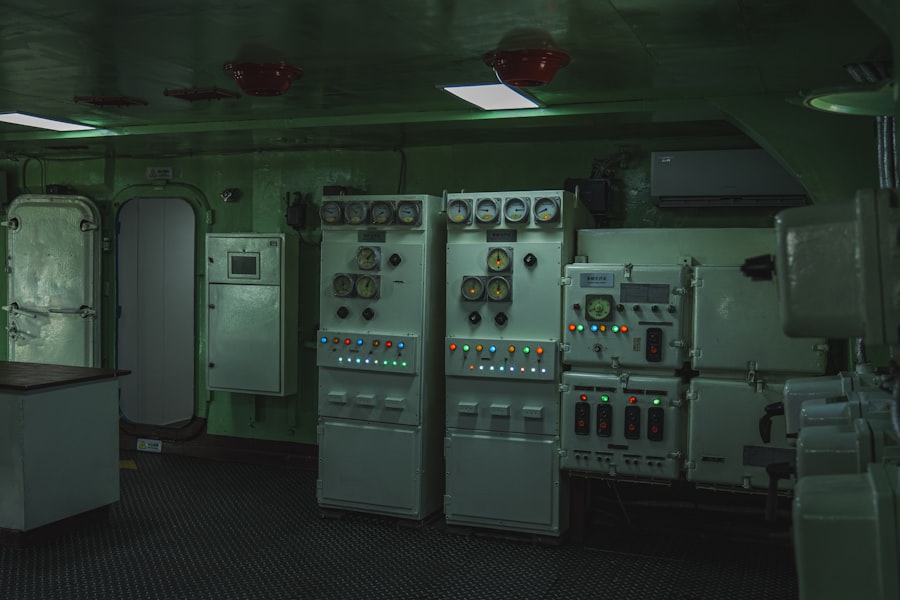
The U.S. Navy’s role in the nation’s nuclear shield is not static. It is continuously evolving through ongoing research, development, and strategic adaptation to meet emerging threats and technological advancements. The integration of new platforms and technologies will shape the future of naval nuclear operations.
Synergies Between Nuclear and Conventional Forces
A key element of future naval strategy is the increasing synergy between nuclear and conventional forces. While distinct in their armament, these forces can be employed in complementary ways to achieve strategic objectives. The presence of a robust nuclear deterrent provides the strategic depth that allows for the more flexible and varied employment of conventional forces.
Intelligence, Surveillance, and Reconnaissance (ISR) Enhancements
The effectiveness of both nuclear and conventional naval operations is heavily reliant on advanced intelligence, surveillance, and reconnaissance capabilities. Enhancements in ISR, including satellite technology, unmanned aerial vehicles (UAVs), and advanced sonar, will provide the Navy with a clearer picture of the battlespace, enabling more informed decision-making.
Cyber Warfare and Electronic Warfare Capabilities
In the modern era, cyber and electronic warfare are integral to all military operations, including those involving strategic assets. The Navy is investing in robust cyber defenses and offensive capabilities to protect its nuclear command, control, and communications (NC3) systems, and to disrupt enemy capabilities.
Maintaining Readiness and Expertise
The operational effectiveness of the Navy’s nuclear deterrent hinges on maintaining a high level of readiness and a skilled, experienced workforce. This involves rigorous training, continuous modernization of existing platforms, and a commitment to developing the next generation of naval professionals.
The Human Element in Deterrence
While technology plays a crucial role, the human element remains paramount. The highly trained sailors and officers who operate these complex systems are the ultimate guarantors of the deterrent. Their dedication, discipline, and expertise ensure that the nuclear shield remains ready to respond when necessary, and capable of performing its dissuasive function.
The Cycle of Deterrence: Evolution and Adaptation
The concept of deterrence is not a static one; it is a dynamic process that requires continuous evolution and adaptation. As potential adversaries develop new capabilities, the U.S. Navy must adapt its own strategies and technologies to maintain a credible and effective deterrent. This ongoing cycle of challenge and response ensures that the nation’s nuclear shield remains robust and capable of protecting the United States.
FAQs
What is the US Navy nuclear shield?
The US Navy nuclear shield refers to the strategic defense system that involves the deployment of nuclear-powered submarines equipped with ballistic missiles. These submarines serve as a key component of the United States’ nuclear deterrence strategy by providing a secure and survivable second-strike capability.
How do US Navy nuclear submarines contribute to national security?
US Navy nuclear submarines contribute to national security by remaining hidden underwater for extended periods, making them difficult to detect and target. This stealth capability ensures that the US maintains a credible nuclear deterrent, discouraging potential adversaries from launching a nuclear attack.
What types of nuclear weapons are deployed on US Navy submarines?
The US Navy deploys submarine-launched ballistic missiles (SLBMs), such as the Trident II (D5) missile, on its Ohio-class and Columbia-class nuclear-powered submarines. These missiles are capable of carrying multiple independently targetable reentry vehicles (MIRVs), allowing a single missile to strike multiple targets.
How does the US Navy maintain the safety and security of its nuclear arsenal?
The US Navy follows strict protocols and security measures to ensure the safety and security of its nuclear arsenal. This includes rigorous training for personnel, secure command and control systems, continuous maintenance and inspections, and adherence to international treaties and regulations governing nuclear weapons.
What is the future of the US Navy nuclear shield?
The future of the US Navy nuclear shield involves the transition from the aging Ohio-class submarines to the new Columbia-class submarines, which are designed to be more advanced, stealthier, and capable of carrying the latest ballistic missile technology. This modernization effort aims to maintain the effectiveness and reliability of the US nuclear deterrent well into the future.