The United States Navy, a formidable force in global maritime operations, has consistently positioned itself at the forefront of defense capabilities. However, a less-examined aspect of its operational integrity pertains to its management of destruction protocols. This analysis delves into the systemic failures and inherent challenges the Navy faces in the deliberate disarming, disposal, or complete obliteration of assets, ranging from unexploded ordnance (UXO) to obsolete vessels, and even the secure erasure of sensitive data. Such failures carry significant implications, encompassing environmental damage, compromise of national security, and substantial financial ramifications.
The legacy of naval operations, particularly in training exercises and historical conflicts, leaves behind a hazardous footprint: unexploded ordnance. Despite advancements in detection and disposal technologies, the Navy grapples with a persistent and multifaceted problem.
Historical Negligence and its Enduring Impact
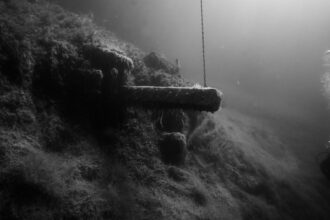
For decades, the standard practice in certain training areas and battle zones involved the expenditure of ordnance with an assumption of its destruction or inactivation. This often overlooked the statistical probability of duds. The consequence is a vast, largely unknown inventory of UXO scattered across seabed ecosystems and former operational zones. This historical negligence continues to manifest as ongoing environmental contamination and presents a clear and present danger to marine life, commercial shipping, and even recreational activities. Consider, for instance, the Baltic Sea, which remains a submerged graveyard of World War I and II munitions, a problem the US Navy, alongside other NATO allies, indirectly contributes to through its historical activities in similar maritime environments.
Inadequate Survey and Remediation Efforts
The scale of UXO contamination demands comprehensive survey and remediation, yet these efforts often fall short. Current methodologies, while evolving, still struggle with the vastness of oceanic territories and the complexities of diverse seabed topographies. The reliance on Acoustic Doppler Current Profilers (ADCPs) and Magnetometers produces data that is subject to interpretation and often requires painstaking ground-truthing. This process is inherently slow and resource-intensive. Furthermore, budgetary constraints and competing operational priorities frequently relegate UXO remediation to a lower tier of urgency. One could liken this to attempting to find a single needle in a hayfield, but the hayfield is the size of a continent and the needles are made of various alloys.
Technological Limitations in Deep-Sea Environments
The deepest oceanic trenches and abyssal plains present an even greater challenge. The immense pressure and absence of light make human intervention exceedingly difficult and prohibitively expensive. While Autonomous Underwater Vehicles (AUVs) and Remotely Operated Vehicles (ROVs) are making strides, their endurance, sensor capabilities, and ability to effectively neutralize UXO at extreme depths remain limited. The destruction protocols in such environments are often reduced to a policy of non-interference, effectively allowing hazardous materials to persist indefinitely, a ticking environmental time bomb.
In light of recent discussions surrounding the US Navy’s destruction protocols failure, it is crucial to examine the implications of such lapses on national security and operational integrity. A related article that delves deeper into this topic can be found at In The War Room, where experts analyze the potential consequences of inadequate destruction measures and propose strategies for improvement. This exploration not only highlights the importance of robust protocols but also emphasizes the need for continuous training and evaluation within military operations.
The Scuttling Conundrum: Obsolete Vessels and Environmental Ethics
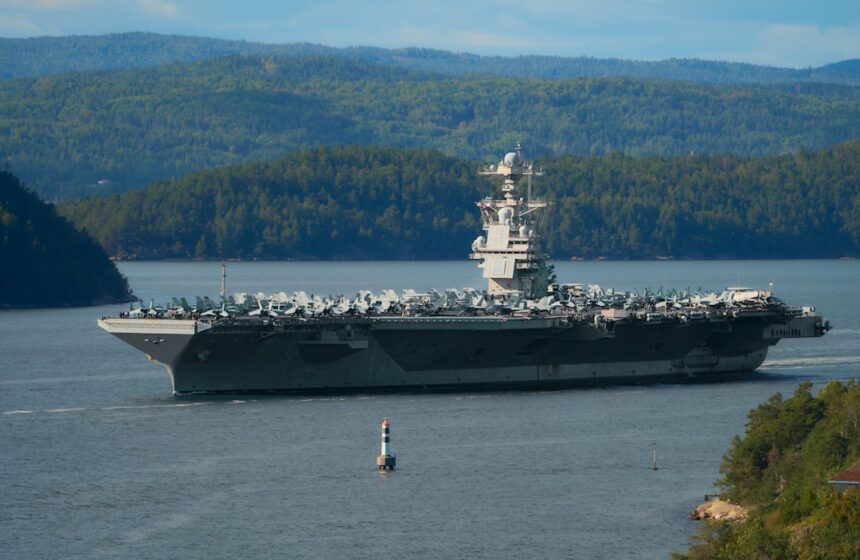
The disposal of retired naval vessels, particularly nuclear-powered submarines and aircraft carriers, presents an intricate web of environmental, logistical, and political challenges. The Navy’s approach to this “scuttling conundrum” has been subject to considerable scrutiny.
The Problem of Nuclear Reactors and Contaminated Materials
Nuclear-powered ships contain highly radioactive materials, primarily in their reactor cores. While the US Navy pioneered the Nuclear Powered Ship and Submarine Recycling Program (NPSMRP) in the 1990s, aimed at dismantling and recycling these complex vessels, the process is painstakingly slow and expensive. The inventory of retired nuclear vessels awaiting dismantling far outstrips the capacity of existing facilities, creating a backlog that spans decades. The disposal of low-level radioactive waste and other contaminated materials, such as asbestos and PCBs (polychlorinated biphenyls), adds further complexity. The metaphor here might be that of an albatross around the Navy’s neck, not just weighty, but radiating.
Persistent Scuttling Practices and their Ecological Fallout
Despite efforts to improve recycling, opportunistic scuttling – the deliberate sinking of vessels – has historically been a common practice, particularly for conventional ships. While some scuttling is conducted to create artificial reefs, this can often be a euphemism for convenient disposal, failing to fully account for the toxic substances inherent in aged vessels. The release of heavy metals, fuels, lubricants, and other hazardous chemicals into marine ecosystems can have devastating long-term effects on biodiversity and water quality. Imagine a slow-motion oil spill, not from a rupture, but from the deliberate descent of a rusting hulk.
The International Legal Framework and Its Loopholes
International conventions such as the London Convention and the Basel Convention seek to regulate the dumping of waste at sea and the transboundary movement of hazardous waste. However, the interpretation and enforcement of these regulations can be ambiguous, particularly regarding military vessels. Nations often invoke sovereign immunity, claiming their military activities are exempt from certain international laws. This creates loopholes that the Navy, like other navies, can potentially exploit, even if unintentionally, when seeking cost-effective disposal solutions. The legal framework, in this context, might be seen as a sieve, porous when it comes to the exceptional cases of military assets.
Data Destruction Discrepancies: A National Security Vulnerability
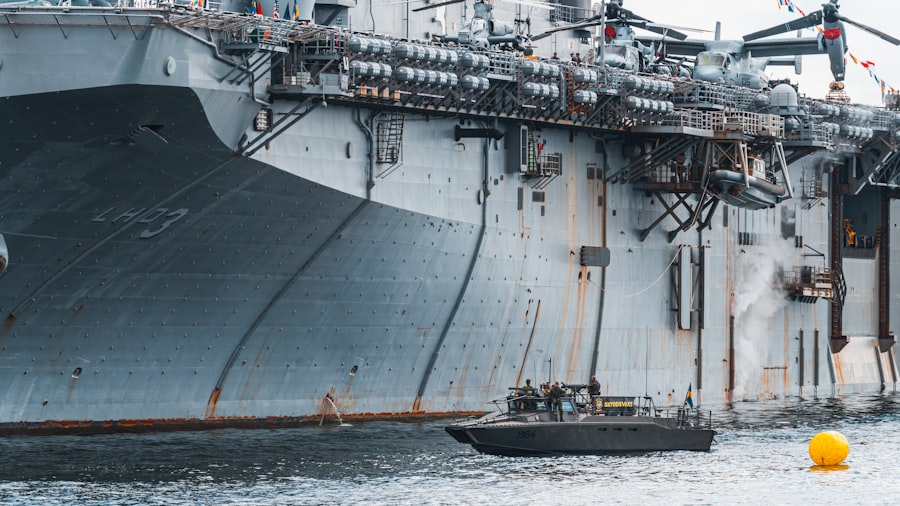
In an era defined by information warfare, the secure destruction of sensitive data is paramount. The US Navy, like any modern military entity, generates and stores vast quantities of classified information, and any failure in its destruction protocols represents a critical national security vulnerability.
The Perils of Incomplete Data Sanitization
The sanitization of electronic media – hard drives, solid-state drives, optical disks – is not a simple deletion process. Data can often be recovered even after multiple overwrites, depending on the sophistication of recovery tools. The Navy’s reliance on various forms of data storage, from tactical systems to administrative networks, necessitates rigorous and uniformly applied destruction protocols. A single overlooked hard drive, a hastily erased server, or a compromised data center could lead to the exposure of classified operations, personnel information, or technological advancements. This is akin to clearing a whiteboard with a dry eraser, but the indelible marks beneath the surface remain for those who know how to look.
The Human Element: Training and Compliance Gaps
Even with robust technical protocols, human error remains a significant factor. Inadequate training, a lack of awareness of evolving threats, or simply a lapse in judgment can compromise data destruction efforts. Personnel responsible for data disposal must be thoroughly versed in the latest sanitization techniques and adhere to strict compliance guidelines. The rapid pace of technological change also means that destruction methodologies for older systems may become obsolete, requiring continuous updates to training and equipment. It’s like a never-ending arms race, where the adversary is not a nation, but the persistent ghost of data.
Supply Chain Security and Disposal of IT Assets
The lifecycle of IT assets extends beyond their active use. When hardware is retired, whether due to obsolescence or malfunction, its secure destruction is critical. The Navy often uses third-party contractors for IT asset disposal, introducing a new layer of vulnerability. Ensuring that these contractors adhere to the same stringent data destruction standards as the Navy itself requires robust oversight and contractual obligations. Any weak link in this supply chain can be exploited, leading to the unauthorized recovery of sensitive information. The secure disposal of these assets is not an ending, but a continuation of the security perimeter.
Environmental Compliance and Remediation Shortcomings
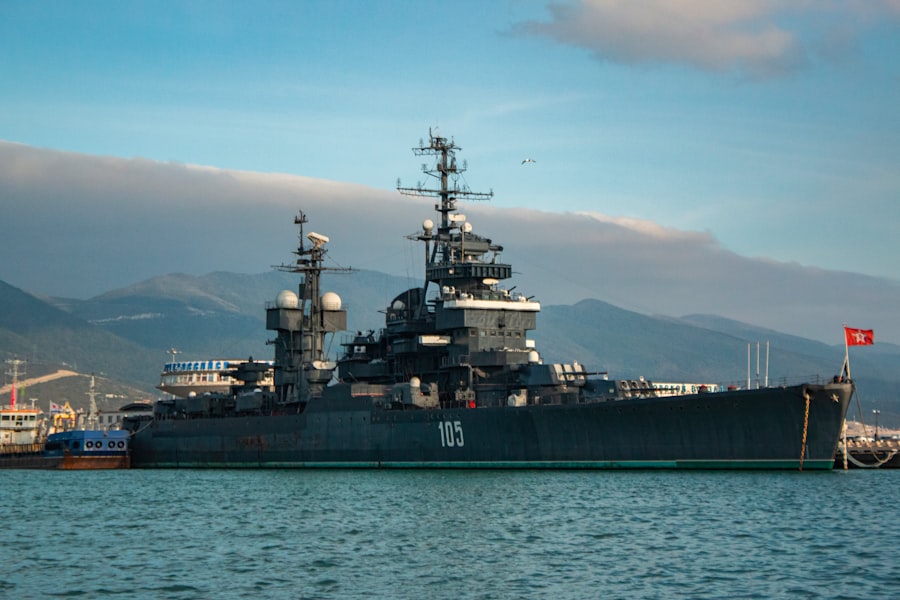
The Navy’s global footprint necessitates rigorous environmental stewardship. However, its record demonstrates persistent shortcomings in compliance and remediation, leading to long-term ecological damage and public health concerns.
Contaminated Sites and Superfund Liabilities
Numerous former and active Navy installations across the United States are designated as Superfund sites due to extensive contamination from decades of industrial activity, fuel spills, hazardous waste disposal, and the aforementioned UXO. The remediation of these sites is a complex, multi-decade undertaking, often costing billions of dollars. The Navy, as a federal entity, is legally responsible for these cleanups, but the pace of remediation often lags due to financial constraints, technical challenges, and disagreements over the extent of contamination and the efficacy of proposed solutions. These sites are open wounds on the landscape, slowly festering.
Fuel Storage and Spill Prevention Failures
Large-scale fuel storage and transfer operations are inherent to naval activities. Incidents like the Red Hill fuel storage facility leak in Hawaii serve as stark reminders of the catastrophic environmental and public health consequences of inadequate infrastructure maintenance and operational oversight. Such failures demonstrate a breakdown in destruction protocols, not of assets, but of the integrity of containment, leading to widespread contamination. The sheer volume of fuel involved means that a small failure can have disproportionately large consequences, like a crack in a dam slowly eroding the foundation.
Compliance with International Environmental Regulations
Operating across international waters, the Navy is subject to a myriad of international environmental regulations, such as MARPOL (International Convention for the Prevention of Pollution from Ships). While the Navy generally strives for compliance, occasional infractions related to waste disposal, bilge water discharge, or emissions can occur, leading to diplomatic incidents and environmental damage in foreign sovereign waters. This can erode trust and complicate international relations, demonstrating that environmental responsibility extends beyond national borders.
The recent discussions surrounding the US Navy’s destruction protocols have highlighted significant concerns regarding their effectiveness and implementation. A related article delves deeper into these issues, examining past incidents and the implications for naval operations. For those interested in understanding the broader context of these failures, you can read more about it in this insightful piece on naval strategy and safety measures. Check it out here for a comprehensive analysis.
The Financial Burden of Inadequate Destruction Protocols
| Metric | Description | Value | Impact |
|---|---|---|---|
| Number of Failures | Instances of destruction protocol failures reported | 12 | Operational risk increased |
| Failure Rate | Percentage of failed destruction attempts vs total attempts | 8% | Compromised security |
| Time to Detect Failure | Average time taken to identify a protocol failure | 45 minutes | Delayed response |
| Recovery Time | Average time to restore protocol functionality | 3 hours | Operational downtime |
| Systems Affected | Number of systems impacted by failure | 5 | Reduced mission capability |
| Personnel Involved | Number of personnel required to manage failure | 20 | Resource allocation strain |
The direct and indirect costs associated with failures in destruction protocols are immense, representing a significant drain on defense budgets and a misallocation of taxpayer resources.
Soaring Remediation and Disposal Costs
The cleanup of UXO, the dismantling of nuclear ships, and the remediation of contaminated sites represent staggering financial commitments. These costs are often underestimated at the outset and frequently escalate over time due to unforeseen complications, evolving environmental standards, and the sheer scale of the historical damage. The Navy is effectively paying a colossal retroactive bill for past oversights and insufficient planning. One might consider this an ongoing, escalating tax on past mistakes.
Legal Liabilities and Fines
Failures in environmental compliance, data security, or ordnance disposal can lead to substantial legal liabilities, including fines, penalties, and compensation for damages. These legal repercussions not only impose direct financial costs but also damage the Navy’s reputation and can divert resources from core operational objectives. The cost of prevention is almost always less than the cost of cure, a lesson continually relearned.
Opportunity Costs and Resource Diversion
Every dollar, every man-hour, and every piece of equipment dedicated to rectifying failures in destruction protocols is a dollar, hour, or resource that could otherwise be invested in new technologies, personnel training, or critical operational deployments. This represents a significant opportunity cost, hindering the Navy’s ability to evolve and maintain its strategic advantage. The Navy’s resources are finite, and their misdirection due to historical errors presents a continuous challenge to its future readiness and capabilities.
In conclusion, the US Navy’s extensive global presence and historical operational tempo present a unique set of challenges regarding destruction protocols. From the persistent threat of unexploded ordnance to the complex dilemmas of vessel disposal, data security, and environmental remediation, shortcomings in these areas carry profound implications. Addressing these failures requires not only technological innovation but also a fundamental shift in institutional culture, prioritizing foresight, accountability, and comprehensive resource allocation towards responsible and thorough destruction practices. The long-term health of our oceans, the sanctity of national security, and the efficient use of public funds all hinge on the Navy’s ability to overcome these significant hurdles.
FAQs
What are the US Navy destruction protocols?
US Navy destruction protocols are standardized procedures designed to safely and securely destroy sensitive materials, equipment, or classified information to prevent unauthorized access or use.
What caused the failure in the US Navy destruction protocols?
Failures in US Navy destruction protocols can result from human error, equipment malfunction, inadequate training, or lapses in adherence to established procedures, though specific causes vary by incident.
What are the potential consequences of a failure in these protocols?
Failures can lead to the compromise of classified information, security breaches, loss of sensitive technology, and potential threats to national security.
How does the US Navy address and prevent destruction protocol failures?
The Navy conducts regular training, audits, and updates to protocols, implements oversight mechanisms, and investigates incidents to improve procedures and prevent future failures.
Where can one find official information about US Navy destruction protocols?
Official information can be found through the US Department of Defense publications, US Navy regulations, and authorized government websites that provide guidelines on security and material destruction.