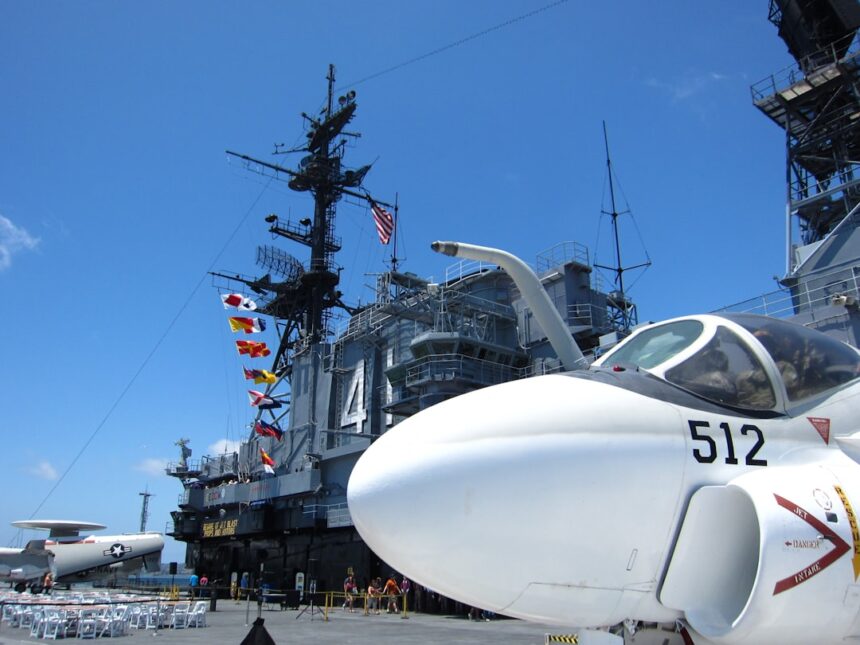
The U.S. Navy operates a vast and complex fleet, a formidable instrument of national power. Maintaining this intricate machinery in a state of constant operational readiness is a core mandate. However, the sheer scale of the Navy’s assets, coupled with the demanding operational tempo and the inevitable aging of its equipment, presents persistent challenges to logistics and maintenance. In this environment, the practice of cannibalization, the selective removal and repurposing of parts from one asset to keep another operational, emerges as a critical, albeit often understated, component of ensuring the fleet remains ready to execute its missions. This practice, while sometimes controversial, is a pragmatic response to logistical realities, aimed at maximizing the serviceability of critical platforms.
The economic considerations driving the necessity for cannibalization are multifaceted. Procuring new components, especially for specialized or legacy systems, can be a lengthy and prohibitively expensive process.
Budgetary Constraints and Acquisition Cycles
The defense budget, while substantial, is subject to various pressures and competing priorities. Long lead times for the design, testing, and manufacturing of complex naval components mean that acquiring replacements can easily stretch over years, if not decades. This timeline is often misaligned with the immediate needs of a ship or aircraft facing a critical component failure. When a vital system is inoperable, the luxury of waiting for a new part to be manufactured and delivered is often not an option. Cannibalization, in this context, offers an immediate solution, bridging the gap between a component failure and the eventual arrival of a new, warranted part, if it even becomes available within a reasonable timeframe.
The Cost of Obsolescence
Many platforms within the U.S. Navy’s inventory are aging. While extensively modernized, these vessels and aircraft still rely on components designed and manufactured years, sometimes decades, ago. The original manufacturers may no longer exist, or they may have ceased production of these specific parts altogether, deeming them obsolete. In such cases, sourcing replacements becomes exceptionally difficult and expensive. Even when parts are available through specialized aftermarket suppliers, the cost can be astronomical due to their rarity and the limited demand. The Navy must weigh the cost of acquiring a rare, obsolete part against the cost of salvaging that same part from a less critical or decommissioned platform.
The True Cost of Downtime
Beyond the direct financial cost of parts, the operational impact of a disabled platform is a significant economic factor. A ship or aircraft unavailable for deployment represents a lost opportunity to conduct training, project power, or respond to crises. This downtime can have ripple effects throughout the force structure, requiring other units to compensate, potentially at increased operational tempo and expense. The cost of extended maintenance, including the potential for further complications arising from incomplete repairs while awaiting parts, can also escalate rapidly. Cannibalization, by minimizing downtime, indirectly contributes to economic efficiency by keeping assets available for their intended purpose.
The practice of cannibalization of parts within the US Navy has raised significant concerns regarding maintenance efficiency and operational readiness. An insightful article discussing this topic can be found at In the War Room, where it explores the implications of such practices on military logistics and the potential impact on mission success. This article delves into the reasons behind the necessity of cannibalization and its effects on the overall fleet management strategy.
Strategic Imperatives for Readiness
Operational readiness is not merely a matter of economics; it is a strategic imperative. The U.S. Navy’s global presence and its role in maintaining international security necessitate a fleet that is consistently able to deploy and operate effectively.
Global Operational Commitments
The U.S. Navy maintains a forward presence in key strategic locations across the globe. This global commitment requires a predictable and consistent availability of its assets. Missions can range from deterring aggression and responding to humanitarian crises to conducting freedom of navigation operations and supporting allied forces. Any significant reduction in the number of deployable units, even a temporary one, can strain these commitments and potentially create geopolitical vulnerabilities. Cannibalization, by enabling the repair of critical systems, directly contributes to the Navy’s ability to meet these enduring global demands.
Maintaining a Competitive Edge
In a dynamic geopolitical landscape, maintaining a technological and operational advantage over potential adversaries is paramount. This advantage is eroded if key platforms are sidelined due to maintenance issues. The ability to field and sustain a fully operational fleet is a visible demonstration of military strength and a crucial element of deterrence. If a nation’s naval power is perceived to be diminished due to maintenance backlogs or component shortages, it can embolden rivals and undermine diplomatic efforts. Cannibalization, by keeping platforms on active duty, helps preserve this crucial competitive edge.
The Training Pipeline
Operational readiness is not just about warfighting capability; it also encompasses the training of personnel. Sailors and aviators require realistic training environments to maintain and hone their skills. This training often takes place on active platforms engaged in real-world operations or exercises. If these platforms are unavailable due to a lack of critical components, the training pipeline suffers. This can lead to a deficit in experienced personnel, further impacting future readiness. By facilitating quick repairs, cannibalization helps ensure that training pipelines remain robust and that the Navy continues to produce skilled warfighters.
The Practicalities of Component Salvage

The process of cannibalization is not an arbitrary act of stripping parts. It is a carefully managed and regulated practice within the Navy’s logistical framework.
Identification and Prioritization of Donor Assets
Not just any platform can be tapped for parts. A rigorous process of identification and prioritization dictates which assets are suitable as “donor” platforms. These are typically units that are undergoing major overhauls, are nearing decommissioning, or are otherwise designated for long-term maintenance involving extensive component replacement. The decision to cannibalize from a specific asset is based on a careful assessment of its operational status, its expected lifespan, and the criticality of the components required. The goal is to minimize the impact on the donor asset’s future serviceability or to leverage the inevitable dismantling of a retired platform.
The Role of Maintenance and Logistics Commands
The U.S. Navy has established robust maintenance and logistics commands that oversee the entire process of component management, including cannibalization. These commands maintain detailed inventories of parts, track the status of assets, and manage the flow of components throughout the fleet. When a need for a specific part arises and cannot be immediately met through standard procurement channels, these commands are responsible for identifying potential donor sources, authorizing the salvage operation, and ensuring that the salvaged parts meet all necessary specifications and quality control standards.
Quality Control and Re-certification
A key aspect of ensuring operational readiness through cannibalization is maintaining stringent quality control. A salvaged part is not simply installed as-is. It undergoes rigorous inspection and testing to ensure it meets original equipment manufacturer (OEM) specifications and performance standards. Depending on the component and its criticality, it may require recertification by technical experts or specialized repair facilities. This process is vital to prevent the installation of faulty or degraded parts that could lead to further failures or compromise the safety of the platform and its crew. The Navy’s commitment to safety and mission success necessitates that salvaged parts are as reliable as new ones.
Challenges and Criticisms
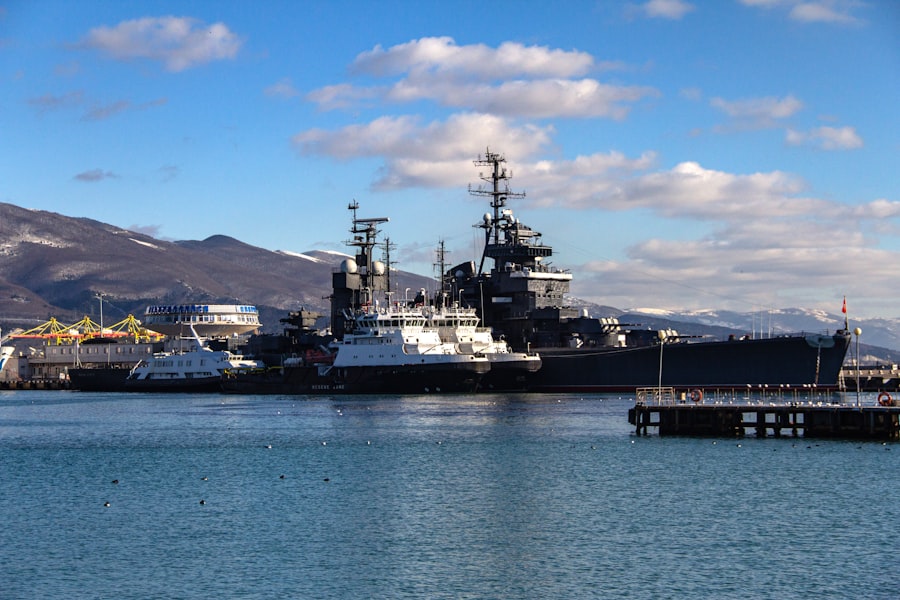
Despite its vital role in maintaining readiness, the practice of cannibalization is not without its challenges and criticisms. These issues highlight the ongoing complexities of naval logistics.
The Perception of Neglect
One of the primary criticisms leveled against cannibalization is that it can create the perception of neglect. When a ship or aircraft is seen to be awaiting parts, or when components are visibly salvaged, it can foster an impression that the Navy is not adequately resourcing its maintenance efforts. This perception can impact crew morale and public confidence. While often rooted in necessity, the visual reality of cannibalization can be less than ideal.
Impact on Donor Platforms
While efforts are made to minimize the impact, cannibalizing from an operational platform, even one undergoing extensive maintenance, can still have negative consequences. It can delay the return of that platform to service for its own intended purpose, effectively shifting the readiness problem rather than solving it. If not managed carefully, the practice could, in extreme cases, lead to a net reduction in overall fleet readiness if too many platforms begin to rely on parts from each other without a clear path to replenishment.
Ethical and Legal Considerations
While cannibalization is a formally recognized practice, it operates within a framework of regulations and ethical guidelines. Mismanagement of the process, such as the unauthorized removal of parts or the failure to adhere to quality control standards, can have legal and disciplinary repercussions. Ensuring that all salvage operations are properly documented, authorized, and executed according to naval regulations is paramount to avoiding such issues.
The Ideal vs. The Real
The ideal scenario for the U.S. Navy is to have an ample supply of all necessary parts readily available through standard procurement and warehousing. Cannibalization represents a deviation from this ideal, a pragmatic solution born out of necessity. The ongoing challenge for naval logistics is to continually strive towards reducing the reliance on cannibalization by improving supply chain efficiency, forecasting demand more accurately, and investing in robust acquisition programs for critical components.
The practice of cannibalization of parts within the US Navy has raised significant discussions regarding maintenance efficiency and operational readiness. A related article explores the implications of this strategy on fleet sustainability and resource management. For more insights on this topic, you can read the article at In the War Room, which delves into the challenges and benefits associated with such practices in military operations.
The Future of Naval Sustainment
| Year | Number of Parts Cannibalized | Cost Savings () |
|---|---|---|
| 2018 | 1,200 | 2,500,000 |
| 2019 | 1,500 | 3,000,000 |
| 2020 | 1,800 | 3,500,000 |
The U.S. Navy is continuously exploring and implementing strategies to enhance its sustainment capabilities and mitigate the need for extensive cannibalization.
Advancements in Logistics and Predictive Maintenance
Technological advancements are playing a significant role in modernizing naval logistics. Predictive maintenance systems, utilizing sensors and data analytics, can anticipate component failures before they occur. This allows for proactive replacement and reduces the likelihood of critical system failures that necessitate cannibalization. Furthermore, improved inventory management systems and greater transparency in the supply chain are helping to ensure that parts are in the right place at the right time.
The Role of Additive Manufacturing (3D Printing)
Additive manufacturing, or 3D printing, holds immense potential for revolutionizing naval spare parts management. The ability to print complex parts on-demand, even in remote locations or aboard ships at sea, could dramatically reduce lead times and eliminate the need for extensive on-hand inventories of certain components. This technology could allow the Navy to print obsolete parts or even design and print upgraded versions, further reducing reliance on traditional, often lengthy, procurement cycles.
Strategic Partnerships and Industry Collaboration
The Navy is also exploring strategic partnerships with industry to improve component availability and streamline maintenance processes. Collaboration with original equipment manufacturers (OEMs) and specialized maintenance providers can help ensure a more consistent and timely supply of critical parts. Furthermore, exploring alternative sourcing strategies and fostering competition within the repair and overhaul market can help drive down costs and improve efficiency.
Investing in Sustainment Infrastructure
Ultimately, reducing the reliance on cannibalization requires sustained investment in the Navy’s sustainment infrastructure. This includes modernizing maintenance facilities, investing in training for maintenance personnel, and ensuring adequate funding for acquisition and repair programs. While cannibalization will likely remain a necessary tool in the Navy’s logistical arsenal for the foreseeable future, strategic investments and technological adoption are key to minimizing its frequency and impact, thereby ensuring the enduring operational readiness of the U.S. Navy.
FAQs
What is US Navy cannibalization of parts?
US Navy cannibalization of parts refers to the practice of removing usable parts from one piece of equipment or machinery in order to repair or maintain another. This practice is often used when the required part is not readily available through normal supply channels.
Why does the US Navy engage in cannibalization of parts?
The US Navy engages in cannibalization of parts as a cost-saving measure and to ensure that critical equipment remains operational. It allows the Navy to make use of existing resources and maintain readiness without having to wait for new parts to be procured.
What are the potential drawbacks of cannibalization of parts for the US Navy?
While cannibalization of parts can be a useful strategy, it can also lead to reduced availability of certain equipment, increased maintenance and repair costs, and potential safety risks if parts are not properly documented and tracked.
How does the US Navy manage cannibalization of parts?
The US Navy manages cannibalization of parts through strict inventory control, documentation, and tracking procedures. Parts that are removed from one piece of equipment are carefully recorded and accounted for to ensure that they can be replaced or replenished as needed.
What are some examples of cannibalization of parts in the US Navy?
Examples of cannibalization of parts in the US Navy include removing components from one aircraft to repair another, taking spare parts from one ship to keep another operational, and using parts from decommissioned equipment to maintain active systems.