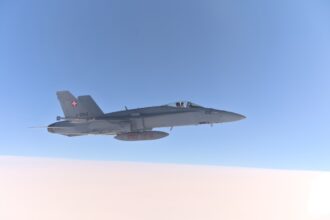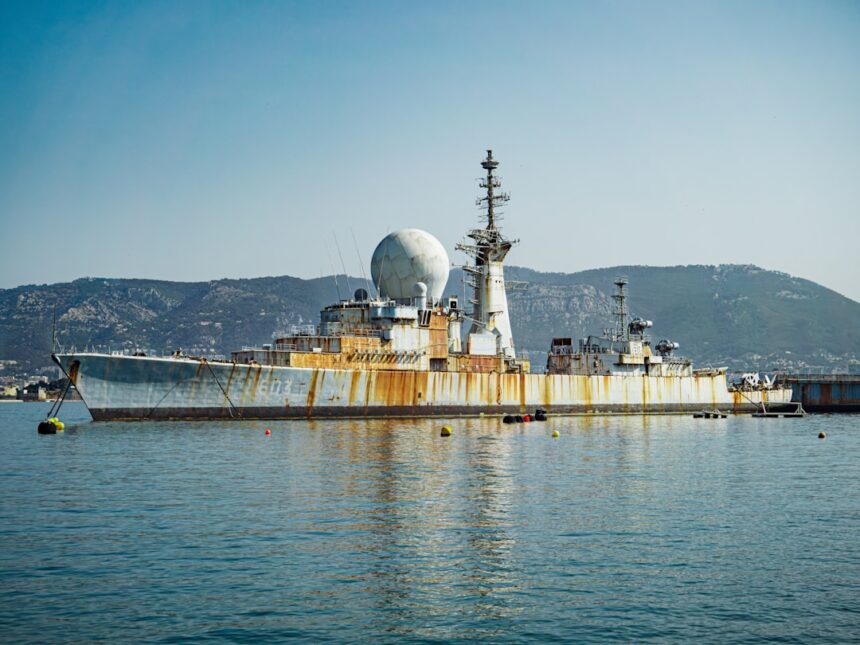
The Cold War cast a long shadow across the Pacific, a vast expanse of ocean that became a chessboard for espionage between the United States Navy and its Soviet counterpart, the Pacific Fleet. This was no mere clash of titans on the open sea; it was a silent, relentless war fought in the shadows, a constant probing and counter-probing of defenses, a race to unlock each other’s secrets. Imagine two skilled chess players, each moving their pieces with calculated precision, their eyes not fixed on the board alone, but also on the opponent’s every twitch, every subtle shift in strategy. This was the reality of naval espionage in the Pacific, an intricate dance of deception, infiltration, and intelligence gathering.
The Pacific Ocean, with its immense size and strategic choke points, offered fertile ground for naval operations and, consequently, for intelligence gathering. Both the U.S. Navy and the Soviet Pacific Fleet possessed formidable assets, each seeking to understand and neutralize the capabilities of the other. The stakes were astronomical, as control of the Pacific was inextricably linked to the global balance of power.
The U.S. Navy’s Pacific Imperative
For the United States, maintaining naval dominance in the Pacific was a cornerstone of its post-World War II foreign policy. The vast distances and the proximity of Soviet bases in the Far East necessitated a robust intelligence apparatus. The U.S. Navy was tasked with monitoring Soviet naval movements, assessing their technological advancements, and understanding their war-fighting doctrines. This intelligence was crucial for formulating defensive strategies, projecting power, and deterring potential aggression. The commitment was deep, ingrained in the very fabric of American naval thinking in the region.
The Soviet Pacific Fleet’s Ambitions
The Soviet Pacific Fleet, based primarily in Vladivostok and further north, served as a crucial instrument of Soviet foreign policy and defense in the East. Its primary objectives included challenging U.S. naval superiority, protecting Soviet maritime borders, and projecting Soviet influence into the wider Pacific. To achieve these aims, the Soviets were equally, if not more so, driven to understand the capabilities of the U.S. Navy. Their intelligence efforts were focused on identifying U.S. fleet deployments, understanding the characteristics of U.S. warships and submarines, and uncovering U.S. operational plans.
Key Geostrategic Choke Points
The Pacific theater is dotted with numerous strategic choke points – narrow waterways that vessels must traverse. These included the Bering Strait, the Tsugaru Strait, the Soya Strait, and the Malacca Strait, to name a few. For both navies, controlling or at least understanding the traffic through these areas was paramount. For the U.S. Navy, it meant ensuring the free passage of its own ships and monitoring Soviet transits. For the Soviet Pacific Fleet, it was about understanding potential ingress and egress routes for its submarines and surface vessels, as well as identifying opportunities to disrupt enemy shipping. Both sides poured resources into intelligence gathering specifically focused on these vital passages.
The intense rivalry between the US Navy and the Soviet Pacific Fleet during the Cold War was marked by a series of espionage activities that shaped naval strategies and operations. For a deeper understanding of the tactics employed by both sides, you can explore the article titled “Espionage in the Cold War: The Naval Front,” which delves into the intricate web of intelligence gathering and counterintelligence efforts. To read more about this fascinating topic, visit this article.
Methods of Espionage: The Silent War
The espionage conducted between the U.S. Navy and the Soviet Pacific Fleet was a multifaceted endeavor, employing a diverse array of clandestine techniques. These methods ranged from the overtly high-tech to the decidedly low-tech, each contributing a piece to the grand intelligence puzzle. This was a war waged not with torpedoes and artillery, but with microphones, cameras, and human intelligence.
Signals Intelligence (SIGINT)
Signals Intelligence was a cornerstone of naval espionage during the Cold War. Both navies invested heavily in sophisticated electronic intelligence gathering equipment.
Electronic Reconnaissance
Ships and aircraft equipped with advanced intercept receivers were deployed to loiter near Soviet naval bases and patrol routes, or to shadow Soviet naval formations. Their mission was to capture radio transmissions, radar signals, and other electronic emanations. The goal was to decipher communication protocols, identify ship types based on their electronic signatures, and gather information on their operational status and movements. It was akin to a doctor listening to a patient’s heartbeat with a stethoscope, hoping to diagnose ailments and understand internal workings.
Cryptanalysis and Codebreaking
The intercepted signals were often encrypted, presenting a significant challenge for intelligence agencies. U.S. and Soviet cryptanalysts worked tirelessly to break each other’s codes. Success in this area could provide an unfiltered window into the enemy’s thoughts and plans. The race to break codes was a constant arms race within the larger Cold War, with new encryption methods being developed as quickly as old ones were broken.
Human Intelligence (HUMINT)
While technology played a crucial role, human intelligence remained an indispensable element of naval espionage. Agents embedded within the enemy’s ranks or in positions of access could provide invaluable insights.
Defectors and Double Agents
The defection of Soviet naval officers or technicians, or the recruitment of individuals with access to sensitive information, could yield highly prized intelligence. These individuals, having witnessed firsthand the inner workings of the Soviet Navy, could provide details about ship design, weapon systems, operational procedures, and strategic intentions that were impossible to glean from electronic intercepts alone. The psychological toll on these individuals, and the risk of compromise, were immense.
Espionage at Port Facilities
Agents operating in port cities where Soviet naval vessels docked, or in areas adjacent to U.S. naval bases, could gather information through observation, informants, and potentially through the physical acquisition of documents or equipment. This could involve anything from observing cargo movements to bribing dockworkers for information on ship repairs or resupply schedules.
Imagery Intelligence (IMINT)
Satellite imagery and aerial reconnaissance provided a visual dimension to intelligence gathering, offering a broader perspective on naval activities.
Satellite Surveillance
The development of reconnaissance satellites allowed both the U.S. and Soviet Union to monitor naval bases, track ship movements, and assess the construction of new vessels. High-resolution imagery could reveal the types of ships present, their numbers, and their operational readiness. Orbiting eyes in the sky provided an unprecedented level of oversight.
Aerial Reconnaissance
Reconnaissance aircraft, such as the U.S. U-2 and the Soviet equivalent, were used for low-altitude visual and electronic reconnaissance missions. These flights, often conducted in heavily contested airspace, aimed to gather detailed photographic evidence of naval assets and infrastructure. The danger associated with these missions was extreme, with pilots facing the constant threat of being shot down.
Oceanographic and Acoustic Intelligence
Understanding the underwater environment was critical for submarine warfare and, consequently, for naval espionage.
Sonar and Acoustic Signatures
Both navies invested heavily in developing advanced sonar systems and in cataloging the acoustic signatures of enemy submarines and surface ships. By analyzing the unique sound profiles of different vessels, intelligence analysts could identify specific ship classes and track their movements, even in the vastness of the ocean. The ocean, to these navies, was a complex symphony, and they sought to decipher its every note.
Submarine Espionage
Submarines themselves were often employed as intelligence-gathering platforms. Specially modified submarines could conduct clandestine surveillance missions near enemy naval bases or trail enemy submarines to gather acoustic data and observe their operational tactics. These “spy subs” were the silent hunters of the deep, their missions fraught with peril and secrecy.
Notable Incidents and Operations
The shadowy world of naval espionage in the Pacific was punctuated by a number of significant incidents and prolonged operations that underscored the intensity of the intelligence rivalry. These events, often shrouded in secrecy for years, revealed the daring, the risks, and the high stakes involved.
The USS Pueblo Incident (1968)
While not exclusively focused on the Pacific Fleet, the USS Pueblo incident had significant implications for naval intelligence gathering in the broader region. The U.S. Navy technical research ship was captured by North Korean forces in international waters while on an intelligence-gathering mission. The seizure of the ship, its intelligence-gathering equipment, and the capture of its crew highlighted the vulnerabilities of such operations and the ruthless tactics employed by adversaries to deny intelligence collection. The incident served as a stark reminder of the dangers faced by intelligence personnel.
Operation Ivy Bells (Late 1970s – Early 1980s)
Operation Ivy Bells was a joint U.S. Navy and National Security Agency (NSA) operation that involved tapping Soviet underwater communication cables in the Sea of Okhotsk, a strategically important Soviet naval operating area. U.S. divers attached sophisticated listening devices to Soviet cables, allowing them to intercept a significant volume of Soviet naval communications. This operation represented a remarkable feat of clandestine engineering and operational skill, providing invaluable intelligence on Soviet naval activities. The success of Ivy Bells demonstrated the ingenuity employed in gaining access to vital intelligence streams.
The Able Archer 83 Scare and Soviet Naval Posturing
While this event primarily focused on land-based military exercises, the heightened tensions surrounding Able Archer 83 in 1983 had ripple effects across all branches of the Soviet military, including their naval forces. The Soviet Union, genuinely fearing a potential NATO nuclear first-strike, put its forces, including the Pacific Fleet, on high alert. U.S. intelligence agencies closely monitored this increased Soviet naval readiness, interpreting troop movements and increased patrol activity as crucial indicators of Soviet intentions and capabilities during this tense period. The U.S. Navy’s ability to track these movements was critical to assessing the evolving threat.
The “Backfire” Program and Submarine Stealth
Both the U.S. Navy and the Soviet Pacific Fleet were engaged in a constant cat-and-mouse game related to submarine technology. The Soviet Union’s development of quieter, more advanced submarines, codenamed “Backfire” by NATO, presented a significant challenge to U.S. anti-submarine warfare (ASW) capabilities. U.S. intelligence efforts were heavily focused on understanding the acoustic characteristics and operational profiles of these new Soviet submarines. This involved extensive tracking operations, acoustic analysis, and intelligence gleaned from technical evaluations of captured or observed Soviet sub-components. The very survival of naval fleets often depended on the ability to find and track enemy submarines in the vast, sonically complex ocean depths.
The U.S. Navy’s Constant Vigilance
Beyond specific named operations, the U.S. Navy maintained a constant, large-scale intelligence-gathering presence in the Pacific. This involved regular intelligence patrols by submarines, maritime reconnaissance aircraft, and surface warships. These operations, often conducted close to Soviet territorial waters or naval bases, aimed to monitor Soviet naval exercises, track individual ship movements, and collect signals intelligence. The sheer persistence of these operations, a continuous drumbeat of surveillance, was a key component of the U.S. intelligence strategy.
Technological Arms Race in Espionage
The intelligence war was inextricably linked to a technological arms race, where advancements in one area spurred innovation in another. Both the U.S. Navy and the Soviet Pacific Fleet pushed the boundaries of what was technologically possible in their pursuit of intelligence superiority.
Electronic Warfare and Countermeasures
The development of sophisticated electronic warfare (EW) capabilities became crucial. Both sides sought to jam or deceive enemy radar and communication systems, while simultaneously developing methods to penetrate enemy EW defenses. This was a constant struggle, with any new jamming technique met with the development of more advanced detection and spoofing technologies. Imagine a constant duel of electronic invisible shields and spears.
Submarine Technology and Acoustic Stealth
The relentless pursuit of quieter submarines and more sensitive sonar systems defined a significant aspect of the technological arms race. The U.S. Navy sought to develop submarines that were virtually undetectable, while the Soviet Union focused on developing submarines with quieter propulsion systems and advanced hull designs to minimize their acoustic signatures. Conversely, the U.S. Navy invested heavily in passive and active sonar systems capable of detecting even the faintest of underwater sounds. The ocean became a vast, silent arena where the slightest ripple of sound could betray a nation’s most closely guarded secrets.
Advanced Cryptography and Decryption
The battle for information often hinged on the ability to break encrypted communications. Both the U.S. and Soviet Union poured resources into developing increasingly complex cryptographic systems, while simultaneously investing in advanced decryption techniques and computational power. The codebreakers were the unsung heroes of this silent war, their victories often preventing catastrophic misunderstandings or revealing enemy intentions before they could be acted upon.
Unmanned Aerial Vehicles (UAVs) and Autonomous Systems
In the latter stages of the Cold War and beyond, the development of Unmanned Aerial Vehicles (UAVs) began to offer new possibilities for intelligence gathering. While perhaps less prominent in the immediate U.S. Navy vs. Soviet Pacific Fleet rivalry compared to other technologies, the nascent development of these platforms hinted at future trends in long-range, low-risk reconnaissance. The potential for UAVs to conduct persistent surveillance without risking manned aircraft was a tantalizing prospect for intelligence agencies.
During the Cold War, the intense rivalry between the US Navy and the Soviet Pacific Fleet led to a series of espionage activities that shaped naval strategies on both sides. A fascinating exploration of this clandestine warfare can be found in an article that delves into the intricate tactics employed by both nations to gather intelligence and counter each other’s moves. To learn more about these espionage efforts and their impact on naval operations, you can read the full article at In The War Room.
The Human Element: Agents and Assets
| Aspect | US Navy Espionage Activities | Soviet Pacific Fleet Espionage Activities |
|---|---|---|
| Primary Objective | Gather intelligence on Soviet naval capabilities and movements in the Pacific | Monitor US Navy operations and technological advancements in the Pacific region |
| Methods Used | Signals intelligence (SIGINT), human intelligence (HUMINT), satellite reconnaissance | Human intelligence (HUMINT), electronic surveillance, infiltration of US naval bases |
| Notable Operations | Operation Ivy Bells (wiretapping undersea Soviet communication cables) | Use of spies within US naval installations, attempts to acquire cryptographic materials |
| Technological Focus | Submarine detection, missile technology, communication encryption | Naval vessel movements, sonar technology, missile systems |
| Counterintelligence Measures | Strict security protocols, vetting personnel, electronic countermeasures | Internal security services (KGB), double agent operations, surveillance of personnel |
| Impact on Naval Strategy | Improved submarine tracking and strategic planning in Pacific theater | Enhanced readiness and deployment strategies against US naval forces |
| Time Period | Primarily Cold War era (1950s-1991) | Primarily Cold War era (1950s-1991) |
Technology, however sophisticated, often requires human direction, support, and interpretation. The human element in naval espionage was as vital as any piece of electronic equipment.
Recruitment and Handling of Agents
The process of identifying, recruiting, and carefully handling human sources was a delicate and dangerous undertaking. Agents, often motivated by ideological conviction, financial gain, or personal grievance, would provide invaluable intelligence. However, the risk of detection and severe reprisal was ever-present. The training for intelligence officers in agent handling was rigorous, emphasizing discretion, psychological acumen, and risk assessment.
The Double-Edged Sword of Compartmentalization
Both navies employed strict compartmentalization of information to protect their intelligence operations. This meant that individuals often only knew what was necessary for their specific role, creating a layered security system. While effective in preventing widespread compromise, it could also lead to miscommunication or a limited understanding of the bigger picture by those on the ground. It was a fortress built of many small, independent rooms.
The Psychological Toll of Espionage
The individuals involved in intelligence gathering, whether as operatives, analysts, or agents, faced immense psychological pressure. The constant need for secrecy, the inherent danger, and the ethical dilemmas associated with their work took a significant toll. The weight of knowing secrets that could alter the course of history was a heavy burden to bear.
Legacy and Lessons Learned
The era of intense naval espionage between the U.S. Navy and the Soviet Pacific Fleet left an indelible mark on both military strategy and intelligence practices. The lessons learned during this period continue to inform modern naval operations and intelligence gathering.
The Evolution of Intelligence Gathering Techniques
The technological innovations and operational methodologies developed during the Cold War laid the groundwork for many of the intelligence-gathering techniques used today. Advancements in SIGINT, IMINT, and OSINT (Open Source Intelligence) can trace their lineage back to the intense rivalry of that era. The constant adaptation to new threats and technologies forged a more resilient and sophisticated intelligence apparatus.
The Enduring Importance of Maritime Domain Awareness
The critical need for comprehensive Maritime Domain Awareness (MDA) – the ability to understand what is happening on and under the sea – was solidified by the prolonged intelligence struggle. Both navies recognized that information superiority at sea was a prerequisite for naval dominance. This concept remains paramount for modern navies, ensuring situational awareness in dynamic and complex maritime environments.
Geopolitical Stability and the Role of Intelligence
The constant exchange of intelligence, while often adversarial, also contributed to a peculiar form of geopolitical stability. By understanding each other’s capabilities and intentions, both superpowers were able to gauge the risks of escalation and avoid miscalculations that could have led to direct conflict. Intelligence acted as a crucial, albeit often unseen, brake on outright warfare.
The Continuous Threat of Espionage
Even in the post-Cold War era, the threat of espionage remains a significant concern for navies worldwide. The principles of clandestine intelligence gathering and the need for robust counter-intelligence measures are as relevant as ever. The nature of the actors may have changed, but the fundamental pursuit of military secrets continues. The ocean, the silent witness to so much, continues to be a stage for this perpetual, unseen struggle.
WARNING: The $35,000 Betrayal That Blinded America
FAQs
What was the primary objective of espionage between the US Navy and the Soviet Pacific Fleet?
The primary objective of espionage between the US Navy and the Soviet Pacific Fleet was to gather intelligence on each other’s naval capabilities, strategies, technological advancements, and fleet movements during the Cold War era to maintain strategic advantages.
During which period was espionage most intense between the US Navy and the Soviet Pacific Fleet?
Espionage activities were most intense during the Cold War, particularly from the 1950s through the 1980s, when both superpowers were engaged in a global struggle for military and technological superiority.
What methods were commonly used for espionage between these two naval forces?
Common espionage methods included signal interception, surveillance by submarines and reconnaissance aircraft, human intelligence (spies and informants), electronic eavesdropping, and the use of satellite reconnaissance.
Were there any notable espionage incidents involving the US Navy and the Soviet Pacific Fleet?
Yes, there were several notable incidents, such as the capture of Soviet spies within the US Navy, the detection of Soviet submarines near US naval bases, and the use of covert operations to monitor fleet exercises and ship movements.
How did espionage impact the naval strategies of the US and Soviet Pacific Fleets?
Espionage significantly influenced naval strategies by providing critical information that shaped fleet deployments, technological development, and tactical planning, thereby affecting the balance of power in the Pacific region during the Cold War.