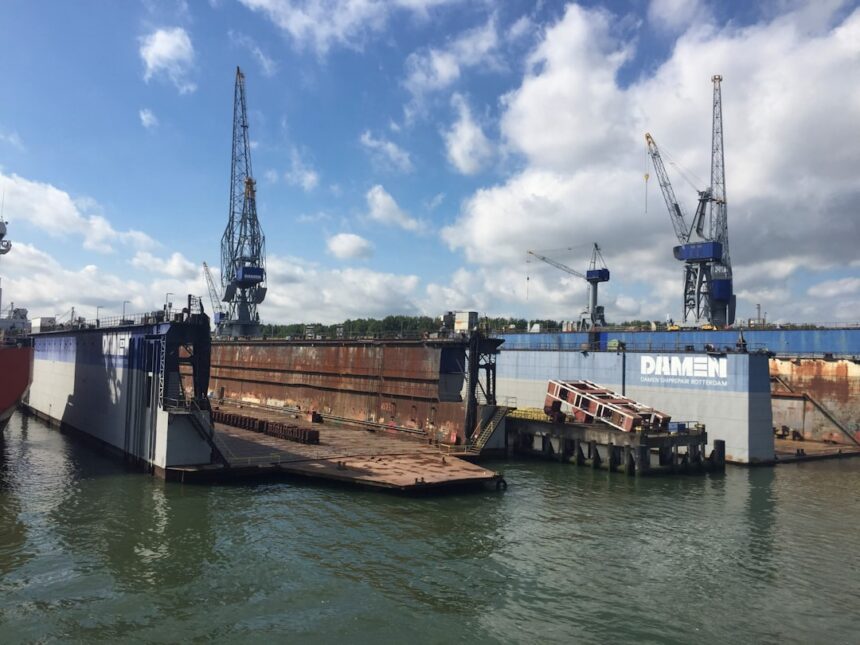
The United States Navy’s shipyards, vital hubs for maintaining the operational readiness of the fleet, face a significant and persistent challenge: a substantial maintenance backlog. Years of underfunding, workforce attrition, and the increasing complexity of naval vessels have combined to create a situation where scheduled maintenance often falls behind, leading to extended repair cycles and potential impacts on fleet deployability. This article delves into the multifaceted nature of this backlog, examining its origins, its consequences, and the strategies being implemented to address it.
The current maintenance backlog is not a sudden phenomenon but rather a gradual accumulation rooted in several interconnected factors that have evolved over decades. Understanding these root causes is crucial to appreciating the scale of the challenge and the complexity of the solutions required.
Decades of Underinvestment and its Ripple Effects
For extended periods, the budget allocated to naval shipyard infrastructure and maintenance programs did not keep pace with the Navy’s growing needs. This consistent underinvestment manifested in several ways. Aging facilities, including dry docks, cranes, and pipe shops, began to degrade, requiring more frequent and costly repairs themselves, which diverted resources from ship maintenance. Outdated equipment also contributed to inefficiencies, increasing the time required for both routine and complex repairs. Furthermore, the lack of consistent, robust investment meant that programs designed to modernize shipyard processes and technologies were either delayed or never fully realized.
The Human Capital Conundrum: Attrition and Skill Gaps
A critical element in the shipbuilding and repair industry, and particularly acute in the Navy’s shipyards, is the skilled workforce. Over the past several decades, a significant portion of the experienced workforce has retired, taking with them invaluable institutional knowledge and specialized skills. This “graying out” of the workforce created a void that has been difficult to fill. Recruiting and training new personnel to the level of expertise required for complex naval vessel maintenance is a time-consuming and resource-intensive process.
The ‘Boomer’ Retirement Wave
The decades of the Cold War saw a surge in naval shipbuilding and, consequently, a large influx of skilled tradespeople into the shipyards. Many of these individuals entered the workforce in the 1970s and 1980s, and their retirements are now occurring in significant numbers. This demographic shift has created a noticeable gap in experienced welders, pipefitters, electricians, machinists, and other critical trades.
Challenges in Recruitment and Retention
Attracting new talent to shipyard work has become increasingly difficult. The demanding nature of the work, coupled with the geographic locations of many shipyards, can be a deterrent. Furthermore, competition from private sector industries that may offer more attractive compensation or benefits can make it challenging for the Navy to secure and retain top-tier talent. The lengthy training periods required for specialized naval systems further exacerbate this issue, meaning new recruits may not reach full productivity for several years.
The Evolving Nature of Naval Vessels
Modern naval warships are technologically sophisticated platforms, incorporating advanced combat systems, propulsion technologies, and networked communications. While these advancements enhance warfighting capabilities, they also increase the complexity of maintenance and repair. Diagnosing and repairing intricate electronic systems, dealing with specialized materials, and ensuring compatibility with evolving cyber security requirements all add layers of difficulty and time to shipyard availabilities.
Increasing Levels of Technology Integration
From advanced sonar and radar systems to sophisticated electronic warfare suites and integrated combat management systems, today’s warships are veritable floating supercomputers. Maintaining, upgrading, and repairing these systems requires highly specialized knowledge and access to proprietary diagnostic equipment. This technical complexity means that a single repair task can involve multiple trades and extensive coordination.
The Growing Age of the Fleet
While new vessels are commissioned, a significant portion of the Navy’s fleet comprises older platforms that have been extended in service life. These vessels often require more extensive maintenance to remain operational. The accumulation of wear and tear over many years means that components are more likely to fail, and extensive overhauls become necessary. This aging fleet, while strategically important for maintaining presence, places an increased burden on maintenance resources.
The US Navy is currently facing significant challenges with its shipyard maintenance backlog, which has raised concerns about fleet readiness and operational capabilities. A related article that delves into the implications of this backlog and potential solutions can be found at this link. The article discusses the impact of delayed maintenance on naval operations and highlights the need for strategic investments in shipyard infrastructure to address these pressing issues.
The Tangible Consequences of a Strained Maintenance System
The existence of a significant maintenance backlog has far-reaching implications for the U.S. Navy. These consequences extend beyond simple delays, impacting operational readiness, training, and overall resource allocation.
Impacts on Fleet Operational Readiness
The most direct and concerning consequence of the maintenance backlog is its detrimental effect on fleet operational readiness. When a ship’s scheduled maintenance is delayed, its availability for training exercises, deployments, and real-world missions is reduced. This can lead to a “readiness debt,” where the Navy must make difficult choices about which ships can deploy and which must remain in port for repairs.
Reduced Deployability and Extended Availability Cycles
Ships that are awaiting maintenance or undergoing extended repair periods are unavailable for their primary purpose: projecting power and maintaining maritime security. This directly reduces the number of naval assets available at any given time, potentially impacting the Navy’s ability to meet global commitments. The longer a ship spends in the shipyard, the more time it is absent from its operational tempo, creating a cyclical problem.
Impact on Training and Readiness Exercises
Effective naval operations require continuous training and participation in readiness exercises. When ships are sidelined for maintenance, crews may lose proficiency in their drills and tactical procedures. This can create a gap in collective training required for sustained operations and can necessitate additional training evolutions once the ship is back at sea, further consuming valuable time and resources.
Financial and Resource Allocation Strain
The maintenance backlog places immense pressure on the Navy’s budget and resource allocation. Unexpected delays and the need for expedited repairs often lead to cost overruns. Furthermore, the strain on personnel and facilities can necessitate the reallocation of resources away from other critical Navy programs.
Cost Overruns and Unforeseen Expenses
When a ship’s maintenance is prolonged, costs inevitably escalate. This can include extended personnel costs for the shipyard workforce, increased contractor support, and the potential need for overtime. Sometimes, unexpected discoveries during maintenance require additional materials, labor, or specialized equipment, further driving up expenses beyond initial estimates.
Diversion of Resources from Other Programs
Addressing the maintenance backlog often requires prioritizing shipyard work, which can lead to the deferral or reduction of funding for other important Navy initiatives. This could include the procurement of new vessels, research and development for future technologies, or other readiness-enhancing programs. This creates a difficult balancing act for Navy leadership.
Morale and Retention Challenges within the Workforce
The constant pressure to catch up, coupled with the frustration of working with aging infrastructure and facing significant workloads, can negatively impact the morale of shipyard workers. This, in turn, can contribute to retention challenges, creating a self-perpetuating cycle of understaffing and increased workload.
The “Vicious Cycle” of Overwork and Understaffing
When the workforce is stretched thin due to understaffing and the pressure of an overwhelming backlog, the remaining personnel often face prolonged hours and increased stress. This can lead to burnout and a decline in job satisfaction, making it more likely for experienced workers to seek employment elsewhere, thus exacerbating the understaffing problem.
Impact on Family and Personal Life
The demanding nature of shipyard work, particularly when coupled with the pressure to meet deadlines and address a backlog, can have significant impacts on the personal lives of shipyard employees. Extended hours and weekend work can strain family relationships and reduce work-life balance, contributing to overall dissatisfaction and potentially leading to attrition.
Strategies for Clearing the Maintenance Backlog
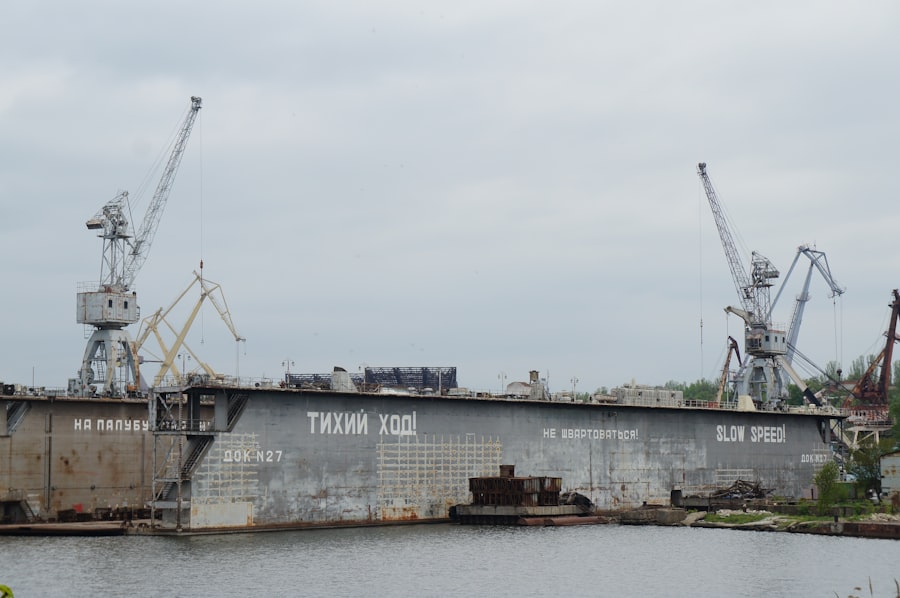
Recognizing the severity of the situation, the Navy has initiated a variety of strategies aimed at tackling the maintenance backlog. These efforts span multiple domains, from increasing funding and personnel to modernizing processes and facilities.
Increased Funding and Investment
A fundamental aspect of addressing the backlog is ensuring adequate financial resources. The Navy has, in recent years, sought to increase appropriations for shipyard maintenance and infrastructure improvements. This includes funding for both direct ship repair and the modernization of shipyard capabilities.
Budgetary Allocations for Ship Repair
The Navy’s budget submissions often include specific line items dedicated to ship depot maintenance. The goal is to provide consistent and sufficient funding to enable shipyards to execute planned maintenance on schedule and to make progress on the accumulated backlog. This involves not only funding the labor and materials but also the overhead associated with operating the shipyards.
Investment in Modernization and Infrastructure Upgrades
Beyond immediate repair funding, there is a growing recognition of the need for long-term investment in shipyard infrastructure. This includes upgrading dry docks, replacing aging cranes, modernizing machinery and equipment, and enhancing digital capabilities. Modern facilities and equipment can significantly improve efficiency and reduce repair times.
Workforce Augmentation and Development Programs
Addressing the human capital deficit is paramount. The Navy is implementing strategies to recruit, train, and retain a skilled workforce, focusing on both its civilian employees and its uniformed technical communities.
Recruitment Initiatives and Partnerships
Shipyards are actively engaged in recruitment efforts, often partnering with local vocational schools, community colleges, and universities to attract new talent. These partnerships can involve offering apprenticeships, internships, and direct hiring programs to build a pipeline of future skilled workers.
Comprehensive Training and Apprenticeship Programs
To counter the loss of experienced personnel, the Navy is investing heavily in its training and apprenticeship programs. These programs are designed to provide new hires with the theoretical knowledge and practical skills necessary to work on complex naval systems. Emphasis is placed on on-the-job training under the guidance of experienced mentors.
Retention Strategies and Career Progression Pathways
Retaining experienced workers is as crucial as recruiting new ones. The Navy is exploring various retention strategies, which can include enhanced career development opportunities, competitive compensation and benefits packages, and initiatives to improve work-life balance. Clear pathways for career advancement can incentivize skilled workers to remain with the shipyard.
Process Improvement and Technological Adoption
Beyond personnel and funding, the Navy is exploring how to improve the efficiency of its maintenance processes and leverage new technologies to speed up repairs and reduce costs.
Lean Manufacturing and Workflow Optimization
Principles of lean manufacturing, focused on eliminating waste and optimizing workflows, are being applied within shipyard operations. This involves analyzing each step of the maintenance process to identify bottlenecks, streamline procedures, and reduce non-value-added activities.
Digital Transformation and Data Analytics
The adoption of digital technologies is a key component of modernizing shipyard operations. This includes implementing advanced planning and scheduling software, utilizing digital twins for diagnostic purposes, and leveraging data analytics to predict equipment failures and optimize maintenance strategies. This can lead to more proactive and efficient maintenance.
Automation and Advanced Manufacturing Techniques
Where appropriate, the Navy is exploring the use of automation and advanced manufacturing techniques. This could include robotic welding, 3D printing for specialized parts, and other technologies that can increase precision, speed, and safety in repair operations.
The Role of Private Sector Partnerships
Recognizing its limitations and the need for additional capacity, the U.S. Navy is increasingly looking to the private sector for assistance in tackling the maintenance backlog. This collaboration can take various forms, from direct contracting to strategic partnerships.
Expanded Use of Private Shipyard Capacity
The Navy’s public shipyards are not the sole providers of maintenance and repair services. The private sector boasts a significant number of shipyards with substantial capacity, particularly for certain types of maintenance and repairs. By contracting with private shipyards, the Navy can offload some of the workload, freeing up its own resources for more specialized or classified work.
Contracted Maintenance and Repair Work
A straightforward approach involves awarding contracts to private shipyards for specific maintenance and repair tasks on naval vessels. This allows the Navy to leverage the available capacity in the private sector without requiring direct investment in private facilities. These contracts can range from routine overhauls to complex modernization projects.
Strategic Alliances and Long-Term Agreements
Beyond transactional contracts, the Navy is also exploring more strategic alliances and long-term agreements with private shipbuilding and repair companies. These partnerships can provide more predictable workload distribution and foster deeper collaboration, potentially leading to the development of specialized capabilities within the private sector that directly benefit naval maintenance.
Public-Private Competition and Collaboration Models
The relationship between public and private shipyards is not always one of simple competition. In many instances, it is a model of collaboration and mutual benefit. The Navy can learn from the innovations and efficiencies found in the private sector, while private yards can gain valuable experience working on highly sophisticated naval platforms.
Sharing of Best Practices and Lessons Learned
Effective dialogue and information sharing between public and private sector entities involved in naval maintenance are crucial. By openly discussing challenges, sharing best practices, and disseminating lessons learned, both sectors can contribute to a more efficient and effective maintenance ecosystem for the entire fleet.
Development of Specialized Private Sector Capabilities
As the complexity of naval vessels increases, so does the need for specialized maintenance capabilities. The Navy can incentivize the private sector to develop these specialized skills and facilities through targeted contracts and collaborations, ensuring that the necessary expertise is available when and where it is needed.
The US Navy is currently facing significant challenges with its shipyard maintenance backlog, which has raised concerns about fleet readiness and operational capabilities. A related article discusses the implications of this backlog on national security and the potential strategies for addressing these issues. For more insights, you can read the full article on In The War Room, where experts analyze the current state of naval maintenance and its impact on military preparedness.
The Path Forward: Sustained Effort and Strategic Vision
| Shipyard | Backlog (in days) | Number of Ships |
|---|---|---|
| Puget Sound Naval Shipyard | 1,000 | 12 |
| Norfolk Naval Shipyard | 800 | 18 |
| Pearl Harbor Naval Shipyard | 600 | 10 |
Addressing the U.S. Navy’s ship maintenance backlog is not a short-term fix but a long-term endeavor that requires sustained commitment and a clear strategic vision. While progress is being made, the challenges are substantial and ongoing.
Continuous Investment and Prioritization
The successful resolution of the backlog hinges on continued and consistent investment in shipyard infrastructure, workforce development, and modernization initiatives. This requires unwavering prioritization of maintenance funding within the Navy’s overall budget, even during periods of fiscal constraint.
Maintaining Funding Levels and Resisting Cuts
Predictable and adequate funding is essential. Any significant cuts to shipyard maintenance budgets could quickly undo years of progress and push the backlog back to critical levels. The Navy must advocate for and secure the necessary resources to sustain its maintenance operations.
Strategic Planning for Future Needs
Beyond addressing the current backlog, the Navy must engage in proactive strategic planning to anticipate future maintenance needs. This includes considering the maintenance implications of new ship classes entering the fleet and the life extension of existing platforms.
Fostering a Culture of Efficiency and Continuous Improvement
A mindset shift towards efficiency and continuous improvement across all levels of shipyard operations is vital. This involves empowering employees to identify and implement solutions and fostering an environment where innovation is encouraged and rewarded.
Empowering the Workforce and Encouraging Innovation
The individuals working on the front lines of ship maintenance possess invaluable knowledge and insights. Creating mechanisms for them to contribute ideas for process improvements and new solutions is essential. This can involve dedicated innovation forums, suggestion programs, and opportunities for cross-functional collaboration.
Measuring Performance and Adapting Strategies
Regularly measuring performance against key metrics, such as maintenance turnaround times, cost per repair, and workforce productivity, is crucial. This data allows for the identification of areas where strategies are succeeding and where adjustments are needed. Flexibility and adaptability in strategy are paramount to navigating the complexities of shipyard operations.
The Enduring Importance of a Ready Fleet
Ultimately, the goal of tackling the maintenance backlog is to ensure the operational readiness of the U.S. Navy’s fleet. A well-maintained and readily deployable fleet is fundamental to national security, global stability, and the projection of American influence. The efforts undertaken today to clear the backlog are an investment in the Navy’s ability to fulfill its critical missions for years to come.
The maintenance backlog in U.S. Navy shipyards represents a complex and persistent challenge. Its origins are rooted in decades of underinvestment, workforce attrition, and technological advancements. The consequences are tangible, impacting fleet readiness, straining budgets, and affecting workforce morale. However, through a multi-pronged strategy involving increased funding, workforce development, process improvements, and strategic partnerships, the Navy is working to address this issue. The path forward demands sustained commitment, strategic vision, and a collective effort to ensure that the nation’s fleet remains a formidable force, capable of meeting the evolving demands of global security.
FAQs
What is the US Navy shipyard maintenance backlog?
The US Navy shipyard maintenance backlog refers to the accumulation of maintenance and repair work that needs to be completed on Navy ships but has not been addressed within the expected timeframe.
How did the maintenance backlog develop?
The maintenance backlog developed due to a combination of factors, including aging infrastructure, limited resources, and an increase in the demand for ship maintenance and repairs.
What are the consequences of the maintenance backlog?
The consequences of the maintenance backlog include longer wait times for ships to undergo maintenance, decreased operational readiness, and potential safety and performance issues for the ships.
What is being done to address the maintenance backlog?
The US Navy has implemented various initiatives to address the maintenance backlog, including increasing funding for shipyard infrastructure improvements, optimizing maintenance processes, and exploring public-private partnerships.
How long is the projected timeline for addressing the maintenance backlog?
The projected timeline for addressing the maintenance backlog is ongoing, with the Navy continuously working to reduce the backlog and improve the efficiency of ship maintenance and repairs.