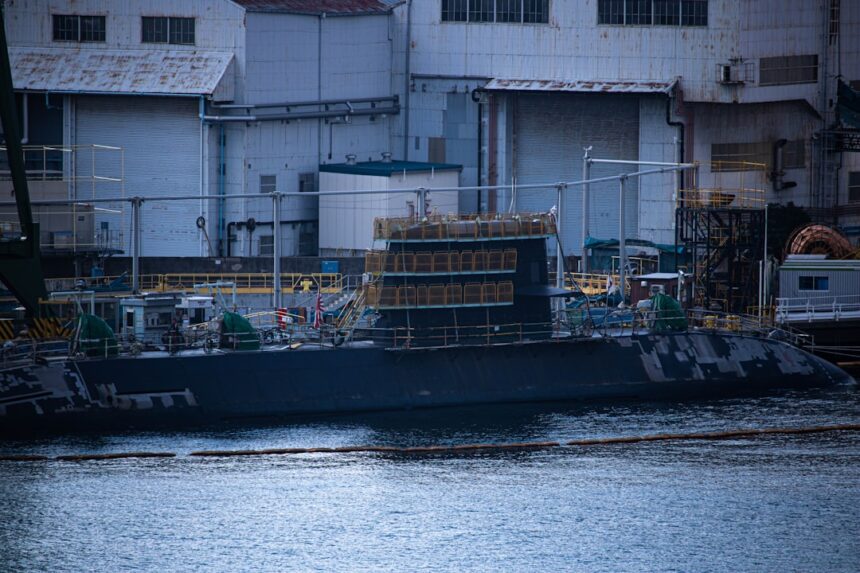
The integrity of the United States’ nuclear deterrent, a cornerstone of global security for decades, has been irrevocably compromised by a clandestine security breach that has sent seismic waves through the Pentagon and beyond. This incident, dubbed “Operation Serpent’s Tongue” by the shadowy entity responsible, has laid bare vulnerabilities previously deemed impenetrable, forcing a stark reckoning with the fragility of even the most advanced defense systems. The ramifications of this betrayal are not confined to the immediate technical fallout but extend to the very trust placed in the nation’s ability to safeguard its most sensitive secrets.
The initial discovery was not a thunderous alarm but a subtle anomaly, a digital whisper lost in the cacophony of military operations. For months, a sophisticated infiltration operation had been underway, a digital phantom slipping through firewalls and bypassing intrusion detection systems with an unnerving ease.
The Genesis of the Intrusion
The origins of this breach remain shrouded in mystery, a dark cloud obscuring the intentions and capabilities of the actors involved. Evidence suggests a meticulously planned and executed campaign, the result of years of patient reconnaissance and development.
Identifying the Adversary: A Phantom’s Fingerprints
Investigators are grappling with the elusive nature of the perpetrator. Initial assessments point to a state-sponsored entity with advanced cyber warfare capabilities, though the possibility of a sophisticated non-state actor cannot be entirely discounted. The digital signatures left behind are a cryptic language, one that cybersecurity experts are painstakingly deciphering.
The Method of Entry: Cracks in the Foundation
Rather than a brute-force assault, the breach appears to have exploited subtle weaknesses, akin to water finding microscopic fissures in a dam. Human error, supply chain vulnerabilities, or zero-day exploits may have served as the initial ingress points, allowing the attackers to establish a persistent presence.
The Digital Footprint: Traces in the Dark
The attackers demonstrated a profound understanding of the U.S. Navy’s networks, navigating them with an almost intimate knowledge. Their presence was characterized by a remarkable stealth, leaving behind minimal but crucial digital breadcrumbs that are now the focus of intense forensic analysis.
The Silence of the Sensors: A System Fooled
The sophisticated nature of the intrusion suggests that traditional security monitoring systems were either circumvented, blinded, or deliberately misled. The attackers appear to have mastered the art of digital camouflage, making their activities virtually invisible to conventional detection methods.
Data Exfiltration: The Silent Theft
The true extent of the data exfiltration is still being assessed, but preliminary reports indicate that information relating to nuclear command, control, and communications (NC3) systems may have been accessed. This is the equivalent of a thief not just picking the lock of a vault but also studying the blueprints of the entire bank.
In a recent article discussing the complexities of military strategy and defense, the topic of the US Navy’s nuclear shield and its implications for national security was explored in depth. The article highlights how recent developments may have compromised the effectiveness of this critical defense system, raising concerns about the potential risks involved. For more insights on this pressing issue, you can read the full article here: US Navy Nuclear Shield Betrayed.
The Nuclear Cadre Exposed: A Serpent’s Coil
At the heart of the U.S. nuclear deterrent lies a network of specialized personnel and critical infrastructure. The security breach has potentially exposed the very individuals entrusted with the nation’s ultimate security, creating a vulnerability that transcends the digital realm.
The Human Element: A Soft Target in a Hardened World
While technological defenses are paramount, the human element often represents the weakest link in any security chain. The breach has raised uncomfortable questions about vetting processes, insider threats, and the psychological resilience of individuals operating under immense pressure.
Insider Threats: The Trojan Horse Within
The possibility of an insider, either complicit or compromised, cannot be ignored. The deep access required for such a breach might have been facilitated by someone already within the system, a chilling echo of historical espionage.
Compelled Access: The Unseen Lever
External actors may have employed sophisticated social engineering or blackmail tactics to compel individuals within the nuclear cadre to provide unintended access or information. The psychological toll of such coercion would be immense.
The Data Landscape: What Was Compromised?
The specific nature of the compromised data is a critical concern, with implications for operational security, strategic planning, and the very readiness of the nuclear triad.
NC3 Systems: The Nerve Center of Deterrence
Information related to the operational parameters, communication protocols, and security backdoors of the Navy’s nuclear command and control systems would be a prize beyond measure for any adversary.
Personnel Information: The Faces Behind the Codes
Biometric data, psychological profiles, and personal histories of key personnel in nuclear facilities could be weaponized for future exploitation or coercion.
Technical Schematics: The Blueprints of Doomsday
Detailed technical specifications of nuclear weapon systems, their deployment mechanisms, and their security features would represent a significant intelligence coup.
Global Repercussions: The Shifting Sands of Power

The fallout from this security breach extends far beyond U.S. borders, impacting international relations, nuclear non-proliferation efforts, and the delicate balance of global power. The world has always watched the U.S. nuclear shield as a potent symbol of stability; now, that shield appears to have developed a crack.
Erosion of Trust: A Foundation Cracked
The confidence of allies in the U.S.’s ability to safeguard its most sensitive technologies and information will inevitably be tested. This breach can be seen as a tremor that shakes the bedrock of international alliances.
Public Perception: A Shadow of Doubt
Domestically, the breach will fuel public anxiety and scrutiny of the government’s security protocols. The narrative of invincibility surrounding the nuclear arsenal will be irrevocably altered.
Geopolitical Maneuvering: The Adversary’s Advantage
Adversaries will likely exploit this revelation to assert their own technological prowess and to sow discord among U.S. allies, potentially leading to a recalibration of international strategic postures.
The Nuclear Order: A Fragile Equilibrium?
The principles of nuclear deterrence rely on the implicit understanding of secure command and control. A breach of this magnitude could undermine the predictability and reliability of nuclear signaling, raising the specter of miscalculation.
Escalation Risks: A Glimpse into the Abyss
The potential for adversaries to gain insights into U.S. nuclear response protocols could, in a crisis, increase the temptation for preemptive actions, thereby escalating tensions to an unprecedented level.
Non-Proliferation Efforts: A Setback?
The very act of nations seeking to acquire nuclear technology will be viewed through a new lens. If the U.S., with its vast resources, cannot secure its own nuclear secrets, then the perceived safety of nascent nuclear programs worldwide may be questioned.
The Aftermath: A Scramble for Solutions

The immediate response to the breach has been a frantic, multi-pronged effort to contain the damage, assess the full scope of the compromise, and implement robust remedial measures. This is akin to a physician performing emergency surgery after a grave injury.
Damage Assessment: Mapping the Scar Tissue
The primary objective is to meticulously map the extent of the breach, identifying every compromised system, every piece of exfiltrated data, and every potential avenue for future exploitation.
Digital Forensics: The Art of the digital Crime Scene
Teams of highly specialized forensic experts are meticulously sifting through terabytes of data, piecing together the narrative of the intrusion and identifying the specific techniques employed by the attackers.
Vulnerability Analysis: Identifying the Chinks in the Armor
A comprehensive review of all security protocols, hardware, and software within the Navy’s nuclear infrastructure is underway to identify the vulnerabilities that were exploited.
Remediation and Reinforcement: Building a Stronger Fortress
The focus is now on patching vulnerabilities, enhancing existing security measures, and developing new defenses to prevent a recurrence. This is not merely about repair; it is about redesign.
Network Segmentation and Isolation: Creating Digital Bastions
Critical systems are being further segmented and isolated to limit the lateral movement of any potential future intruders. This involves creating digital fortresses within the fortress.
Advanced Threat Detection: Sharpening the Eyes
New generations of artificial intelligence-powered threat detection systems are being deployed and integrated, designed to identify subtle anomalies and behavioral patterns indicative of sophisticated intrusions.
Personnel Re-evaluation: The Human Firewall
A rigorous re-evaluation of personnel access, clearances, and psychological fitness within the nuclear cadre is being implemented, alongside enhanced training on cybersecurity awareness and counter-espionage.
The recent revelations surrounding the US Navy’s nuclear shield have raised significant concerns about national security and trust within military ranks. An insightful article discussing these issues can be found on In The War Room, where it delves into the implications of the alleged betrayal and its potential impact on defense strategies. For more details, you can read the full article here.
The Long Shadow: A Future Defined by Vigilance
| Metric | Details |
|---|---|
| Topic | US Navy Nuclear Shield Betrayed |
| Context | Concerns about security breaches or insider threats within the US Navy’s nuclear deterrent forces |
| Timeframe | Various incidents reported from Cold War era to present |
| Known Incidents | Espionage cases, unauthorized disclosures, and security lapses |
| Impact on Readiness | Potential compromise of nuclear deterrence credibility and operational security |
| Security Measures | Enhanced background checks, continuous monitoring, and counterintelligence efforts |
| Public Awareness | Limited official disclosure; mostly revealed through investigative journalism and declassified documents |
The fallout from “Operation Serpent’s Tongue” will cast a long shadow over the U.S. nuclear deterrent and global security for years to come. This incident serves as a stark, and painful, reminder that no defense system is truly impregnable.
The New Normal: A Constant State of High Alert
The era of complacency regarding the security of nuclear infrastructure is over. The U.S. Navy, and indeed all branches of the military, must now operate under a perpetual state of heightened vigilance, where even the smallest anomaly warrants immediate and thorough investigation.
Continuous Monitoring: The Unblinking Eye
The deployment of advanced, 24/7 continuous monitoring systems that leverage machine learning and AI to detect anomalous activity will become the standard.
Proactive Threat Hunting: The Hunt Before the Breach
Instead of merely reacting to attacks, security teams will be increasingly tasked with proactively hunting for threats within their networks, seeking out potential vulnerabilities before they are exploited.
The Arms Race Continues: Cyber and Kinetic
This breach escalates the existing cyber arms race. The development of offensive and defensive cyber capabilities will continue to be a paramount concern for nations engaged in geopolitical competition.
The Evolution of Cyber Warfare: A Constant Adaptation
Adversaries will continue to evolve their tactics and techniques, requiring a constant adaptation and innovation in defensive strategies. The digital battlefield is a fluid space.
The Importance of Resilience: Bouncing Back After the Blow
Beyond mere prevention, the focus must also be on building resilient systems that can withstand and recover from cyberattacks, ensuring the continuity of operations even in the face of compromise.
The U.S. Navy’s nuclear shield has been betrayed. The fallout from this security breach is a stark testament to the persistent and evolving nature of threats in the digital age. The nation’s ability to safeguard its most critical assets, and by extension, global stability, now rests on a renewed and unwavering commitment to security, where vigilance is not a strategy, but a way of life. The whispers in the system have become a roar, demanding immediate and comprehensive action. The cost of failure, in this ultimate game of deterrence, is simply too high to contemplate.
FAQs
What is the US Navy nuclear shield?
The US Navy nuclear shield refers to the strategic defense system involving the Navy’s nuclear-powered submarines equipped with ballistic missiles. These submarines serve as a critical component of the United States’ nuclear deterrent by providing a secure and survivable second-strike capability.
What does the term “betrayed” imply in the context of the US Navy nuclear shield?
In this context, “betrayed” typically suggests that there has been a breach of trust, security failure, or compromise related to the US Navy’s nuclear deterrent system. This could involve espionage, leaks of classified information, or other actions that undermine the effectiveness or secrecy of the nuclear shield.
Has there been any confirmed incident of betrayal involving the US Navy nuclear shield?
As of the latest available information, there have been no publicly confirmed incidents of betrayal or security breaches specifically compromising the US Navy’s nuclear shield. The US military maintains strict security protocols to protect its nuclear assets.
How does the US Navy protect its nuclear shield from potential threats?
The US Navy employs multiple layers of security, including physical security measures, cybersecurity protocols, personnel vetting, and intelligence operations. Nuclear submarines operate covertly and are supported by secure communication systems to prevent detection and unauthorized access.
Why is the US Navy nuclear shield important for national security?
The US Navy nuclear shield is vital because it ensures a credible second-strike capability, deterring adversaries from launching a nuclear attack. Its stealth and mobility make it difficult to neutralize, thereby maintaining strategic stability and preventing nuclear conflict.