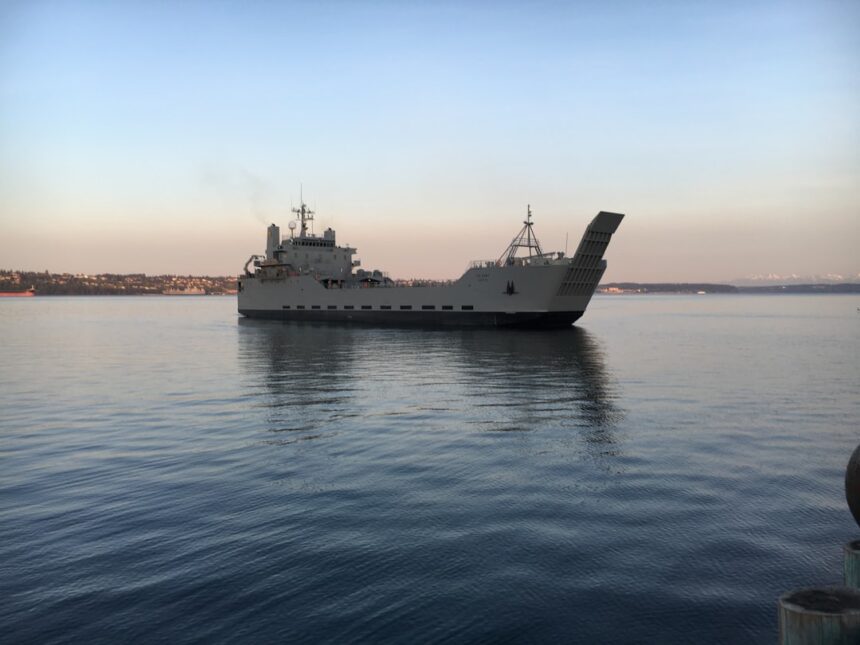
The United States Navy’s logistical capabilities have historically been a cornerstone of its global power projection. This extensive and complex network, encompassing personnel, material, infrastructure, and doctrine, underpins the Navy’s ability to operate and sustain forces across vast distances and in diverse operational environments. When contrasted with the People’s Liberation Army Navy (PLAN), the disparities in scale, maturity, and operational experience become apparent, suggesting a significant, though not insurmountable, logistical advantage for the U.S.
The U.S. Navy’s logistical superiority is not a monolithic entity but rather a multifaceted system built upon several key pillars. These elements, developed over decades of global engagement, provide a robust framework for sustaining naval operations in peace and conflict.
Personnel and Training
The human element is arguably the most critical component of any logistical system. The U.S. Navy relies on a highly trained and experienced workforce dedicated to logistical functions.
Specialized Roles and Expertise
The U.S. Navy employs a vast array of specialized personnel in its logistical chains. Supply officers, logistics specialists, culinary specialists, aviation maintenance technicians, and hull maintenance technicians are just a few examples of the many roles dedicated to the procurement, storage, distribution, maintenance, and repair of naval assets and personnel needs. These individuals receive extensive theoretical and practical training, often augmented by on-the-job experience in a variety of operational tempos and geographic locations.
Career Development and Retention
A mature career development path encourages experienced personnel to remain in logistical roles, accumulating invaluable institutional knowledge and expertise. This continuity is vital for maintaining efficiency and adapting to evolving challenges. Furthermore, the U.S. Navy’s emphasis on professional development, including advanced training programs and opportunities for command of logistical units, reinforces the skill sets of its personnel.
Infrastructure and Global Reach
The physical infrastructure supporting U.S. Navy logistics is extensive and strategically located worldwide, providing unparalleled reach and responsiveness.
Forward Deployed Bases and Facilities
The U.S. possesses a global network of naval bases, port facilities, and logistical hubs. These include major installations in Japan, South Korea, Guam, Diego Garcia, and Bahrain, among others. These bases serve as critical nodes for resupply, repair, maintenance, and the staging of forces. Their presence allows for rapid deployment and sustained operations far from the continental United States.
Auxiliary Fleet and Sealift Capabilities
Beyond fixed installations, the U.S. Navy maintains a substantial auxiliary fleet, including logistics ships, oilers, ammunition ships, and mobile logistic support ships. These vessels are designed to replenish combatant ships at sea, extending their operational endurance and allowing them to remain on station for extended periods. The U.S. also possesses significant government-owned and government-operated sealift capacity, crucial for moving large quantities of materiel and equipment during major contingencies.
Doctrine and Operational Experience
The U.S. Navy’s logistical doctrine is a product of continuous refinement through decades of operational experience, fostering an adaptive and resilient system.
Joint and Combined Operations
The U.S. Navy operates extensively within the joint (inter-service) and combined (inter-nation) frameworks. This necessitates a high degree of logistical interoperability and coordination, demanding standardized procedures and the ability to integrate with partner logistics systems. This experience in complex multi-national operations has honed the Navy’s ability to adapt its logistics to diverse scenarios.
Sustainment Under Stress
U.S. Navy logistical planners are adept at developing strategies for sustaining operations under demanding conditions, including contested environments, severe weather, and extended deployments. This includes developing robust contingency plans for disruptions, emphasizing redundancy, and leveraging agile resupply methods. The ability to maintain operational effectiveness amidst logistical challenges is a key differentiator.
The ongoing competition between the US Navy and China’s maritime capabilities has sparked significant interest in logistics and supply chain management in military operations. A related article that delves into this topic can be found on In The War Room, which discusses the strategic implications of naval logistics in the context of US-China relations. For more insights, you can read the article here: In The War Room.
The PLAN’s Logistical Landscape
The PLAN, while rapidly modernizing and expanding, faces a different set of logistical challenges and opportunities compared to its U.S. counterpart. Its development has been primarily driven by domestic requirements and a growing regional focus, with a nascent global presence.
Geographic Constraints and Development
China’s geopolitical position and its maritime strategies present unique logistical considerations for the PLAN.
Limited Overseas Basing
Unlike the U.S., China possesses a significantly more limited network of overseas military bases. While efforts are underway to expand its global footprint, particularly with facilities in Djibouti, the overall scale and strategic dispersion of its overseas logistical infrastructure lag considerably behind that of the U.S. This constraint necessitates greater reliance on long-range sea lines of communication (SLOCs) and less established support networks.
Dependence on Civilian Infrastructure
For much of its logistical needs, especially for non-military cargo and long-distance transit, the PLAN often relies on China’s burgeoning civilian maritime industry. This includes leveraging commercial shipping companies for cargo transport and utilizing commercial ports for resupply. While this offers flexibility, it also introduces potential vulnerabilities in times of conflict, as civilian assets could be targeted or commandeered.
Maturing, But Not Yet Proven, Capabilities
The PLAN’s logistical capabilities are demonstrably improving but have not yet been tested on the same scale or duration as those of the U.S. Navy.
Fleet Replenishment Ships
The PLAN has significantly invested in its fleet replenishment capabilities, acquiring modern oilers, ammunition ships, and supply vessels. These ships are crucial for extending the operational range of its warships. However, the number and variety of these specialized vessels are still growing and may not yet match the U.S. Navy’s comprehensive fleet train.
Port Infrastructure Development
China is actively developing its own port infrastructure, both domestically and internationally. This includes investments in deep-water ports along its coastline and in countries participating in the Belt and Road Initiative. These developments are designed to support increased maritime trade and, by extension, naval logistics. However, the operational integration and redundancy of these new facilities are still being established.
Doctrine and Experience Gap
The PLAN’s doctrine and operational experience are still evolving, particularly in complex, expeditionary logistics.
Focus on Regional Operations
Historically, PLAN operations have been largely confined to regional waters, such as the South China Sea and the East China Sea. This has limited the depth and breadth of its experience in projecting and sustaining forces across vast oceans and in diverse geopolitical contexts.
Limited Large-Scale Expeditionary Experience
The PLAN has not yet undertaken large-scale, sustained expeditionary operations requiring extensive logistical support far from its immediate sphere of influence. While exercises are increasing in scope and complexity, the practical experience gained from prolonged, high-intensity deployments with significant logistical demands remains a noticeable gap when compared to the U.S. Navy.
Key Differentiators in Logistical Support
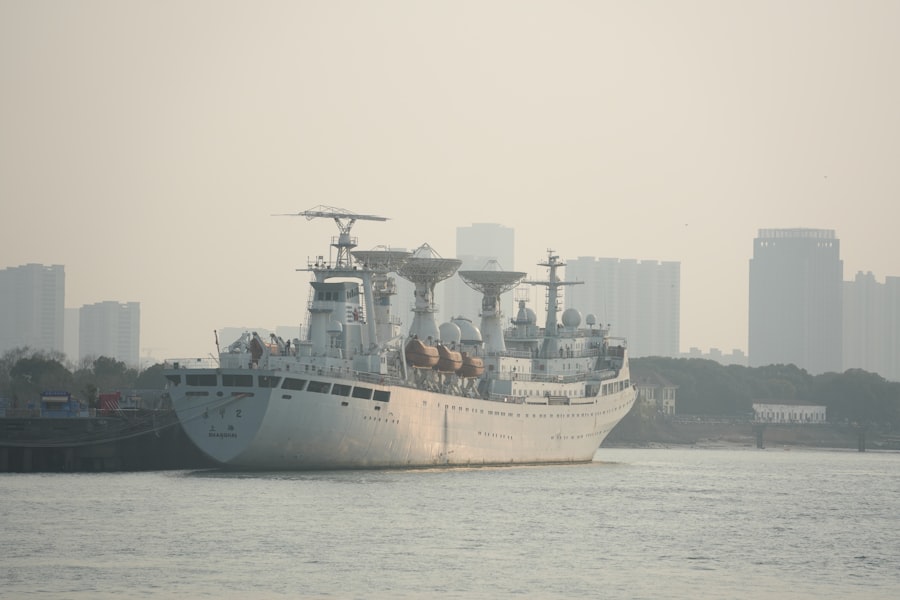
Several critical areas highlight the qualitative and quantitative advantages the U.S. Navy possesses in its logistical capabilities.
Scale and Depth of the Reserve Fleet
The U.S. Navy’s logistical planning incorporates a robust reserve fleet that can be activated to augment active-duty assets during times of crisis.
Mobilization and Augmentation
This reserve fleet, comprising various types of support vessels, represents a substantial reserve capacity that can be rapidly mobilized to supplement existing logistical networks. This provides a surge capability that is crucial for sustained operations in a large-scale conflict.
Specialized Logistics Ships
The reserve fleet includes a range of specialized logistics ships, such as hospital ships and specialized cargo carriers, further enhancing the Navy’s ability to meet diverse logistical requirements.
Sea-Based Logistics and Forward Presence
The U.S. Navy’s ability to sustain operations through its mobile logistics fleet is a significant strategic advantage.
At-Sea Replenishment (ASR) Prowess
The U.S. Navy has perfected the art of at-sea replenishment, allowing its warships to refuel, rearm, and resupply while underway. This capability is crucial for maintaining the combat effectiveness and operational endurance of its carrier strike groups and other deployed units. The sheer number and sophistication of U.S. replenishment ships are unmatched.
Humanitarian Assistance and Disaster Relief (HADR)
The U.S. Navy’s logistical infrastructure and mobile capabilities are also critical for its significant role in humanitarian assistance and disaster relief operations worldwide. This demonstrates the versatility and adaptability of its logistical systems, allowing for rapid response and sustained support in crisis situations, further refining its logistical expertise.
Interoperability and Alliance Integration
The U.S. Navy’s logistical system is designed for seamless integration with allied and partner nations, a crucial factor in coalition warfare.
Joint Logistics Enterprise
Operating within a joint logistics enterprise framework ensures that U.S. Navy logistics can effectively support and be supported by other branches of the U.S. military. This integrated approach maximizes efficiency and minimizes redundancy.
NATO and Pacific Allies
Decades of alliance commitments, particularly within NATO and with key partners in the Indo-Pacific, have necessitated and fostered a high degree of logistical interoperability. This includes standardized communication protocols, shared logistical doctrines, and the ability to co-deploy and co-support. This deep integration is a significant advantage in any coalition operation.
Challenges and Future Considerations for the U.S. Navy
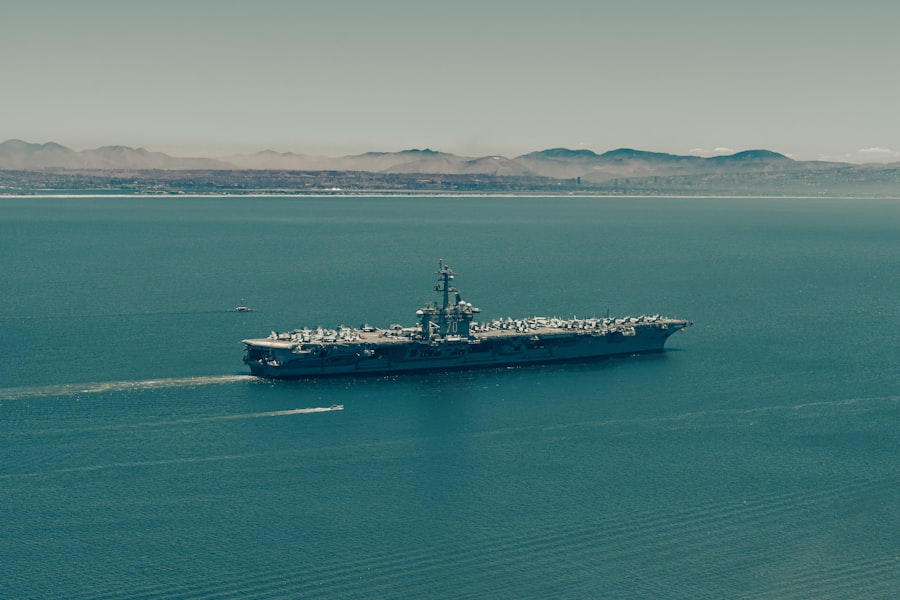
Despite its current advantages, the U.S. Navy faces evolving challenges that require continuous adaptation of its logistical posture.
Maintaining Global Supply Chains
The increasing complexity and potential fragility of global supply chains present ongoing challenges for all navies, including the U.S.
Vulnerability to Disruption
The U.S. Navy’s reliance on global supply chains, while extensive, makes it susceptible to geopolitical instability, natural disasters, and cyberattacks that could disrupt the flow of critical materiel. The ongoing development of China’s own logistical capabilities, including its expanding merchant fleet, also presents a growing competitive element within these supply chains.
Diversification and Resilience
Strategies to diversify supply sources, increase domestic production of critical components, and enhance the resilience of its logistical networks are essential to mitigate these risks. The Navy must balance its global reach with a degree of self-sufficiency for key operational necessities.
Resource Allocation and Modernization
The continuous need to modernize its aging fleet and invest in new technologies while maintaining a vast logistical enterprise presents an ongoing budgetary and strategic challenge.
Aging Infrastructure
Some of the U.S. Navy’s logistical infrastructure, particularly older port facilities and some legacy support ships, requires significant investment for modernization and upgrades to meet future operational demands.
Technological Advancements
Integrating new technologies, such as artificial intelligence for predictive maintenance, autonomous resupply systems, and advanced data analytics for optimizing inventory management, is crucial for maintaining a competitive edge. Balancing these investments with the ongoing operational costs of a globally deployed force is a persistent task.
The ongoing competition between the US Navy and China highlights the critical importance of logistics in modern naval operations. A recent article discusses how effective logistics can determine the outcome of maritime conflicts, emphasizing the need for the US Navy to enhance its supply chain capabilities to counter China’s growing naval power. For more insights on this topic, you can read the full article here. Understanding these dynamics is essential for grasping the broader implications of naval strategy in the Indo-Pacific region.
The Growing Challenge Presented by the PLAN
| Metrics | US Navy Logistics | China Logistics |
|---|---|---|
| Number of ships | 293 | 335 |
| Number of aircraft | 3,700+ | 2,800+ |
| Number of personnel | 330,000+ | 250,000+ |
| Annual budget | 161 billion | 250 billion |
While the U.S. Navy currently holds a distinct logistical advantage, the rapid development of the PLAN’s capabilities warrants careful consideration.
PLAN’s Strategic Investments
The PLAN’s concerted efforts to enhance its logistical capacity signal a strategic intent to expand its operational reach and sustain prolonged deployments.
Expansion of Fleet Replenishment
The observed increase in the construction and deployment of PLAN replenishment ships demonstrates a clear effort to bolster its ability to sustain its own growing fleet at sea. This growth, while starting from a lower base, is significant and indicates a focus on developing the necessary tools for power projection.
Overseas Infrastructure Development
China’s strategic investments in port facilities and logistical hubs in key locations, such as Djibouti, are designed to facilitate its expanding maritime interests and provide critical support for its naval operations beyond its immediate territorial waters. These developments are not merely for civilian trade but are clearly being considered for their dual-use military logistical potential.
The Importance of Continuous Assessment
The dynamic nature of global power dynamics necessitates a continuous and objective assessment of relative logistical strengths and weaknesses.
Adapting to a Changing Landscape
The U.S. Navy must remain vigilant in assessing the PLAN’s progress and adapting its own logistical strategies to maintain its qualitative and quantitative edge. This is not a static competition, but rather an ongoing evolution of capabilities and doctrines.
Focus on Innovation and Interoperability
Continued innovation in logistical technologies and a steadfast commitment to interoperability with allies will be paramount in ensuring that U.S. naval logistics remain superior and capable of meeting the challenges of a complex and evolving security environment. The U.S. advantage is rooted in its experience and its network, but these must be continually reinforced through investment and adaptation.
FAQs
What is the role of logistics in the US Navy?
Logistics in the US Navy involves the planning, coordination, and execution of the movement and sustainment of military forces. This includes supply chain management, transportation, maintenance, and distribution of resources to support naval operations.
How does China’s logistics compare to the US Navy’s logistics?
China’s logistics capabilities have been rapidly modernizing and expanding in recent years, but they still lag behind the US Navy in terms of overall capacity, technology, and global reach. The US Navy has a more extensive network of bases, supply chains, and strategic partnerships around the world.
What are some challenges the US Navy faces in logistics operations?
The US Navy faces challenges such as maintaining supply chain resilience in the face of global disruptions, ensuring interoperability with allied forces, and adapting to emerging technologies and threats. Additionally, the vast geographic scope of naval operations presents logistical challenges in terms of transportation and distribution.
How does the US Navy’s logistics support its strategic objectives in the Indo-Pacific region?
The US Navy’s logistics infrastructure in the Indo-Pacific region supports its strategic objectives by enabling the rapid deployment of forces, sustainment of operations, and coordination with regional allies and partners. This logistics network enhances the Navy’s ability to project power and maintain a presence in the region.
What are some key considerations for the future of US Navy logistics in the context of competition with China?
In the context of competition with China, key considerations for the future of US Navy logistics include investments in advanced technologies, enhancing supply chain resilience, strengthening partnerships with regional allies, and adapting to evolving geopolitical dynamics. Additionally, the Navy will need to prioritize logistics capabilities that support distributed maritime operations and expeditionary warfare.