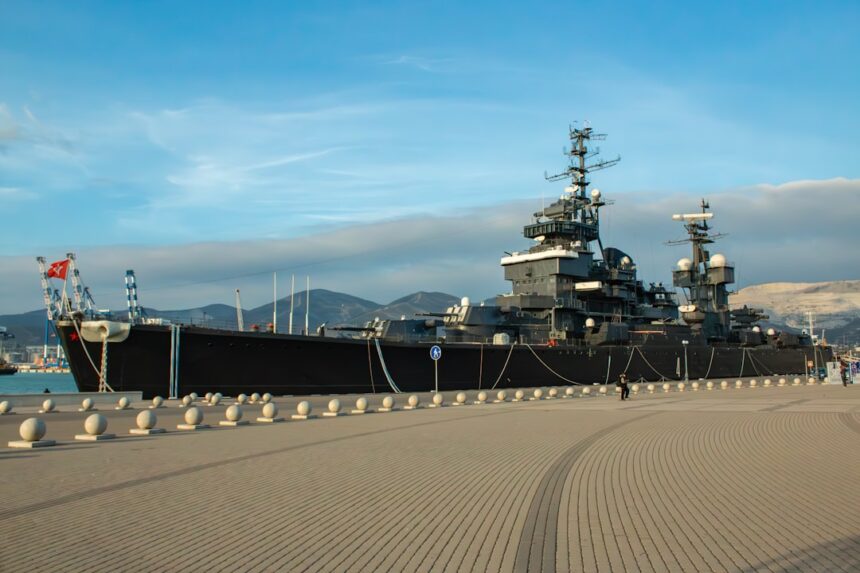
The United States Navy, a cornerstone of global power projection and maritime security, finds itself grappling with a persistent and multifaceted readiness challenge. This pressure, emanating from the highest echelons of defense planning and congressional oversight, is not a sudden crisis but rather a slow, calcifying issue born from a complex interplay of strategic demands, budgetary constraints, and evolving operational environments. The imperative to maintain a ready force, capable of responding to a diverse range of threats from peer competitors to counter-terrorism operations, is met with a stark reality of aging platforms, insufficient recapitalization, and a strain on personnel.
The Navy’s operational tempo has remained remarkably high in recent decades. Forward-deployed forces are a constant presence in critical waterways, from the Persian Gulf and the Indo-Pacific to the Atlantic and the Arctic. This global footprint serves multiple strategic objectives: deterring aggression, reassuring allies, and facilitating freedom of navigation. However, these commitments, while essential to national interests, impose a significant strain on the fleet’s capacity.
The Indo-Pacific Pivot and its Operational Demands
The declared strategic shift towards the Indo-Pacific region, driven by the rise of China, has placed an unprecedented demand on naval assets. This vast operational area requires sustained presence, sophisticated intelligence gathering, and the ability to project power across long distances. Carrier strike groups, amphibious ready groups, and submarines are routinely deployed to this theater, engaging in exercises with allies and conducting freedom of navigation operations. The sheer scale of the Pacific, coupled with the increasing capabilities of potential adversaries, necessitates a larger, more technologically advanced, and critically, a more readily available force than currently exists. Maintaining this forward presence often means ships are deployed for extended periods, impacting crewing cycles and maintenance schedules.
Persistent Operations in Other Theaters
While the Indo-Pacific commands significant attention, the Navy’s responsibilities in other regions remain undiminished. Operations in the Middle East, including counter-piracy efforts and maritime interdiction, continue to absorb significant resources. Furthermore, the escalating tensions in Europe and the renewed focus on the North Atlantic also demand a robust naval presence. This multi-theater operational requirement means that naval assets are rarely allowed to rest, creating a continuous cycle of deployment and limited availability for maintenance and training.
The Evolving Nature of Naval Warfare
The landscape of naval warfare is undergoing a rapid transformation. Advancements in anti-access/area denial (A2/AD) capabilities by potential adversaries, the proliferation of intelligent unmanned systems, and the increasing importance of cyber warfare necessitate a naval force that is not only large but also technologically superior and adaptable. The Navy must be prepared to operate in contested environments where traditional advantages may be diminished. This requires constant investment in new technologies, modernization of existing platforms, and continuous adaptation of tactics and doctrine.
The recent discussions surrounding the US Navy’s top-down readiness pressure have been highlighted in an insightful article on military preparedness and strategic planning. For a deeper understanding of the challenges and implications faced by the Navy, you can read more in the article titled “Navigating Readiness: The US Navy’s Strategic Challenges” available at In The War Room. This piece delves into the complexities of maintaining operational readiness while addressing budget constraints and evolving global threats.
The Fiscal Realities: Budgetary Constraints and Acquisition Challenges
The funding allocated to the Navy, while substantial, often falls short of the stated strategic requirements. Securing consistent and adequate funding for shipbuilding, maintenance, and modernization is a perennial challenge, subject to the vagaries of the political cycle and competing defense priorities.
The Shipbuilding Pipeline: A Persistent Bottleneck
The Navy’s fleet is aging, and a core component of readiness is the ability to build new ships at a sufficient pace to replace retiring vessels and meet fleet expansion goals. However, the shipbuilding industrial base faces numerous challenges, including rising labor costs, supply chain disruptions, and the inherent complexity of constructing advanced naval vessels. This has resulted in a shipbuilding pipeline that consistently underdelivers on projected numbers, leading to a gradual decline in the overall size of the fleet.
Delays and Cost Overruns in Major Programs
Major shipbuilding programs, such as the Gerald R. Ford-class aircraft carriers and the Columbia-class ballistic missile submarines, have historically experienced significant delays and cost overruns. These issues not only inflate the price of acquiring new platforms but also tie up considerable resources and expertise, diverting them from other critical shipbuilding needs. The extended timelines mean that the fleet’s modernization is further protracted, exacerbating the readiness gap.
The Challenge of Ship Repair and Maintenance Funding
Beyond new construction, the maintenance and repair of existing ships are equally vital for readiness. However, funding for shipyards and maintenance facilities has often been insufficient to keep pace with the demands of an aging fleet. This can lead to extended dry-docking periods, delayed repairs, and a reduction in the number of ships available for deployment. When ships are not properly maintained, their operational availability declines, impacting training opportunities and the ability to respond to contingencies.
Modernization vs. Sustainment: A Balancing Act
Naval planners constantly face the difficult decision of balancing investments in modernizing existing platforms to meet current threats with the need to sustain the current fleet’s operational capability. A focus on modernization can sometimes come at the expense of routine maintenance, leading to a paradox where advanced capabilities are sought but the ability to deploy even older systems is compromised. Conversely, prioritizing sustainment can risk obsolescence in the face of rapidly evolving adversaries.
The Human Dimension: Personnel Readiness and Training
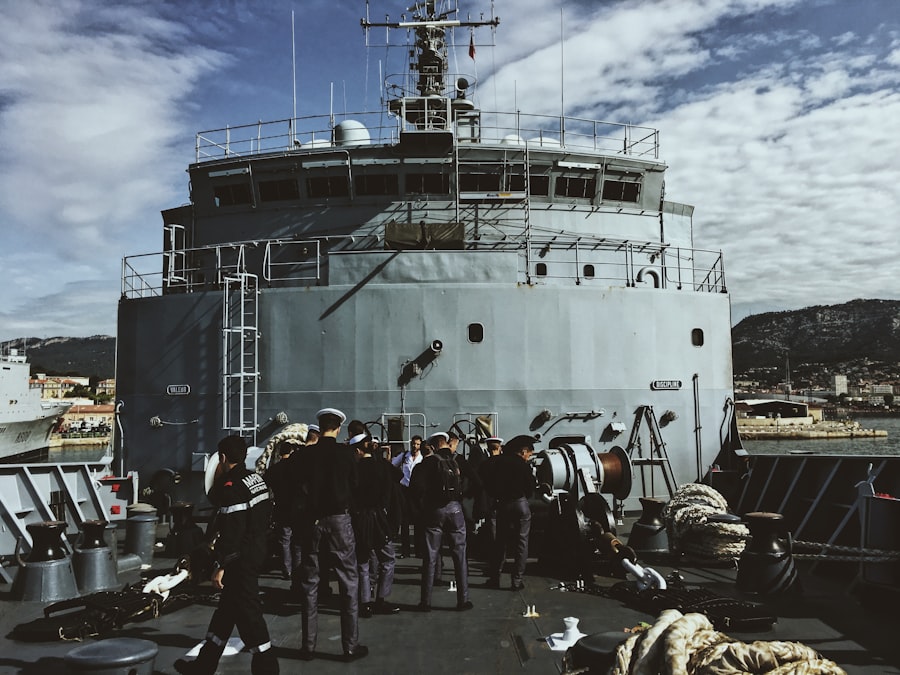
Readiness is not solely about ships and equipment; it is intrinsically linked to the personnel who operate and maintain them. The Navy faces significant challenges in recruiting, retaining, and effectively training its sailors, impacting the overall readiness of the force.
The Strain on the Enlisted Force
The high operational tempo and frequent deployments place a considerable strain on enlisted sailors. Extended time away from home, coupled with demanding work schedules, can lead to burnout and reduced morale. This, in turn, can impact reenlistment rates and make it difficult to maintain experienced crews on ships. The Navy relies heavily on the institutional knowledge and expertise of its seasoned sailors, and their attrition represents a significant loss to readiness.
The Impact of Deployments on Family Life
The constant deployments associated with an all-volunteer force have a direct impact on the families of sailors. Extended separations can create financial and emotional challenges, potentially influencing a sailor’s decision to continue their service. Maintaining family support systems and ensuring adequate quality of life for sailors and their families are critical elements that contribute to overall personnel readiness.
The Officer Corps and Leadership Development
The readiness of the officer corps is equally crucial for effective command and control. The Navy faces challenges in retaining experienced officers, particularly in technical fields, where they may find more lucrative opportunities in the private sector. Developing agile and effective leaders who can navigate complex operational environments and make critical decisions under pressure is a continuous process that requires sustained investment in training and professional development.
Training Realities: Realism and Resource Constraints
Conducting realistic and comprehensive training is essential for preparing sailors for the rigors of modern naval warfare. However, training exercises are resource-intensive, requiring fuel, ammunition, personnel, and specialized equipment. Budgetary constraints can sometimes limit the scope and frequency of these exercises, leading to a compromise in the overall realism and effectiveness of training programs. Ensuring that training accurately reflects the operational environment and the threats faced is paramount.
The Simulation Gap and the Need for Advanced Training Tools
While simulators have become increasingly sophisticated, they cannot entirely replicate the complexity and unpredictability of real-world operations. There remains a need for greater investment in advanced simulation technologies and greater opportunities for live, at-sea training to bridge this gap. The ability to practice complex maneuvers, joint operations, and responses to novel threats in a realistic setting is crucial.
The Maintenance and Sustainment Challenge: Keeping the Fleet Ready
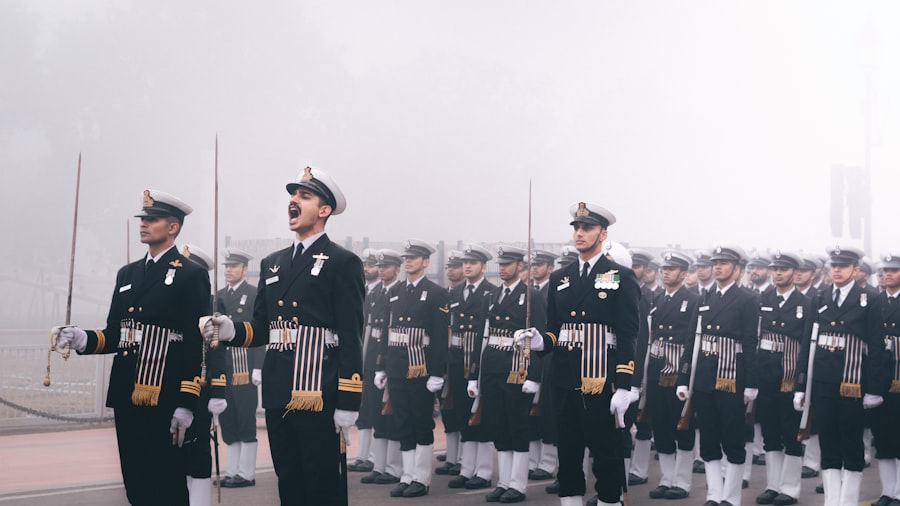
The sheer age of many naval platforms, combined with their constant operational use, creates a significant and ongoing challenge in terms of maintenance and sustainment. Without adequate attention to these areas, even the most advanced platforms can become unready.
The Aging Fleet and its Maintenance Demands
Many of the ships currently in service are decades old, designed for different operational paradigms and facing the accumulated wear and tear of years of service. The maintenance required for these older vessels is often more complex, time-consuming, and expensive than for newer platforms. Spare parts can be difficult to source, and specialized labor is often required. This constant demand for maintenance diverts resources and personnel from other critical readiness activities.
The Impact of Extended Maintenance Cycles
When ships enter extended maintenance or repair cycles, they are unavailable for operational duties. If these cycles become the norm rather than the exception, the overall number of ready ships available for deployment diminishes significantly. This can create a cascading effect, where fewer ships are available for their scheduled patrols, leading to increased strain on the remaining operational units.
The Challenge of Modernization for Older Platforms
While the focus is often on acquiring new platforms, modernizing older ships to keep pace with evolving threats is also a critical aspect of readiness. However, retrofitting older vessels with new technologies can be complex and costly. In some cases, the cost of modernization may approach the cost of replacement, forcing difficult decisions about resource allocation.
Integrating New Technologies into Older Systems
The process of integrating new combat systems, sensors, and communication technologies into older hull designs can be technically challenging and prone to unforeseen issues. Ensuring interoperability and reliability when combining legacy systems with cutting-edge advancements requires meticulous planning and execution.
The recent discussions surrounding the US Navy’s top-down readiness pressure highlight the ongoing challenges faced by military leadership in maintaining operational effectiveness. A related article explores the implications of these pressures on naval strategy and resource allocation, shedding light on how the Navy is adapting to meet evolving threats. For more insights on this topic, you can read the full analysis in this article. Understanding these dynamics is crucial for grasping the future of naval operations and the strategic decisions that will shape the force.
The Path Forward: Addressing Readiness Pressures
| Category | Metric |
|---|---|
| Personnel | Manpower levels |
| Equipment | Operational availability |
| Training | Training completion rates |
| Maintenance | Maintenance backlog |
| Supply | Inventory levels |
Addressing the top-down readiness pressure requires a comprehensive and sustained approach that tackles the interconnected challenges of strategy, budget, personnel, and maintenance. There is no single solution, but rather a multifaceted strategy that prioritizes investment, fosters innovation, and ensures a commitment to the long-term health of the naval force.
Prioritizing Fleet Recapitalization and Modernization
A sustained and predictable investment in recapitalizing and modernizing the fleet is essential. This means not only funding new construction at a sufficient pace to replace retiring vessels but also dedicating sufficient resources to upgrade existing platforms to ensure they remain relevant and capable in the face of evolving threats. This requires a long-term strategic vision that transcends short-term budgetary fluctuations.
Strengthening the Naval Industrial Base and Ship Repair Capabilities
Investments in the naval industrial base are crucial to ensure the capacity and efficiency of shipbuilding and repair. This includes supporting skilled labor, modernizing shipyard infrastructure, and addressing supply chain vulnerabilities. Similarly, bolstering the nation’s ship repair capabilities is vital to minimize extended maintenance cycles and ensure ships can return to operational status promptly.
Investing in Personnel and Improving Quality of Life
The Navy must continue to invest in its most valuable asset: its people. This includes offering competitive compensation and benefits, improving quality of life for sailors and their families, and providing ample opportunities for professional development and advanced training. Retaining experienced personnel requires a commitment to their well-being and career progression.
Fostering Innovation and Adaptability
The Navy must foster a culture of innovation and encourage the adoption of new technologies and operational concepts. This includes embracing unmanned systems, artificial intelligence, and advanced networking capabilities. Adaptability in strategy, doctrine, and technological integration will be critical for maintaining a competitive edge in the face of evolving threats.
Enhancing Inter-Service and Inter-Agency Cooperation
Readiness in the modern era is increasingly a joint and inter-agency endeavor. Strengthening cooperation and interoperability with other branches of the U.S. military and with allied naval forces is crucial. This ensures a more cohesive and effective response to complex global security challenges.
The pressure for readiness within the U.S. Navy is a symptom of a larger strategic challenge. It reflects the immense responsibilities placed upon the service in a complex and dynamic global security environment, coupled with the practical realities of funding, industrial capacity, and human capital. Addressing this pressure requires a sustained, strategic commitment from the highest levels of government, ensuring that the Navy not only possesses the platforms and technology required but also the personnel and infrastructure to effectively employ them. The ongoing dialogue surrounding readiness underscores the critical importance of a robust and capable U.S. Navy for national security and global stability.
FAQs
What is the US Navy top down readiness pressure?
The US Navy top down readiness pressure refers to the increased focus and demand for readiness and preparedness within the Navy, starting from the highest levels of leadership and cascading down through the ranks.
What factors contribute to the top down readiness pressure in the US Navy?
Several factors contribute to the top down readiness pressure in the US Navy, including evolving global threats, budget constraints, technological advancements, and the need to maintain a state of constant readiness for potential conflicts or humanitarian missions.
How does the top down readiness pressure impact US Navy personnel?
The top down readiness pressure impacts US Navy personnel by requiring them to maintain a high level of readiness, preparedness, and training at all times. This can lead to increased operational tempo, longer deployments, and a greater focus on maintaining equipment and personnel readiness.
What measures are being taken to address the top down readiness pressure in the US Navy?
The US Navy is taking several measures to address the top down readiness pressure, including increasing funding for maintenance and modernization, implementing new training programs, and reevaluating deployment schedules to ensure a sustainable operational tempo.
What are the potential implications of the top down readiness pressure on the US Navy’s capabilities?
The potential implications of the top down readiness pressure on the US Navy’s capabilities include improved readiness and preparedness for potential conflicts or crises, but also the risk of increased strain on personnel and equipment, as well as potential impacts on morale and retention.