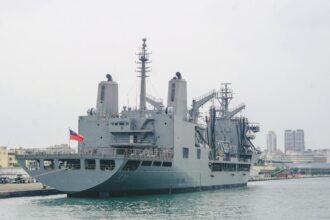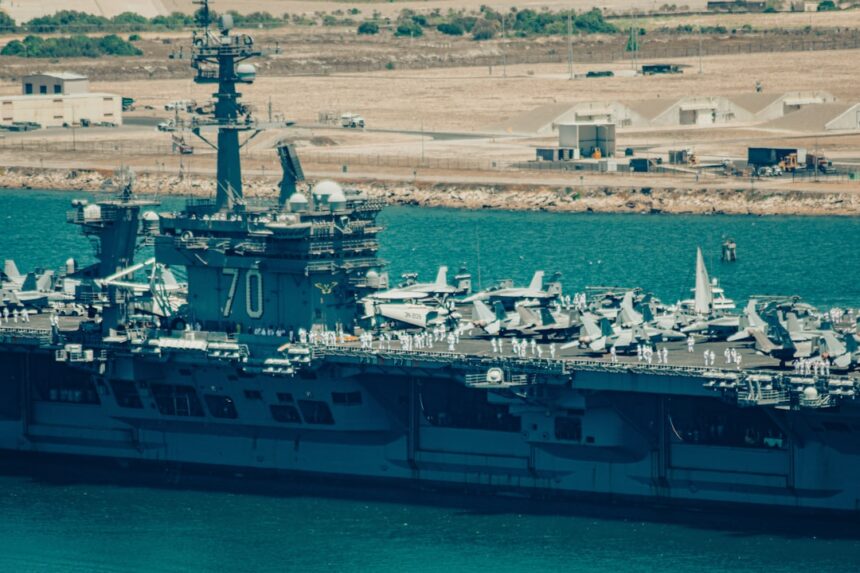
The United States Navy, a cornerstone of global maritime power, is reportedly grappling with significant challenges concerning its fuel and munitions stockpiles. These shortages, if widespread and prolonged, could have considerable implications for operational readiness, strategic projection, and the ability to respond to diverse global contingencies. Understanding the scope and underlying causes of these issues is crucial to assessing the Navy’s current standing and its future posture.
The emergence of reports detailing potential fuel and munitions deficits has raised concerns across defense circles. These are not minor logistical hiccups but systemic issues that could impact the Navy’s ability to sustain prolonged operations, conduct essential training, and maintain a credible deterrent posture.
Fuel Availability and Readiness
The Navy’s reliance on various fuel types, primarily diesel and jet fuel for its vessels and aircraft respectively, makes its operational tempo directly contingent upon a consistent and abundant supply chain. Reports suggest that levels for certain critical fuels have fallen below established readiness standards.
Impact on Fleet Operations
A reduced fuel supply directly translates to curtailed operational tempo for the fleet. This could manifest in several ways, including:
- Reduced Training Exercises: Naval forces require substantial amounts of fuel to conduct realistic training exercises, both at sea and in the air. Shortages could lead to scaled-back simulations, impacting the proficiency of crews and the integration of different naval assets.
- Limited Deployment Durations: The ability to deploy ships and aircraft for extended periods is a hallmark of naval power projection. With insufficient fuel reserves, deployment lengths may need to be shortened, diminishing the Navy’s persistent presence in critical regions.
- Operational Planning Revisions: Contingency planning often assumes access to specific fuel quantities. Shortfalls could necessitate the revision of operational plans, potentially limiting the scope or duration of responses to emerging threats.
Strategic Fuel Reserves
Beyond operational needs, the Navy maintains strategic fuel reserves designed to provide a buffer during extended conflicts or unforeseen disruptions to supply lines. The reported depletion of these reserves, even if partial, signals a weakening of this crucial strategic cushion.
Munitions Stockpiles and Their Readiness
Similar to fuel, ammunition is a fundamental requirement for naval operations. From defensive anti-missile systems to offensive strike capabilities, a robust and readily available munitions inventory is paramount. Recent assessments indicate potential shortfalls in several key munition categories.
Inventory Levels Versus Requirements
The determination of required munitions levels is a complex process, factoring in threat assessments, war-gaming scenarios, and the rapid cadence of modern warfare. Reports suggesting that current inventory levels are not meeting these demanding requirements are a cause for significant concern.
Conventional Ammunition Deficits
This category encompasses a wide range of ordnance, including missiles, torpedoes, and naval artillery shells. Shortages in these areas could impact the Navy’s ability to engage various surface, subsurface, and air threats.
Air-to-Surface Missiles
The Navy’s carrier-based air wings rely heavily on air-to-surface missiles for precision strike capabilities. A depletion in these munitions would severely limit the effectiveness of air power in land-attack or anti-ship operations.
Anti-Submarine Warfare (ASW) Ordnance
Maintaining dominance in the underwater domain is a persistent challenge. Shortfalls in ASW torpedoes and depth charges could reduce the Navy’s capacity to detect and neutralize enemy submarines.
Naval Gunfire Support
While less emphasized in recent years, naval gunfire remains a critical capability for supporting amphibious operations and shore bombardment. A lack of sufficient artillery rounds could limit this support.
Advanced Munitions and Future Threats
Alongside conventional ammunition, the Navy is also investing in and relying upon advanced munitions, such as Standoff Weapons (SOWs) and long-range precision-guided munitions. Ensuring adequate stockpiles of these weapons is vital for maintaining a technological edge and addressing sophisticated threats.
Precision-Guided Munitions (PGMs)
The effectiveness of modern naval operations is largely dependent on PGMs. Shortages could hamper the ability to conduct precise strikes with minimal collateral damage.
Anti-Ship Missiles
The proliferation of advanced anti-ship missile technology by potential adversaries makes maintaining a robust inventory of defensive and offensive anti-ship missiles a critical priority.
The ongoing fuel and munitions shortage faced by the US Navy has raised significant concerns regarding operational readiness and national security. A related article that delves deeper into the implications of this shortage and its potential impact on military operations can be found at this link. This piece provides valuable insights into the challenges the Navy is currently facing and explores possible solutions to mitigate these issues.
Underlying Causes of the Shortage
The reported fuel and munitions shortages are not isolated incidents but likely stem from a confluence of factors, including budgetary constraints, increased global demand, and the pace of industrial production.
Budgetary Pressures and Prioritization
Defense budgets, while substantial, are subject to competing demands and political considerations. Persistent budgetary constraints can force difficult decisions regarding procurement and stockpile maintenance.
Procurement Cycles and Funding Gaps
Long lead times for the manufacturing of sophisticated weaponry and fuel production mean that consistent and predictable funding is essential to maintain adequate levels. Gaps in these funding cycles can lead to stock depletion.
Sequestration and its Lingering Effects
Previous periods of fiscal constraint, such as those imposed by sequestration, may have had a lasting impact on defense procurement and inventory management, creating a deficit that is difficult to overcome.
Maintenance and Modernization Costs
Alongside new procurement, significant resources are required for the maintenance and modernization of existing platforms and weapon systems. Diverting funds from these areas to address immediate operational needs can exacerbate long-term stockpile issues.
Increased Global Demand and Geopolitical Tensions
The current geopolitical landscape is marked by heightened tensions and increased military activity across multiple theaters. This global demand for military materiel can strain production capacity and deplete existing reserves.
The War in Ukraine and its Impact
The ongoing conflict in Ukraine has led to a significant drawdown of U.S. and allied munitions stockpiles as aid is provided to Ukraine. This has placed considerable pressure on defense industrial bases worldwide.
Depletion of Western Munitions
Many Western nations have supplied substantial quantities of ammunition, including artillery shells and anti-tank missiles, to Ukraine. This has reduced global availability and increased competition for scarce resources.
Great Power Competition and Regional Deployments
The strategic focus on Great Power Competition, particularly with near-peer adversaries like China and Russia, necessitates sustained naval presence and readiness in critical regions. This increased operational tempo inevitably consumes more fuel and munitions.
Industrial Base Capacity and Production Limitations
The ability of the defense industrial base to produce munitions and fuel at the required pace is a critical factor in maintaining adequate stockpiles. Over decades, some of this capacity has been eroded.
Decline in Manufacturing Infrastructure
Certain manufacturing capabilities for specific munitions and fuels may have diminished over time due to reduced demand, consolidation of defense contractors, or a lack of investment in domestic production facilities.
Specialized Ammunition Production
The production of highly specialized munitions often requires unique manufacturing processes and skilled labor. A decline in this specialized capacity can make it difficult to ramp up production quickly.
Supply Chain Vulnerabilities
Modern defense manufacturing relies on complex global supply chains. Disruptions to these chains, whether due to geopolitical events, natural disasters, or pandemics, can significantly impede production and delivery.
Implications for Naval Readiness and Global Security
The reported fuel and munitions shortages carry substantial implications for the U.S. Navy’s ability to fulfill its missions and for the broader landscape of global security.
Impact on Operational Readiness
Reduced fuel and munitions directly translate to diminished operational readiness across the fleet. This can compromise the Navy’s ability to respond effectively to both routine and emergent threats.
Reduced Training and Proficiency
As mentioned earlier, insufficient fuel can lead to reduced training opportunities, which in turn impacts the proficiency and preparedness of naval personnel and units. A less trained force is a less effective force.
The “Use It or Lose It” Mentality
In some instances, a perceived abundance of older munitions has led to a “use it or lose it” mentality, where older but still functional ammunition is expended in training to free up storage and avoid obsolescence. While this can be a necessary part of inventory management, it can also deplete stocks that might otherwise be preserved for contingency use.
Strategic Deterrence and Power Projection
The Navy’s role in strategic deterrence and global power projection is built upon its ability to project credible military force anywhere in the world. Fuel and munitions shortages can undermine this capability.
Credibility of Extended Operations
The ability to sustain operations for extended periods is a key element of deterrence. If potential adversaries perceive that the U.S. Navy’s capacity for sustained operations is limited by fuel or munitions, it could erode the credibility of its deterrent posture.
Responsiveness to Crises
In times of international crisis, the speed and scale of the U.S. military response are critical. Shortages could delay deployments or limit the scope of intervention, potentially allowing adversaries to exploit a window of opportunity.
Alliance Commitments and Interoperability
The United States relies on its network of allies to maintain global stability. The Navy’s ability to operate effectively alongside its allies is crucial.
Interoperability Challenges
If U.S. Navy units are experiencing fuel or munitions constraints, it could impact their ability to participate in joint exercises and operations with allied navies, potentially creating interoperability challenges and reducing collective security capabilities.
Burden Sharing and Reliance
Allies often rely on the United States to provide significant military capability. If this capability is perceived to be diminished, it could place additional burdens on other nations and alter the dynamics of alliance relationships.
Addressing the Shortages: Potential Solutions and Considerations
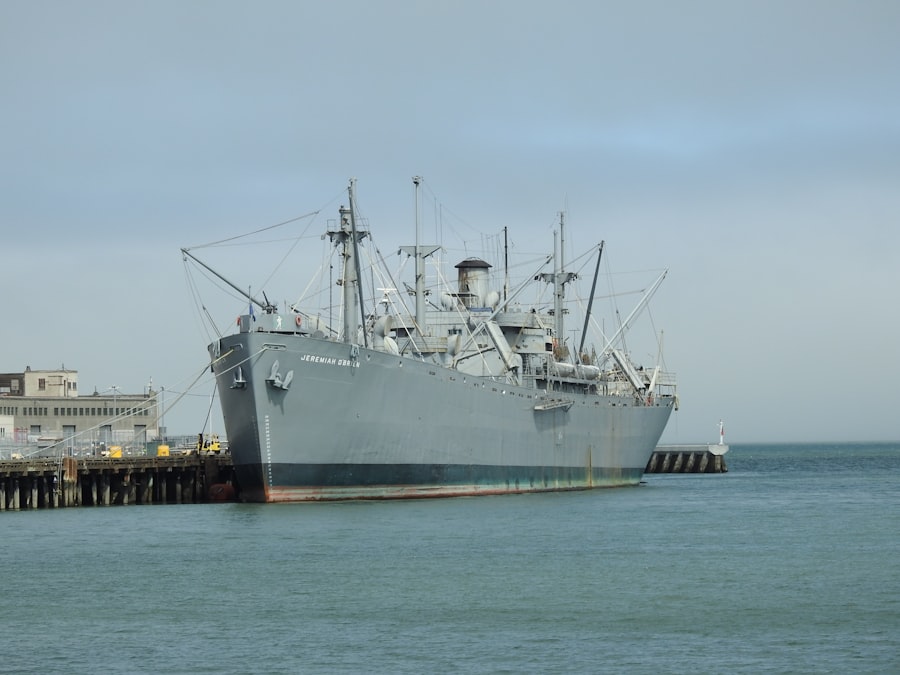
Mitigating these reported shortages will require a multifaceted approach involving increased investment, strategic adjustments, and a focus on revitalizing the defense industrial base.
Increased Defense Spending and Strategic Prioritization
A fundamental step in addressing these issues will be a commitment to increased and sustained defense spending, coupled with clear strategic priorities that reflect the current threat environment.
Prioritizing Munitions and Fuel Procurement
Defense budgets must explicitly prioritize the replenishment and maintenance of fuel reserves and munitions stockpiles, ensuring that these critical elements receive adequate funding.
Long-Term Procurement Contracts
Establishing long-term procurement contracts with defense manufacturers can provide the stability and predictability needed to incentivize investment in production capacity and ensure a consistent supply of munitions.
Balancing Modernization with Readiness
While investing in next-generation capabilities is essential, it must be balanced with ensuring the readiness of existing forces. This includes maintaining sufficient quantities of current munitions and fuel.
Revitalizing the Defense Industrial Base
Rebuilding and expanding the capacity of the defense industrial base is a critical long-term solution. This involves investment in manufacturing infrastructure, workforce development, and supply chain resilience.
Incentivizing Domestic Production
Government policies and incentives can encourage defense contractors to invest in expanding their production capabilities for key munitions, fuels, and their component parts within the United States.
Supporting Small and Medium-Sized Enterprises
Ensuring the health and capacity of smaller suppliers within the defense industrial ecosystem is crucial, as they often play a vital role in the production of specialized components.
Streamlining Regulatory Processes
While maintaining safety and quality standards, reviewing and streamlining regulatory processes related to defense manufacturing can help accelerate production and reduce lead times.
Strategic Stockpile Management and Planning
A comprehensive review and recalibration of the Navy’s strategic stockpile management policies and planning processes are necessary.
Agile Inventory Management
Implementing more agile and responsive inventory management systems can help the Navy better track its stocks, forecast demand, and proactively address potential shortfalls.
War-Gaming and Scenario Analysis
Conducting rigorous war-gaming and scenario analysis to accurately assess future munition and fuel requirements, especially in light of evolving threats, is paramount.
International Collaboration and Burden Sharing
Exploring opportunities for greater international collaboration on defense production and stockpile maintenance with key allies can help distribute the burden and increase overall global supply.
Technological Innovation and Efficiency
Investing in research and development for more efficient fuel alternatives and advanced munitions can offer long-term solutions.
Next-Generation Fuels
Exploring and investing in the development and adoption of alternative fuels for naval vessels and aircraft can reduce reliance on traditional fossil fuels and enhance sustainability.
Advanced Munitions Design
Developing munitions that are more cost-effective to produce and maintain, while still meeting stringent performance requirements, can help optimize stockpile size and resource allocation.
The ongoing discussions about the US Navy’s fuel and munitions shortage have raised concerns regarding operational readiness and national security. A related article highlights the implications of these shortages on military strategies and readiness levels. For a deeper understanding of this critical issue, you can read more in the article found here. This situation underscores the importance of addressing logistical challenges to ensure that the Navy can effectively respond to global threats.
Conclusion
| Metrics | Data |
|---|---|
| Fuel shortage | 20% decrease in fuel supply |
| Munitions shortage | 30% decrease in munitions supply |
| Impact on operations | Delayed missions and training exercises |
| Projected resolution | Expected to be resolved within 3 months |
The reported fuel and munitions shortages facing the U.S. Navy present a complex and serious challenge. Addressing these issues will require a sustained commitment to strategic investment, industrial revitalization, and meticulous planning. Failure to adequately address these deficits could have far-reaching consequences for the Navy’s ability to maintain its global presence, deter potential adversaries, and respond effectively to the ever-evolving security landscape. The nation’s maritime security and its standing on the world stage depend on the Navy’s readiness, and that readiness is intrinsically linked to its robust supply of essential resources. A clear-eyed assessment of the situation and decisive action are imperative to ensure the continued strength and effectiveness of this vital branch of the U.S. armed forces.
FAQs
What is the current status of the US Navy’s fuel and munitions supply?
The US Navy is currently facing a shortage of fuel and munitions, which is impacting its ability to conduct operations and training exercises.
What are the reasons behind the fuel and munitions shortage in the US Navy?
The shortage is primarily attributed to a combination of factors, including budget constraints, supply chain disruptions, and increased operational demands.
How is the US Navy addressing the fuel and munitions shortage?
The US Navy is taking steps to mitigate the impact of the shortage by prioritizing critical missions, optimizing fuel and munitions usage, and exploring alternative sources of supply.
What are the potential implications of the fuel and munitions shortage on the US Navy’s readiness and capabilities?
The shortage could potentially affect the Navy’s readiness and operational capabilities, leading to limitations in conducting training exercises, maintaining presence in strategic regions, and responding to contingencies.
What measures are being considered to prevent future fuel and munitions shortages in the US Navy?
The US Navy is evaluating long-term solutions such as increasing budget allocations, diversifying supply sources, and improving inventory management to prevent future fuel and munitions shortages.