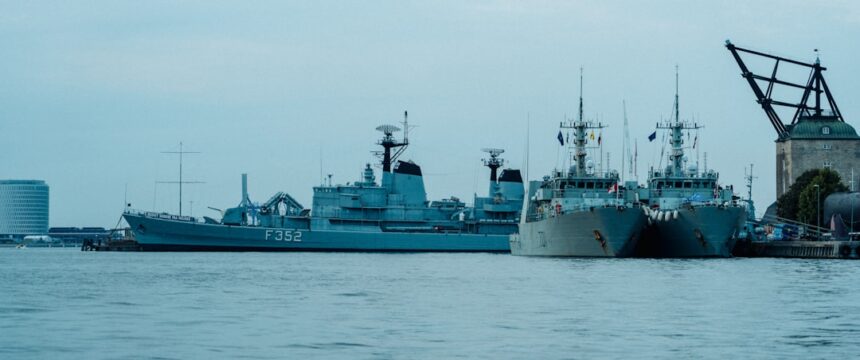
During the Cold War, the United States Navy functioned as a central instrument in the strategic competition between the United States and the Soviet Union. As bilateral tensions increased, the Navy’s responsibilities expanded beyond conventional maritime operations to include deterrence and the projection of military power across global distances. The Navy maintained control over critical shipping routes, protected international commerce, and sustained military presence in strategically important regions worldwide.
This deployment strategy served dual purposes: it addressed national defense requirements and demonstrated American military capability to both allied and opposing nations. The Navy’s operations were particularly significant in the Mediterranean Sea, the Pacific Ocean, and the Arctic region. Through coordinated naval exercises, forward deployments, and multilateral defense agreements, the US Navy worked to prevent Soviet military expansion and provide reassurance to allied nations regarding American security commitments.
During this period, the Navy functioned as both a military institution and a representation of American global power, serving as a key element in the broader containment policy toward Soviet communism.
Key Takeaways
- The US Navy was pivotal in projecting power and containing Soviet influence throughout the Cold War.
- Naval strategy evolved to emphasize nuclear deterrence, rapid response, and technological innovation.
- Maintaining naval superiority was crucial for controlling sea lanes and supporting global alliances.
- Technological advancements, including submarines and missile systems, significantly enhanced naval capabilities.
- Naval intelligence and alliances played key roles in sustaining US dominance and shaping Cold War diplomacy.
The Evolution of Naval Strategy during the Cold War
As the Cold War progressed, naval strategy underwent significant transformations in response to changing geopolitical dynamics and technological advancements. Initially, the focus was on conventional naval warfare, with an emphasis on battleships and aircraft carriers. However, as the threat of nuclear warfare loomed large, the Navy adapted its strategies to incorporate nuclear deterrence as a central tenet.
The introduction of ballistic missile submarines (SSBNs) marked a pivotal shift in naval strategy, allowing for second-strike capabilities that could deter Soviet aggression. Moreover, the Navy began to embrace a more flexible approach to warfare, emphasizing the importance of power projection and expeditionary operations. This evolution was evident in conflicts such as the Korean War and later in Vietnam, where naval forces played crucial roles in supporting ground operations and conducting air strikes.
The development of new technologies, such as guided missiles and advanced radar systems, further transformed naval tactics, enabling the Navy to engage in multi-dimensional warfare that combined air, sea, and land capabilities. The documentary reveals the shocking story of a KGB mole who infiltrated the highest levels of government.
The Importance of Naval Superiority in the Cold War
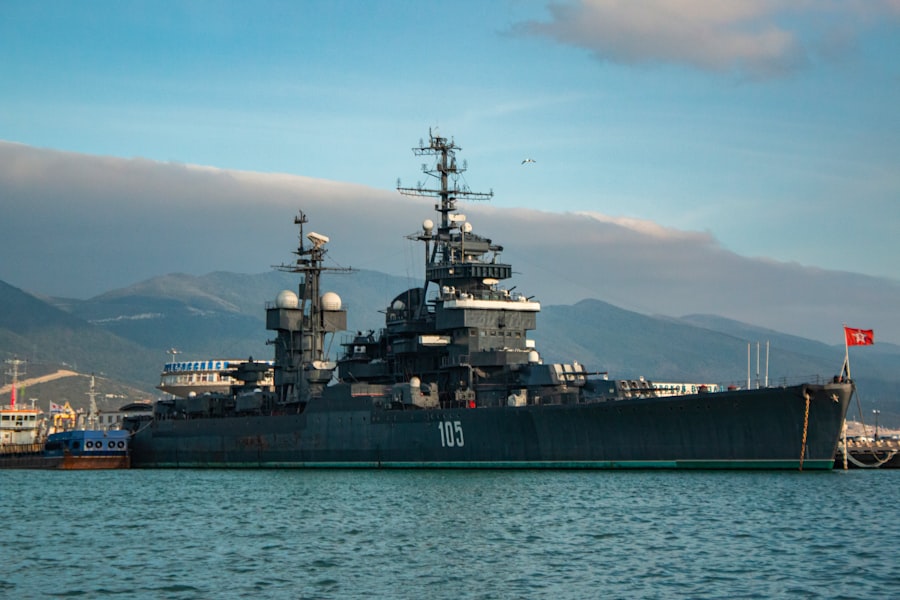
Naval superiority became a cornerstone of American military strategy during the Cold War, as it provided a critical advantage in both deterrence and conflict scenarios. The ability to project power across vast distances allowed the United States to respond swiftly to emerging threats and assert its influence in key regions. Control of the seas was not merely a matter of military might; it was also essential for securing economic interests and maintaining global trade routes.
The Navy’s dominance over maritime domains ensured that adversaries would think twice before challenging American interests. Furthermore, naval superiority served as a psychological tool in the Cold War’s ideological battle. The presence of powerful naval fleets acted as a deterrent against Soviet expansionism and reassured allies of American commitment to collective security.
The Navy’s ability to conduct freedom of navigation operations reinforced international norms and demonstrated that the United States would not shy away from defending its interests. In this context, naval superiority was not just about hardware; it was about projecting strength and resolve on the global stage.
The Impact of Technological Advancements on Naval Superiority
Technological advancements played a transformative role in enhancing US naval superiority during the Cold War. The introduction of nuclear-powered submarines revolutionized naval warfare by providing unprecedented stealth and endurance capabilities. These submarines could remain submerged for extended periods, making them difficult to detect while carrying out strategic deterrent missions.
This technological leap allowed the Navy to maintain a credible second-strike capability against potential adversaries. In addition to submarines, advancements in missile technology significantly altered naval operations. The development of guided missiles enabled ships to engage targets at greater distances with increased accuracy.
Aircraft carriers became floating airbases capable of launching strikes far beyond their immediate vicinity, extending American reach into contested areas. The integration of advanced radar systems and electronic warfare capabilities further enhanced situational awareness and combat effectiveness. As a result, technological innovation became a key driver of naval superiority, allowing the US Navy to adapt to evolving threats and maintain its edge over adversaries.
The Significance of Naval Bases and Alliances in Maintaining Superiority
| Metric | US Navy | Soviet Navy | Significance |
|---|---|---|---|
| Number of Aircraft Carriers (1980s) | 15 | 1 | US maintained global power projection capability |
| Submarine Fleet Size | Over 100 (including nuclear subs) | Approximately 60 | US had superior underwater warfare and deterrence |
| Naval Budget (Annual) | Significantly higher | Lower due to economic constraints | Allowed US to invest in advanced technology and shipbuilding |
| Technological Innovations | Stealth technology, nuclear propulsion, advanced missile systems | Developed but lagged behind US | Maintained US qualitative edge in naval warfare |
| Global Naval Bases | Over 50 worldwide | Limited to Soviet sphere | US had greater logistical reach and rapid deployment ability |
| Naval Personnel | Approximately 600,000 | Approximately 350,000 | Greater manpower supported larger and more complex operations |
The establishment and maintenance of naval bases around the world were crucial for sustaining US naval superiority during the Cold War. These bases provided strategic footholds that facilitated rapid deployment and logistical support for naval operations. Key locations such as Guantanamo Bay in Cuba, Subic Bay in the Philippines, and Diego Garcia in the Indian Ocean became vital hubs for American naval forces, enabling them to project power into critical regions.
Alliances also played an integral role in bolstering US naval capabilities.
The presence of allied navies complemented American forces, creating a formidable coalition that could deter Soviet aggression.
Through these alliances, the US Navy not only strengthened its own capabilities but also fostered a sense of shared responsibility among nations committed to countering communism.
The Role of Naval Intelligence in the Cold War
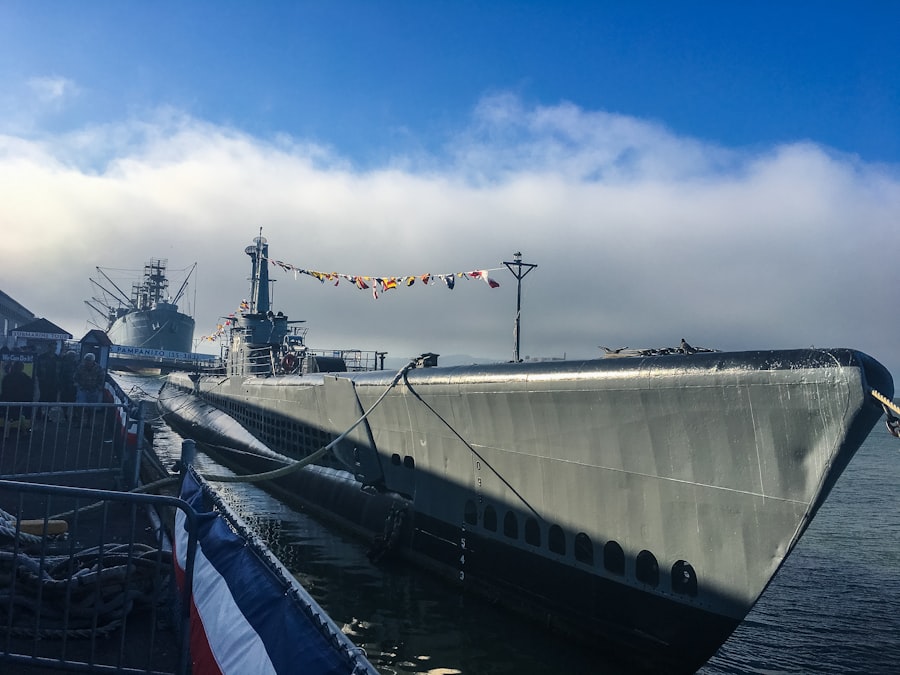
Naval intelligence emerged as a critical component of US strategy during the Cold War, providing essential information that informed decision-making at all levels. The ability to gather intelligence on Soviet naval movements, capabilities, and intentions was paramount for maintaining an edge in maritime operations. The Navy employed various methods, including reconnaissance flights, satellite imagery, and signals intelligence, to monitor Soviet activities and assess potential threats.
Moreover, naval intelligence played a vital role in shaping operational planning and strategy. By understanding enemy capabilities and vulnerabilities, US naval commanders could devise effective countermeasures and optimize resource allocation. This intelligence-driven approach allowed for more informed decision-making during crises, such as the Cuban Missile Crisis, where timely information was crucial for averting conflict.
Ultimately, naval intelligence not only enhanced operational effectiveness but also contributed to broader strategic objectives during this tense period.
The Naval Arms Race and its Effect on the Cold War
The Cold War witnessed an intense naval arms race between the United States and the Soviet Union, characterized by rapid advancements in naval technology and an escalating competition for maritime dominance. Both superpowers invested heavily in expanding their fleets, developing new classes of ships, submarines, and aircraft designed to outmatch their adversaries. This arms race not only fueled military expenditures but also shaped geopolitical dynamics as nations sought to align themselves with one side or another.
The implications of this arms race were profound. It heightened tensions between the superpowers and contributed to an atmosphere of mistrust that permeated international relations during this period. Each side sought to demonstrate its military prowess through displays of force, such as naval exercises and deployments near contested waters.
This competition ultimately influenced diplomatic negotiations and shaped alliances as nations navigated their positions within this polarized environment.
The Influence of Naval Power on Diplomatic Relations during the Cold War
Naval power played a significant role in shaping diplomatic relations during the Cold War, serving as both a tool for coercion and a means of reassurance. The presence of powerful naval fleets often acted as a deterrent against potential aggression from adversaries while simultaneously reassuring allies of American commitment to their security. Naval deployments were frequently accompanied by diplomatic overtures aimed at fostering cooperation or signaling resolve.
Moreover, naval power facilitated engagement with nations around the world through humanitarian missions, joint exercises, and port visits. These interactions helped build relationships with partner nations while promoting stability in regions susceptible to conflict. However, naval power could also exacerbate tensions; confrontations at sea or aggressive maneuvers could lead to diplomatic crises that threatened broader peace efforts.
Thus, while naval power served as an instrument of diplomacy, it also underscored the delicate balance between cooperation and competition during this tumultuous era.
The Role of Naval Operations in Containing Soviet Influence
Naval operations were instrumental in containing Soviet influence throughout the Cold War, particularly in regions where communist expansion posed significant threats to American interests. The Navy conducted various operations aimed at countering Soviet activities in key areas such as Southeast Asia, the Mediterranean Sea, and Latin America. These operations included freedom of navigation missions designed to assert American rights in international waters while challenging Soviet claims.
In addition to direct confrontations at sea, naval operations often supported broader geopolitical strategies aimed at undermining Soviet influence on land. For instance, during conflicts like the Vietnam War, naval forces provided critical support for ground troops through air strikes and logistical assistance. By maintaining a robust naval presence in contested regions, the United States sought to deter Soviet expansionism while reinforcing its commitment to allies facing communist threats.
The Legacy of US Naval Superiority in Shaping the Post-Cold War World
The legacy of US naval superiority during the Cold War has had lasting implications for global security dynamics in the post-Cold War era. As the Soviet Union dissolved and new geopolitical challenges emerged, the United States continued to leverage its naval capabilities to address evolving threats such as terrorism and regional conflicts. The lessons learned from Cold War experiences informed contemporary naval strategies that emphasize flexibility, rapid response capabilities, and coalition-building.
Moreover, US naval superiority has contributed to maintaining stability in key regions around the world by deterring potential aggressors and reassuring allies. The Navy’s ability to project power across vast distances remains a cornerstone of American foreign policy, allowing for swift responses to crises while reinforcing commitments to collective security arrangements. As new challenges arise in an increasingly multipolar world, the legacy of US naval superiority continues to shape strategic thinking and operational planning.
Lessons Learned from US Naval Superiority in the Cold War
The experiences gained from US naval superiority during the Cold War offer valuable lessons for contemporary military strategy and international relations. One key takeaway is the importance of adaptability; as threats evolve over time, so too must military strategies and capabilities. The Navy’s ability to pivot from conventional warfare to nuclear deterrence exemplifies how flexibility can enhance effectiveness in dynamic environments.
Additionally, fostering strong alliances remains crucial for maintaining security in an interconnected world. The collaborative efforts between NATO allies during the Cold War demonstrated that collective action can amplify deterrent capabilities while promoting stability among nations with shared interests. Finally, investing in technological innovation is essential for sustaining military superiority; advancements in areas such as cyber warfare and unmanned systems will be critical for future naval operations.
In conclusion, US naval superiority during the Cold War played a vital role in shaping global dynamics and addressing complex challenges posed by Soviet expansionism. Through strategic adaptations, technological advancements, and collaborative efforts with allies, the Navy established itself as a formidable force that influenced both military outcomes and diplomatic relations throughout this tumultuous period.
The United States’ victory in the Cold War naval race was a pivotal moment in military history, showcasing the importance of technological advancements and strategic naval power. For a deeper understanding of the factors that contributed to this success, you can read more in the article available at In the War Room. This resource provides insights into the naval strategies employed during the Cold War and how they ultimately led to the U.S. emerging as a dominant maritime force.
WATCH THIS 🛑 SHOCKING: The KGB Mole Who Made Every Soviet Submarine Visible
FAQs
What was the Cold War naval race?
The Cold War naval race was a period of intense competition between the United States and the Soviet Union to build and maintain superior naval forces. This competition was part of the broader Cold War rivalry and focused on developing advanced warships, submarines, and naval technology to achieve strategic dominance at sea.
Why was naval power important during the Cold War?
Naval power was crucial during the Cold War because control of the seas allowed for the projection of military force, protection of sea lanes for trade and supply, and the ability to launch nuclear missiles from submarines. Both superpowers sought to ensure their navies could deter or defeat the other in a potential conflict.
How did the US win the Cold War naval race?
The US won the Cold War naval race by investing heavily in technological innovation, maintaining a larger and more versatile fleet, and developing advanced nuclear-powered submarines and aircraft carriers. The US Navy’s focus on power projection, global presence, and superior training also contributed to its dominance.
What role did technology play in the US naval victory?
Technology played a critical role, with the US leading in the development of nuclear-powered submarines, sophisticated sonar and radar systems, and precision-guided weapons. These advancements gave the US Navy a strategic edge in detection, stealth, and strike capabilities.
Did the Soviet Union have any advantages in the naval race?
The Soviet Union had strengths such as a large submarine fleet and advancements in missile technology. However, it lagged behind the US in carrier-based aviation, global naval reach, and the quality of some surface ships, which limited its ability to challenge US naval supremacy fully.
What impact did the US naval victory have on the outcome of the Cold War?
The US naval victory helped ensure control of the seas, supported global military alliances like NATO, and allowed the US to project power worldwide. This naval superiority contributed to the containment of Soviet influence and was a factor in the eventual collapse of the Soviet Union.
Were there any key naval battles during the Cold War?
There were no direct large-scale naval battles between the US and the Soviet Union during the Cold War. Instead, the competition was characterized by strategic posturing, intelligence gathering, and smaller confrontations, such as submarine shadowing and naval blockades.
How did naval strategy evolve during the Cold War?
Naval strategy evolved to emphasize nuclear deterrence through ballistic missile submarines, rapid deployment of carrier strike groups, and anti-submarine warfare. The US Navy focused on maintaining a forward presence and the ability to respond quickly to crises worldwide.
What lessons were learned from the Cold War naval race?
Key lessons include the importance of technological innovation, the value of a balanced and flexible fleet, and the strategic advantage of maintaining global naval presence. The Cold War also demonstrated the role of naval power in deterrence and geopolitical influence.
Is the Cold War naval race still relevant today?
Yes, the Cold War naval race remains relevant as it shaped modern naval doctrines, technologies, and force structures. Current naval competition, especially between the US, Russia, and China, draws on lessons and capabilities developed during the Cold War era.