
The United States has maintained a military presence in Greenland for decades, primarily due to its strategic location in the Arctic region. This presence dates back to World War II when the U.S. established bases to monitor and counter potential threats from Axis powers.
Over the years, the military’s role in Greenland has evolved, with the establishment of Thule Air Base being a significant milestone. Located in the northern part of the island, Thule serves as a critical hub for U.S. operations, including missile warning systems and satellite tracking.
The geopolitical significance of Greenland has only intensified in recent years, as global interest in Arctic resources and shipping routes has surged. However, this military presence has not come without consequences. The environmental impact of military activities in Greenland has raised concerns among local communities, environmentalists, and international observers.
As the U.S. continues to assert its influence in the Arctic, it becomes increasingly important to examine the implications of its military operations on the fragile ecosystems and communities that inhabit this remote region. Understanding the environmental challenges posed by military activities is essential for fostering a sustainable future for Greenland and its inhabitants.
Key Takeaways
- The US military has a significant presence in Greenland, which has raised concerns about its environmental impact.
- Contamination of soil and water has been a major issue due to the disposal of hazardous materials by the military.
- Wildlife and ecosystems in Greenland have been negatively impacted by the military presence.
- Local communities face health risks due to exposure to military waste.
- Efforts to clean up military waste and the need for future sustainability and environmental protection measures are crucial for the well-being of Greenland’s environment and its people.
Overview of Environmental Impact
The environmental impact of U.S. military operations in Greenland is multifaceted, encompassing a range of issues from soil contamination to disruptions in local wildlife habitats. The unique Arctic environment is particularly vulnerable to disturbances, as its ecosystems are finely balanced and adapted to extreme conditions.
The presence of military installations, infrastructure, and activities can lead to significant alterations in land use and natural processes. This disruption can have cascading effects on both the environment and the local communities that rely on these ecosystems for their livelihoods. Moreover, climate change exacerbates these environmental challenges.
As temperatures rise and ice melts, the potential for increased military activity in the region grows, further straining already vulnerable ecosystems. The interplay between military operations and environmental degradation raises critical questions about sustainability and responsibility. It is essential to assess not only the immediate impacts of military activities but also their long-term implications for Greenland’s environment and its people.
Contamination of Soil and Water
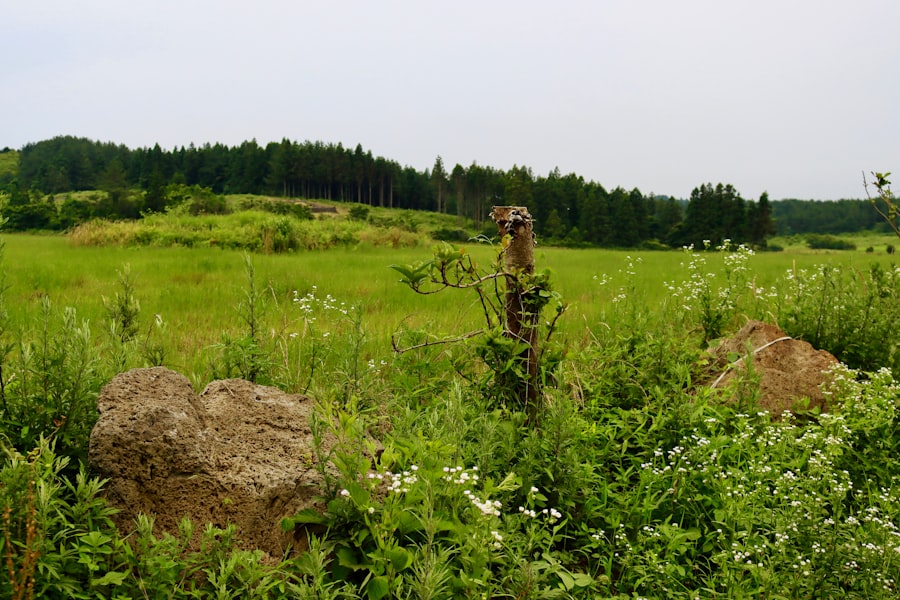
One of the most pressing environmental concerns associated with U.S. military operations in Greenland is the contamination of soil and water resources.
Contaminants such as heavy metals, petroleum products, and other toxic substances have been found in soil samples near military sites, raising alarms about their potential impact on local ecosystems. Water sources are particularly vulnerable to contamination from military activities. The use of firefighting foams containing per- and polyfluoroalkyl substances (PFAS) at military installations has been linked to groundwater pollution.
These chemicals are persistent in the environment and can accumulate in living organisms, leading to serious health risks for both wildlife and humans. The contamination of water resources not only threatens local drinking supplies but also disrupts aquatic ecosystems that are vital for sustaining fish populations and other wildlife.
Disposal of Hazardous Materials
| Year | Amount of Hazardous Materials Disposed (tons) | Disposal Method |
|---|---|---|
| 2020 | 500 | Landfill |
| 2019 | 480 | Incineration |
| 2018 | 520 | Chemical Treatment |
The disposal of hazardous materials has been a significant issue associated with U.S. military operations in Greenland. Historically, many military bases have employed practices that are now recognized as environmentally harmful, such as open burning or dumping waste directly into the environment.
These practices have led to widespread contamination and have raised concerns about the long-term effects on both human health and ecological integrity. Efforts to address hazardous waste disposal have been complicated by the remote location of many military installations in Greenland.
Furthermore, the lack of comprehensive regulations governing hazardous waste disposal in Arctic regions complicates efforts to mitigate environmental damage. As awareness of these issues grows, there is an increasing call for more responsible waste management practices that prioritize environmental protection.
Impact on Wildlife and Ecosystems
The impact of U.S. military operations on wildlife and ecosystems in Greenland cannot be overstated. The Arctic is home to a diverse array of species, many of which are already facing pressures from climate change and habitat loss.
Military activities can further exacerbate these challenges by disrupting migration patterns, breeding grounds, and feeding areas for various wildlife species. For instance, noise pollution from aircraft and vehicles can disturb sensitive species such as migratory birds and marine mammals. Additionally, habitat destruction resulting from military infrastructure development poses a significant threat to local ecosystems.
The construction of roads, buildings, and other facilities can fragment habitats and limit access to essential resources for wildlife. As a result, species that rely on specific habitats may experience population declines or even local extinctions. The interconnectedness of Arctic ecosystems means that the effects of military operations can ripple through food webs, impacting not only individual species but entire ecological communities.
Health Risks for Local Communities
The health risks posed by U.S. military operations extend beyond environmental contamination; they also directly affect local communities in Greenland. Many Indigenous populations rely on traditional subsistence practices that involve hunting, fishing, and gathering from the land and sea.
Contaminated soil and water resources can compromise food safety, leading to potential health issues for those who consume affected wildlife or rely on contaminated water sources. Moreover, exposure to hazardous materials associated with military activities can lead to long-term health consequences for local residents. Studies have shown that communities living near contaminated sites may experience higher rates of certain illnesses, including cancers and reproductive health issues.
The psychological impact of living in proximity to pollution can also contribute to stress and anxiety among community members, further exacerbating health disparities.
Efforts to Clean Up Military Waste
In response to growing concerns about environmental contamination, efforts have been initiated to clean up military waste in Greenland. The U.S. Department of Defense has recognized the need for remediation projects at various sites where hazardous materials have been disposed of improperly or where contamination has occurred due to military activities.
These cleanup efforts aim to restore affected areas and mitigate risks to both human health and the environment. However, challenges remain in effectively implementing cleanup initiatives. The remote nature of many military installations complicates logistics and resource allocation for remediation projects.
Additionally, there may be gaps in funding or regulatory frameworks that hinder progress toward comprehensive cleanup efforts. Collaboration with local communities and stakeholders is essential for ensuring that cleanup initiatives are effective and address the specific needs of those most affected by contamination.
Legal and Regulatory Framework
The legal and regulatory framework governing U.S. military operations in Greenland is complex and often lacks clarity regarding environmental protection standards. While international agreements exist that address environmental issues in the Arctic, enforcement mechanisms can be weak or poorly defined.
This ambiguity can lead to challenges in holding military operations accountable for their environmental impacts. Furthermore, national regulations regarding hazardous waste disposal may not adequately address the unique challenges posed by Arctic environments. As awareness of environmental issues grows, there is an increasing call for stronger legal frameworks that prioritize sustainability and accountability in military operations.
Advocates argue that clearer regulations are necessary to protect both the environment and the rights of Indigenous communities who depend on these ecosystems.
International Cooperation and Diplomatic Efforts
International cooperation is crucial for addressing the environmental challenges posed by U.S. military operations in Greenland. As Arctic regions become increasingly important geopolitically, collaborative efforts among nations are essential for promoting sustainable practices and protecting fragile ecosystems.
Diplomatic initiatives aimed at fostering dialogue between countries with interests in the Arctic can help establish shared goals for environmental protection. Organizations such as the Arctic Council play a vital role in facilitating cooperation among Arctic nations on issues related to environmental sustainability and indigenous rights. By bringing together stakeholders from various sectors, including government agencies, NGOs, and Indigenous communities, these organizations can promote best practices for managing military activities while safeguarding the environment.
Future Sustainability and Environmental Protection Measures
Looking ahead, it is imperative that future sustainability measures prioritize environmental protection in conjunction with military operations in Greenland. This includes adopting more responsible practices for waste disposal, minimizing habitat disruption during construction projects, and implementing rigorous monitoring programs to assess environmental impacts over time. Investing in renewable energy sources for military installations can also contribute to reducing the carbon footprint associated with operations in Greenland.
By transitioning away from fossil fuels and embracing sustainable energy solutions, the U.S. military can demonstrate its commitment to protecting the Arctic environment while fulfilling its strategic objectives.
Conclusion and Call to Action
The U.S. military presence in Greenland presents both opportunities and challenges regarding environmental sustainability. While national security interests remain paramount, it is essential that these interests do not come at the expense of fragile ecosystems or local communities’ health and well-being.
A comprehensive approach that prioritizes environmental protection alongside military operations is necessary for ensuring a sustainable future for Greenland. As awareness grows about the impacts of military activities on the environment, there is an urgent need for action from policymakers, military leaders, and local communities alike. Collaborative efforts aimed at cleaning up contamination, strengthening legal frameworks, and promoting international cooperation will be crucial for safeguarding Greenland’s unique environment for generations to come.
It is time for all stakeholders to come together in pursuit of a shared vision for a sustainable Arctic that respects both national security needs and environmental integrity.
The issue of U.S. military waste in Greenland has garnered significant attention, particularly in light of its environmental impact and the implications for local communities. For a deeper understanding of this topic, you can read more in the article available at In the War Room, which explores the complexities surrounding military operations and their consequences on the environment.
WATCH THIS! Inside Iceworm: America’s Secret Nuclear City Built Under Greenland
FAQs
What is the US military doing in Greenland?
The US military has a presence in Greenland primarily for strategic and defense purposes. The Thule Air Base, located in Greenland, is the US military’s northernmost base and serves as a crucial location for monitoring and responding to potential threats in the Arctic region.
How does the US military impact the environment in Greenland?
The US military’s presence in Greenland has raised concerns about environmental impact, particularly in relation to waste management and potential pollution. The military’s activities, including waste disposal and fuel storage, have the potential to impact the local environment and wildlife.
What kind of waste does the US military generate in Greenland?
The US military in Greenland generates various types of waste, including solid waste, hazardous materials, and potentially radioactive waste. This waste comes from activities such as base operations, maintenance, and research and development.
What measures are in place to address military waste in Greenland?
The US military is required to adhere to environmental regulations and standards in Greenland, including proper waste management and disposal practices. Additionally, there are ongoing efforts to monitor and mitigate the environmental impact of military activities in the region.
What are the concerns regarding military waste in Greenland?
Concerns about military waste in Greenland include potential contamination of soil and water, impact on local wildlife and ecosystems, and long-term environmental consequences. There are also concerns about the transparency and accountability of the military’s waste management practices in the region.