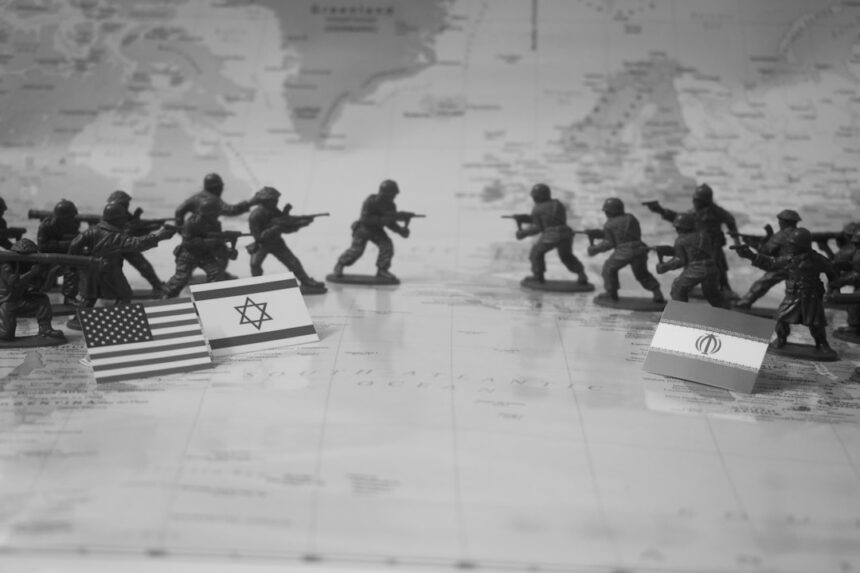
The recent conclusion of a high-stakes simulated war game, codenamed “Operation Iron Spear,” has drawn significant attention, with reports indicating a less than auspicious outcome for the envisioned US-Israeli collaborative effort against a hypothetical Iranian threat. While the exercise was designed to test and refine strategies for a potential conflict scenario, debriefings suggest that the simulation exposed critical vulnerabilities and strategic misalignments, leading to a complex and ultimately unsuccessful projected campaign.
Strategic Imperatives and Threat Assessment
The impetus behind “Operation Iron Spear” stemmed from ongoing geopolitical concerns surrounding Iran’s nuclear program and its regional destabilization activities. United States and Israeli defense planners, having long shared a common concern regarding Tehran’s burgeoning military capabilities and its influence across the Middle East, sought to leverage this joint exercise to assess the efficacy of combined military operations. The simulation aimed to model a multifaceted conflict, encompassing aerial assaults, maritime interdictions, cyber warfare, and unconventional tactics, mirroring perceived Iranian capabilities and potential response mechanisms. The assessment was meticulously constructed to account for a spectrum of Iranian actions, from localized proxy provocations to more direct, albeit simulated, retaliatory strikes. The exercise was not merely a technical endeavor but a strategic dialogue, seeking to build a shared understanding of the evolving threat landscape and to identify areas where technological and doctrinal interoperability could be enhanced.
Objectives and Scope of the Simulation
The primary objectives of “Operation Iron Spear” were multifaceted. Foremost was the evaluation of joint command and control structures, aiming to determine the fluidity and effectiveness of communication and decision-making between American and Israeli military leadership. Another key objective was to assess the real-world applicability of existing joint operational plans, specifically those designed to neutralize Iran’s nuclear infrastructure and to degrade its conventional military capacity. The simulation also sought to probe the effectiveness of advanced technological assets deployed by both nations, including stealth aircraft, sophisticated electronic warfare systems, and precision-guided munitions, against a simulated, albeit determined, adversary. Furthermore, the exercise intended to gauge the strategic implications of various escalation pathways and de-escalation mechanisms, exploring the delicate balance required to achieve military objectives without triggering an uncontrolled regional conflagration. The scope was broad, encompassing not just immediate combat operations but also the broader strategic environment, including potential economic sanctions, diplomatic maneuvers, and the management of international opinion.
The Role of Joint Wargaming
Joint wargaming, as exemplified by “Operation Iron Spear,” serves as a critical tool in the arsenal of modern military strategists. It provides a controlled environment where complex scenarios can be played out without the inherent risks and costs of actual conflict. These exercises allow for the identification of doctrinal shortcomings, technological limitations, and human factor vulnerabilities. By simulating enemy actions and responses, wargames enable military planners to anticipate potential challenges, develop contingency plans, and refine existing strategies. The iterative nature of wargaming allows for continuous improvement, with lessons learned from one simulation informing the design and execution of subsequent exercises. In the context of “Operation Iron Spear,” the joint aspect was paramount, emphasizing the need for seamless integration and a unified strategic vision between two allied forces operating under distinct but complementary command structures. The exercise was a testament to the belief that proactive planning and rigorous testing are indispensable in preparing for scenarios of significant geopolitical consequence.
In light of the recent developments surrounding the US-Israel simulated war with Iran, many analysts are questioning the effectiveness of the exercise and its implications for future military strategies. A related article that delves deeper into this topic can be found at this link, where experts discuss the potential shortcomings of the simulation and what it means for regional stability.
Unforeseen Challenges and Strategic Shortcomings
The “Iranian” Response: A Departure from Expectations
A central theme emerging from the debriefings of “Operation Iron Spear” is that the simulated Iranian response deviated significantly from pre-exercise expectations. While planners had factored in conventional military actions and asymmetric warfare tactics, the simulated adversary proved more adaptable and innovative than anticipated. This included the unexpected deployment of sophisticated cyberattacks that disrupted critical communication networks and logistical chains of the allied forces. Furthermore, the simulated Iranian forces effectively utilized a network of decentralized, agile units, making them difficult targets for conventional airpower and ground operations. The simulation also highlighted a seemingly enhanced ability of the simulated Iranian forces to leverage the complex terrain of the region, engaging in ambushes and hit-and-run tactics that proved effective in attriting simulated allied forces. This aspect of the simulation suggested a degree of resilience and strategic depth that had perhaps been underestimated.
Cyber Warfare and its Disruptive Potential
The simulated Iranian cyber warfare capabilities were a particularly stark revelation. Instead of targeting isolated systems, the simulated attacks were designed to sow widespread confusion and paralysis across the allied command and control infrastructure. This included the disruption of navigation systems, the manipulation of intelligence feeds, and the jamming of secure communication channels. The aftermath of these simulated cyberattacks revealed significant delays in decision-making and a notable degradation of operational tempo for the allied forces. The exercise underscored the fact that cyber warfare is no longer a peripheral concern but a core component of modern conflict, capable of inflicting damage on par with kinetic strikes. The simulation’s outcome pointed to a critical need for enhanced defensive cyber measures and more robust offensive cyber capabilities for the allied forces, as well as a deeper understanding of how to integrate cyber operations into the overall strategic calculus.
Asymmetric Tactics and the Challenge of Protracted Conflict
The simulated use of asymmetric tactics by Iranian proxy forces and irregular units also presented a considerable challenge. These forces, operating with decentralized command and control and often blending with civilian populations, proved adept at conducting persistent, low-level harassment operations. These actions, while not individually decisive, cumulatively imposed a significant strain on allied resources and morale. The simulation indicated that a protracted conflict against a determined adversary employing asymmetric strategies would require a sustained commitment of resources and personnel, with no clear exit strategy or immediate path to decisive victory. This highlighted the potential for a “quagmire” scenario, similar to recent historical conflicts, where technological superiority alone does not guarantee a swift or conclusive outcome. The exercise thus raised questions about the long-term sustainability of such a conflict and its broader regional implications.
In recent discussions surrounding the complexities of U.S.-Israel relations, the simulated war exercises with Iran have raised significant concerns about their effectiveness. A related article delves into the implications of these simulations and highlights the challenges faced by both nations in addressing the evolving threats from Iran. For a deeper understanding of this topic, you can read more in the article available at In The War Room, which offers insights into the potential failures and lessons learned from these military exercises.
Integration Challenges and Interoperability Gaps
Beyond the simulated adversarial actions, “Operation Iron Spear” also exposed inherent challenges in integrating the forces of two distinct military establishments. While the US and Israeli militaries engage in regular joint exercises, the sheer scale and complexity of a simulated conflict with Iran proved to be a more demanding test of interoperability than anticipated. Issues arose concerning the seamless sharing of real-time intelligence, the synchronization of operational tempo across different theaters of operation, and the effective coordination of logistical support. Different command structures, differing operational doctrines, and variations in technological platforms, while addressable in peacetime, created friction points when tested under the intense pressure of a simulated combat scenario. The exercise revealed that the “joint” aspect of the operation, while conceptually sound, required more refinement in practice to achieve true operational synergy.
Command and Control: The Fog of Joint Operations
The simulated fluidity of command and control was a significant stumbling block. While clear lines of authority were established, the simulated chaos of a large-scale conflict, coupled with the aforementioned cyber disruptions, overwhelmed established protocols. Decision-making cycles became extended, leading to missed opportunities and delayed responses. The sheer volume of information, coupled with the need for cross-national validation and approval, created a bottleneck that the simulated Iranian forces were adept at exploiting. The exercise highlighted the critical need for more agile and resilient command structures, capable of functioning effectively even when communication lines are degraded or compromised. Furthermore, the simulation pointed to a need for enhanced cultural understanding and linguistic proficiency within joint command teams to foster more effective and intuitive collaboration.
Logistics and Sustainment in a Contested Environment
The logistical backbone of the simulated allied operations faced considerable pressure. The exercise revealed vulnerabilities in the ability to sustain a prolonged campaign in a potentially contested environment, particularly concerning the timely resupply of munitions, fuel, and critical personnel. The simulated Iranian ability to disrupt sea lanes and air corridors, even in a limited capacity, had a cascading effect on the operational readiness of allied forces. The complexity of coordinating a joint logistical effort, with differing procurement systems and transportation assets, also presented challenges. The simulation underscored the necessity of developing more robust and diversified logistical pathways, capable of withstanding a wider range of adversarial actions and ensuring persistent operational capability.
The Unveiling of Technological Gaps

Air Superiority: A More Contested Domain Than Predicted
While both the United States and Israel possess formidable air forces, “Operation Iron Spear” suggested that achieving and maintaining air superiority against a determined Iranian air defense network and integrated anti-access/area denial (A2/AD) capabilities would be a more challenging endeavor than previously assumed. The simulation revealed that Iran’s perceived integration of advanced Russian and Chinese air defense systems, coupled with its own indigenous developments, created a layered and sophisticated threat. The simulated scenario saw allied aircraft facing increased missile threats, electronic jamming, and the potential for rapid dispersal and concealment of Iranian air assets, making them elusive targets. The exercise indicated that current strategies for achieving air dominance would require further adaptation and the development of new tactics to overcome a more potent and integrated Iranian air defense posture.
Advanced Air Defenses: A formidable Obstacle
The simulation presented a robust and layered Iranian air defense network. This included the simulated deployment of advanced surface-to-air missile (SAM) systems, such as the S-300 and its derivatives, alongside longer-range radar systems. The exercise also incorporated the simulated use of mobile and decentralized air defense units, designed to evade detection and relocation. The allied air forces, even with their advanced electronic warfare capabilities, found themselves expending significant resources and facing greater risk in attempting to penetrate these defenses. The simulation highlighted the need for continuous innovation in suppressing enemy air defenses (SEAD) tactics and the development of new platforms specifically designed to counter these advanced threats. The exercise suggested that the era of unchallenged air superiority might be evolving, demanding a more cautious and nuanced approach.
The Challenge of Stealth and Electronic Warfare
While stealth technology and electronic warfare (EW) are significant assets for the allied forces, the simulation indicated that the Iranian military had developed countermeasures and tactics to mitigate their effectiveness. This included the development of more sophisticated radar systems capable of detecting stealth aircraft at reduced ranges and the deployment of advanced electronic jamming capabilities designed to disrupt allied EW systems. The simulated Iranian forces also demonstrated an ability to adapt their electronic signatures and to employ decoys, adding to the complexity of identifying and targeting genuine threats. The exercise underscored the ongoing “cat and mouse” nature of technological development in military aviation, suggesting that even the most advanced technologies require continuous evolution to maintain their tactical advantage.
Naval Operations: Vulnerabilities in Maritime Chokepoints
“Operation Iron Spear” also brought to light potential vulnerabilities in naval operations, particularly in defending critical maritime chokepoints such as the Strait of Hormuz. The simulation depicted a scenario where Iranian naval forces, including fast-attack craft and submarines, supported by anti-ship missile batteries, could pose a significant threat to allied shipping and naval assets. The sheer density of the strait and the potential for swarming tactics by smaller, agile vessels presented a considerable challenge for larger warships to intercept effectively. Furthermore, the simulation explored the potential for mining operations and the use of asymmetric tactics to disrupt maritime traffic, underscoring the precariousness of maintaining open sea lanes in a conflict scenario.
The Strait of Hormuz: A Strategic Vulnerability
The Strait of Hormuz, a vital global oil transit route, was a focal point of the naval simulation. The exercise illustrated how Iran could leverage its geographic position and asymmetric naval capabilities to threaten Allied and commercial shipping. The potential for the deployment of numerous small, fast attack craft, armed with anti-ship missiles, created a scenario where Allied naval forces could face a distributed and difficult-to-counter threat. The simulation also explored the potential for Iranian forces to deploy mines, effectively creating a minefield that would necessitate extensive and time-consuming clearance operations, thereby significantly disrupting maritime traffic and the flow of resources. This highlighted the critical need for robust naval presence and sophisticated mine-countermeasure capabilities in this strategically sensitive region.
Anti-Ship Missile Networks and Subsurface Threats
The simulated Iranian anti-ship missile networks, both land-based and sea-based, were portrayed as a significant threat to Allied naval operations. The exercise demonstrated how these missiles, coupled with advanced targeting systems, could pose a credible risk to even the most modern warships. Furthermore, the simulation incorporated the potential for Iranian submarines, both conventional and potentially more advanced, to operate in the region, presenting a persistent subsurface threat. The challenge of detecting and neutralizing these submarine threats, particularly in the complex acoustic environment of the Persian Gulf, was highlighted as a critical area requiring further attention and technological development. The exercise suggested that current methods of anti-submarine warfare might require enhancement to effectively counter this evolving threat.
Lessons Learned and Future Implications

Re-evaluation of Strategic Posture
The outcomes of “Operation Iron Spear” have initiated a significant re-evaluation of the strategic posture towards Iran. The simulation’s results suggest that a purely kinetic approach may not be sufficient and could lead to unintended consequences, including prolonged conflict and regional destabilization. The exercise has prompted defense planners on both sides to consider a more nuanced approach that integrates diplomatic, economic, and informational tools alongside military options. The emphasis has shifted from a perceived “smash and grab” operation to a more comprehensive strategy that aims to deter aggression while simultaneously managing the complex political and economic dimensions of the region. This re-evaluation is ongoing and is likely to shape future defense budgets and strategic planning for years to come.
The Dangers of Overreliance on Military Solutions
A key takeaway from the simulation is the recognition of the inherent dangers of overreliance on military solutions to complex geopolitical problems. The exercise demonstrated that military action, while a potent tool, can have unpredictable and far-reaching consequences if not carefully calibrated and integrated with other instruments of national power. The simulated protracted conflict and the potential for regional escalation served as a stark reminder that military objectives must be carefully balanced against broader strategic goals, including the preservation of stability and the avoidance of humanitarian crises. The exercise thus encouraged a more holistic approach to national security strategy.
The Imperative for Enhanced Cyber Defense and Offense
The simulated Iranian cyber capabilities have underscored the urgent need for both enhanced cyber defense and offensive cyber capabilities within the US and Israeli military establishments. The exercise served as a wake-up call, highlighting the vulnerability of critical infrastructure to digital attacks and the potential for widespread disruption. This has spurred increased investment in cybersecurity technologies, the development of specialized cyber warfare units, and the integration of cyber considerations into all levels of military planning. The simulation also pointed to the necessity of proactively developing offensive cyber capabilities that can be employed to deter or neutralize threats before they materialize. The race to stay ahead in the cyber domain has been significantly amplified by the findings of “Operation Iron Spear.”
Proactive Measures and Intelligence Gathering
The simulation has solidified the understanding that proactive measures are essential in the cyber domain. Instead of merely reacting to attacks, the US and Israeli militaries are now emphasizing intelligence gathering and the identification of potential threats before they are launched. This includes investing in advanced threat intelligence platforms, fostering greater collaboration between intelligence agencies and military units, and developing sophisticated methods for monitoring and analyzing digital traffic for signs of malicious intent. The exercise has reinforced the notion that a successful cyber strategy requires a forward-leaning and preemptive approach.
Rethinking Joint Operations and Interoperability
The lessons learned from “Operation Iron Spear” regarding joint operations and interoperability are profound. The exercise has highlighted areas where procedural inefficiencies and technological incompatibilities can significantly impede operational effectiveness. This has led to renewed efforts to standardize communication protocols, develop more integrated command and control systems, and conduct more realistic and comprehensive joint training exercises. The focus is now on creating a truly seamless integration of forces, where differences in doctrine and technology become secondary to a shared operational vision and synchronized execution. This endeavor is seen as critical for presenting a united and formidable front against any future threats.
Standardization and Technological Integration
The challenge of standardization and technological integration has become a paramount concern. The simulation has exposed the need for greater harmonization of equipment, software, and operational procedures between the US and Israeli forces. This includes identifying common platforms where feasible, developing robust interfaces for disparate systems, and ensuring that training regimens are synchronized to foster a unified operational culture. The goal is to move beyond mere compatibility to a state of true integration, where the combined forces can operate as a single, cohesive entity.
In conclusion, “Operation Iron Spear,” while concluding with a projected failure for the simulated US-Israeli campaign against Iran, represents a crucial, albeit sobering, learning experience. The insights gained from this exercise are expected to inform future strategic planning, drive technological innovation, and ultimately strengthen the defensive capabilities and resilience of both nations in the face of evolving regional threats. The simulation has provided valuable data, forcing a pragmatic reassessment of capabilities and strategies moving forward.
FAQs
What was the simulated war between the US, Israel, and Iran?
The simulated war was a military exercise conducted by the US and Israel to simulate a potential conflict with Iran. It involved various scenarios and strategies to prepare for potential real-world situations.
What were the objectives of the simulated war?
The objectives of the simulated war were to test military readiness, coordination between the US and Israel, and to assess potential outcomes and strategies in the event of a conflict with Iran. It aimed to improve preparedness and response capabilities.
What were the results of the simulated war?
The simulated war reportedly ended in failure, with the US and Israel unable to effectively counter the simulated Iranian attacks. The exercise highlighted potential weaknesses and areas for improvement in military strategies and coordination.
How did Iran respond to the simulated war?
Iran condemned the simulated war as a provocative and aggressive act by the US and Israel. Iranian officials criticized the exercise as a threat to regional stability and reiterated their commitment to defending their sovereignty and national security.
What are the implications of the failure of the simulated war?
The failure of the simulated war raises concerns about the readiness and effectiveness of US and Israeli military strategies in potential conflicts with Iran. It underscores the need for further assessment and improvement in military preparedness and coordination.