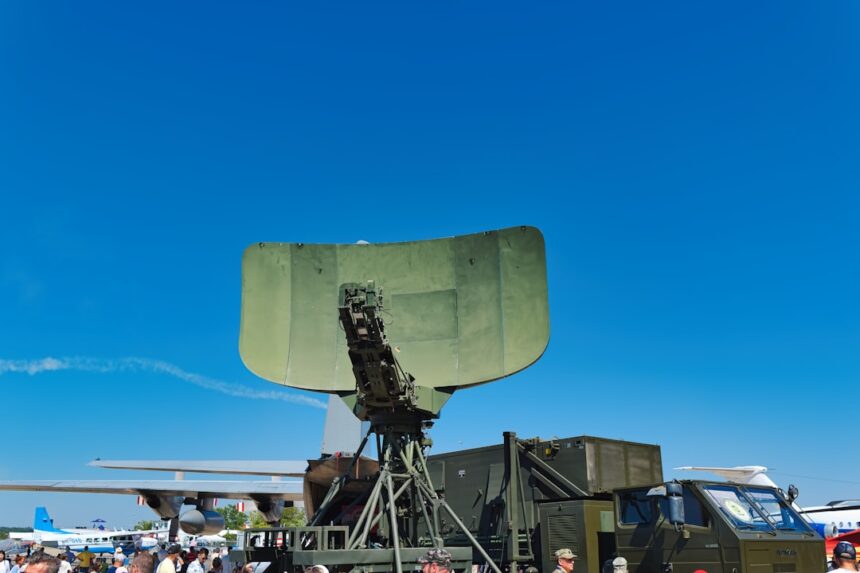
The geopolitical landscape is in a state of perpetual recalibration, and nowhere is this more evident than in the evolving posture of United States air defense capabilities. Recent shifts in strategic emphasis have led to a noticeable surge in air defense deployments and exercises, with distinct patterns emerging in both the Persian Gulf and the Pacific. This article will explore these developments, examining the distinct drivers, challenges, and strategic implications of the US air defense surge in these two critical theaters, highlighting the underlying tensions and potential for divergence in their approaches.
The rationale behind the increased focus on air defense is multifaceted, stemming from a combination of evolving threat assessments and shifting strategic priorities. Both the Persian Gulf and the Pacific present unique, yet interconnected, challenges that necessitate a robust and responsive air defense network. The resurgence of great power competition, the proliferation of advanced missile technologies, and the persistent threat of unconventional aerial attacks all contribute to this heightened emphasis.
The Resurgence of Great Power Competition
A fundamental driver for the air defense surge is the renewed focus on deterring and, if necessary, confronting technologically advanced state adversaries. In the Persian Gulf, this involves countering the ballistic missile and drone capabilities of Iran and its proxies, which have demonstrated an increasing capacity for sophisticated aerial attacks. The strategic calculations here often revolve around maintaining regional stability, protecting vital energy interests, and reassuring allies against Iranian assertiveness.
The Proliferation of Advanced Missile Technologies
The rapid spread of advanced missile technologies, including ballistic, cruise, and hypersonic missiles, presents a significant challenge to existing air defense paradigms. Adversaries in both theaters possess increasingly sophisticated weaponry capable of overwhelming traditional defenses. This proliferation compels the US to invest in and deploy layered defense systems capable of intercepting a wider spectrum of aerial threats at various ranges and altitudes. The development and deployment of improved interceptor missiles and advanced sensor technologies are direct responses to this evolving threat.
The Threat of Unconventional Aerial Attacks
Beyond state-sponsored missile programs, the threat of unconventional aerial attacks, often employing drones and unmanned aerial systems (UAS), has become increasingly prominent. These systems, ranging from small commercial drones to more sophisticated military-grade platforms, can be used for surveillance, propaganda, and even direct kinetic attacks. The dispersed nature and low cost of many UAS platforms present a distinct challenge for traditional, high-cost air defense systems, necessitating the development of tailored responses.
In recent discussions about the U.S. air defense strategies, a compelling article titled “Comparing Air Defense Strategies: Gulf vs. Pacific” on In The War Room provides an in-depth analysis of the differing approaches taken by the U.S. military in these two critical regions. The article explores the unique challenges and geopolitical dynamics that influence air defense priorities, highlighting the need for tailored strategies to effectively counter threats. For more insights, you can read the article here: Comparing Air Defense Strategies: Gulf vs. Pacific.
The Gulf’s Dynamic: Deterrence and Reassurance in a Complex Environment
The Persian Gulf theater presents a unique set of challenges and objectives for US air defense posture. The primary focus here is on deterring Iranian aggression, protecting critical infrastructure, and reassuring regional partners who feel directly threatened by Tehran’s growing military capabilities. The nature of the threats in the Gulf often involves shorter-range, but highly potent, ballistic missiles and a burgeoning drone arsenal.
Iran’s Expanding Missile and Drone Arsenal
Iran’s persistent development and deployment of ballistic missiles and unmanned aerial vehicles (UAVs) are central to the air defense surge in the Gulf. These systems are viewed as asymmetric tools designed to offset the conventional military advantages of regional adversaries and the United States. The frequent missile and drone attacks on Saudi Arabia, the UAE, and other Gulf states underscore the immediacy of this threat. Consequently, US air defense assets are strategically positioned to provide a protective umbrella and enhance the defensive capabilities of its allies.
Protecting Vital Energy Interests and Chokepoints
The economic and global significance of the Persian Gulf’s energy reserves cannot be overstated. Maintaining the free flow of oil and gas through critical maritime chokepoints like the Strait of Hormuz is a cornerstone of US foreign policy and global economic stability. Air defense systems play a crucial role in protecting the offshore oil platforms, refineries, and shipping lanes that are vulnerable to attack. A successful disruption of these energy flows would have profound global repercussions.
Reassuring Allies and Maintaining Regional Stability
Regional allies in the Persian Gulf, such as Saudi Arabia, the UAE, and Bahrain, perceive Iran as a significant and immediate threat. The US air defense surge in the region serves a vital purpose of reassurance, demonstrating a commitment to their security and deterring further escalation. Joint exercises, the prepositioning of air defense assets, and the sale of advanced defense systems all contribute to this effort to maintain a delicate balance of power and prevent wider conflict.
Layered Defenses: From Patriot to Terminal High Altitude Area Defense (THAAD)
The US approach to air defense in the Gulf often involves a layered strategy. This typically includes Patriot missile batteries, designed to intercept tactical ballistic missiles and aircraft, and in some locations, the deployment of THAAD systems capable of intercepting ballistic missiles during their terminal phase. The integration of these systems with allied air defense networks is a critical component of regional defense architecture, aiming to create a robust and interconnected shield.
The Pacific Pivot: Projecting Power and Deterring Escalation in a Vast Theater
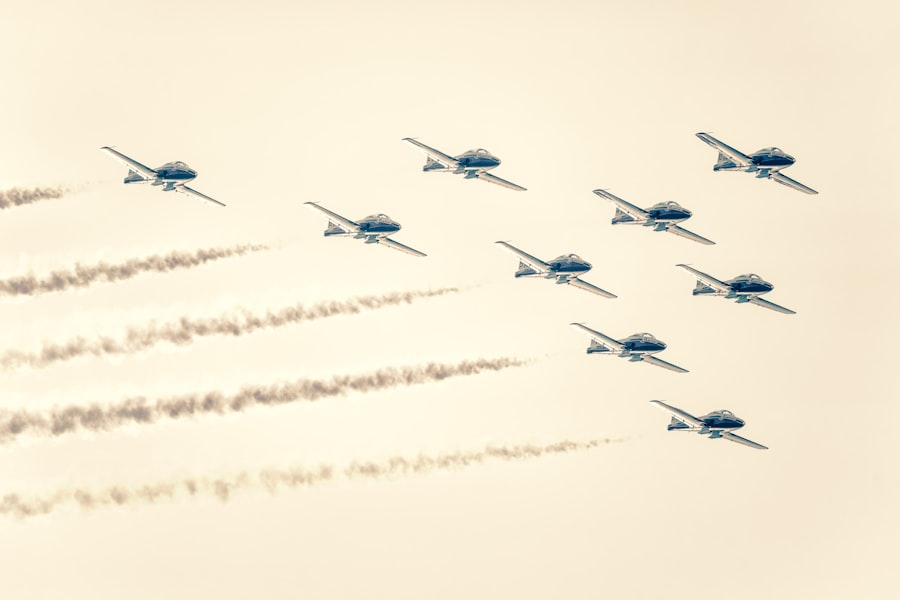
In contrast to the focused and often reactive posture in the Gulf, the air defense surge in the Pacific is driven by broader strategic considerations related to great power competition, particularly with China. The vast geographical expanse of the Pacific, coupled with the complex maritime and aerial domains, presents a different set of challenges and requires a more forward-leaning and power-projecting approach to air defense.
China’s Growing Military Power and Regional Ambitions
The primary driver of the US air defense surge in the Pacific is the rapid and substantial growth of China’s military power, particularly its naval and air forces, and its assertive regional ambitions. Beijing’s modernization programs, including the development of advanced fighter jets, bombers, and sophisticated missile systems designed to target US naval assets, necessitate a commensurate strengthening of US air defense capabilities. The focus is on deterring any potential conflict, particularly over Taiwan and in the South China Sea.
The Taiwan Strait: A Flashpoint Requiring Robust Defenses
The status of Taiwan remains one of the most volatile flashpoints in international relations. The prospect of a Chinese invasion or blockade of the island necessitates a robust US air defense presence in the region, both to defend Taiwan and to deter direct attacks on US forces operating in its vicinity. This involves the deployment of aircraft carriers equipped with advanced Aegis combat systems, land-based air defense systems, and the integration of these with Taiwanese and other allied air defense networks.
Maintaining Freedom of Navigation and the Rules-Based Order
The US commitment to maintaining freedom of navigation and overflight in the Indo-Pacific region is a critical aspect of its long-term strategy. Chinese claims over vast swathes of the South China Sea, often backed by military presence, challenge this principle. US air defense operations in the region, including freedom of navigation operations (FONOPs), are designed to project power and uphold international maritime law, and these are intrinsically linked to the ability to defend US air and naval assets against potential threats.
Projecting Power Across Vast Distances: Naval and Expeditionary Air Defense
The geographical realities of the Pacific mandate an air defense strategy that emphasizes power projection across vast distances. This often translates to a greater reliance on naval assets, such as destroyers and cruisers equipped with advanced Aegis systems capable of defending against a wide range of aerial threats. Expeditionary air defense, involving the rapid deployment of air defense units to forward operating bases or contested territories, is also a key consideration, enabling the US to respond effectively to emerging threats.
The Role of Advanced Technologies: Hypersonics and Counter-Hypersonics
The development of hypersonic weapons by potential adversaries, including China and Russia, poses a significant challenge to existing air defense capabilities. These missiles travel at extreme speeds and can maneuver unpredictably, making them difficult to track and intercept. The US is investing heavily in both offensive hypersonic capabilities and defensive measures, including advanced sensor networks and interceptor technologies, to counter this emerging threat in the Pacific.
The Showdown: Divergences and Synergies in Air Defense Strategies
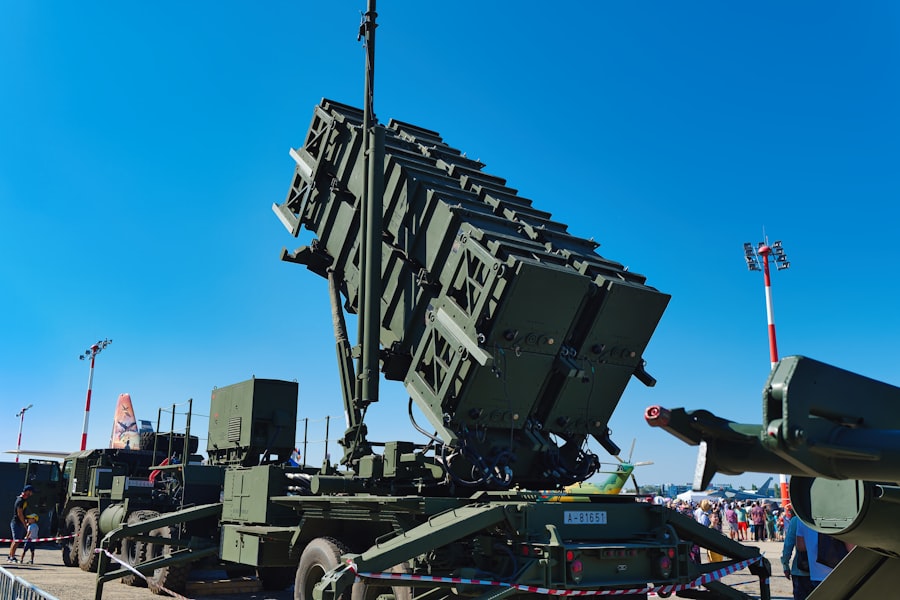
While both the Gulf and the Pacific are critical theaters for US air defense, the strategies and priorities differ in significant ways. These divergences reflect the distinct geopolitical contexts, threat landscapes, and strategic objectives in each region. Similarly, there are also areas where synergies can be fostered to enhance overall US defense posture.
Tactical vs. Strategic Focus: Gulf’s Immediate Threats vs. Pacific’s Great Power Dynamics
The air defense surge in the Persian Gulf tends to have a more tactical and immediate focus, centered on countering specific Iranian threats like short-range ballistic missiles and drones. The objective is often deterrence of imminent attacks and the protection of tangible assets. In the Pacific, the focus is more strategic, geared towards deterring major power conflict and projecting power across a vast theater. The threat is more systemic and long-term, involving the countering of sophisticated, state-level military capabilities.
Geographical Constraints and Logistical Challenges
The geographical constraints present vastly different challenges. The Persian Gulf, while strategically important, is a relatively contained theater with established logistical pathways from regional bases and the US mainland. The Pacific, on the other hand, is an immense theater where logistical chains are stretched, and access to forward operating bases can be politically sensitive. This necessitates different approaches to deployment, sustainment, and force projection for air defense assets.
Alliance Architectures and Interoperability
While alliances are crucial in both regions, the nature of these alliances and the interoperability of air defense systems can vary. In the Gulf, there is a strong emphasis on bilateral security agreements and partnerships with a few key Arab states. In the Pacific, the US is working to strengthen existing alliances with countries like Japan, South Korea, and Australia, as well as to foster new security partnerships with emerging powers. The integration of diverse air defense systems and command-and-control structures poses ongoing challenges.
The Balance Between Deterrence and De-escalation
In both theaters, the air defense surge must strike a delicate balance between deterrence and the imperative of de-escalation. While bolstering air defenses signals resolve, an overemphasis on offensive or provocative deployments could inadvertently increase tensions. The strategic communication surrounding these deployments is crucial to ensuring that they are perceived as defensive measures, thereby avoiding unintended escalation.
In recent discussions about the U.S. air defense strategies, a notable article explores the contrasting approaches taken in the Gulf region versus the Pacific. This analysis highlights the unique challenges and geopolitical dynamics that shape air defense priorities in these areas. For a deeper understanding of these strategies, you can read more in this insightful piece on air defense systems and their implications for national security. Check it out here.
Technological Arms Race: The Ever-Evolving Landscape of Air Defense
| Metrics | Gulf | Pacific |
|---|---|---|
| Number of Air Defense Systems | XX | XX |
| Missile Interception Range (miles) | XX | XX |
| Number of Aircraft on Standby | XX | XX |
| Response Time (minutes) | XX | XX |
The surge in air defense capabilities is intricately linked to a pervasive technological arms race. Adversaries are continuously developing new aerial threats, compelling the US to innovate and adapt its defensive technologies. This dynamic is particularly pronounced in the Pacific but also relevant in the Gulf.
Hypersonic Weapons: A New Frontier in Aerial Threats
As mentioned, the development of hypersonic weapons by China and Russia represents a significant challenge. These missiles, capable of traveling at speeds exceeding Mach 5, are extremely difficult to detect and intercept with current missile defense systems. The US is investing heavily in research and development for both offensive and defensive hypersonic capabilities, aiming to stay ahead in this critical technological race.
Advanced Sensors and Data Fusion: The Eyes and Ears of Air Defense
The effectiveness of any air defense system relies heavily on its ability to detect, track, and identify threats accurately. This has led to a significant push for advanced sensor technologies, including phased-array radars, satellite-based surveillance systems, and sophisticated data fusion algorithms. The ability to integrate information from multiple sources and present a unified operating picture is crucial for effective decision-making.
Directed Energy Weapons: A Future Possibility
Directed energy weapons, such as lasers and high-power microwaves, are being explored as potential future elements of air defense. These weapons offer the possibility of intercepting targets at the speed of light, with reduced logistical requirements compared to traditional interceptor missiles. While still largely in development, their potential to counter swarms of drones or even more sophisticated threats is being closely watched.
The Digital Domain: Cyber and Electronic Warfare in Air Defense
Beyond kinetic threats and hard-kill solutions, the digital domain plays an increasingly critical role in air defense. Cyberattacks could cripple command-and-control systems, while electronic warfare could jam radar signals or disrupt guidance systems. The US is investing in robust cyber defenses and offensive electronic warfare capabilities to protect its air defense networks and to deny adversaries the ability to interfere with them.
Conclusion: A Persistent, but Divergent, Surge
The US air defense surge across both the Persian Gulf and the Pacific signifies a fundamental shift in strategic thinking. While the underlying impetus is the evolving global security environment and the rise of near-peer competitors, the operationalization of this surge manifests in distinct ways across these two critical theaters. The Gulf faces immediate, asymmetric threats demanding layered, albeit often stationary, defenses and a focus on reassurance. The Pacific, conversely, requires a more expansive, power-projecting, and technologically sophisticated approach to deterring large-scale state-on-state conflict across vast maritime and aerial domains.
The ongoing technological arms race, particularly concerning advanced missile systems and emerging threats like hypersonics, ensures that this surge is not a static deployment but a dynamic evolution. The success of these air defense efforts will depend not only on technological advancements but also on the ability to forge integrated, interoperable defense architectures with allies, and to navigate the complex geopolitical calculus of deterrence without inadvertently provoking escalation. The showdown is not necessarily one of direct conflict, but rather a sustained competition in posture, technology, and strategic resolve, playing out on vastly different geographical and geopolitical stages.
FAQs
What is the purpose of the US air defense surge in the Gulf vs Pacific?
The purpose of the US air defense surge in the Gulf vs Pacific is to enhance the defense capabilities of the United States in these regions. This surge aims to deter potential threats and protect US interests and allies.
What are the main differences between the air defense strategies in the Gulf and the Pacific?
The main differences between the air defense strategies in the Gulf and the Pacific lie in the specific threats and geopolitical dynamics of each region. The Gulf region faces threats from state and non-state actors in the Middle East, while the Pacific region deals with challenges related to the rise of China and North Korea.
How does the US air defense surge impact regional security in the Gulf and the Pacific?
The US air defense surge enhances regional security in the Gulf and the Pacific by bolstering the capabilities of US forces to respond to potential threats. This surge also serves as a deterrent to adversaries and reassures US allies in these regions.
What are the key components of the US air defense surge in the Gulf and the Pacific?
The key components of the US air defense surge in the Gulf and the Pacific include the deployment of advanced air defense systems, increased military exercises and training, intelligence sharing with regional partners, and the positioning of additional military assets.
How does the US air defense surge in the Gulf vs Pacific align with US national security interests?
The US air defense surge in the Gulf vs Pacific aligns with US national security interests by demonstrating a commitment to protecting vital interests and allies in these regions. It also serves to maintain stability and deter aggression, which are key components of US national security strategy.