The US Navy’s Ghost Fleet: A Chronicle of Decommissioned Giants
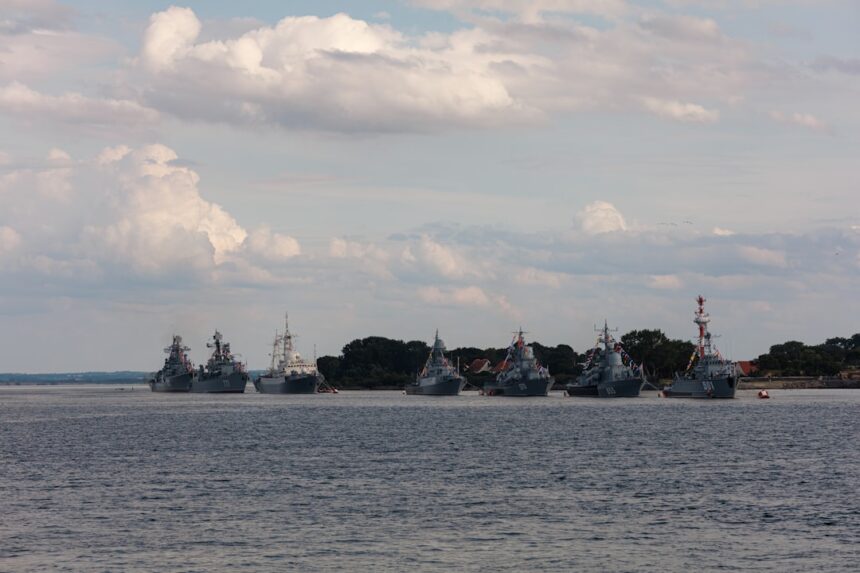
For decades, the United States Navy has maintained a unique and formidable collection of vessels far beyond the active combat fleet. Not comprised of operational warships, this armada represents a pivotal phase in their lifecycle: retirement. These are the ships that have served their purpose, fulfilled their missions, and now await their ultimate fate. Termed the “Ghost Fleet” by many, this repository of decommissioned naval assets is a testament to technological evolution, strategic shifts, and the enduring challenges of naval asset management. It is a vast, often out-of-sight, but undeniably significant component of the US maritime landscape.
The concept of a reserve fleet for naval vessels is not a new one. Historically, navies have always had a need for vessels that are not actively engaged in combat but can be reactivated in times of crisis or used for training and experimental purposes. The modern iteration of the US Navy’s Ghost Fleet has its roots in the post-World War II era, when a massive number of ships were decommissioned en masse. The need for organized storage and maintenance for these vessels led to the establishment of specialized facilities.
World War II Legacy and the Rise of Reserve Fleets
The sheer scale of naval shipbuilding during World War II created an unprecedented surplus of vessels. Following the war, the US Navy found itself with a considerable number of ships, from aircraft carriers and battleships to destroyers and landing craft, that were no longer strategically essential for the prevailing geopolitical climate. To avoid a complete dismantling of these assets and to retain the capacity for rapid expansion, the Navy established large reserve fleets. These fleets served multiple purposes:
- Rapid Mobilization: In the event of future conflicts, these ships could be brought back into service, significantly reducing the time and resources required to build new vessels.
- Training and Experimentation: Some ships served as targets for weapons testing, others as training platforms for naval crews undergoing specialized instruction in certain types of vessels or systems.
- Material Salvage: Components from older ships could be salvaged for use in newer vessels or for spare parts, contributing to the maintenance of the active fleet.
Evolution of Strategic Imperatives
Over time, the strategic role and composition of the Ghost Fleet have evolved. The advent of nuclear power, guided missiles, and advanced electronics necessitated a constant modernization of the active fleet. Older, less capable ships were retired, often adding to the reserve fleet’s numbers. The Cold War, with its prolonged period of tension, saw a greater emphasis on maintaining a ready reserve. However, as the global security landscape shifted, so too did the Navy’s approach to its retired assets.
The Modern Ghost Fleet: Beyond Just Storage
Today, the term “Ghost Fleet” is often associated with the National Defense Reserve Fleet (NDRF), managed by the U.S. Department of Transportation’s Maritime Administration (MARAD). While the Navy maintains its own reserve fleet for its vessels, MARAD’s NDRF encompasses a broader range of government-owned vessels, including merchant ships essential for national defense. The Navy’s contribution to this broader concept involves the disposition of its obsolete warships. The purpose of these vessels in modern times has shifted, with a greater emphasis on eventual disposal through scrapping, sinking for artificial reefs, or sale for specific purposes.
The concept of the US Navy’s ghost fleet, a collection of decommissioned ships that can be rapidly reactivated in times of crisis, is an intriguing development in modern naval strategy. For a deeper understanding of this topic, you can explore a related article that discusses the implications and operational capabilities of the ghost fleet in detail. Check it out here: In the War Room.
The Naval: The James River Reserve Fleet
Among the most iconic and visually striking elements of the US Navy’s Ghost Fleet is the fleet anchored on the James River in Virginia. This location has served as a primary holding ground for decommissioned warships for decades, becoming synonymous with the concept of a ghost fleet. The sheer number and variety of vessels historically congregated here offer a tangible representation of the Navy’s past might and its continuous evolution.
A Monument to Naval History
The James River Reserve Fleet, often referred to as the “Mothball Fleet,” was a repository for some of the most significant warships in American naval history. Battleships, cruisers, destroyers, and aircraft carriers, many of which saw action in major conflicts, rested along the riverbanks. These vessels, once gleaming symbols of power projected across the globe, were stripped of their operational capabilities but maintained in a state of preservation, ready for potential reactivation.
Operational Procedures and Preservation Methods
The process of bringing a ship into the reserve fleet was and, in some historical contexts, remains a methodical undertaking.
- Decommissioning and Stripping: Ships designated for reserve status were first decommissioned, meaning they were formally removed from the active fleet. Essential combat systems, sensitive electronics, and valuable materials were removed.
- Preservation Techniques: To prevent deterioration, ships were typically berthed in a layer of oil or grease, a practice known as “mothballing.” This coating, applied to internal machinery and crucial components, aimed to protect them from rust and corrosion. The climate of the James River, while not ideal, was manageable for such preservation efforts.
- Tending and Maintenance: A dedicated crew was responsible for maintaining the ships in the reserve fleet. This involved regular inspections, pumping out bilge water, and ensuring the integrity of the hull and preservation coatings. This ongoing maintenance was critical to keeping the ships in a state of readiness for an extended period.
The Gradual Dissolution of the James River Fleet
In recent years, the James River Reserve Fleet has seen a significant reduction in its number of vessels. Driven by changes in naval strategy, the increasing cost of maintaining aging vessels, and the environmental considerations associated with maritime preservation, the Navy has been actively divesting itself of these ships. Many have been sold for scrap, while others have found new lives through various disposal programs. This gradual dissolution marks the end of an era for this particular congregation of decommissioned warships.
The Battleships: Giants of a Bygone Era

Among the most imposing and historically significant vessels within the broader context of the Ghost Fleet have been the battleships. These leviathans of the sea, once the undisputed rulers of naval warfare, represent a distinct chapter in military technology and strategy. Their gradual retirement and eventual disposition highlight the rapid pace of technological advancement in naval warfare.
The Rodney and the Iowa Classes: Symbols of Power Projection
The Iowa-class battleships, such as the USS Iowa, USS New Jersey, USS Missouri, and USS Wisconsin, are perhaps the most recognizable examples of the Navy’s capital ships that have found their way into reserve or eventual disposal. These ships, commissioned in the late 1930s and early 1940s, were the pinnacle of battleship design, bristling with heavy gun armament and armored to withstand significant damage.
- Firepower and Defense: Their primary armament of 16-inch guns could deliver devastating barrages, capable of engaging enemy ships and providing shore bombardment. Their thick armor belts were designed to deflect enemy shells.
- Service History: These battleships played crucial roles in World War II, the Korean War, and, in some cases, saw limited reactivation during the Cold War. Their presence symbolized American naval dominance.
From Active Duty to Silent Sentinels
The decision to decommission and place these battleships into reserve status was driven by several factors:
- Technological Obsolescence: The rise of aircraft carriers as the primary naval strike platform and the development of guided missiles rendered the battleship’s main gun armament less strategically relevant in many scenarios.
- Cost of Operation and Maintenance: Maintaining and operating these massive vessels was incredibly expensive, particularly in an era of budget constraints and shifting defense priorities.
- Strategic Reorientation: The Navy’s focus shifted towards a more mobile and technologically advanced fleet, emphasizing speed, missile warfare, and air power.
New Lives for Old Warships: Museums and Memorials
While many battleships have been scrapped, a notable number have been preserved as museum ships and memorials. This allows the public to connect with a significant part of naval history and provides tangible educational resources.
- USS Iowa (California): Now a museum ship in Los Angeles, it offers insights into the life of a battleship sailor.
- USS New Jersey (New Jersey): Located in Camden, New Jersey, this battleship serves as a memorial and educational center.
- USS Missouri (Pearl Harbor, Hawaii): Famous as the site where World War II ended, it is a powerful historical landmark.
- USS Wisconsin (Norfolk, Virginia): This battleship is now a museum ship docked in Norfolk.
Aircraft Carriers: Carriers of the Past
The decommissioning of aircraft carriers, the unambiguous queens of the modern Navy, represents a significant turning point. These colossal vessels, the ultimate projection of air power at sea, also have their own chapter within the Ghost Fleet narrative as they reach the end of their operational lives.
From World War II Might to Nuclear Stalwarts
The evolution of aircraft carriers mirrors the advancements in naval aviation and technology. From the smaller, escort carriers of World War II to the massive, nuclear-powered supercarriers of today, each generation has pushed the boundaries of naval capability. When older carriers are decommissioned, they too often find their way into a period of reserve or transition.
The Towing and Dismantling Process
The process of decommissioning a large aircraft carrier is a complex and multi-year undertaking.
- De-Nuking and Defueling: For nuclear-powered carriers, the first and most critical step is the safe removal of all nuclear fuel and the decommissioning of the reactor compartments. This is a highly specialized and environmentally regulated process.
- Stripping of Operational Systems: All combat systems, electronics, and valuable materials are removed. This includes weapons systems, radars, and communications equipment.
- Sale for Scrap or Specialized Disposal: Many older carriers are eventually sold to specialized shipbreaking yards, often in countries with extensive experience in dismantling large vessels. This process can take years and involves the careful dismantling of the immense structure.
The Transition to Future Platforms
The decommissioning of older carriers is directly linked to the commissioning of newer, more advanced vessels. The US Navy’s carrier fleet is in a constant state of renewal, with older Nimitz-class carriers gradually being replaced by the even more technologically sophisticated Gerald R. Ford-class carriers. This ongoing cycle ensures the Navy maintains its unparalleled carrier strike group capabilities. The disposition of the older carriers is a necessary step in this continuous evolution.
The concept of the US Navy’s ghost fleet has garnered significant attention, particularly in light of its strategic implications for modern naval warfare. For those interested in exploring this topic further, a related article provides an in-depth analysis of the operational capabilities and future potential of these unmanned vessels. You can read more about it in this insightful piece on naval technology, which delves into how the ghost fleet could reshape maritime security and defense strategies.
Submarines and Other Vessels: A Diverse Array
| Metrics | Data |
|---|---|
| Number of Ghost Fleet Ships | Approximately 100 ships |
| Location | Various locations around the world |
| Age of Ships | Ranging from 30 to 50 years old |
| Reason for Retirement | Obsolete technology, high maintenance costs |
| Future Plans | Possible scrapping or sinking for artificial reefs |
Beyond battleships and aircraft carriers, the US Navy’s Ghost Fleet encompasses a myriad of other vessel types, each with its own retirement trajectory and implications. Submarines, destroyers, cruisers, and various support ships all contribute to the historical record of the reserve fleet.
Submarines: Silent Hunters at Rest
The retirement of submarines, known for their stealth and specialized missions, presents unique challenges and opportunities.
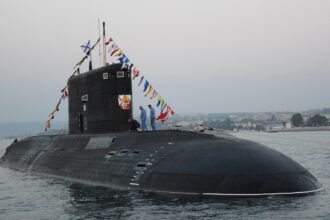
- Decommissioning and Deactivation: The decommissioning process for submarines is particularly sensitive due to the presence of complex and, in some cases, nuclear-powered systems. The safe removal of nuclear reactors, if applicable, is a paramount concern.
- Scrapping and Recycling: Many retired submarines are sold for scrap. The advanced materials and technologies they contain mean that their dismantling requires specialized facilities and expertise to ensure environmental safety and material recovery.
- Artificial Reefs and Museum Pieces: In some instances, decommissioned submarines have been sunk as artificial reefs to promote marine ecosystems or have been preserved as museum exhibits, offering a glimpse into the clandestine world of underwater warfare.
Destroyers and Cruisers: The Workhorses Retiring
The backbone of many naval operations has historically been the destroyer and cruiser classes. As these vessels age and newer designs emerge, they too enter the reserve fleet before their ultimate disposition.
- Technological Obsolescence: Modern guided missile destroyers and cruisers have capabilities that often surpass those of their predecessors. This drives the retirement of older platforms.
- Scrap and Sinking: Similar to other vessel types, these ships are frequently destined for scrapping. However, some have also been strategically sunk for use as targets during naval exercises or as artificial reefs.
Support Vessels and Special Craft
The Ghost Fleet is not exclusively comprised of combatants. A variety of support vessels, such as tank landing ships, oilers, and specialized craft, also pass through periods of reserve or are eventually disposed of. Their roles, while often less glamorous, are critical to naval operations, and their retirement reflects ongoing changes in logistical support and operational doctrine.
The Future of Decommissioned Naval Assets
The legacy of the US Navy’s Ghost Fleet is not static. As technology advances and strategic needs evolve, so too will the methods and purposes for handling decommissioned vessels. The ongoing challenge lies in balancing historical preservation, environmental responsibility, and the efficient disposal of aging naval infrastructure.
Environmental Considerations and Disposal Technologies
The environmental impact of deactivating and disposing of large maritime vessels is a significant concern.
- Hazardous Material Removal: Modern decommissioning processes place a strong emphasis on the thorough removal of hazardous materials, including fuels, oils, asbestos, and PCBs, to prevent environmental contamination.
- Sustainable Scrapping Practices: The shipbreaking industry is increasingly focused on sustainable practices, aiming to recycle as much of the material as possible while minimizing pollution. This includes the recovery of metals like steel and copper.
- Controlled Sinking: For vessels designated for artificial reefs, the sinking process is carefully controlled to ensure minimal environmental disruption and to maximize the ecological benefits.
The Role of Artificial Reefs and Conservation
The creation of artificial reefs from retired naval vessels has become an increasingly popular and ecologically beneficial method of disposition.
- Marine Habitat Creation: These intentionally sunk ships provide complex structures that attract a wide variety of marine life, creating thriving underwater ecosystems. They serve as nurseries and habitats for fish, invertebrates, and other marine organisms.
- Scuba Diving and Ecotourism: Artificial reefs can also become sites for recreational activities like scuba diving and snorkeling, contributing to local economies and fostering public appreciation for marine environments.
- Controlled and Monitored Programs: When implemented, these programs are carefully planned and monitored to ensure they do not negatively impact existing marine ecosystems or navigation channels.
The Enduring Significance of the Ghost Fleet
While the ships themselves may be retired, the concept of a reserve fleet and the careful management of decommissioned naval assets will likely endure. The Ghost Fleet, in its various forms, represents a critical, albeit often unseen, dimension of naval power. It is a repository of history, a testament to technological progression, and a complex logistical undertaking that continues to shape the future of the US Navy’s maritime presence. The ongoing evolution of disposal methods and the increasing focus on environmental stewardship suggest that the future of the Ghost Fleet will be one of calculated transformation rather than mere obsolescence.
FAQs
What is the US Navy ghost fleet?
The US Navy ghost fleet refers to a collection of decommissioned naval vessels that are kept in reserve, often in a state of preservation, in case they are needed for future use.
Why does the US Navy maintain a ghost fleet?
The US Navy maintains a ghost fleet as a strategic reserve of ships that can be quickly reactivated in the event of a national emergency or a surge in operational requirements.
Where are the US Navy ghost fleet vessels located?
The US Navy ghost fleet vessels are typically located at various naval reserve fleets and storage facilities around the United States, including locations such as the Naval Inactive Ship Maintenance Facility in Philadelphia and the Suisun Bay Reserve Fleet in California.
How many vessels are in the US Navy ghost fleet?
The exact number of vessels in the US Navy ghost fleet can vary over time, but it typically includes dozens of ships, including aircraft carriers, cruisers, destroyers, and other types of naval vessels.
What is the purpose of the US Navy ghost fleet?
The purpose of the US Navy ghost fleet is to provide a cost-effective and efficient way to maintain a reserve of ships that can be quickly brought back into service if needed, without the expense and time required to build new vessels from scratch.