The Victor Class submarine served as a nuclear-powered attack submarine in the Soviet Navy from the 1960s through the end of the Cold War. Developed to counter Western submarine capabilities and conduct anti-submarine warfare operations, these vessels incorporated advanced sonar systems and torpedo armaments for their era. The Victor Class submarines were deployed across three distinct variants, with production spanning from 1967 to 1991, resulting in a total of 48 submarines built.
The Victor Class submarines entered service during a period of rapid technological development in submarine warfare. These vessels featured nuclear propulsion systems that enabled extended underwater operations and higher submerged speeds compared to conventional diesel-electric submarines. The submarines were equipped with sophisticated sonar arrays and could carry various torpedo types, including both conventional and nuclear-armed variants.
Their design emphasized stealth capabilities and operational range, allowing the Soviet Navy to project power across global maritime theaters and monitor Western naval activities throughout the Cold War period.
Key Takeaways
- The Victor Class submarine is a significant Soviet-era attack submarine known for its stealth and versatility.
- It features advanced armament including torpedoes and cruise missiles tailored for various combat roles.
- Powered by a nuclear reactor, the Victor Class offers high underwater speed and endurance.
- Crew accommodations balance operational efficiency with the challenges of extended underwater missions.
- Ongoing modernization efforts aim to enhance the Victor Class’s capabilities to meet contemporary naval threats.
History and Development of the Victor Class Submarine
The development of the Victor Class submarine began in the late 1950s as the Soviet Union sought to enhance its underwater capabilities in response to NATO’s growing naval power. The design process was spearheaded by the Rubin Design Bureau, which aimed to create a vessel that could effectively counter Western submarines while also fulfilling various strategic roles.
Throughout its development, the Victor Class underwent several modifications and improvements, resulting in multiple variants that catered to different operational needs. The initial models focused on anti-submarine warfare, but subsequent iterations incorporated advanced technologies for intelligence gathering and strike capabilities. By the late 1970s, the Victor Class had established itself as a formidable presence in the Soviet Navy, with numerous vessels commissioned and deployed across various theaters of operation.
Key Features and Specifications of the Victor Class Submarine
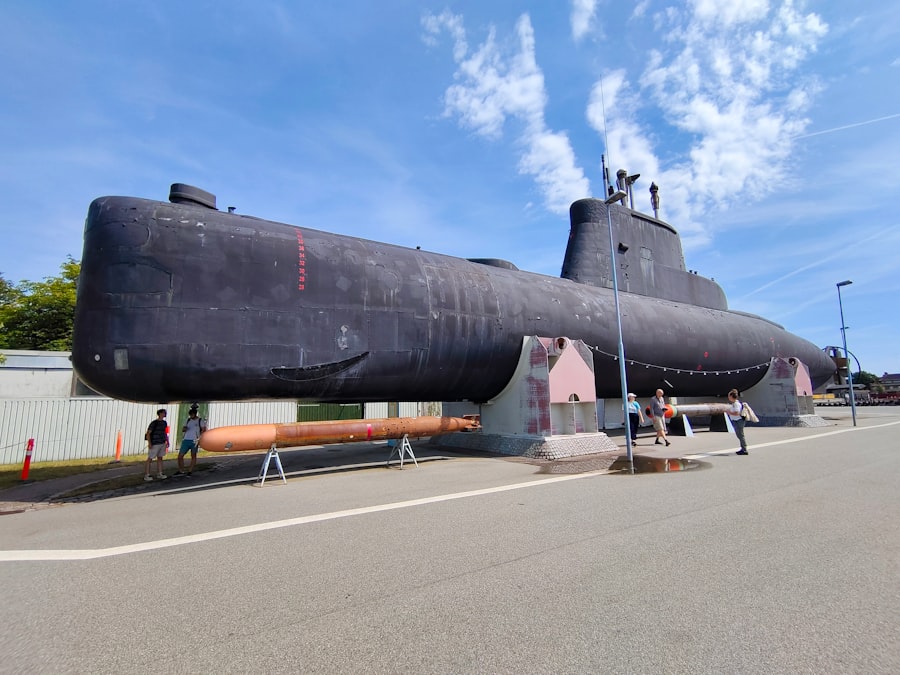
The Victor Class submarines are distinguished by their unique design features and specifications that set them apart from their predecessors. Measuring approximately 100 meters in length and displacing around 4,000 tons when submerged, these submarines are designed for stealth and agility. Their hulls are constructed using advanced materials that reduce sonar detection, allowing them to operate effectively in hostile environments.
One of the most notable features of the Victor Class is its double-hull construction, which enhances structural integrity and provides additional buoyancy. This design not only improves survivability but also allows for greater operational depth. The submarines are equipped with sophisticated sonar systems that enable them to detect enemy vessels at considerable distances, further enhancing their effectiveness in anti-submarine warfare scenarios.
Additionally, their streamlined shape contributes to reduced drag, allowing for higher speeds and improved maneuverability underwater.
Armament and Weapon Systems of the Victor Class Submarine
The armament of the Victor Class submarines is a key aspect of their operational capabilities. These vessels are equipped with a variety of weapon systems designed for both offensive and defensive engagements. The primary armament consists of torpedo tubes capable of launching a range of torpedoes, including wire-guided and wake-homing types.
This versatility allows them to engage various targets effectively, from enemy submarines to surface ships. In addition to torpedoes, some variants of the Victor Class are armed with missile systems that enable them to strike land-based targets.
The integration of advanced targeting systems further improves their accuracy and effectiveness during engagements. The combination of torpedoes and missile systems positions the Victor Class as a formidable adversary in naval warfare, capable of executing complex missions across diverse operational theaters.
Propulsion and Power Systems of the Victor Class Submarine
| Metric | Details |
|---|---|
| Class Name | Victor Class Submarine |
| Type | Attack Submarine (SSN) |
| Country of Origin | Russia (Soviet Union) |
| Displacement | 2,300 – 3,950 tons (surfaced/submerged) |
| Length | 90 – 100 meters |
| Speed | Up to 35 knots submerged |
| Operational Depth | Up to 300 meters |
| Armament | 4 to 6 torpedo tubes, capable of launching torpedoes and cruise missiles |
| Sensor Suite | Sonar systems including bow and flank arrays, electronic support measures (ESM) |
| Intelligence Capabilities | Signals intelligence (SIGINT), electronic intelligence (ELINT), and reconnaissance missions |
| Service Entry | 1972 – 1990 |
| Number Built | Approximately 25 units |
The propulsion system of the Victor Class submarines is a critical component that contributes to their operational effectiveness. These vessels are powered by nuclear reactors, providing them with virtually unlimited range and endurance compared to conventional diesel-electric submarines. The use of nuclear power allows for extended deployments without the need for frequent refueling, enabling them to remain submerged for prolonged periods.
The reactor system is designed for reliability and efficiency, ensuring that the submarines can operate at high speeds when necessary while maintaining stealth during covert operations. The propulsion system is complemented by advanced noise reduction technologies that minimize acoustic signatures, making it difficult for enemy forces to detect their presence. This combination of power and stealth is essential for executing successful missions in contested waters.
Crew and Living Conditions on the Victor Class Submarine
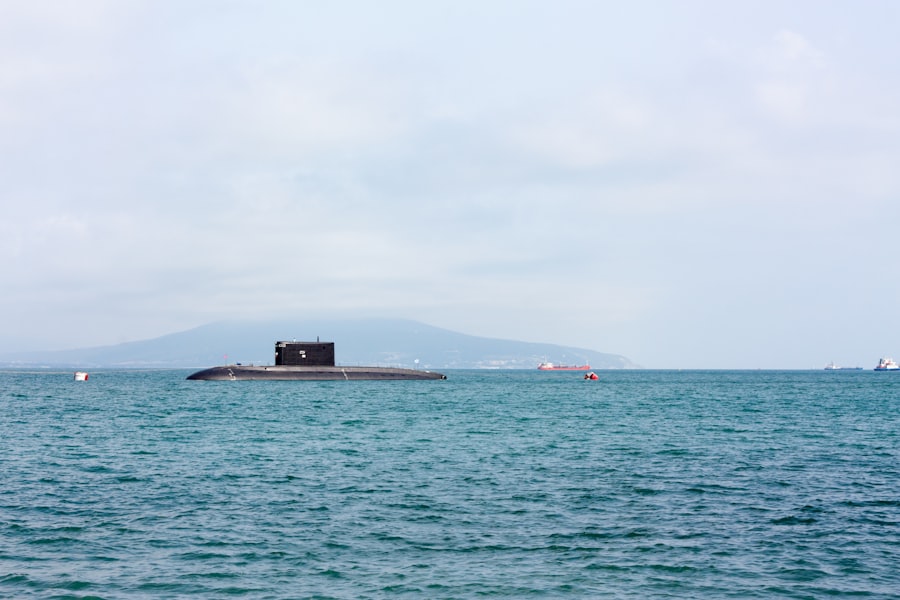
Life aboard a Victor Class submarine presents unique challenges and experiences for its crew members. Typically manned by around 100 personnel, including officers and enlisted sailors, these submarines are designed to support long-duration missions at sea. The crew’s living conditions are functional yet compact, with limited space available for personal quarters and communal areas.
Despite the confined environment, efforts have been made to ensure that crew members can maintain a degree of comfort during extended deployments. The submarines are equipped with basic amenities such as sleeping quarters, a galley for meal preparation, and recreational facilities to help alleviate the stresses of life underwater. Crew members undergo rigorous training to adapt to the challenges of submarine life, fostering camaraderie and teamwork essential for successful operations.
Role and Missions of the Victor Class Submarine
The primary role of the Victor Class submarine revolves around anti-submarine warfare (ASW) and intelligence gathering. These vessels were specifically designed to detect and neutralize enemy submarines, making them a vital asset in maintaining naval superiority during the Cold War. Their ability to operate undetected allowed them to gather critical intelligence on enemy movements and capabilities.
In addition to ASW missions, the Victor Class submarines have been employed in various other roles throughout their service history. They have participated in surveillance operations, reconnaissance missions, and even strategic deterrence tasks. Their versatility enables them to adapt to changing operational requirements, making them valuable assets within the broader context of naval strategy.
Operational Capabilities and Performance of the Victor Class Submarine
The operational capabilities of the Victor Class submarines are characterized by their speed, stealth, and endurance. Capable of reaching speeds exceeding 30 knots when submerged, these vessels can quickly reposition themselves during engagements or evade detection when necessary. Their advanced sonar systems provide them with superior situational awareness, allowing them to detect threats from considerable distances.
The performance of the Victor Class has been tested in various exercises and real-world scenarios throughout its service life. These submarines have demonstrated their ability to operate effectively in diverse maritime environments, from icy Arctic waters to warmer seas. Their adaptability has allowed them to remain relevant even as naval warfare has evolved over time.
Comparison with Other Submarine Classes
When compared to other submarine classes from both NATO and Soviet fleets, the Victor Class stands out for its unique combination of speed, stealth, and firepower. While contemporary classes such as the Los Angeles-class submarines from the United States Navy also emphasize similar capabilities, each class has its strengths and weaknesses based on design philosophy and intended roles. For instance, while Los Angeles-class submarines prioritize multi-role capabilities with an emphasis on land-attack missions through cruise missiles, the Victor Class focuses more on anti-submarine warfare and intelligence gathering.
This distinction highlights how different naval strategies influenced submarine design during the Cold War era.
Future Upgrades and Modernization Plans for the Victor Class Submarine
As military technology continues to advance rapidly, discussions surrounding future upgrades and modernization plans for the Victor Class submarines have gained traction among defense analysts and military strategists. While many original vessels have been decommissioned or retired from active service, some remain operational with ongoing modernization efforts aimed at extending their service life. These modernization initiatives often focus on upgrading sonar systems, weaponry, and communication technologies to ensure that these submarines can effectively operate alongside newer classes within modern naval fleets.
By incorporating contemporary technologies into existing platforms like the Victor Class, navies can maintain a competitive edge while maximizing resource efficiency.
The Legacy and Impact of the Victor Class Submarine
The legacy of the Victor Class submarine is one marked by innovation and adaptability within naval warfare. As one of the key players in Soviet maritime strategy during the Cold War, these submarines contributed significantly to anti-submarine operations and intelligence gathering efforts that shaped naval engagements during that era. Their design principles continue to influence modern submarine development today.
In conclusion, while many aspects of naval warfare have evolved since the introduction of the Victor Class submarines, their impact remains evident in contemporary submarine design and operational strategies. As militaries around the world continue to adapt to new challenges in maritime security, lessons learned from vessels like the Victor Class will undoubtedly inform future developments in underwater warfare technology.
The Victor-class submarines, known for their advanced intelligence-gathering capabilities, have been a significant asset in naval warfare. For a deeper understanding of their operational history and technological advancements, you can read more in this related article: Victor-Class Submarine Intelligence. This resource provides insights into the strategic importance of these submarines during the Cold War and their ongoing relevance in modern naval operations.
FAQs
What is a Victor-class submarine?
The Victor-class submarine is a series of nuclear-powered attack submarines developed and operated by the Soviet Union during the Cold War. They were designed primarily for anti-submarine warfare and intelligence-gathering missions.
What role did Victor-class submarines play in intelligence gathering?
Victor-class submarines were equipped with advanced sonar and electronic surveillance systems that allowed them to monitor naval activities, track enemy submarines and surface ships, and collect signals intelligence. Their stealth capabilities made them effective tools for covert intelligence operations.
How many Victor-class submarines were built?
A total of 25 Victor-class submarines were constructed in three variants: Victor I, Victor II, and Victor III, each with improvements in speed, stealth, and sensor technology.
What are the key features of Victor-class submarines related to intelligence?
Key features include sophisticated sonar arrays, electronic intelligence (ELINT) equipment, quiet propulsion systems to reduce detectability, and the ability to operate at significant depths and speeds for extended periods, enabling effective surveillance missions.
Are Victor-class submarines still in service?
Most Victor-class submarines have been retired or decommissioned following the end of the Cold War. Some may still be in limited service or used for training purposes, but they have largely been replaced by more modern submarine classes.
How did Victor-class submarines compare to their Western counterparts?
Victor-class submarines were generally considered less quiet and technologically advanced than their American Los Angeles-class counterparts but were still formidable platforms for intelligence and attack missions during their operational period.
What types of intelligence were Victor-class submarines capable of collecting?
They could collect acoustic intelligence by tracking enemy submarines and ships, electronic intelligence by intercepting communications and radar signals, and photographic intelligence through periscope and other optical devices.
What was the strategic importance of Victor-class submarines during the Cold War?
Victor-class submarines played a crucial role in maintaining naval balance by monitoring NATO naval forces, protecting Soviet ballistic missile submarines, and gathering intelligence that informed Soviet naval strategy and defense planning.