Naval intelligence operations, often shrouded in a veil of secrecy, represent a critical component of national security for maritime powers. These operations extend far beyond the stereotypical image of a spy in a trench coat, encompassing a sophisticated interplay of human intellect, technological prowess, and strategic foresight. This article delves into the multifaceted world of naval intelligence, examining its historical evolution, diverse methodologies, and profound impact on global affairs.
The origins of naval intelligence can be traced back to antiquity, where maritime powers understood the imperative of knowing their adversaries’ movements and intentions. From ancient Greek scouts observing enemy fleets to Roman admirals employing rudimentary signaling systems, the fundamental need for information superiority has remained constant.
Early Maritime Reconnaissance
During the Age of Sail, navies relied heavily on frigates and smaller vessels for reconnaissance. These ships, acting as the “eyes and ears” of the fleet, would scout enemy coastlines, observe their dispositions, and report back. The success or failure of a naval campaign often hinged on the accuracy and timeliness of such intelligence.
The Rise of Dedicated Intelligence Units
The complexity of naval warfare escalated dramatically with the advent of steam power, ironclad warships, and long-range ordnance. This necessitated a more systematic approach to intelligence gathering. The late 19th and early 20th centuries witnessed the formal establishment of dedicated intelligence departments within naval ministries, tasked with analyzing foreign naval capabilities, shipbuilding programs, and strategic vulnerabilities. This marked a significant shift from ad hoc reconnaissance to a structured, analytical discipline.
Naval Intelligence Operations play a crucial role in ensuring maritime security and strategic advantage for nations around the world. For a deeper understanding of the complexities and challenges faced by naval intelligence, you can explore the related article on this topic at In The War Room. This resource provides insights into the latest developments, technologies, and methodologies employed in naval intelligence, highlighting its significance in contemporary military operations.
Methodologies of Naval Intelligence Collection
Naval intelligence employs a broad spectrum of collection methodologies, each contributing a unique piece to the overall mosaic of understanding. These methods, often intricately woven together, aim to provide a comprehensive picture of maritime activities, capabilities, and intentions.
Human Intelligence (HUMINT)
HUMINT, at its core, involves the direct collection of information from human sources. In a naval context, this can range from agents embedded within foreign navies or shipbuilding facilities to liaison officers sharing information with allied nations. The inherent risks and ethical considerations associated with HUMINT are substantial, yet its ability to uncover intentions and motivations often makes it an indispensable tool.
Espionage and Agent Networks
The covert recruitment and management of agents, often deep within hostile maritime environments, remains a cornerstone of HUMINT. These individuals, sometimes motivated by ideology, financial gain, or coercion, can provide invaluable insights into fleet movements, technological developments, and strategic planning. The long-term cultivation of such networks requires immense patience, meticulous planning, and a deep understanding of human psychology.
Debriefing and Interrogation
Sailors, whether defectors, prisoners of war, or even captured fishermen, can be significant sources of information. Professional debriefers apply intricate psychological techniques to extract actionable intelligence, often correlating it with other data points to verify veracity. This is a delicate process, demanding empathy and a nuanced understanding of cultural contexts to achieve optimal results.
Signals Intelligence (SIGINT)
SIGINT, the collection and analysis of electronic signals, represents a technological frontier in naval intelligence. The vast expanse of the oceans, teeming with communication, radar, and sonar emissions, provides an abundance of raw data for SIGINT collection platforms.
Communications Intelligence (COMINT)
COMINT involves intercepting and analyzing foreign naval communications. This includes encrypted radio transmissions, satellite communications, and even underwater acoustic signals. Decryption and cryptographic analysis are paramount here, transforming seemingly random digital noise into actionable intelligence. The “battle of the codes” continues to be a relentless intellectual arms race between intelligence agencies and their targets.
Electronic Intelligence (ELINT)
ELINT focuses on the collection and analysis of non-communications electronic emissions, primarily from radar systems, missile guidance systems, and navigation aids. By understanding the characteristics of these emissions – their frequencies, pulse repetition rates, and beam patterns – intelligence analysts can deduce the capabilities and operational methodologies of foreign naval vessels and aircraft. This provides a “fingerprint” for identifying specific platforms and their roles.
Measurement and Signature Intelligence (MASINT)
MASINT is a highly specialized form of intelligence that focuses on the distinctive characteristics of objects. In a naval context, this could involve analyzing the acoustic signature of a submarine (its unique “soundprint”), the electromagnetic emissions of a warship’s sensors, or the chemical composition of its exhaust plumes. MASINT often relies on highly sensitive sensors and sophisticated analytical techniques to discern subtle but significant data.
The Role of Technology in Naval Intelligence
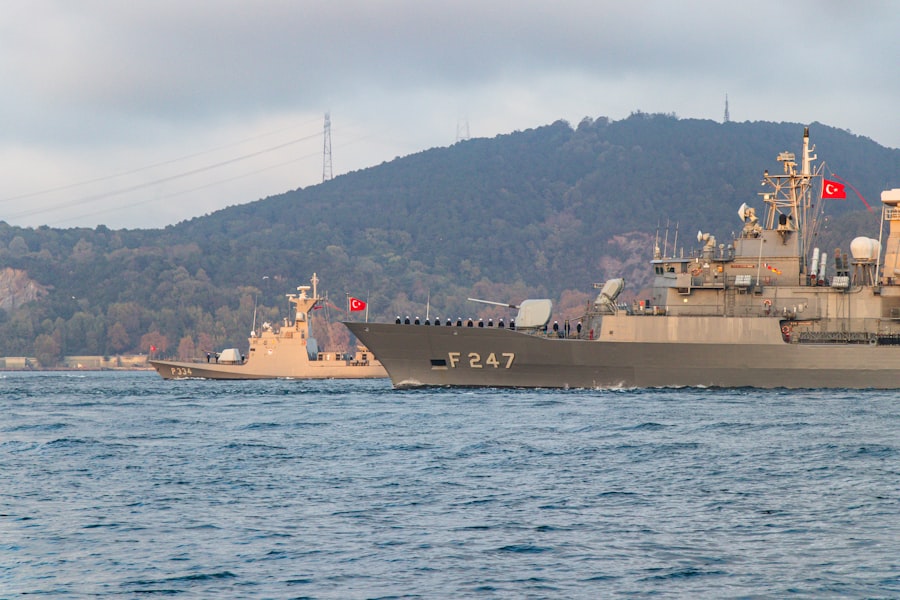
Technology acts as the engine driving modern naval intelligence operations, constantly pushing the boundaries of what is possible in terms of collection, processing, and dissemination.
Surveillance and Reconnaissance Platforms
The evolution of naval intelligence is inextricably linked to advancements in surveillance platforms. From rudimentary periscopes to advanced satellite systems, technology has continually expanded the reach and persistence of intelligence collection.
Satellites and High-Altitude Drones
Satellites, orbiting high above the Earth, provide unparalleled wide-area surveillance capabilities. They can track the movement of entire fleets, monitor shipbuilding activities in remote yards, and even identify subtle changes in port infrastructure. High-altitude, long-endurance drones offer a more flexible and persistent eye, capable of focusing on specific regions of interest for extended periods. These platforms act as silent sentinels, watching over an ever-changing maritime landscape.
Submarine and Surface Collection Vessels
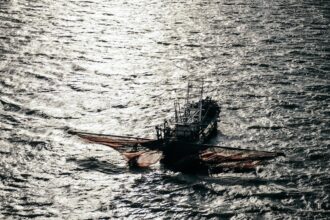
Dedicated intelligence collection vessels, both surface ships and submarines, play a crucial role in close-range surveillance. Submarines, with their inherent stealth, can covertly monitor foreign naval exercises, collect acoustic signatures, and tap into underwater communications cables. Surface vessels, often disguised as research ships or fishing trawlers, employ an array of sophisticated sensors to gather electronic and acoustic intelligence in areas where overt naval presence might be provocative.
Data Analysis and Fusion
The sheer volume of data collected by modern intelligence platforms is staggering. Without sophisticated analytical tools and processes, this data would remain a chaotic torrent rather than a coherent stream of understanding.
Artificial Intelligence and Machine Learning
AI and machine learning algorithms are increasingly employed to sift through vast datasets, identify patterns, and detect anomalies that might escape human scrutiny. These technologies can automate the initial processing of signals, translate foreign languages, and even predict potential adversary actions based on historical data. They act as force multipliers, empowering analysts to focus on higher-order strategic assessments rather than mundane data sifting.
Geointelligence (GEOINT)
GEOINT combines geospatial information with intelligence data to provide a visual and spatial understanding of maritime environments. This includes satellite imagery, aerial photography, and mapping data, all integrated to create a dynamic picture of ports, naval bases, and strategic waterways. The ability to visualize the battlespace in real-time or near real-time is a powerful asset for naval commanders.
The Impact on Naval Operations and Strategy
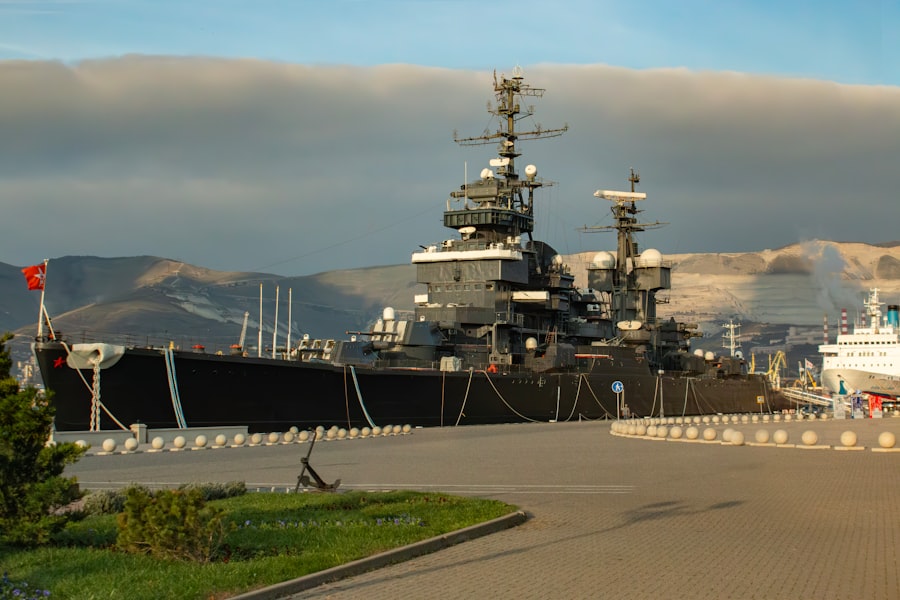
Naval intelligence is not an academic exercise; its ultimate purpose is to inform and influence naval operations and strategy, giving commanders a decisive advantage.
Strategic Foresight and Threat Assessment
One of the primary contributions of naval intelligence is providing strategic foresight. By analyzing long-term trends in foreign naval development, doctrine, and geopolitical ambitions, intelligence agencies can anticipate potential threats and inform resource allocation decisions. This allows national leaders and naval planners to prepare for future contingencies, rather than merely reacting to events.
Understanding Adversary Intentions
Understanding an adversary’s intentions, often a nebulous and complex undertaking, is crucial. Intelligence can shed light on why a particular fleet maneuver is being undertaken, what the political objectives behind a new warship program might be, or whether a maritime dispute is escalating. This is the difference between knowing what an adversary is doing and understanding why they are doing it, which is vital for effective deterrence and diplomacy.
Assessing Capabilities and Vulnerabilities
A meticulous assessment of foreign naval capabilities – their ship numbers, weapon systems, training levels, and logistical support – allows national navies to accurately gauge the balance of power. Equally important is identifying vulnerabilities in an adversary’s forces, such as reliance on specific technologies, logistical chokepoints, or doctrinal rigidities. This knowledge directly informs operational planning and the development of asymmetric advantages.
Tactical Intelligence and Operational Support
At the tactical level, naval intelligence provides critical support to commanders on the ground (or at sea). This real-time or near real-time information flow can be the difference between success and failure in a dynamic maritime engagement.
Target Identification and Tracking
During operations, intelligence assets track adversary vessels, aircraft, and missile launches, providing precise targeting data to friendly forces. This ensures that naval assets are employed efficiently and effectively, minimizing collateral damage and maximizing operational impact. The ability to continuously track a target, even as it attempts to evade, is a testament to the technological sophistication of modern intelligence.
Environmental Intelligence
Understanding the maritime environment – ocean currents, bathymetry, weather patterns, and acoustic propagation conditions – is vital for naval operations. Environmental intelligence provides this crucial context, informing submarine operations, anti-submarine warfare (ASW) tactics, and even the planning of amphibious assaults. The ocean itself can be as formidable an adversary as any hostile fleet, and intelligence helps to navigate its complexities.
Naval Intelligence Operations play a crucial role in ensuring maritime security and strategic advantage. For those interested in a deeper understanding of the complexities involved in these operations, a related article can provide valuable insights. You can explore more about the intricacies of naval intelligence by visiting this informative resource, which discusses various aspects of intelligence gathering and analysis in naval contexts.
Challenges and Ethical Considerations
| Metric | Description | Value | Unit | Last Updated |
|---|---|---|---|---|
| Number of Active Naval Intelligence Units | Total operational units dedicated to naval intelligence | 12 | Units | 2024-05-01 |
| Signals Intercepted | Number of electronic signals intercepted for intelligence | 1,250,000 | Signals | 2024-05-15 |
| Maritime Surveillance Hours | Total hours of maritime surveillance conducted | 8,400 | Hours | 2024-05-20 |
| Intelligence Reports Generated | Number of intelligence reports produced | 3,200 | Reports | 2024-05-25 |
| Successful Reconnaissance Missions | Missions completed with actionable intelligence gathered | 95 | Missions | 2024-05-30 |
| Personnel Trained in Naval Intelligence | Number of personnel trained in intelligence operations | 450 | Personnel | 2024-04-30 |
| Cybersecurity Incidents Detected | Number of cyber threats detected and mitigated | 120 | Incidents | 2024-05-28 |
The pursuit of naval intelligence is fraught with significant challenges and raises profound ethical dilemmas that demand constant scrutiny.
The Ever-Present Threat of Counter-Intelligence
Naval intelligence agencies operate in a perpetual cat-and-mouse game with their counterparts. Adversaries actively employ counter-intelligence measures to deceive, disrupt, and neutralize intelligence collection efforts. This includes sophisticated camouflage, electronic countermeasures, disinformation campaigns, and the relentless hunt for deep-cover agents. The landscape is continuously shifting, demanding constant adaptation and innovation from intelligence professionals.
Deception and Misinformation
Active deception is a powerful tool in counter-intelligence. Fabricated information can be subtly introduced into intelligence channels to mislead adversaries, waste their resources, or create strategic confusion. Distinguishing genuine intelligence from deliberate misinformation requires extraordinary analytical rigor and an understanding of an adversary’s psychological warfare doctrines.
Operational Security (OPSEC)
Maintaining OPSEC is paramount for all naval intelligence operations. Any compromise of sources, methods, or objectives can have catastrophic consequences, jeopardizing personnel, operations, and future intelligence gathering capabilities. This necessitates stringent security protocols, continuous training, and a culture of extreme vigilance within intelligence organizations.
Ethical Boundaries and International Law
The clandestine nature of naval intelligence often brushes against accepted norms of international relations and privacy. The use of espionage, covert surveillance, and intervention in foreign communications raises complex ethical and legal questions.
Surveillance and Privacy Concerns
The ubiquitous nature of modern surveillance technology means that intelligence agencies can collect vast amounts of data, not all of which pertains directly to national security threats. Balancing the need for intelligence against fundamental privacy rights is a constant ethical tightrope walk, often subject to intense public and political debate.
The Use of Force and Covert Action
In extreme cases, naval intelligence operations can extend to supporting covert actions, or even directly influencing military interventions. The decision to use intelligence to enable such actions carries immense moral weight and requires careful consideration of potential consequences, adherence to international law, and robust oversight mechanisms.
Naval intelligence operations represent a vital and dynamic field, constantly adapting to new technologies, evolving geopolitical landscapes, and the enduring human element of conflict. From the historical reliance on scouts to the current sophisticated interplay of satellites, AI, and human agents, the mission remains the same: to provide decision-makers with the knowledge needed to safeguard national interests in the complex and unforgiving maritime domain. Understanding this intricate world is crucial for anyone seeking to comprehend the true nature of global power and security.
FAQs
What is the primary role of naval intelligence operations?
Naval intelligence operations focus on gathering, analyzing, and disseminating information related to maritime threats, enemy naval capabilities, and strategic maritime environments to support naval and national security objectives.
Which methods are commonly used in naval intelligence gathering?
Common methods include signals intelligence (SIGINT), human intelligence (HUMINT), imagery intelligence (IMINT), electronic intelligence (ELINT), and open-source intelligence (OSINT), often collected through satellites, reconnaissance aircraft, submarines, and naval vessels.
How does naval intelligence contribute to maritime security?
Naval intelligence helps identify potential threats such as hostile naval forces, piracy, smuggling, and terrorism, enabling timely decision-making and effective deployment of naval assets to protect territorial waters and sea lines of communication.
Who typically conducts naval intelligence operations?
Naval intelligence operations are usually conducted by specialized units within a country’s navy, often in coordination with national intelligence agencies and allied naval forces to share information and enhance maritime situational awareness.
What challenges are associated with naval intelligence operations?
Challenges include the vastness of the maritime domain, the complexity of underwater and electronic environments, the need for real-time intelligence, counterintelligence threats, and the integration of multi-source data to produce accurate and actionable intelligence.