The concept of invisibility, once confined to the realms of myth and fantasy, is now a tangible reality, thanks to the intricate science of stealth technology. This field of engineering and physics seeks to render objects, most notably military aircraft and vessels, undetectable to hostile sensors. It’s not about making something vanish into thin air; rather, it’s an elaborate dance of redirection, absorption, and camouflage, designed to deceive the watchful eyes of radar, infrared, and acoustic detection systems. Understanding stealth technology requires delving into the fundamental principles of wave physics and material science, revealing a sophisticated approach to evading detection that has reshaped modern warfare and continues to evolve.
Stealth technology is not an isolated phenomenon but a confluence of several key principles aimed at minimizing an object’s signature across various detection spectrums. Think of it as applying a complex disguise not just to blend in visually, but to become a ghost in the machine of enemy surveillance. The goal is to disrupt the very way these detection systems operate, rendering their efforts futile.
Radar Cross-Section (RCS) Reduction: The Cornerstone of Stealth
The most widely recognized aspect of stealth technology is its ability to minimize an object’s radar cross-section. Radar systems operate by emitting radio waves, which then bounce off an object and return to a receiver. The strength and characteristics of this reflected signal provide information about the object’s size, shape, and location. Stealth aims to scatter these incoming radar waves in directions away from the radar receiver, effectively making the object appear smaller or entirely absent from the radar’s perspective.
Shaping for Scatter: The Geometry of Evasion
The external design of a stealth object is paramount. Unlike conventional aircraft with sharp angles and large, flat surfaces that are excellent reflectors of radar, stealth aircraft are characterized by precisely calculated angles and curves. These facets are designed to deflect radar waves away from their source, much like a well-designed mirror can direct light precisely where you want it. The angled surfaces act as a series of tiny, independent mirrors, each sending the radar signal off on a tangent, preventing a coherent and strong return signal.
Faceted Surfaces: A Deliberate Disruption
Early stealth designs, such as those found on the F-117 Nighthawk, utilized a highly faceted design. This approach involved breaking down the aircraft’s surface into a series of flat planes, each positioned at a specific angle. This deliberate fragmentation of the surface ensured that radar waves would be reflected in numerous, widely dispersed directions, rather than being concentrated back towards the radar emitter. The effect was to create a series of weak echoes, easily lost in the background noise of the radar system.
Blended Wing Bodies and Curvature: Streamlining the Evasion
Modern stealth designs have evolved beyond simple faceting. Concepts like the blended wing body, where the aircraft’s wings seamlessly transition into the fuselage, further reduce sharp edges and internal corners that can act as strong radar reflectors. The use of smooth, continuous curves minimizes the number of potential reflective surfaces and helps to scatter radar waves more uniformly. This approach aims for a more organic, less angular profile that further confuses radar.
Material Science: The Art of Absorption and Emission
Beyond shaping, the materials used in stealth construction play a critical role. These materials are engineered to absorb radar energy, converting it into heat, rather than reflecting it. This process significantly reduces the amount of energy that returns to the radar receiver.
Radar-Absorbent Materials (RAM): The Silent Eaters
Radar-absorbent materials are a cornerstone of stealth. These are typically composite materials embedded with specific chemical compounds, such as ferrite particles or carbon-based substances. When radar waves strike these materials, the electromagnetic energy is converted into thermal energy, essentially heating up the material slightly. This absorption is a highly efficient method of reducing RCS. Imagine painting a wall with a dark, matte paint that absorbs sunlight; RAM acts similarly, absorbing radar energy instead of reflecting it back.
Ferrite-Based RAM: The Early Pioneers
Ferrite-based RAM was among the earliest forms to be widely deployed. These materials contain magnetic iron oxides that effectively absorb radar energy by interacting with the magnetic field component of the electromagnetic wave. While effective, they often added significant weight and could be susceptible to environmental degradation.
Carbon-Based RAM: The Modern Standard
Carbon-based RAM, including carbon fibers and carbon nanotubes, has become increasingly prevalent. These materials offer excellent radar absorption properties and can be integrated into the structural components of the aircraft, reducing the need for separate coatings and minimizing weight penalties. Their versatility allows for application in various forms, from paints to structural composites.
Low-Observable Coatings: The Chameleon’s Cloak
Specialized coatings are also applied to the surfaces of stealth vehicles. These coatings are designed not only to absorb radar but also to match the surrounding environment in other detection spectrums, effectively making the object a chameleon. This multi-spectral stealth is crucial for comprehensive evasion.
Infrared Signature Reduction: Hiding from the Heat
While radar stealth is crucial for detection by active sensors, stealth technology also addresses passive detection methods, primarily infrared (IR) sensing. Infrared sensors detect the heat emitted by an object. For aircraft, the primary sources of heat are engine exhaust and friction with the atmosphere.
Engine Exhaust Management: Cooling the Fires
The hot exhaust gases from jet engines are a significant infrared signature. Stealth aircraft employ various techniques to reduce this heat.
Shielded Exhaust Nozzles: Hiding the Glow
One common method is to design exhaust nozzles that are shielded from direct view from below or the sides. This might involve flat or serpentinelike exhaust paths that mix the hot exhaust gases with cooler ambient air before they are expelled. The goal is to reduce the temperature of the emitted exhaust to a level that is indistinguishable from the surrounding environment.
Serpentine Ducts: A Tortuous Path
Serpentine or S-shaped exhaust ducts are a prime example. These convoluted paths increase the length of the exhaust tract, allowing for more time to mix and cool the hot gases with surrounding air before they exit. The bending of the duct also helps to obscure the direct line of sight to the hottest parts of the engine.
Heat Dissipation Systems: Spreading the Warmth
Other methods involve dissipating engine heat through the aircraft’s skin or specialized heat sinks. This can spread the thermal signature over a larger area, making it less concentrated and harder to detect. It’s akin to spreading a single hot coal over a larger area of sand, making it less noticeable.
Skin Temperature Management: Reducing Friction’s Burn
The friction between an aircraft’s skin and the atmosphere at high speeds can generate significant heat. Stealth designs incorporate materials and cooling systems to mitigate this effect.
Thermal Management Coatings: Insulating the Surface
Specialized thermal management coatings are applied to the aircraft’s skin. These coatings can have low thermal conductivity, acting as insulators to prevent heat from reaching the outer surface, or they can be designed to radiate heat away more efficiently in specific directions.
Active Cooling Systems: The Internal Refrigerator
Some advanced stealth platforms may incorporate active cooling systems that circulate fluids to carry heat away from critical areas and dissipate it elsewhere, often through concealed radiators. This adds complexity but offers a more comprehensive approach to thermal signature control.
Visual and Acoustic Stealth: The Unseen and Unheard
While radar and infrared are the primary concerns in military applications, stealth technology also considers other detection methods, albeit often to a lesser degree of emphasis.
Visual Camouflage: Blending into the Background
Visual stealth involves making an object difficult to see with the naked eye or optical sensors. This is achieved through carefully designed camouflage schemes and shaping that breaks up the object’s outline.
Paint Schemes: Mimicking the Environment
Specific paint schemes are used to match the aircraft’s operational environment. This can involve disruptive patterns with colors and shades that blend with the sky, clouds, or terrain below. The aim is to make the aircraft’s silhouette indistinct and difficult to discern from its surroundings.
Low-Reflection Surfaces: Minimizing Glare
The surfaces of stealth aircraft are typically non-reflective or have very low reflectivity to minimize glinting or reflections that could give away their position, especially in sunlight. A matte finish is preferred over a glossy one.
Acoustic Stealth: The Silent Approach
For naval vessels and submarines, acoustic stealth is paramount. These platforms operate in an environment where sound travels efficiently and is a primary means of detection. Stealth in this context involves minimizing the noise generated by the vessel.
Hull Shaping and Material Selection: Silencing the Hull
For submarines, hull shaping is optimized to reduce hydrodynamic noise. The materials used in construction are also chosen for their sound-dampening properties. Internal components are mounted on vibration-dampening systems to isolate noise.
Propeller Design: Quieting the Rotation
The design of propellers and propulsion systems is critical for reducing acoustic signatures. Quieter propeller designs and advanced propulsion methods are employed to minimize the sound they generate.
Stealth technology has revolutionized modern warfare by allowing aircraft and other military assets to evade detection by radar and other tracking systems. For a deeper understanding of the principles and advancements in this fascinating field, you can explore a related article that delves into the science behind stealth technology. This article provides insights into the materials, design techniques, and engineering innovations that make stealth capabilities possible. To read more, visit this link.
The Integration of Stealth: A Multi-Layered Defense
Stealth technology is not simply a collection of individual techniques; it’s a holistic approach where each element works in concert to achieve the overarching goal of reduced detectability. From the initial design blueprints to the very materials used in construction, every aspect is engineered with stealth in mind.
Design Philosophy: Stealth by Default
Modern stealth platforms are designed from the ground up with stealth as a primary requirement. This means that stealth considerations are not an afterthought but are integrated into every stage of the design process. Unlike retrofitting old designs with stealth features, which often leads to compromises, a purpose-built stealth platform can achieve optimal performance across all stealth domains.
Aerodynamic and Stealth Trade-offs: Balancing Act
Achieving perfect stealth in all domains simultaneously is a significant engineering challenge. There are often trade-offs between aerodynamic performance, structural integrity, and stealth requirements. For instance, the highly faceted design of early stealth aircraft, while excellent for radar evasion, was not aerodynamically optimized and resulted in slower speeds and less maneuverability compared to conventional aircraft. Modern designs seek to minimize these compromises through sophisticated shaping and material utilization.
System Integration: The Symphony of Stealth
The various stealth features are not independent but are integrated into a cohesive system. The materials used might contribute to both radar absorption and thermal management. The shaping that reduces radar cross-section might also improve aerodynamic efficiency. This interconnectedness ensures that the overall stealth profile of the platform is greater than the sum of its individual parts.
Electronic Warfare and Stealth: A Symbiotic Relationship
Stealth technology often works in conjunction with electronic warfare (EW) systems. While stealth aims to prevent detection, EW systems can actively disrupt enemy sensors or jam their signals. Together, they create a layered defense that significantly enhances survivability. For example, a stealth aircraft might use its unique radar signature to precisely locate and jam an enemy radar system before entering its engagement envelope.
The Evolution of Stealth: From the F-117 to Next-Generation Platforms

Stealth technology has not remained static; it has undergone continuous evolution since its inception. The pioneering efforts of the F-117 paved the way for more advanced and less conspicuous designs.
The Dawn of Functional Stealth: The F-117 Nighthawk
The F-117 Nighthawk, often hailed as the first operational stealth aircraft, was a revolutionary platform. Its distinctive faceted design, while making it appear somewhat ungainly, was a deliberate choice aimed at maximizing radar evasion. Its success in operations demonstrated the viability of stealth technology and spurred further research and development.
Early Challenges and Learnings: The Price of Innovation
The F-117, while groundbreaking, also presented challenges. Its maintenance requirements were high, and the strict adherence to specific angles made it vulnerable to certain radar frequencies. These early experiences provided invaluable data for refining future stealth designs, moving towards more blended and adaptable shapes.
The Second Generation: The B-2 Spirit and Beyond
The B-2 Spirit bomber represented a significant leap forward in stealth technology. Its flying wing design, with its smooth, blended surfaces, offered a much lower radar cross-section and improved aerodynamic performance. This generation of stealth aircraft focused on multi-spectral stealth and greater operational flexibility.
Multi-Spectral Signatures: A Holistic Approach
The B-2’s design addressed not only radar but also infrared and acoustic signatures. Its engine placement and exhaust management systems were meticulously engineered to minimize heat emissions. This move towards addressing multiple detection methods marked a maturation of stealth technology.
The Future of Stealth: Active Stealth and Adaptive Deception
The ongoing research and development in stealth technology are exploring even more advanced concepts, aiming to create platforms that are not only passively stealthy but also actively adapt to their environment and deceive enemy sensors.
Active Stealth: Dynamic Deception
Active stealth involves systems that can dynamically alter an object’s signature in real-time. This could include phased array antennas that can steer radar beams away from receivers or materials that can change their absorptive properties based on the incident radar frequency. Imagine a chameleon not just changing its color, but actively projecting illusions to confuse predators.
Signature Management Systems: The Intelligent Cloak
Future stealth platforms are likely to incorporate sophisticated signature management systems. These systems will continuously monitor the electromagnetic environment, analyze threat vectors, and intelligently adjust the platform’s emissions and reflections to maintain maximum undetectable. This represents the ultimate evolution of stealth – an intelligent, adaptive shield.
The Implications of Stealth Technology: Transforming Warfare and Beyond
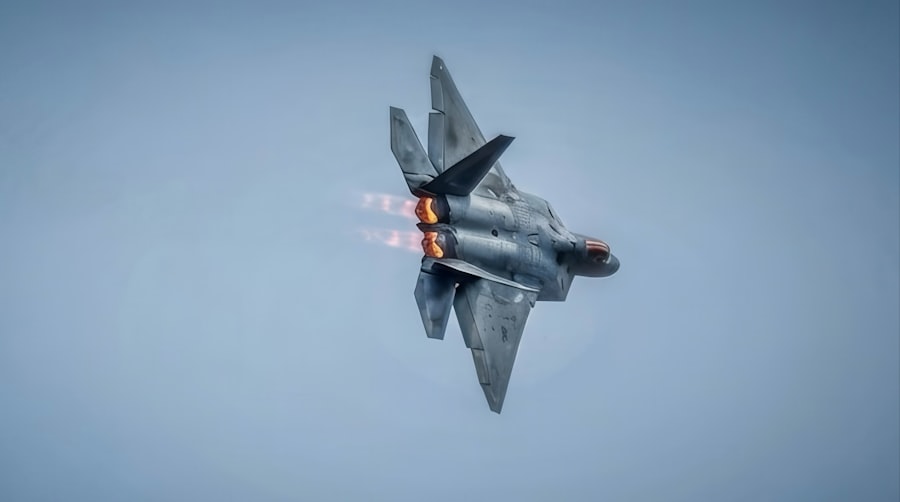
The development of stealth technology has had a profound impact on military strategy and operations, offering significant advantages to platforms that can operate undetected.
Strategic Advantage: The Unseen Spearhead
Stealth provides a critical strategic advantage by allowing forces to penetrate heavily defended airspace or waters with a reduced risk of detection and engagement. This enables reconnaissance, precision strikes, and the potential for surprise attacks that can disrupt enemy defenses.
Enhanced Survivability: The Invisible Shield
The primary benefit of stealth is enhanced survivability. By making an object harder to detect, it becomes less vulnerable to attack. This allows for longer mission durations, more daring operations, and a greater ability to achieve objectives without being compromised. It’s like being able to walk through a crowded room without anyone noticing you.
The Arms Race: A Constant Cat and Mouse Game
The development of stealth technology has inevitably led to a continuous arms race. As stealth capabilities advance, so too do the methods for detecting them. This ongoing cycle of innovation means that stealth is not a static solution but a perpetually evolving field.
Counter-Stealth Technologies: The Persistent Gaze
Adversaries are constantly developing counter-stealth technologies, such as advanced radar systems that operate at lower frequencies (which are harder for traditional RAM to absorb), infrared search and track (IRST) systems, and advanced signal processing techniques that can detect faint signatures. This has led to the development of “low-observable” across multiple spectrums, rather than pure invisibility.
Non-Military Applications: Beyond the Battlefield
While stealth technology is predominantly associated with military applications, the underlying principles have potential applications in other fields.
Advanced Communications: Shielding Sensitive Transmissions
The principles of reducing electromagnetic emissions could be applied to enhance the security of sensitive communications systems, ensuring that transmissions are not intercepted.
Scientific Research: Probing the Unseen
In scientific research, techniques for detecting and minimizing unwanted electromagnetic interference could benefit from stealth-related material science and engineering approaches. Imagine using stealth principles to create more sensitive scientific instruments by minimizing their own internal noise.
In conclusion, stealth technology is a testament to human ingenuity and our relentless pursuit of overcoming seemingly insurmountable challenges. It is a complex interplay of physics, engineering, and material science, designed to make the undetectable, observable. As adversaries develop increasingly sophisticated detection methods, the science of stealth will undoubtedly continue to evolve, pushing the boundaries of what is possible in the silent art of evasion.

SHOCKING: How Stealth Technology Bankrupted An Empire
FAQs
What is stealth technology?
Stealth technology refers to a set of techniques and materials used to make aircraft, ships, and missiles less detectable by radar, infrared, sonar, and other detection methods. It aims to reduce the object’s visibility to enemy sensors.
How does stealth technology reduce radar detection?
Stealth technology reduces radar detection primarily by shaping the vehicle to deflect radar waves away from the source and by using radar-absorbent materials that minimize the reflection of radar signals back to the radar receiver.
What role do materials play in stealth technology?
Materials used in stealth technology, such as radar-absorbent coatings and composites, help absorb or scatter electromagnetic waves, reducing the amount of signal reflected back to detection systems and thereby lowering the object’s radar signature.
Is stealth technology only used in military applications?
While stealth technology is predominantly used in military applications to enhance the survivability of aircraft, ships, and missiles, some principles of stealth design are also applied in civilian sectors, such as reducing noise or improving aerodynamic efficiency.
Can stealth technology make an object completely invisible?
No, stealth technology does not make objects completely invisible. It significantly reduces detectability by certain sensors, but advanced detection systems and multiple sensor types can still identify stealth-equipped objects under some conditions.