The concept of nuclear deterrence, particularly in its “blinding” form, represents a complex and potentially precarious pillar of international security. It is a strategy built not on the promise of victory, but on the terrifying certainty of mutual annihilation, a scenario so catastrophic that it is intended to prevent any act of aggression that might trigger it. Understanding this power requires dissecting its mechanisms, its historical context, and its inherent paradoxes.
Nuclear deterrence, in its broadest sense, refers to the threat of using nuclear weapons to prevent an adversary from attacking. It is a strategic posture that acknowledges the devastating consequences of nuclear war and leverages that knowledge to maintain a fragile peace. However, the term “blinding” introduces a specific nuance, suggesting a doctrine or capability so overwhelming and so demonstrably ready for deployment that it paralyzes the adversary’s decision-making processes.
First-Strike Capability vs. Second-Strike Capability
- First-Strike Capability: This refers to the ability of a nuclear power to launch a preemptive nuclear attack that effectively destroys an adversary’s ability to retaliate. A truly “blinding” first-strike capability would aim to disarm the opponent entirely, leaving them unable to launch a retaliatory strike.
- Second-Strike Capability: Conversely, this is the ability of a nation to absorb a first strike and still launch a retaliatory nuclear attack. A robust second-strike capability is arguably the cornerstone of stable nuclear deterrence, as it assures the attacker that they would face unacceptable destruction themselves.
Assured Destruction and Mutual Assured Destruction (MAD)
- Assured Destruction: This is the core principle behind nuclear deterrence. It posits that a nuclear power possesses enough nuclear weapons and delivery systems to inflict unacceptable damage on an adversary even after absorbing their initial attack.
- Mutual Assured Destruction (MAD): This is the most widely understood framework for nuclear deterrence. MAD describes a situation where the use of nuclear weapons by two or more opposing sides would cause the complete annihilation of both the attacker and the defender. This is often visualized as a sword of Damocles, perpetually suspended over humanity.
Escalatory Ladder and Escalation Dominance
- Escalatory Ladder: This refers to the spectrum of potential military responses to aggression, ranging from conventional actions to nuclear warfare. Nuclear deterrence seeks to ensure that any attempt to climb this ladder by an adversary would lead to a catastrophic outcome for them.
- Escalation Dominance: This concept, often associated with the idea of blinding deterrence, suggests that one side can control the escalation of a conflict to its advantage, forcing the other side to back down. A truly blinding deterrent would ideally grant a nation escalation dominance, making any conflict initiator face a rapidly unwinnable and devastating scenario.
Blinding nuclear deterrence is a critical concept in modern military strategy, emphasizing the need for nations to develop capabilities that can neutralize an adversary’s nuclear forces. For a deeper understanding of this topic, you may find the article “The Evolution of Nuclear Deterrence Strategies” insightful. It explores various deterrence strategies and their implications for global security. You can read it here: The Evolution of Nuclear Deterrence Strategies.
The Architecture of Fear: How Blinding Deterrence Operates
Blinding nuclear deterrence is not merely about possessing a large arsenal; it is about the perception and credibility of that arsenal. It requires a strategic and operational framework that convinces potential adversaries that the consequences of aggression far outweigh any perceived benefit. This involves a sophisticated interplay of technological advancement, strategic doctrine, and, perhaps most importantly, psychological manipulation.
The Arsenal: Breadth, Depth, and Readiness
- Strategic Nuclear Forces: These are the long-range delivery systems designed to reach deep into an adversary’s territory. This includes intercontinental ballistic missiles (ICBMs), submarine-launched ballistic missiles (SLBMs), and strategic bombers.
- Tactical Nuclear Weapons: While less emphasis is placed on these in the context of blinding deterrence, they can be seen as tools to signal resolve or to escalate selectively, potentially initiating the path to strategic exchange.
- Readiness and Survivability: A blinding deterrent must be seen as deployable at a moment’s notice and sufficiently survivable to guarantee retaliation. This often involves hardened silos, mobile missile launchers, and nuclear-powered submarines that are difficult to track.
The Doctrine: Communication and Credibility
- “Use Them or Lose Them”: This paradoxical dictum suggests that, in a tense crisis, a nuclear power might feel compelled to launch its weapons preemptively if it believes they are about to be destroyed by an enemy first strike. This underscores the hair-trigger nature of some deterrence postures.
- No First Use (NFU) vs. First Use Policies: Some nations have adopted a “No First Use” policy, pledging not to initiate a nuclear conflict. Others maintain that they reserve the right to use nuclear weapons first under certain circumstances, a stance that can be seen as more conducive to the idea of blinding deterrence.
- False Alarms and Miscalculation: The very readiness required for blinding deterrence creates a heightened risk of accidental war. The delicate balance relies on perfect information and unwavering rationality, commodities that are notoriously absent in the fog of war.
The Psychological Dimension: The Enemy’s Mind
- Rational Actor Assumption: Deterrence theories generally assume that adversaries are rational actors who will behave in ways that maximize their self-interest. However, this assumption can be flawed when dealing with leaders under extreme pressure or with differing ideologies.
- Fear as a Constant: The effectiveness of blinding deterrence rests on the constant, pervasive fear of unimaginable destruction. It is a psychological sword of Damocles that hangs over every diplomatic exchange and military maneuver.
- Information Warfare and Deception: A nation seeking to establish blinding deterrence might engage in information warfare to exaggerate its capabilities or to sow doubt about an adversary’s defenses, making its own threats appear more credible.
Historical Genesis and Evolution of Blinding Deterrence
The concept of nuclear deterrence did not emerge fully formed. It evolved through geopolitical tensions, technological advancements, and strategic rethinking. The “blinding” aspect, however, became more pronounced as arsenals grew and doctrines solidified, particularly during the Cold War.
The Dawn of the Nuclear Age and Early Deterrence
- The Manhattan Project and Hiroshima/Nagasaki: The development and use of atomic bombs by the United States marked the beginning of the nuclear age and introduced the ultimate weapon of destruction.
- Early Cold War Tensions: The immediate post-war period saw the USSR rapidly develop its own nuclear capabilities, setting the stage for a nuclear arms race.
- Massive Retaliation Doctrine: Early US doctrine focused on the ability to inflict “massive retaliation” on Soviet territory in response to any act of aggression, a precursor to MAD.
The Nuclear Arms Race and the Solidification of MAD
- Intercontinental Ballistic Missiles (ICBMs): The development of ICBMs by both the US and USSR dramatically shortened warning times and increased the perceived threat of a disarming first strike.
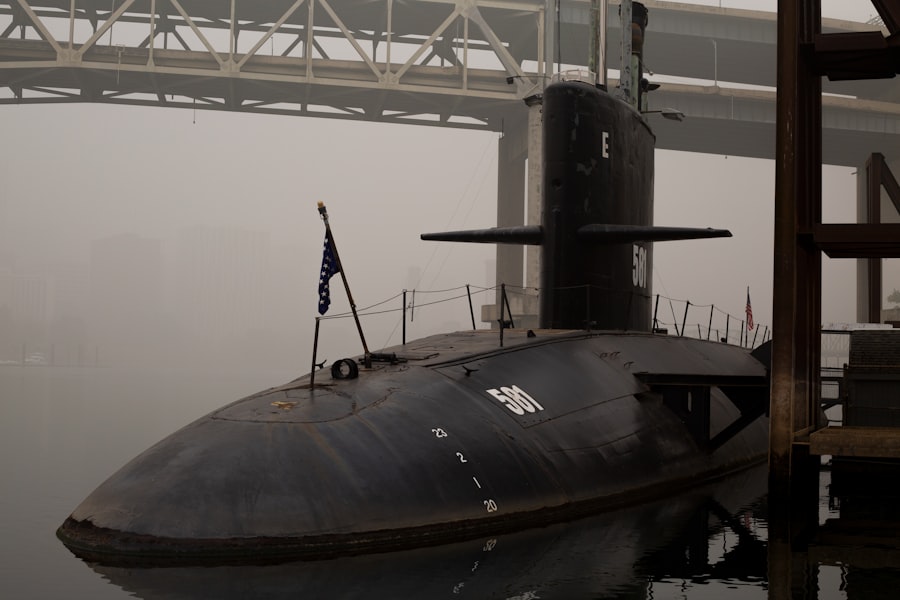
- Submarine-Launched Ballistic Missiles (SLBMs): The development of nuclear submarines carrying SLBMs provided a survivable second-strike capability, which many analysts believe was crucial in stabilizing the nuclear standoff.
- The Cuban Missile Crisis (1962): This harrowing confrontation brought the world to the brink of nuclear war and served as a stark lesson in the dangers of nuclear brinkmanship, ultimately reinforcing the logic of MAD.
Post-Cold War Realities and New Challenges
- The End of Bipolarity: The collapse of the Soviet Union altered the global strategic landscape, leading to questions about the future relevance of nuclear deterrence.
- Proliferation Concerns: The spread of nuclear weapons technology to new states has introduced new actors and new potential flashpoints.
- Emerging Technologies: The development of new military technologies, such as cyber warfare and advanced missile defense systems, could potentially disrupt the existing balance of nuclear deterrence.
The Paradox: Strength Rooted in Vulnerability

The very power of blinding nuclear deterrence is intrinsically linked to its inherent paradox: it relies on the willingness and ability to inflict unimaginable destruction. This means that stability is maintained not through confidence and cooperation, but through a constant, deeply unsettling apprehension. The strength of this strategy is, in essence, a reflection of its profound weakness – that its ultimate expression is the end of civilization.
The Logic of Self-Preservation
- Deterrence by Punishment: The primary mechanism of nuclear deterrence is the threat of severe punishment that outweighs any potential gain from aggression.
- Deterrence by Denial: This is a less developed concept in nuclear deterrence, suggesting the ability to prevent an adversary from achieving their objectives through defensive means. However, against a determined nuclear assault, denial is a near-impossible proposition.
The Shadow of Accidental War
- Technical Malfunctions and Human Error: Despite sophisticated systems, the risk of accidental war due to technical glitches or human error remains a persistent concern.
- Escalation from Conventional Conflict: A conventional conflict, especially one involving nuclear-armed states, could escalate out of control, leading to the unintended use of nuclear weapons.
- Cyber Threats: The increasing reliance on digital systems for command and control makes nuclear arsenals vulnerable to cyberattacks, which could have devastating consequences.
The Moral and Ethical Quagmire
- The Utilitarian Justification: Proponents of nuclear deterrence often argue that the potential suffering of millions in a nuclear war is justified by the lives saved by preventing larger conventional wars.
- The Immorality of Threat: Critics argue that the very act of threatening to annihilate civilian populations is inherently immoral, regardless of whether the threat is ever carried out.
- The Entrapment of Humanity: The reliance on nuclear weapons for security can create a perpetual state of near-catastrophe, effectively trapping humanity in a cycle of fear.
Blinding nuclear deterrence has been a topic of significant discussion in recent years, particularly in the context of evolving military strategies and international relations. A related article that delves deeper into this concept can be found on In The War Room, which explores the implications of advanced technologies on nuclear strategy. For those interested in understanding the nuances of this issue, the article provides valuable insights and analysis. You can read more about it here.
The Future of Blinding Deterrence in a Shifting World
| Metric | Description | Value/Estimate | Unit |
|---|---|---|---|
| Number of Nuclear Warheads | Estimated total nuclear warheads globally | 13,000 | Warheads |
| Second-Strike Capability | Ability to respond with nuclear force after a first strike | Maintained by 9 countries | Countries |
| Detection Time | Time to detect incoming nuclear missile launch | 5-10 | Minutes |
| Response Time | Time to authorize and launch retaliatory strike | 10-15 | Minutes |
| False Alarm Rate | Frequency of false nuclear attack warnings | Low but non-zero | Incidents per decade |
| Mutual Assured Destruction (MAD) | Strategic doctrine ensuring total destruction if attacked | Active | Status |
| Blinding Deterrence Effectiveness | Degree to which uncertainty deters first strike | High | Qualitative |
The strategic landscape is constantly evolving, and the traditional tenets of blinding nuclear deterrence are being challenged by new geopolitical realities, technological advancements, and evolving international norms. The question remains whether this seemingly entrenched strategy can adapt or if it will eventually be rendered obsolete or, worse, lead to an unforeseen catastrophe.
New Strategic Competitors and Nuclear Modernization
- The Rise of New Nuclear Powers: The emergence of new nuclear-armed states, with potentially different doctrines and risk tolerances, complicates the established deterrence calculus.
- Arms Modernization: Existing nuclear powers are investing heavily in modernizing their arsenals, developing new delivery systems and warheads, which could be perceived as destabilizing.
- Hypersonic Weapons and Emerging Technologies: The development of hypersonic missiles and other advanced weapons systems could challenge existing missile defense capabilities and shorten warning times, potentially increasing the temptation for preemptive strikes.
The Role of Arms Control and Diplomacy
- Treaty Negotiations and Verification: The effectiveness of arms control agreements in reducing nuclear arsenals and fostering transparency is crucial for maintaining stability.
- De-escalation Mechanisms: The development and strengthening of de-escalation channels and crisis communication mechanisms are vital for preventing miscalculations.
- Strengthening International Norms: Promoting norms against nuclear proliferation and the use of nuclear weapons remains a critical long-term objective.
The Ultimate Question: Is There an Alternative?
- Disarmament as the Ideal: For many, the ultimate goal remains the complete abolition of nuclear weapons, eliminating the threat of nuclear war entirely.
- Rethinking Security Paradigms: Exploring alternative security paradigms that emphasize cooperation, conflict resolution, and human security may offer paths away from the reliance on nuclear deterrence.
- The Long Road Ahead: The transition away from nuclear deterrence is a monumental undertaking, requiring sustained political will, global cooperation, and a fundamental reimagining of international security.
In conclusion, blinding nuclear deterrence, while a potent, albeit terrifying, force in international relations, is a strategy fraught with paradox and peril. It is a high-wire act performed over an abyss, where missteps carry the ultimate penalty. Its power lies in the calculated threat of an unprecedented catastrophe, a power born from the very vulnerability it seeks to exploit. As the global landscape continues to shift, the efficacy and sustainability of this strategy remain subjects of intense debate and critical concern for the future of humanity.
FAQs
What is nuclear deterrence?
Nuclear deterrence is a military strategy aimed at preventing an enemy from taking aggressive action by threatening them with the use of nuclear weapons. The idea is that the potential for devastating retaliation will discourage any initial attack.
How does “blinding” relate to nuclear deterrence?
“Blinding” in the context of nuclear deterrence refers to strategies or technologies designed to disrupt or neutralize an opponent’s ability to detect, track, or respond to a nuclear strike. This can include measures to impair early warning systems or missile guidance, thereby undermining the effectiveness of their deterrent capabilities.
Why is maintaining credible nuclear deterrence important?
Maintaining credible nuclear deterrence is important because it helps prevent nuclear conflict by ensuring that any potential aggressor believes that a retaliatory strike would be inevitable and devastating. This credibility relies on reliable delivery systems, effective command and control, and the ability to survive a first strike.
What are some challenges associated with blinding nuclear deterrence systems?
Challenges include technological advancements that can bypass or counter blinding measures, the risk of misinterpretation or accidental escalation due to impaired detection, and the ethical and strategic implications of undermining an opponent’s early warning capabilities.
How do international treaties impact nuclear deterrence strategies?
International treaties, such as the Strategic Arms Reduction Treaty (START) and the Treaty on the Non-Proliferation of Nuclear Weapons (NPT), aim to limit the number and types of nuclear weapons and delivery systems. These agreements influence deterrence strategies by promoting transparency, reducing the risk of arms races, and encouraging disarmament efforts.