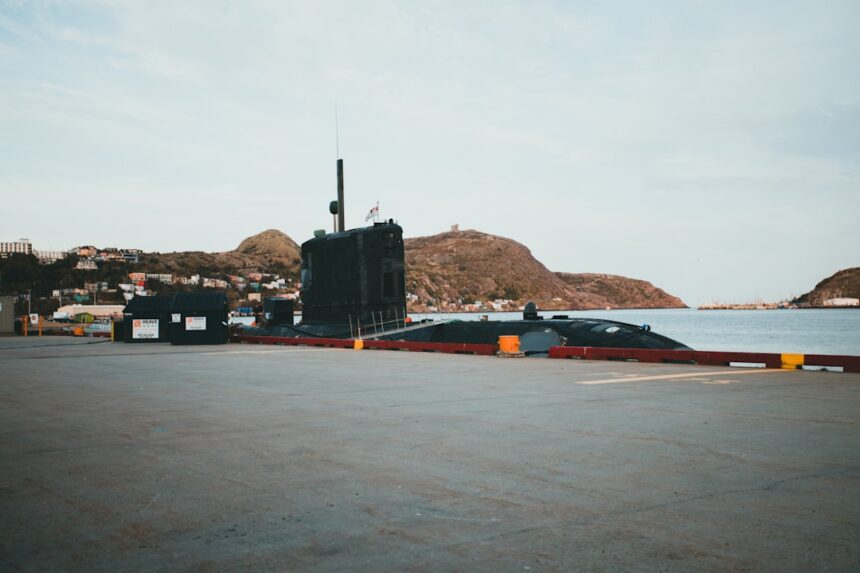
The unseen depths of the ocean have long presented a formidable challenge to human ingenuity. For centuries, maritime warfare operated predominantly on the surface, a visible and often brutally direct affair. However, the advent of the submarine drastically altered this paradigm, introducing a clandestine threat that could strike from beneath, unseen and unheard. This technological leap necessitated a corresponding and equally transformative leap in defensive capabilities: the ability to detect these silent hunters. The history of submarine detection technology is a testament to human perseverance in the face of an evolving and increasingly sophisticated hidden adversary.
Before the term “sonar” became commonplace, early attempts to detect submerged vessels relied heavily on human ears and rudimentary acoustic principles. The inherent physics of sound propagation in water, where waves travel faster and further than in air, naturally steered early inventors towards acoustic solutions.
The Hydrophone: Listening to the Depths
The birth of the hydrophone, essentially an underwater microphone, marked the initial foray into acoustic submarine detection. While the concept of listening underwater had existed in various forms for millennia (think of a sailor pressing an ear to the ship’s hull), the early 20th century saw the development of more sophisticated and sensitive devices.
- World War I Impetus: The devastating effectiveness of German U-boats during the First World War spurred urgent development in this area. Scientists and engineers on both sides of the conflict grappled with the challenge of detecting a submerged, almost imperceptible adversary.
- Early Designs and Limitations: Initial hydrophones were often simple carbon microphones encased in waterproof housings. These passive listening devices could detect the propeller cavitation, engine noise, or other operational sounds generated by a submarine. However, their range was limited, and distinguishing a submarine from marine life or general ocean noise proved a significant hurdle. Imagine, for a moment, trying to pick out a specific whisper in a bustling marketplace; such were the early challenges faced by hydrophone operators.
Passive Acoustic Surveillance: Building a Network
As hydrophone technology improved, so too did the understanding of how to deploy and utilize these devices effectively. The focus was on passive listening, allowing the detector to remain silent and undetected, a key advantage in the cat-and-mouse game of submarine warfare.
- Fixed Hydrophone Arrays: One notable development involved deploying arrays of hydrophones at strategic choke points or along coastlines. These networks were designed to triangulate the position of a detected sound source by analyzing the time difference of arrival of the sound at different hydrophones. This method, while more effective than a single hydrophone, was still susceptible to environmental noise and the limitations of the technology itself.
- Early Challenges in Data Interpretation: The raw acoustic data often presented a complex tapestry of sounds. Operators required extensive training and experience to differentiate genuine submarine signatures from the myriad of other underwater noises, including natural phenomena like whale songs or seismic activity. The ocean, in a sense, was an incredibly noisy soundscape, and the submarine’s subtle hum was easily lost amidst the cacophony.
The history of submarine detection technology is a fascinating journey that highlights the evolution of naval warfare and technological advancements. For a deeper understanding of this topic, you can explore the article on submarine detection systems, which outlines the key developments and innovations that have shaped the field over the years. To read more about this intriguing subject, visit this article.
The Active Sonar Revolution: Echoes in the Deep
While passive detection offered stealth, it lacked the ability to definitively pinpoint a submerged object’s precise location and range without additional information. The breakthrough came with the development of active sonar, a technology that actively broadcasts sound waves and listens for their echoes.
PING: Sounding the Depths
The principle behind active sonar is analogous to how bats navigate or how a person might shout into a cave to gauge its size. A transducer emits a sound pulse, and if it encounters an object, a portion of that sound energy reflects back as an echo.
- World War II Acceleration: The need to combat the U-boat threat during World War II dramatically accelerated active sonar development. The term “ASDIC” (Anti-Submarine Detection Investigation Committee) became synonymous with this technology in the Allied navies, while the United States adopted the term “SONAR” (Sound Navigation And Ranging).
- Fundamental Operation: Active sonar systems typically consist of a transducer that converts electrical energy into sound waves and then converts the returning sound echoes back into electrical signals. These signals are then processed and displayed, providing information about the target’s range, bearing, and often its depth. The “ping” of an active sonar system became an iconic sound of the naval battlefields of the mid-20th century, a stark indicator that the hunter was now being hunted.
Transducer Technology and Beamforming
The effectiveness of active sonar hinges significantly on the design and capabilities of its transducers and the ability to focus and steer the sound beam.
- Magnetostrictive and Piezoelectric Transducers: Early transducers often utilized magnetostriction, a property of certain materials to change shape when exposed to a magnetic field. Later, piezoelectric materials, which generate an electrical charge when mechanically stressed and vice-versa, became dominant due to their higher efficiency and broader frequency response.
- Beamforming Techniques: To improve detection range and angular resolution, engineers developed techniques to “steer” the sound emitted by the transducer. By strategically exciting different elements within a transducer array with precisely timed electrical pulses, the sound waves can be focused into a narrow beam, much like a spotlight focuses light. This allows the sonar to concentrate its energy in specific directions, increasing the likelihood of detecting a distant submarine and reducing interference from other directions.
Post-War Advancements: A Symphony of Sensors
The immediate post-WWII era saw a relentless pursuit of improved detection capabilities, driven by the Cold War and the proliferation of more advanced, quieter submarines. The focus shifted from isolated technologies to integrated systems and a multi-sensor approach.
Hull-Mounted and Towed Sonar Arrays
While hull-mounted sonar provided immediate tactical awareness, its effectiveness is limited by ship-generated noise and the inherent limitations of aperture size. The solution involved extending the acoustic “ears” of the detecting vessel.
- Variable Depth Sonar (VDS): Recognizing that temperature and salinity gradients in the ocean can bend and refract sound waves (creating “shadow zones”), Variable Depth Sonar (VDS) was developed. VDS allows the sonar transducer to be lowered to different depths, effectively probing various ocean layers to overcome these acoustic obstacles. This adaptability was crucial in the complex and layered acoustic environment of the ocean.
- Towed Array Sonar (TAS): Towed array sonar represented a significant leap forward in passive detection. These long, flexible arrays of hydrophones are towed far behind a ship, placing them away from the ship’s own noise and providing a much larger “listening ear.” The length of the array drastically improves directional accuracy and sensitivity, allowing the detection of much fainter and more distant submarine sounds. Imagine, if you will, extending your ear across a vast distance to capture the faintest murmur; this is the power of a towed array.
Sonobuoys: Disposable Ears in the Water
For air anti-submarine warfare (ASW), the development of sonobuoys revolutionized the ability to detect submarines from aircraft.
- Passive and Active Sonobuoys: Sonobuoys are small, expendable devices dropped from aircraft that deploy a hydrophone (passive) or a transducer (active) into the water. They then transmit acoustic data wirelessly back to the aircraft.
- Pattern Deployment and Cooperative Detection: Aircraft can drop patterns of sonobuoys, creating a wide acoustic net to actively search for or passively track submarines. This allows for rapid coverage of large areas, offering a crucial advantage in situations where a submarine’s last known position is broad. Think of them as numerous small ears scattered across the ocean’s surface, all listening and relaying information to a central intelligence.
Non-Acoustic Detection: Beyond Sound
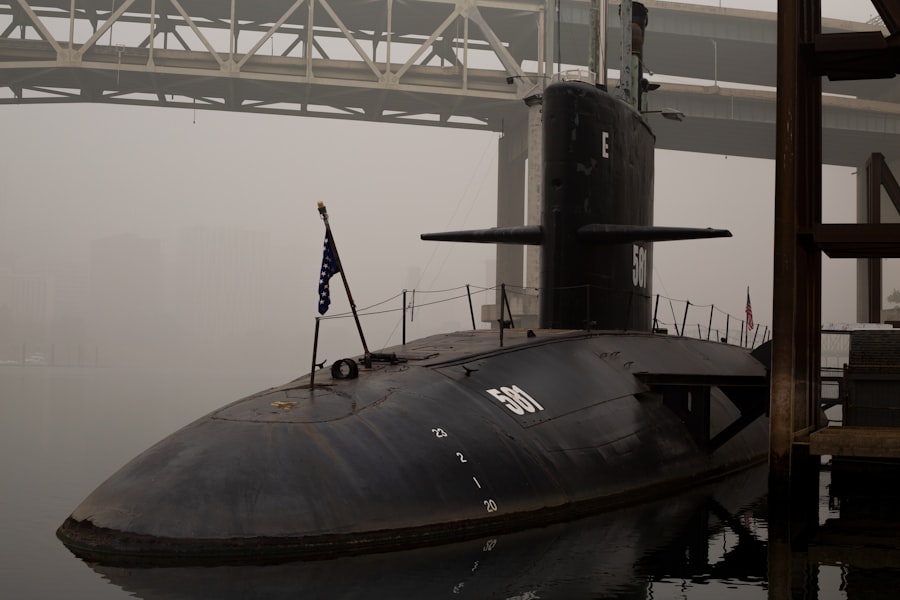
While acoustics remains the cornerstone of submarine detection, other physical phenomena can also betray a submarine’s presence. These non-acoustic methods offer complementary detection capabilities, particularly against extremely quiet submarines or in situations where acoustic detection is hampered.
Magnetic Anomaly Detection (MAD)
Every metallic object creates a distortion in the Earth’s natural magnetic field. This principle forms the basis of Magnetic Anomaly Detection (MAD).
- Application in Air ASW: MAD sensors, typically mounted on aircraft with long booms (to minimize interference from the aircraft’s own magnetic signature), can detect the subtle magnetic disturbance created by a submarine passing underneath. It is particularly effective as a final localization tool once an area of interest has been identified by other means. However, its range is extremely limited, acting more like a narrow “magnetic broom” sweeping a very specific path.
- Limitations and Countermeasures: The short detection range is a significant limitation of MAD. Submarines can also employ degaussing systems to reduce their magnetic signature, further complicating detection.
Infrared (IR) and Other Emerging Technologies
As submarine technology continues to evolve, so too do the efforts to find new ways to detect them. Infrared and other advanced sensor technologies are constantly being explored.
- Thermopiles and Thermal Signatures: While a submerged submarine is largely insulated from the surface, it still generates heat. Minute thermal plumes or disturbances on the surface of the water, caused by the submarine’s passage, can potentially be detected by highly sensitive infrared sensors under ideal conditions. This is still a developing field, often battling the natural variability of ocean temperatures and currents.
- LIDAR and Laser-Based Detection: Research into LIDAR (Light Detection And Ranging) for submarine detection explores using laser pulses to penetrate the upper layers of the ocean and detect submerged objects. However, the rapid attenuation of light in water poses significant challenges, limiting its current effectiveness to relatively shallow depths and clear water conditions.
The evolution of submarine detection technology has been a fascinating journey, marked by significant advancements and challenges throughout history. One particularly insightful article that delves into this topic is available at In the War Room, where you can explore the various methods developed over the years, from early sonar systems to modern acoustic and non-acoustic detection techniques. This resource provides a comprehensive overview of how these technologies have shaped naval warfare and maritime security.
The Future of Submarine Detection: A Multi-Domain Challenge
| Year | Technology | Description | Significance |
|---|---|---|---|
| 1914 | Hydrophones | Early passive underwater listening devices used during WWI. | First practical method for detecting submarines acoustically. |
| 1918 | ASDIC (Sonar) | Active sonar system developed by the British to detect submarines by echo location. | Revolutionized submarine detection with active sound pulses. |
| 1940s | Magnetic Anomaly Detectors (MAD) | Devices that detect disturbances in Earth’s magnetic field caused by submarines. | Enhanced detection capabilities from aircraft and ships. |
| 1950s | Sonobuoys | Deployable sonar devices dropped from aircraft to detect submarines underwater. | Extended detection range and flexibility in anti-submarine warfare. |
| 1960s | Low Frequency Active Sonar (LFAS) | Sonar using low frequency sound waves to detect submarines at greater distances. | Improved long-range submarine detection. |
| 1980s | Integrated Undersea Surveillance System (IUSS) | Network of fixed and mobile sensors including SOSUS arrays for continuous monitoring. | Provided persistent global submarine tracking capabilities. |
| 2000s | Non-Acoustic Detection Methods | Techniques using bioluminescence, wake detection, and satellite surveillance. | Supplemented traditional sonar with new detection modalities. |
| 2010s | Autonomous Underwater Vehicles (AUVs) | Robotic submarines equipped with sensors for covert submarine detection. | Enhanced stealthy and persistent underwater surveillance. |
The cat-and-mouse game between submarines and their detectors is a continuous arms race. As submarines become quieter, faster, and more deceptive, detection technologies must become more sophisticated, integrated, and intelligent.
Autonomous Systems and Artificial Intelligence
The increasing complexity of underwater acoustics and the sheer volume of data necessitate the integration of advanced computational power.
- Unmanned Underwater Vehicles (UUVs): UUVs equipped with advanced sonar and other sensors can operate autonomously for extended periods, covering vast areas and performing reconnaissance missions without risking human lives. These robotic sentinels can act as forward observers, extending the reach of traditional naval assets.
- Machine Learning and AI-Powered Signal Processing: Artificial intelligence and machine learning algorithms are being increasingly employed to process vast amounts of acoustic data, identify subtle submarine signatures amidst noise, and even predict submarine behavior based on historical data. This transformation moves beyond human interpretation, allowing for faster and more accurate analysis of the ocean’s acoustic tapestry. The aim is to have algorithms that can “hear” what human ears might miss, or differentiate subtle cues that signify a submarine’s presence, like finding a unique thread in a complex weave.
Sensor Fusion and Network-Centric Warfare
No single detection method is foolproof. The future of submarine detection lies in the effective integration and fusion of data from multiple disparate sensors.
- Integrated Sensor Suites: Naval platforms are increasingly being equipped with comprehensive sensor suites that combine traditional sonar with MAD, passive acoustic arrays, and even experimental non-acoustic sensors.
- Networked Detection Systems: The concept of network-centric warfare extends this integration across multiple platforms – ships, aircraft, autonomous vehicles, and even seabed sensors – sharing data in real-time to create a more complete and coherent picture of the underwater battlespace. This collective intelligence, like a vast network of interconnected eyes and ears, offers the best chance of consistently detecting and tracking the ever more elusive submarine. The ocean, once an arena of isolated confrontations, is increasingly becoming a vast, interconnected digital canvas, where every whisper and ripple potentially tells a story.
From the rudimentary hydrophones of World War I to the sophisticated AI-powered networks of today, the evolution of submarine detection technology mirrors the relentless pursuit of information in the opaque realm of the underwater world. The challenge persists, but human ingenuity, fueled by necessity and technological advancement, continues to illuminate the unseen depths.
FAQs
What is submarine detection technology?
Submarine detection technology refers to the methods and tools used to locate and track submarines underwater. This includes sonar systems, magnetic anomaly detectors, radar, and other acoustic and non-acoustic sensors designed to identify the presence and movement of submarines.
When did submarine detection technology first develop?
Submarine detection technology began developing during World War I, as navies sought ways to counter the threat posed by enemy submarines. Early methods included passive listening devices and hydrophones, which evolved into more sophisticated active sonar systems by World War II.
How has sonar technology evolved in submarine detection?
Sonar technology has evolved from simple passive listening devices to advanced active sonar systems capable of emitting sound pulses and analyzing their echoes. Modern sonar includes both hull-mounted and towed array systems, improving detection range, accuracy, and the ability to differentiate between submarines and other underwater objects.
What role did the Cold War play in advancing submarine detection technology?
The Cold War significantly accelerated the development of submarine detection technology due to the strategic importance of tracking nuclear submarines. Both the United States and the Soviet Union invested heavily in sonar arrays, underwater surveillance networks, and signal processing techniques to maintain underwater situational awareness.
Are there non-acoustic methods used in submarine detection?
Yes, non-acoustic methods include magnetic anomaly detectors (MAD) that sense disturbances in the Earth’s magnetic field caused by submarines, as well as infrared sensors, radar, and satellite surveillance. These technologies complement sonar by providing additional means to detect submarines, especially in shallow or noisy environments.