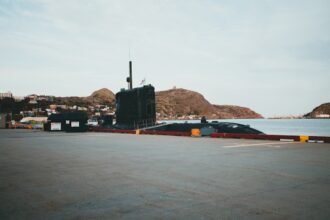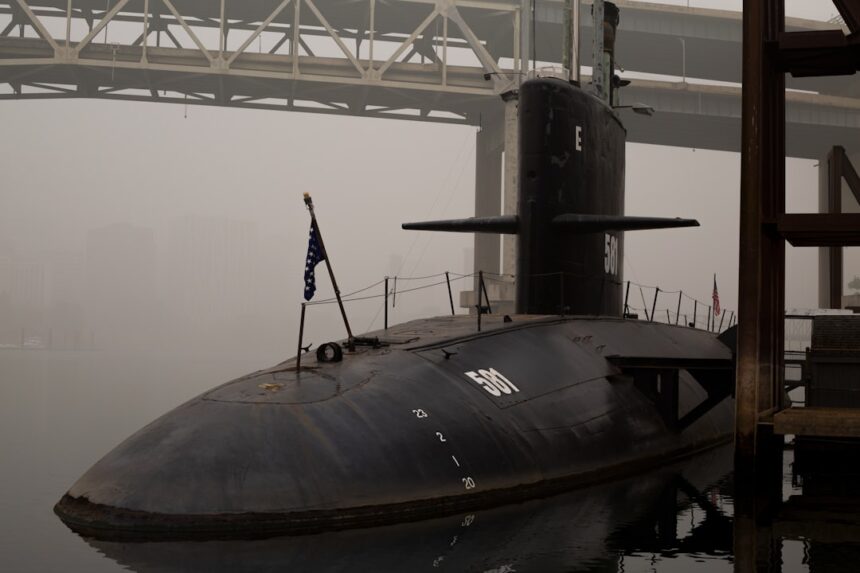
Submarine warfare, an enigmatic realm shrouded in the depths of the world’s oceans, represents a pivotal and often terrifying facet of modern military strategy. Its very nature, defined by stealth and the element of surprise, renders it a discipline unlike any other. For centuries, the concept of underwater vessels capable of offensive operations remained largely in the domain of fiction. However, the dawn of the 20th century saw these nascent dreams solidify into tangible, formidable weapons platforms, forever changing the landscape of naval engagements. This article delves into the intricate tapestry of submarine warfare, exploring its technological evolution, strategic implications, and the profound human element that underpins its unique challenges.
The Genesis of Subsurface Dominance
The journey into the depths began not with sophisticated nuclear-powered behemoths, but with rudimentary experimental vessels that often put their intrepid inventors and crews at immense risk. Understanding this nascent period is crucial to appreciating the extraordinary advancements that followed.
Early Concepts and Practical Applications
The idea of underwater craft dates back centuries, with Leonardo da Vinci reportedly sketching designs for such a vessel. However, it was Cornelius Drebbel, a Dutch inventor in the 17th century, who successfully constructed and demonstrated a functional, albeit limited, submarine to King James I. These early attempts often relied on simple ballast systems and manual propulsion, offering fleeting glimpses into a potential future. While these early vessels were more curiosities than viable weapons, they laid the conceptual groundwork. The American Civil War saw the Confederate submarine H.L. Hunley achieve notoriety by sinking the USS Housatonic, marking the first successful submarine attack on a warship. This act, while tragically claiming the lives of the Hunley’s crew, served as a grim testament to the disruptive potential of subsurface warfare.
Technological Leapfrogs of the Early 20th Century
The turn of the 20th century witnessed a rapid acceleration in submarine technology. Innovations in propulsion, particularly the development of diesel-electric engines suitable for extended underwater operations, proved transformative. The introduction of the Whitehead torpedo provided these vessels with a formidable offensive capability, turning them from stealthy reconnaissance platforms into deadly hunters. Nations like Great Britain, Germany, and the United States poured resources into developing their submarine fleets, recognizing their strategic value in challenging established naval powers. This period set the stage for the dramatic and often brutal role submarines would play in the world wars.
The World Wars: Submarines as Game Changers
The two global conflicts of the 20th century provided the crucibles in which submarine warfare was truly forged. Their impact on global supply lines and naval dominance is undeniable, leaving an indelible mark on military history.
World War I: The U-Boat Menace
Germany’s U-boat campaigns in World War I represent a stark illustration of the devastating effectiveness of unrestricted submarine warfare. Faced with a numerically superior Royal Navy, Germany’s naval strategy pivoted to disrupting Allied shipping lanes. These underwater predators, operating with relative impunity in the vastness of the Atlantic, sank millions of tons of Allied merchant shipping, threatening to strangle Britain’s war effort. The sinking of the Lusitania, a civilian passenger liner, by a German U-boat in 1915, ignited international outrage and played a significant role in shifting public opinion. The war spurred the development of anti-submarine warfare (ASW) tactics and technologies, including hydrophones for detecting submarines and depth charges for attacking them. This relentless cat-and-mouse game defined much of the naval conflict.
World War II: The Battle of the Atlantic and Pacific Submarine Warfare
World War II amplified the scale and intensity of submarine warfare to unprecedented levels. The Battle of the Atlantic, a prolonged and brutal struggle between German U-boats and Allied convoys, became a central theater of the war. German wolfpack tactics, where groups of U-boats coordinated attacks on convoys, inflicted heavy losses. However, Allied technological advancements, including radar, high-frequency direction finding (HF/DF or “Huff-Duff”), and the breaking of the Enigma code, gradually tipped the balance. In the Pacific, American submarines played a crucial and often overlooked role in crippling Japan’s merchant fleet and imperial navy. Their relentless attacks severely hampered Japan’s ability to resupply its forces and access vital resources, arguably contributing significantly to the Allied victory. The sheer scale of destruction wrought by submarines in these conflicts cemented their place as essential, albeit terrifying, instruments of war.
The Cold War and the Nuclear Dimension
The advent of nuclear power transformed submarines from conventional weapons platforms into strategic assets of immense power, fundamentally altering the calculus of global military confrontation.
Nuclear Propulsion and Ballistic Missile Submarines (SSBNs)
The development of nuclear propulsion in the mid-20th century revolutionized submarine design. Nuclear submarines could remain submerged for months, limited only by crew endurance and provisions, effectively operating with unlimited range. This technological leap enabled the creation of the ballistic missile submarine (SSBN). These “boomers,” as they are sometimes called, carry intercontinental ballistic missiles capable of delivering nuclear warheads to distant targets. Their stealth and ability to patrol vast ocean areas make them an almost undetectable component of a nation’s nuclear deterrent. The concept of “mutually assured destruction” (MAD) is inherently linked to these vessels, as their survivability ensures a devastating retaliatory strike, even after a first attack.
Attack Submarines (SSNs) and Anti-Submarine Warfare (ASW) Evolution
Parallel to the development of SSBNs, nuclear-powered attack submarines (SSNs) also emerged as formidable hunters. These versatile vessels are designed to seek out and destroy enemy submarines, surface ships, and conduct covert operations. Their speed, endurance, and advanced sonar systems make them the apex predators of the underwater realm. The technological arms race during the Cold War saw continuous advancements in anti-submarine warfare (ASW) capabilities. Sophisticated sonar arrays, specialized ASW aircraft, and surface ships equipped with advanced sensors and weapons were developed to counter the growing threat posed by increasingly quiet and capable submarines. This ongoing technological duel became a silent, high-stakes game played beneath the waves.
The Human Element: Life Beneath the Surface
Beyond the technological marvels and strategic implications, submarine warfare exacts a unique human toll. The men and women who serve aboard these vessels endure conditions that test the limits of human endurance and psychological resilience.
The Isolated World of Submariners
Imagine a metallic cylinder, many meters below the ocean’s surface, where sunlight is a forgotten memory and the rhythmic hum of machinery is a constant companion. This is the world of the submariner. Confined spaces, a lack of privacy, and prolonged periods of separation from family and the outside world create an environment that demands exceptional mental fortitude. Every decision made by the captain and crew can have catastrophic consequences, placing immense pressure on individuals. The camaraderie and trust among submariners are legendary, forging bonds that transcend conventional military units. They are, in essence, a self-contained ecosystem, relying implicitly on one another for survival.
Psychological Challenges and Training Regimen
The psychological demands of submarine service are profound. The constant threat of attack, the awareness of the immense destructive power onboard, and the claustrophobic environment can take a significant toll. Submariners undergo rigorous selection and training processes designed to identify individuals with the emotional stability, resilience, and problem-solving skills necessary to thrive in such an environment. Emergency procedures, from fire-fighting to damage control, are drilled relentlessly, transforming instinct into automatism. This intense preparation ensures that crews can react effectively and calmly in the face of unexpected crises, often in conditions where a single mistake can be fatal. The silent service, as it is often called, requires a silently strong mind.
Modern Submarine Warfare: A Persistent Shadow
Even in an age of satellite surveillance and increasingly networked battlefields, the submarine retains its paramount strategic importance, adapting to new threats and capabilities.
Stealth Technology and Autonomous Systems
Modern submarine design continues to prioritize stealth above all else. Advances in anechoic coatings, magnetic silencing, and innovative propulsion systems have made contemporary submarines incredibly quiet, making them exceedingly difficult to detect. This “acoustic signature” is the lifeblood of their operational effectiveness. Furthermore, the burgeoning field of autonomous underwater vehicles (AUVs) is beginning to integrate into submarine warfare. These unmanned drones can extend a submarine’s sensor reach, conduct reconnaissance, and even potentially engage targets, offering a glimpse into the future of subsurface operations. The integration of artificial intelligence promises to further enhance their capabilities.
Strategic Relevance in the 21st Century
In the 21st century, submarines remain a vital component of naval power for many nations. They serve as platforms for intelligence gathering, special operations, and projecting power in littoral zones. Their ability to remain undetected makes them ideal for covert missions and for denying an adversary free access to naval areas. As global powers continue to invest heavily in their submarine fleets, the underwater realm continues to be a crucial arena for strategic competition and deterrence. The silent patrol is a persistent shadow, a testament to the enduring effectiveness and existential threat posed by these vessels. The complex interplay of technology, human resilience, and strategic imperative ensures that submarine warfare will remain one of the most hidden, yet profoundly impactful, aspects of modern conflict.
FAQs
What is submarine warfare?
Submarine warfare involves the use of submarines to conduct military operations underwater, primarily targeting enemy ships and naval vessels. It plays a strategic role in naval combat by enabling stealth attacks and reconnaissance.
When did submarine warfare first become significant?
Submarine warfare became notably significant during World War I, with the German U-boat campaigns disrupting Allied shipping. It further evolved in World War II with advancements in submarine technology and tactics.
What are some hidden truths about submarine warfare?
Hidden truths include the high risks faced by submariners, the psychological challenges of underwater combat, and the often secretive nature of submarine missions. Additionally, many submarine engagements remain classified or less publicized compared to surface naval battles.
How do submarines detect and engage enemy vessels?
Submarines use sonar systems to detect enemy vessels by emitting sound waves and analyzing their echoes. They engage targets using torpedoes or missiles, often relying on stealth to approach undetected.
What impact has submarine warfare had on naval strategy?
Submarine warfare has significantly influenced naval strategy by emphasizing stealth, surprise attacks, and the protection of maritime supply routes. It has led to the development of anti-submarine warfare tactics and technologies to counter submarine threats.