The maritime theater of the Cold War was a silent, submerged battlefield, a domain where the Soviet Union’s naval intelligence apparatus operated with formidable clandestine proficiency. This intricate network, a crucial arm of the broader Soviet intelligence community, played a pivotal role in shaping geopolitical dynamics, collecting critical information, and countering Western naval power. To truly understand the Cold War’s undercurrents, one must delve into the labyrinthine world of Soviet naval intelligence, an organization meticulously crafted and relentlessly deployed.
The origins of Soviet naval intelligence, like many institutions within the USSR, can be traced back to the revolutionary period, albeit in a nascent form. However, its true development as a sophisticated and centralized entity began in the post-World War II era, fueled by the emerging superpower rivalry and the Soviet Union’s ambition to project global naval power.
Early Foundations and World War II Influence
Even before the Cold War officially began, the Soviet Navy recognized the importance of intelligence gathering. During World War II, naval intelligence operations primarily focused on tactical reconnaissance, mine warfare intelligence, and decoding enemy communications. This period, while primarily a land-based conflict for the USSR, provided valuable lessons in information warfare and the necessity of dedicated intelligence branches.
Post-War Expansion and the Rise of the GRU’s Naval Arm
With the onset of the Cold War, the Soviet Union initiated a massive naval expansion program. Concurrently, its naval intelligence structure underwent a significant overhaul. The Main Intelligence Directorate (GRU), the foreign military intelligence agency of the Soviet General Staff, solidified its control over naval intelligence operations. Within the GRU, dedicated departments were established to focus specifically on naval matters, encompassing everything from naval reconnaissance (Razvedka) to signal intelligence (SIGINT). This centralized control ensured a unified approach to intelligence gathering across all Soviet fleets.
Key Organizational Components
The Soviet naval intelligence apparatus was characterized by a hierarchical and compartmentalized structure. Key components included:
- Intelligence Directorates within Fleet Staffs: Each of the Soviet Union’s four main fleets (Northern, Pacific, Baltic, and Black Sea) possessed its own intelligence directorate, responsible for localized intelligence gathering, analysis, and dissemination. These directorates were crucial for immediate operational support.
- Special Purpose Naval Units (Spetsnaz): While often associated with direct action and sabotage, naval Spetsnaz units also performed clandestine reconnaissance missions, infiltrating enemy coastlines and observing naval installations. Their training emphasized stealth, combat diving, and covert operations.
- Scientific and Technical Intelligence Departments: These departments focused on acquiring foreign naval technology, ranging from radar systems and sonar to missile guidance and propulsion. This aspect was crucial for bridging technological gaps and developing countermeasures.
During the Cold War, Soviet Union naval intelligence played a crucial role in shaping maritime strategies and countering Western naval operations. An insightful article that delves into the intricacies of this topic can be found at In the War Room, where it explores the tactics employed by Soviet naval intelligence and their impact on global naval dynamics during this tense period.
Methods of Collection: A Multi-Spectrum Approach
The Soviet Union’s naval intelligence employed a diverse array of collection methods, a testament to its comprehensive strategy. From overt observation to deep-cover espionage, every available avenue was exploited to gather critical information about adversarial naval forces.
Human Intelligence (HUMINT) Operations
HUMINT, the collection of information from human sources, was a cornerstone of Soviet naval intelligence. This involved:
- Agents and Infiltrators: Soviet intelligence services, including the GRU, actively recruited agents within Western naval establishments, defense industries, and research institutions. These agents often provided invaluable insights into naval capabilities, operational plans, and technological advancements.
- Diplomatic and Consular Cover: Naval attachés and other personnel stationed in Soviet embassies and consulates abroad often served as intelligence officers under diplomatic cover, gathering information through overt observation, social interactions, and cultivating contacts.
- Defectors and Interrogations: While less reliable as a consistent source, defectors from Western navies or captured personnel could provide significant intelligence, particularly concerning classified procedures or technologies.
Signal Intelligence (SIGINT) and Electronic Warfare (EW)
SIGINT, encompassing the interception and analysis of electronic communications and signals, was a critically important domain for Soviet naval intelligence.
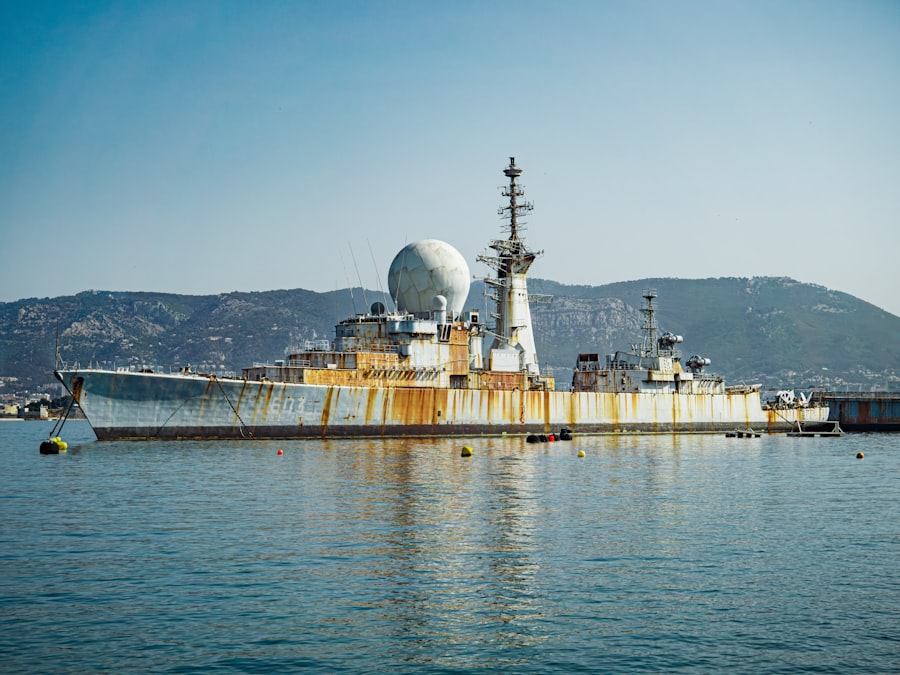
- Reconnaissance Vessels (AGIs): These specialized “auxiliary general intelligence” ships, often disguised as fishing trawlers or oceanographic research vessels, were equipped with a vast array of antennas and electronic eavesdropping equipment. They routinely shadowed Western naval exercises, collected radar emissions, intercepted communications, and mapped sonar signatures.
- Submarine SIGINT Platforms: Soviet submarines, particularly those modified for intelligence gathering, provided an unparalleled ability to operate covertly close to enemy coastlines and within designated operational areas, intercepting signals with minimal risk of detection.
- Land-Based Listening Posts: A global network of land-based listening posts, particularly in allied nations or strategically important locations, contributed to the overall SIGINT effort, monitoring naval communications and tracking deployments.
Open-Source Intelligence (OSINT) and Imagery Intelligence (IMINT)
While less glamorous, OSINT and IMINT provided foundational layers of intelligence.
- Publicly Available Information: Analysis of Western military publications, academic journals, shipbuilding records, and even local newspapers provided valuable insights into naval construction programs, technological trends, and strategic thinking.
- Satellite Reconnaissance: As the Cold War progressed, Soviet orbital reconnaissance satellites became increasingly sophisticated, providing high-resolution imagery of naval bases, shipyards, and fleet movements. This offered a broader, strategic overview of Western naval posture.
- Aerial Reconnaissance: Although more risky, specific reconnaissance aircraft, such as modified versions of the Tu-95 Bear, conducted perimeter flights near Western naval exercises and installations, collecting photographic and electronic intelligence.
The Subsurface Chessboard: Underwater Intelligence Operations
The Cold War’s defining naval struggle took place beneath the waves. Soviet naval intelligence understood the critical importance of understanding and countering Western submarine forces, particularly the quiet, nuclear-armed ballistic missile submarines (SSBNs).
Acoustic Intelligence (ACINT) and Oceanography
The “battle of the decibels” was a crucial aspect of underwater intelligence.
- Hydrophone Arrays: The Soviet Navy invested heavily in passive sonar systems and established extensive undersea hydrophone arrays, akin to an elaborate underwater nervous system, to detect and track Western submarines.
- Acoustic Signatures Libraries: Meticulous efforts were made to build comprehensive libraries of acoustic signatures for every class of Western submarine, including propeller cavitation, machinery noise, and specialized equipment sounds. This allowed for precise identification and tracking.
- Oceanographic Research: Understanding oceanographic conditions – water temperature, salinity, currents, and bottom topography – was paramount for predicting sonar performance and optimizing submarine operations. Soviet “research vessels” often doubled as intelligence platforms, gathering crucial oceanographic data.
Submarine-on-Submarine Intelligence
Direct encounters between Soviet and Western submarines were not uncommon, often leading to tense cat-and-mouse games where each side sought to gain intelligence on the other’s capabilities.
- “Bumping” and Tracking: Soviet attack submarines (SSNs) were tasked with tracking Western SSBNs and SSNs, observing their patrol patterns, and attempting to gather acoustic and operational intelligence. These close encounters, sometimes resulting in minor collisions, were high-stakes intelligence missions.
- Weapon System Evasion and Countermeasures: Observing how Western submarines reacted to perceived threats or deployed countermeasures provided valuable intelligence for developing Soviet anti-submarine warfare (ASW) tactics and technologies.
Notable Achievements and Setbacks
Like any intelligence organization, Soviet naval intelligence experienced both significant successes and notable failures, each profoundly impacting the Cold War narrative.
Successes in Technology Acquisition
One of the most enduring achievements of Soviet naval intelligence was its relatively consistent success in acquiring Western naval technology.
- Reverse Engineering: Through agent networks and SIGINT, blueprints, technical specifications, and even physical components of Western naval systems were obtained. This facilitated reverse engineering and allowed the Soviets to accelerate their own technological development, sometimes reducing a decade of research into a few years.
- Understanding Western Doctrine: By analyzing intercepted communications and observing exercises, Soviet naval intelligence gained a deep understanding of Western naval doctrine, strategies, and operational procedures, allowing them to anticipate potential moves and develop effective countermeasures.
The Loss of K-129 and Other Setbacks
Despite its capabilities, Soviet naval intelligence was not infallible.
- The K-129 Incident (Project Azorian): The sinking of the Soviet Golf-class submarine K-129 in 1968 and the subsequent CIA operation (Project Azorian) to recover parts of it was a significant intelligence coup for the West and a considerable embarrassment for the Soviet Union. The US gained access to sensitive equipment and codes.
- Counter-Intelligence Efforts: Western counter-intelligence agencies worked tirelessly to penetrate and disrupt Soviet naval intelligence networks, leading to the apprehension of agents and the compromise of operations. The very nature of clandestine intelligence is a constant battle of wits.
During the Cold War, the Soviet Union’s naval intelligence played a crucial role in shaping maritime strategies and countering Western naval operations. A fascinating exploration of this topic can be found in a related article that delves into the intricacies of Soviet naval tactics and their impact on global naval power dynamics. For those interested in understanding the complexities of this era, the article provides valuable insights into the operations and methodologies employed by Soviet naval intelligence. You can read more about it in this detailed analysis.
The Legacy and Dissolution
| Metric | Details | Time Period | Significance |
|---|---|---|---|
| Primary Agency | GRU (Main Intelligence Directorate) | Cold War (1947-1991) | Responsible for naval intelligence and espionage operations |
| Number of Naval Intelligence Officers | Estimated 5,000-7,000 active personnel | 1960s-1980s | Conducted reconnaissance, signals intelligence, and human intelligence |
| Key Intelligence Methods | Signals Intelligence (SIGINT), Human Intelligence (HUMINT), Electronic Surveillance | Cold War | Monitored NATO naval movements and communications |
| Number of Spy Ships | Approximately 10-15 specialized vessels | 1970s-1980s | Used for electronic eavesdropping and tracking NATO fleets |
| Submarine Intelligence Operations | Deployment of Echo and Victor class submarines for covert surveillance | 1960s-1980s | Gathered acoustic and electronic data on US and NATO submarines |
| Notable Intelligence Success | Detection of US Polaris missile submarines’ patrol routes | 1970s | Enhanced Soviet naval strategic planning and countermeasures |
| Counterintelligence Efforts | Extensive measures to prevent NATO infiltration and espionage | Cold War | Maintained secrecy of Soviet naval capabilities and operations |
With the collapse of the Soviet Union in 1991, its vast intelligence apparatus, including the naval intelligence section, underwent a profound restructuring. However, its legacy continues to resonate in the present day.
Continuity and Change in Post-Soviet Russia
While the Soviet Union ceased to exist, the personnel, expertise, and institutional knowledge of its naval intelligence did not simply vanish.
- Inheritance by the Russian Federation: The Russian Federation inherited the remnants of the Soviet naval intelligence structure. While facing significant budget cuts and organizational reforms in the 1990s, core capabilities and personnel were retained.
- Adaptation to New Geopolitical Realities: Post-Soviet Russian naval intelligence has had to adapt to a vastly different geopolitical landscape, focusing on new threats and leveraging modern technologies. The emphasis remains on understanding potential adversaries and protecting national interests at sea.
Enduring Lessons for Contemporary Naval Intelligence
The Cold War era of Soviet naval intelligence offers invaluable lessons for contemporary practitioners of naval intelligence, regardless of their national affiliation.
- The Primacy of Multi-Source Intelligence: The Soviet approach demonstrated the importance of integrating HUMINT, SIGINT, IMINT, and open-source information for a comprehensive picture. Reliance on a single source risks critical blind spots.
- Technological Imperative: The arms race below the waves underscored the perpetual need for technological innovation in intelligence collection and evasion. Staying ahead, or at least abreast, of technological advancements is crucial for maintaining an edge.
- The Human Factor: Ultimately, intelligence is about people – the analysts who interpret data, the agents who gather it, and the commanders who act upon it. The human element, with its strengths and vulnerabilities, remained central throughout the Cold War.
In conclusion, the Soviet Union’s naval intelligence was a formidable, often unseen, force that profoundly shaped the Cold War. Operating across a vast spectrum of collection methods, from the recruitment of agents to the deployment of covert hydrophone arrays, it was an organization designed to strip bare the secrets of its adversaries. Its successes allowed the Soviet Navy to punch above its weight, while its setbacks provided the West with crucial insights. As we reflect on this era, it becomes clear that the silent battles fought at sea, fueled by the relentless pursuit of intelligence, were just as critical as any overt confrontation in shaping the course of a global standoff.
FAQs
What was the primary role of Soviet Union naval intelligence during the Cold War?
Soviet Union naval intelligence during the Cold War was primarily responsible for gathering and analyzing information about the naval capabilities, movements, and strategies of NATO and other Western powers. This intelligence helped the Soviet Navy to plan operations, develop countermeasures, and maintain strategic advantages at sea.
Which agencies were involved in Soviet naval intelligence operations?
The main agencies involved in Soviet naval intelligence included the Main Directorate of the General Staff (GRU), which handled military intelligence, and the KGB’s First Chief Directorate, responsible for foreign intelligence. These agencies worked together to collect naval intelligence through espionage, signals interception, and reconnaissance missions.
How did the Soviet Union gather naval intelligence during the Cold War?
The Soviet Union used a variety of methods to gather naval intelligence, including deploying spy ships and submarines to monitor NATO naval exercises, intercepting communications through electronic surveillance, recruiting spies within Western navies, and utilizing satellite reconnaissance to track naval movements and capabilities.
What was the significance of naval intelligence in the Cold War naval arms race?
Naval intelligence was crucial in the Cold War arms race as it provided the Soviet Union with insights into Western naval technology, fleet deployments, and strategic intentions. This information allowed the USSR to develop competitive naval weapons systems, improve submarine capabilities, and maintain a balance of power at sea.
Did Soviet naval intelligence contribute to any major Cold War incidents?
Yes, Soviet naval intelligence played a role in several Cold War incidents, such as the tracking of U.S. ballistic missile submarines and the monitoring of NATO naval exercises. Intelligence gathered helped the Soviet Navy to avoid surprises and sometimes led to confrontations at sea, including shadowing and tailing Western vessels during tense periods.