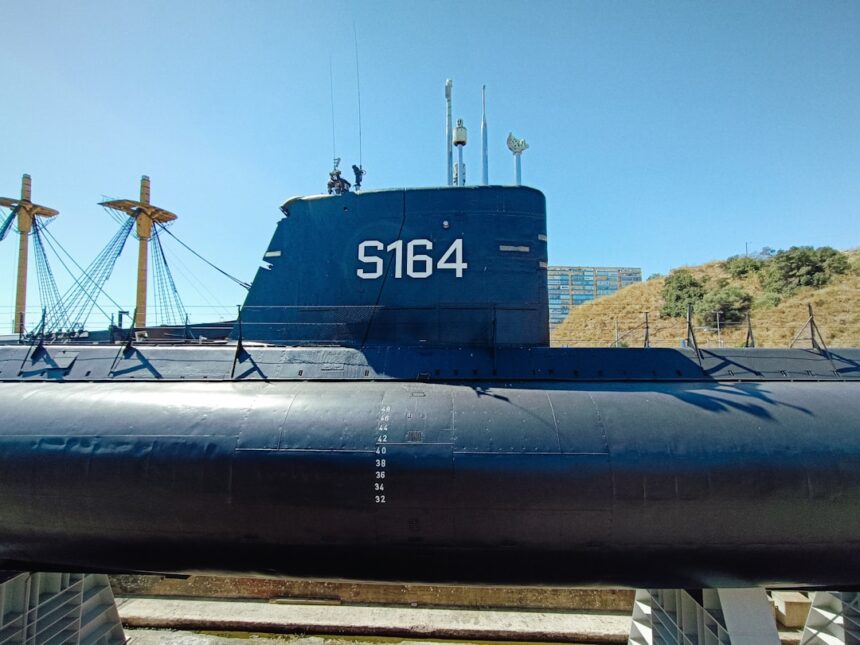
The pursuit of stealth in the naval arena, a decades-long arms race whispered in the depths of the ocean, saw the Soviet Union invest heavily in developing technologies to render its submarines less detectable. While Western nations focused on acoustic signatures, the Soviets explored a multifaceted approach, seeking to cloak their vessels across a spectrum of sensory detection. This article aims to unveil some of these less-understood Soviet submarine stealth technologies, moving beyond the popular narrative to examine the specifics of their engineering and strategic intent.
The genesis of Soviet stealth thinking can be traced to the early Cold War. The sheer operational threat posed by increasingly sophisticated sonar arrays, particularly those employed by NATO navies, prompted a fundamental re-evaluation of submarine design. The conventional submarine, while a potent weapon, was also a blaring siren in the acoustic spectrum. The Soviets recognized that a truly formidable submarine force would need to shed its acoustic skin, becoming a phantom in the water.
The Echo of Early Designs
Even in the Soviet Union’s nascent submarine programs, there were efforts to mitigate acoustic emissions. While not as advanced as later developments, these early designs laid the groundwork for future innovations.
Hull Shape and Hydrodynamics
The very form of a submarine’s hull plays a significant role in its acoustic signature. Early Soviet designers experimented with hull shapes that minimized water flow noise, the incessant gurgle and hiss generated as water rushes past the vessel’s exterior. Though rudimentary by today’s standards, these efforts were the first tentative steps towards “slipping through the ocean like a raindrop on a lotus leaf.”
Mechanical Vibration Control
Mechanical components within a submarine – pumps, engines, and various machinery – are inherent sources of vibration and thus, noise. Soviet engineers began to address this by exploring basic vibration isolation techniques, attempting to decouple noisy components from the hull structure. This was akin to trying to muffle footsteps by walking on thick carpet.
The Silent Running Imperative
The operational doctrine of the time increasingly emphasized the importance of maintaining a low acoustic profile. The ability to patrol undetected, to position oneself for an ambush, or to evade pursuit was paramount. This strategic imperative was the silent engine driving the development of every subsequent stealth technology.
Soviet submarine stealth technology has long been a subject of intrigue and analysis, particularly in the context of Cold War naval strategies. For a deeper understanding of the advancements and implications of these technologies, you can explore a related article that delves into the intricacies of submarine design and operational tactics. This article offers valuable insights into how Soviet innovations shaped underwater warfare and the ongoing relevance of these developments today. To read more, visit this link.
Beyond Acoustics: The Soviet Exploration of Radar and Magnetic Signatures
While acoustic stealth was the primary focus for many navies, the Soviet Union, with its characteristic pragmatism, also directed research towards reducing their submarines’ detectability by other means. Radar and magnetic detection, though different in their application, presented their own set of challenges and opportunities for stealth.
Unmasking Radar Signatures
Submarines, when at periscope depth, are vulnerable to radar detection. The Soviets understood that a visible “eye above the waves” could betray their presence. Thus, efforts were made to minimize the radar cross-section of their vessels, particularly the periscope itself.
Periscope De-Clouding Technologies
The periscope, a necessary but visually distinctive appendage, was a prime target for radar reduction. Research was conducted into materials and coatings that could absorb or scatter radar waves, effectively rendering the periscope less noticeable to enemy radar systems. This involved treating the surfaces of the periscopes with radar-absorbent materials, akin to applying camouflage paint to a scout’s helmet.
Hull Coatings and Materials
Beyond the periscope, the hull itself, when breaking the surface, could also present a radar target. Soviet designers explored the use of specific hull coatings and materials designed to absorb radar energy. This was not about making the submarine invisible, but about making it a significantly less attractive and discernible target.
The Allure of Magnetic Stealth
The Earth’s magnetic field is a constant presence, and any metallic object as large as a submarine generates its own magnetic anomaly. This anomaly can be detected by sensitive magnetic anomaly detectors (MADs), often deployed from aircraft or surface ships. The Soviets recognized this as another avenue for detection and therefore, another area for stealth development.
Demagnetization Techniques
A significant effort was made in the realm of demagnetization. Submarines are inherently magnetized by the Earth’s magnetic field and their own operations. The Soviets developed and implemented degaussing systems, a network of coils wrapped around the hull that generate a counteracting magnetic field, effectively neutralizing or significantly reducing the submarine’s magnetic signature. This was like trying to erase a person’s shadow by holding a dimmer switch to the light.
Material Science and Magnetic Properties
Furthermore, research was likely conducted into materials with lower magnetic permeability for submarine construction, aiming to minimize the inherent magnetic field generated by the hull itself. This aspect, however, is more speculative, as the structural requirements of a submarine often necessitate ferrous metals.
The Symphony of Silence: Advanced Acoustic Stealth Measures
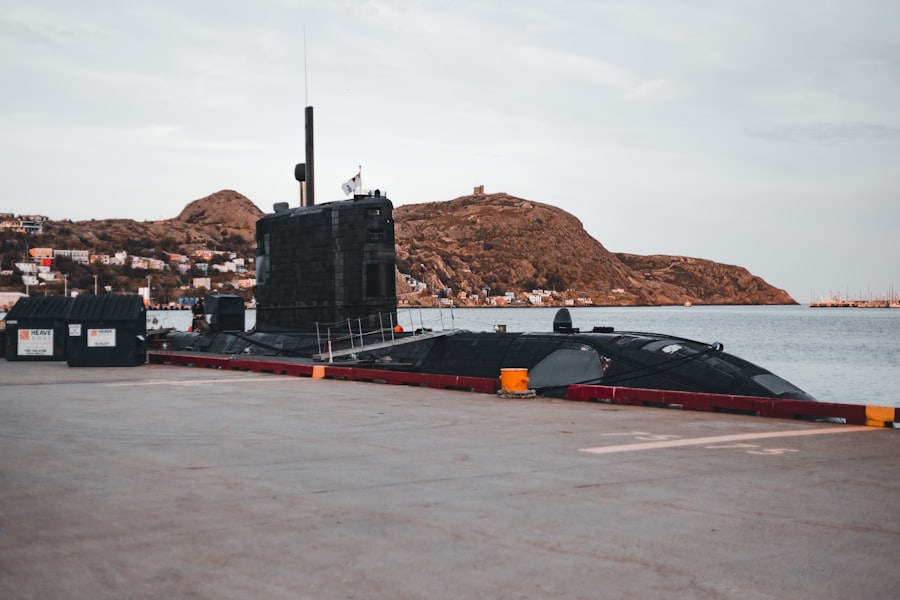
The true heart of Soviet submarine stealth lay in its relentless pursuit of acoustic invisibility. This was a multi-pronged assault on sound, aiming to eliminate every possible source of noise both generated by the submarine and amplified by its passage through the water.
Engine Room Isolation and Quieting
The engine room, the beating heart of any submarine, is a significant source of noise. Soviet engineers dedicated considerable effort to isolating and quieting these vital components.
Resilient Mountings and Shock Absorbers
Heavy machinery, from diesel engines to nuclear reactors, was mounted on resilient supports and shock absorbers. This decoupled the vibrations generated by these machines from the submarine’s hull, preventing them from radiating outwards as acoustic energy. This was akin to placing a delicate instrument on a padded stand to prevent it from rattling.
Acoustic Insulation and Damping
The engine room itself was heavily insulated and lined with sound-absorbing materials. These materials absorbed and dissipated sound waves, preventing them from escaping into the surrounding water. Think of turning a boisterous concert hall into a soundproof recording studio.
Water Flow and Pump Noise Reduction
Even auxiliary systems like pumps, essential for circulating water and maintaining life support, generate noise. Soviets worked on designing quieter pump systems and implementing flow control measures to minimize water turbulence and associated noise. This involved smoothing the flow of liquids like calming a rushing river into a gentle stream.
Propeller Design and Cavitation Control
The propeller is arguably the most significant source of external noise for a submarine. The churning of water by its blades creates a distinct acoustic signature, and the formation of cavitation – tiny vapor bubbles that collapse and create noise – is a major concern.
Advanced Propeller Hydrodynamics
Soviet propeller designers focused on optimizing the shape and blade design of their propellers. The goal was to maximize thrust with minimal turbulence and noise. This involved intricate calculations and testing to create propellers that “whispered through the water” rather than “roared.”
Cavitation Suppression Techniques
Methods were developed to suppress or delay the formation of cavitation. This could involve precise control of propeller speed, the use of specialized coatings on propeller blades, or even the introduction of small amounts of specific gases into the water near the propeller to alter its properties. These were sophisticated interventions to prevent the noisy “pop” of collapsing bubbles.
Hull Acoustics and Anechoic Coatings
The hull itself, if not properly treated, can reflect and amplify internal noises, and also generate its own self-noise from water flow.
Application of Anechoic Tiles
A key breakthrough was the widespread application of anechoic tiles. These rubber-like tiles, strategically placed on the hull, were designed to absorb incoming sonar pulses, preventing them from reflecting back to the source and thus obscuring the submarine. They also helped to dampen internal structural vibrations. This made the submarine a “sonar black hole,” swallowing up the pings of enemy sonar.
Hull Shape Optimization for Acoustics
Beyond material science, the overall shape of the hull was also refined to minimize hydrodynamic noise. Smooth, streamlined designs reduced turbulence and the associated acoustic signature. This was about creating a hull that moved through the water with the elegance of a dart, not the clumsiness of a boulder.
The Strategic Imperative: Why Stealth Mattered
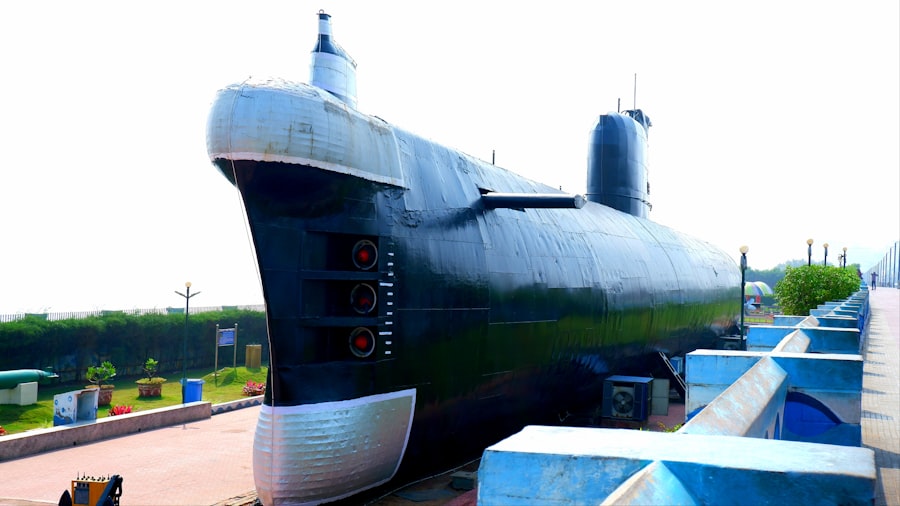
The pursuit of these advanced stealth technologies was not merely an academic exercise in engineering; it was deeply rooted in the strategic doctrines and geopolitical realities of the Cold War. The ability for a submarine to operate undetected provided overwhelming tactical and strategic advantages.
The First Strike and Second Strike Capabilities
For the Soviet Union, stealth was intrinsically linked to both offensive and defensive capabilities. Undetected submarines could be positioned to launch devastating first strikes against enemy naval assets or strategic targets. Conversely, the survivability of Soviet ballistic missile submarines, their second-strike capability, depended heavily on their ability to remain hidden, ensuring retaliatory capacity.
Deterrence Through Invisibility
The sheer threat of an unseen adversary lurking in the depths was a powerful deterrent. The knowledge that Soviet submarines could be anywhere, at any time, undetected, forced adversaries to maintain constant vigilance and expend considerable resources on submarine detection. This “shadow of the unknown” was a potent weapon in its own right.
Reconnaissance and Information Gathering
Stealthy submarines were also invaluable tools for intelligence gathering. They could loiter near enemy coastlines or naval bases, silently observing and recording enemy movements and capabilities without risking detection. This provided a crucial “all-seeing eye” for Soviet intelligence agencies.
The Balance of Naval Power
In the Cold War naval balance, submarines represented a unique asymmetric advantage. While surface fleets were often more visible and vulnerable, submarines, when stealthy, could challenge established naval dominance.
Challenging Surface Fleet Supremacy
The ability of quiet Soviet submarines to penetrate heavily defended sea lanes or approach critical naval bases directly challenged the perceived invincibility of the Western surface fleets. They could inject an element of uncertainty and vulnerability into otherwise secure operational areas.
The Submarine vs. Submarine Duel
Furthermore, the development of stealth technologies escalated the “cat and mouse” game between submarines themselves. A stealthier submarine had a distinct advantage in detecting and engaging an enemy submarine before being detected itself. This led to a constant arms race within the underwater domain.
Soviet submarine stealth technology has long fascinated military historians and enthusiasts alike, particularly due to its significant impact on naval warfare during the Cold War. The advancements made in reducing noise levels and enhancing sonar evasion techniques have been pivotal in shaping modern submarine design. For those interested in exploring this topic further, a related article can be found at In the War Room, which delves into the intricacies of these innovations and their lasting effects on submarine operations today.
The Legacy and Evolution of Soviet Stealth
| Metric | Details |
|---|---|
| Acoustic Signature Reduction | Advanced anechoic tiles and hull coatings to absorb sonar waves |
| Propulsion Noise | Use of quieter pump-jet propulsors and improved machinery isolation |
| Hull Design | Streamlined hull shapes to minimize hydrodynamic noise and turbulence |
| Noise Dampening Technologies | Rubber mounts and shock absorbers for onboard equipment to reduce vibrations |
| Sonar Absorbing Materials | Specialized coatings and tiles developed in the 1970s and 1980s |
| Operational Tactics | Silent running modes and slow-speed maneuvers to reduce detectability |
| Detection Range Reduction | Estimated reduction of sonar detection range by up to 50% compared to earlier models |
The technologies developed by the Soviet Union, though often shrouded in secrecy, had a profound impact on submarine warfare. Many of these principles and techniques have continued to influence submarine design in the post-Soviet era and globally.
The Foundation for Modern Submarine Design
The advancements in acoustic quieting, anechoic coatings, and propeller design pioneered by the Soviets formed the bedrock upon which more modern submarine stealth capabilities have been built. Their relentless focus on minimizing acoustic signatures set a new benchmark.
Continued Research and Refinement
While the specific materials and techniques may have evolved, the core principles of acoustic stealth remain paramount. Modern submarines, whether Russian or those built by other nations, continue to refine and build upon the innovations of their predecessors.
The Unseen Arms Race Continues
The desire for superior stealth is a perpetual driver of innovation in naval technology. As detection capabilities improve, so too do the methods employed to evade them, ensuring that the underwater arms race remains an ongoing, often silent, contest. The ocean depths are a vast canvas, and submarines continue to strive to be the invisible strokes upon it.

WATCH NOW▶️ Soviet submarine acoustic signatures
FAQs
What were the main features of Soviet submarine stealth technology?
Soviet submarine stealth technology focused on reducing noise emissions, minimizing magnetic and acoustic signatures, and enhancing hull design to evade sonar detection. This included the use of anechoic tiles, advanced sound-isolating machinery mounts, and streamlined hull shapes.
How did Soviet submarines reduce their acoustic signature?
Soviet submarines employed sound-absorbing materials like anechoic tiles on their hulls, isolated noisy machinery with special mounts, and optimized propeller designs to reduce cavitation noise. These measures helped lower the chances of detection by passive sonar systems.
What role did hull design play in Soviet submarine stealth?
The hull design was critical in minimizing hydrodynamic noise and sonar reflections. Soviet engineers developed streamlined shapes and smooth surfaces to reduce turbulence and sonar detectability, contributing significantly to stealth capabilities.
Did the Soviet Union develop any unique stealth technologies not used by other navies?
Yes, the Soviet Union developed specific technologies such as the “Albacore” hull design, which influenced future submarine shapes, and experimented with various anechoic tile compositions. They also focused heavily on reducing magnetic signatures to counter magnetic anomaly detectors.
How did Soviet submarine stealth technology impact Cold War naval strategy?
Soviet advancements in submarine stealth technology allowed their subs to operate more covertly in contested waters, enhancing their strategic deterrence and intelligence-gathering capabilities. This forced NATO navies to improve their anti-submarine warfare tactics and technologies during the Cold War.