The Seawolf Class submarine represents a pinnacle of naval engineering and military strategy, designed to address the evolving challenges of undersea warfare. Commissioned in the late 1980s and early 1990s, these submarines were conceived during a period of intense geopolitical tension, particularly with the Soviet Union. The Seawolf Class was intended to be a formidable adversary, capable of engaging in anti-submarine warfare, anti-surface warfare, and intelligence gathering.
With a displacement of approximately 9,137 tons when submerged, the Seawolf Class is one of the largest and most advanced submarines in the United States Navy’s fleet. The design of the Seawolf Class reflects a commitment to superior performance and versatility. It is equipped with advanced technologies that enhance its operational capabilities, making it a critical asset in modern naval warfare.
The class consists of three submarines: USS Seawolf (SSN-21), USS Connecticut (SSN-22), and USS Jimmy Carter (SSN-23). Each vessel is engineered to operate in a variety of environments, from deep oceanic waters to coastal regions, showcasing the adaptability and resilience of this class of submarines.
Key Takeaways
- The Seawolf class submarine is designed with advanced stealth technology to enhance underwater combat effectiveness.
- Key stealth features include specialized materials, hydrodynamic design, and acoustic reduction techniques.
- Advanced propulsion systems minimize noise, making the submarine harder to detect.
- Integrated sensor and communication systems support covert operations without compromising stealth.
- Future developments aim to further improve stealth capabilities, maintaining the Seawolf’s edge over other submarine classes.
The Importance of Stealth Technology in Submarines
Stealth technology is paramount in submarine design, as it significantly enhances a vessel’s survivability and effectiveness in combat scenarios. In an era where naval engagements can be decided by the element of surprise, the ability to remain undetected is crucial. Stealth allows submarines to gather intelligence, conduct reconnaissance missions, and engage enemy vessels without revealing their position.
This capability not only protects the submarine but also provides strategic advantages to naval forces. The importance of stealth extends beyond mere evasion; it fundamentally alters the dynamics of naval warfare. A stealthy submarine can operate in contested waters with reduced risk of detection, allowing it to execute missions that would be impossible for less discreet vessels.
This capability is particularly vital in scenarios involving anti-submarine warfare, where the ability to locate and engage enemy submarines before being detected can determine the outcome of a conflict. As such, stealth technology has become a cornerstone of modern submarine design and operational strategy.
Overview of the Seawolf Class Submarine’s Stealth Capabilities
The Seawolf Class submarines are engineered with an array of stealth capabilities that set them apart from their predecessors and contemporaries. One of the most notable features is their quiet operation, achieved through advanced sound-dampening technologies and innovative design elements. These submarines are designed to minimize noise generation, making them difficult to detect by enemy sonar systems.
The combination of these features allows the Seawolf Class to operate effectively in hostile environments while maintaining a low profile. In addition to their quiet operation, the Seawolf Class submarines are equipped with sophisticated electronic warfare systems that enhance their stealth capabilities. These systems enable the submarines to detect and counteract enemy sonar and radar systems, further reducing their chances of detection.
The integration of advanced sensors and communication technologies allows for seamless information sharing while maintaining operational security. Overall, the stealth capabilities of the Seawolf Class submarines are a testament to their design philosophy, which prioritizes survivability and effectiveness in modern naval warfare.
Materials and Design Features for Stealth
The materials used in the construction of the Seawolf Class submarines play a critical role in enhancing their stealth capabilities. The hull is primarily made from high-strength steel that not only provides structural integrity but also contributes to noise reduction. This specialized steel is designed to absorb sound waves rather than reflect them, which is essential for minimizing acoustic signatures.
Additionally, the use of composite materials in certain components further aids in reducing weight while maintaining strength. Design features also contribute significantly to the stealth profile of the Seawolf Class submarines. The hull shape is streamlined to reduce drag and minimize noise generated during movement through water.
The incorporation of anechoic tiles—rubber-like materials that absorb sound—on the exterior of the hull further enhances stealth by dampening noise emissions. These design elements work in concert to create a submarine that is not only difficult to detect but also capable of operating effectively in various operational scenarios.
Acoustic Reduction Techniques
| Metric | Value | Description |
|---|---|---|
| Acoustic Signature | Extremely Low | Seawolf class submarines are designed with advanced sound-dampening technologies to minimize noise emissions. |
| Hull Coating | Anechoic Tiles | Special rubber tiles absorb sonar waves, reducing detectability by active sonar systems. |
| Propulsion System | Pump-Jet Propulsor | Reduces cavitation noise compared to traditional propellers, enhancing stealth. |
| Speed | Over 25 knots (submerged) | High submerged speed allows rapid maneuvering while maintaining stealth. |
| Noise Level | Less than 120 dB | Measured noise output, making it one of the quietest submarines in the world. |
| Sonar Absorption | High | Hull design and materials reduce sonar reflection, making detection difficult. |
| Operational Depth | Over 800 feet | Deep diving capability helps avoid detection and evade threats. |
Acoustic reduction techniques are at the forefront of submarine stealth technology, and the Seawolf Class employs several advanced methods to achieve this goal. One key technique involves isolating machinery and equipment within the submarine to prevent vibrations from traveling through the hull. By using resilient mounts and soundproofing materials, engineers can significantly reduce the noise generated by engines, pumps, and other onboard systems.
Another important aspect of acoustic reduction is the careful design of propellers and other moving parts. The Seawolf Class features advanced propeller designs that minimize cavitation—a phenomenon that generates significant noise as bubbles collapse around propeller blades. By optimizing propeller shape and size, engineers have been able to create a quieter propulsion system that enhances overall stealth capabilities.
These acoustic reduction techniques are essential for ensuring that the Seawolf Class remains undetected during critical missions.
Hydrodynamic Design for Reduced Noise
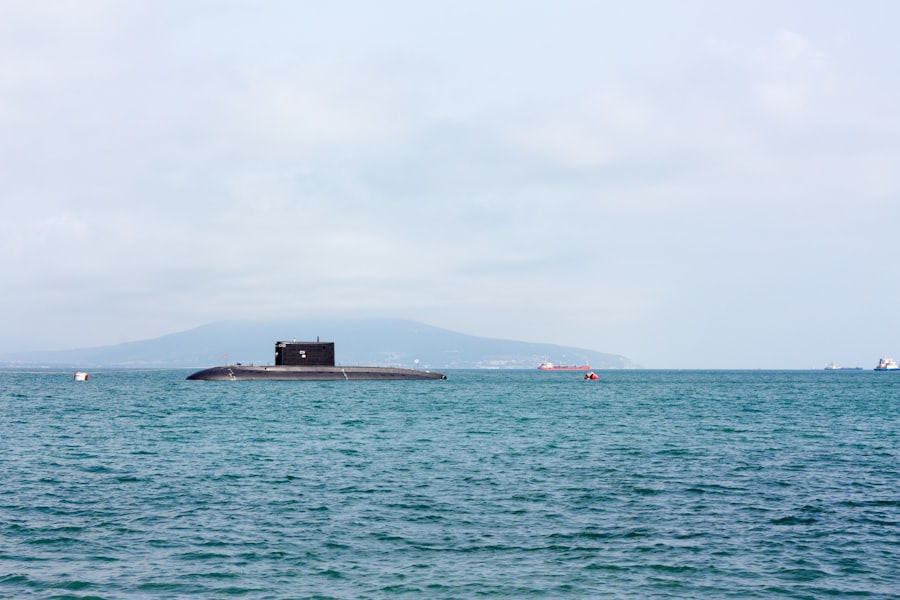
The hydrodynamic design of the Seawolf Class submarines is meticulously crafted to enhance stealth while ensuring optimal performance underwater. The streamlined shape reduces drag as the submarine moves through water, which not only improves speed but also minimizes noise generation. This hydrodynamic efficiency is crucial for maintaining a low acoustic signature during operations.
In addition to overall hull shape, specific design features such as retractable bow planes and stern control surfaces contribute to improved hydrodynamics. These elements allow for better maneuverability while reducing turbulence around the hull, which can create noise detectable by enemy sonar systems. The careful consideration of hydrodynamic principles in the design process underscores the importance placed on stealth in modern submarine warfare.
Advanced Propulsion Systems for Stealth
The propulsion system of the Seawolf Class submarines is another critical component contributing to their stealth capabilities. These submarines utilize a nuclear-powered propulsion system that provides virtually unlimited range and endurance while operating at high speeds without generating excessive noise. The nuclear reactor is designed with advanced sound-dampening features that minimize vibrations and noise emissions.
Moreover, the use of electric drive systems allows for quieter operation compared to traditional mechanical drive systems. This electric propulsion enables smoother transitions between speeds and reduces mechanical noise generated during operation. The combination of nuclear power and advanced electric drive technology ensures that Seawolf Class submarines can operate stealthily while maintaining high levels of performance across various mission profiles.
Sensor and Communication Systems for Stealth Operations
The sensor and communication systems aboard the Seawolf Class submarines are designed with stealth operations in mind. These systems enable effective information gathering while minimizing the risk of detection by enemy forces. Advanced sonar systems provide high-resolution imaging capabilities, allowing submarines to detect and track targets at great distances without revealing their own position.
In addition to sonar capabilities, secure communication systems ensure that information can be shared with command centers and other naval assets without compromising operational security. The integration of advanced encryption technologies protects sensitive data from interception by adversaries. This focus on secure communication complements the overall stealth strategy, allowing for effective coordination during missions while maintaining a low profile.
Comparison with Other Submarine Classes
When compared to other submarine classes, such as the Virginia Class or older Los Angeles Class submarines, the Seawolf Class stands out due to its superior stealth capabilities and advanced technologies. While all modern submarines incorporate some level of stealth features, the Seawolf Class was specifically designed with an emphasis on evasion and survivability in contested environments. The Virginia Class submarines also possess advanced stealth features but prioritize multi-mission capabilities over raw performance metrics like speed and depth.
In contrast, the Seawolf Class excels in high-speed operations and deep-water engagements, making it particularly effective against sophisticated adversaries. This distinction highlights how different submarine classes are tailored for specific operational roles within naval strategy.
Future Developments in Submarine Stealth Technology
As naval warfare continues to evolve, so too does the technology behind submarine stealth capabilities. Future developments are likely to focus on enhancing existing technologies while exploring new materials and designs that further reduce acoustic signatures. Innovations in artificial intelligence may also play a role in improving sensor systems, allowing for more effective target detection while minimizing emissions.
Additionally, advancements in propulsion technology could lead to even quieter systems that enhance stealth operations further. Research into alternative energy sources may yield breakthroughs that allow submarines to operate silently for extended periods without relying solely on nuclear power or traditional diesel engines. As these technologies develop, they will undoubtedly shape the future landscape of submarine warfare.
The Role of Stealth in Modern Submarine Warfare
In conclusion, stealth technology remains a fundamental aspect of modern submarine warfare, with the Seawolf Class exemplifying this principle through its advanced design and capabilities. The ability to operate undetected provides significant strategic advantages in various military scenarios, from intelligence gathering to direct engagement with enemy forces. As threats evolve and naval strategies adapt, continued investment in stealth technology will be essential for maintaining superiority beneath the waves.
The Seawolf Class serves as a testament to what can be achieved through innovative engineering and a commitment to operational excellence. As future developments unfold in submarine technology, it is clear that stealth will continue to play a pivotal role in shaping naval warfare strategies for years to come. The ongoing pursuit of enhanced stealth capabilities will ensure that submarines remain vital assets within any modern navy’s arsenal.
The Seawolf class submarines are renowned for their advanced stealth technology, which allows them to operate undetected in hostile waters. This capability is crucial for modern naval warfare, as it enhances the submarine’s ability to gather intelligence and conduct covert operations. For a deeper understanding of the implications of such stealth technology in contemporary military strategy, you can read more in this related article on In The War Room.
FAQs
What is the Seawolf class submarine?
The Seawolf class submarine is a class of nuclear-powered fast attack submarines developed by the United States Navy. It is designed for stealth, speed, and advanced underwater warfare capabilities.
What makes the Seawolf class submarine stealthy?
The Seawolf class submarine incorporates advanced stealth technology, including anechoic coatings, sound-isolating machinery mounts, and a hydrodynamically optimized hull design to minimize noise and reduce detectability by sonar.
How does the hull design contribute to stealth?
The hull of the Seawolf class is shaped to reduce hydrodynamic noise and turbulence, which helps minimize the acoustic signature. Its smooth, streamlined design allows for quieter movement through water.
What role do anechoic tiles play in stealth?
Anechoic tiles are rubber-like coatings applied to the submarine’s exterior that absorb sonar pulses, reducing the strength of sonar echoes and making the submarine harder to detect.
How is machinery noise reduced inside the Seawolf class submarine?
Machinery inside the submarine is mounted on sound-isolating platforms and designed to operate quietly, which significantly reduces the noise transmitted into the water.
Does the Seawolf class use any special propulsion technology for stealth?
Yes, the Seawolf class uses a pump-jet propulsor instead of a traditional propeller, which reduces cavitation and noise, enhancing stealth capabilities.
What sensors and countermeasures enhance the stealth of the Seawolf class?
The submarine is equipped with advanced sonar systems and electronic warfare suites that help detect threats early and deploy countermeasures to avoid detection or targeting.
How does the Seawolf class compare to other submarines in terms of stealth?
The Seawolf class is considered one of the quietest and most advanced attack submarines in the world, with superior stealth features compared to earlier classes like the Los Angeles class.
Why is stealth important for the Seawolf class submarine?
Stealth is critical for the Seawolf class to conduct covert surveillance, intelligence gathering, and strike missions without being detected by enemy forces.
Are there any limitations to the stealth technology on the Seawolf class?
While highly advanced, stealth technology cannot make a submarine completely invisible. Detection depends on many factors including enemy sonar capabilities, environmental conditions, and operational tactics.