In the rapidly evolving landscape of modern warfare, the integration of drone technology into cyber operations has emerged as a pivotal development. Cyber warfare drone operations intelligence represents a confluence of aerial surveillance, data collection, and cyber capabilities, enabling military and intelligence agencies to conduct operations with unprecedented precision and efficiency. This new frontier of warfare not only enhances traditional military strategies but also introduces complex challenges that require a nuanced understanding of both technological and ethical dimensions.
As nations increasingly rely on drones for intelligence gathering and operational execution, the implications of these technologies extend beyond the battlefield. The ability to conduct remote operations with minimal human risk has transformed military tactics, allowing for real-time data acquisition and analysis. However, this shift also raises critical questions about the legality and morality of such operations, particularly in terms of sovereignty and civilian safety.
Understanding the intricacies of cyber warfare drone operations intelligence is essential for comprehending the future of conflict in an interconnected world.
Key Takeaways
- Drones play a critical role in cyber warfare by enabling targeted attacks, reconnaissance, and intelligence gathering.
- Artificial intelligence enhances the capabilities of cyber warfare drones, improving decision-making and operational efficiency.
- Legal and ethical considerations are paramount in the deployment of cyber warfare drones, requiring clear frameworks and regulations.
- Effective countermeasures and defense strategies are essential to mitigate threats posed by cyber warfare drone operations.
- Training and education for operators are crucial to maximize the effectiveness and responsible use of cyber warfare drone technologies.
The Role of Drones in Cyber Warfare
Drones have revolutionized the way military forces approach cyber warfare by providing a versatile platform for both offensive and defensive operations. Equipped with advanced sensors and communication systems, these unmanned aerial vehicles (UAVs) can gather intelligence from vast areas without putting personnel at risk. Their ability to operate in hostile environments makes them invaluable for reconnaissance missions, where they can collect data on enemy positions, infrastructure, and potential vulnerabilities.
Moreover, drones can be integrated with cyber capabilities to launch attacks on enemy networks or disrupt communications. This dual functionality allows for a more comprehensive approach to warfare, where physical and cyber domains intersect. For instance, a drone might be deployed to disable an enemy’s radar system while simultaneously executing a cyber attack to compromise their command and control networks.
This synergy between aerial operations and cyber warfare enhances the effectiveness of military strategies, making drones a cornerstone of modern conflict.
The Use of Artificial Intelligence in Cyber Warfare Drone Operations
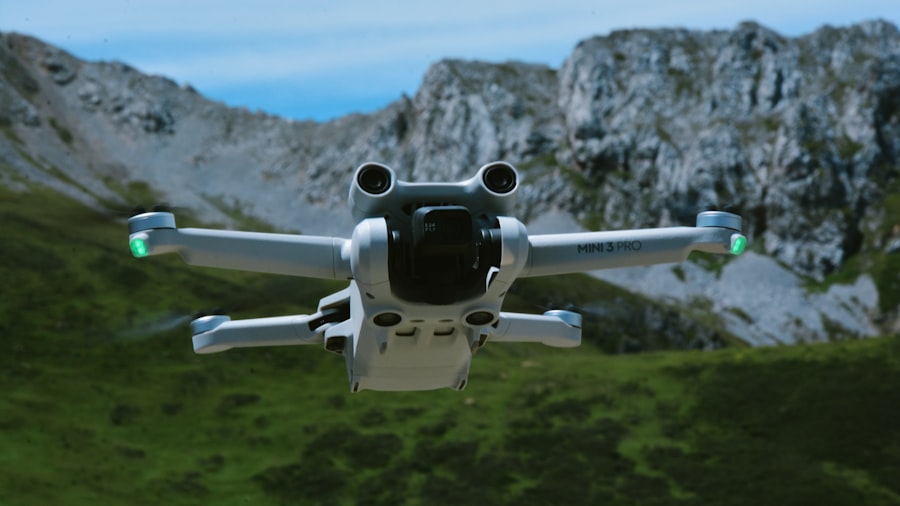
Artificial intelligence (AI) plays a crucial role in enhancing the capabilities of drones used in cyber warfare. By leveraging machine learning algorithms and data analytics, AI can process vast amounts of information collected by drones, identifying patterns and anomalies that may indicate potential threats. This capability allows military operators to make informed decisions quickly, significantly improving response times during critical operations.
Furthermore, AI can automate various aspects of drone operations, from navigation to target identification. This automation not only increases efficiency but also reduces the likelihood of human error, which can have dire consequences in high-stakes environments. As AI technology continues to advance, its integration into cyber warfare drone operations is expected to deepen, leading to more sophisticated systems capable of executing complex missions autonomously.
Gathering Intelligence through Cyber Warfare Drones
The intelligence-gathering capabilities of cyber warfare drones are unparalleled in their scope and efficiency. These drones can be equipped with high-resolution cameras, infrared sensors, and electronic surveillance tools that allow them to monitor enemy activities in real time. By collecting data from various sources, including signals intelligence (SIGINT) and imagery intelligence (IMINT), drones provide military analysts with a comprehensive understanding of the operational landscape.
Additionally, the ability to operate at different altitudes and speeds enables drones to adapt to various mission requirements. For instance, high-altitude drones can cover large geographical areas, while low-flying drones can capture detailed images of specific targets. This versatility makes them indispensable for intelligence operations, as they can be deployed in diverse environments ranging from urban settings to remote wilderness areas.
The insights gained from these operations inform strategic planning and decision-making processes, ultimately shaping the outcomes of military engagements.
Targeted Attacks and Reconnaissance with Cyber Warfare Drones
| Metric | Description | Value | Unit | Notes |
|---|---|---|---|---|
| Number of Cyber Warfare Drone Missions | Total missions conducted using cyber warfare drones | 125 | Missions | Data from last 12 months |
| Average Mission Duration | Mean time drones are active during operations | 4.5 | Hours | Varies by mission type |
| Successful Cyber Intrusions | Number of successful cyber attacks launched via drones | 87 | Incidents | Includes data exfiltration and system disruption |
| Detection Rate | Percentage of drone operations detected by adversaries | 22 | Percent (%) | Lower is better for operational security |
| Data Collected | Amount of intelligence data gathered per mission | 3.2 | Terabytes | Includes network traffic and system logs |
| Countermeasure Effectiveness | Success rate of drone countermeasures against cyber defenses | 78 | Percent (%) | Higher indicates better evasion capabilities |
| Number of Drone Units Deployed | Total active cyber warfare drones in operation | 45 | Units | Includes both offensive and reconnaissance drones |
| Average Payload Capacity | Average data payload drones can carry for cyber operations | 500 | MB | Payload includes malware and exploit packages |
Cyber warfare drones are not only adept at gathering intelligence but also at executing targeted attacks against enemy assets. By combining aerial capabilities with cyber tools, these drones can disrupt critical infrastructure, such as power grids or communication networks, thereby crippling an adversary’s operational capabilities. This dual approach allows for precision strikes that minimize collateral damage while maximizing impact on enemy forces.
In addition to offensive operations, drones play a vital role in reconnaissance missions that precede attacks. By conducting thorough surveillance of enemy positions and movements, drones provide valuable information that helps military planners identify vulnerabilities and optimize strike plans. This proactive approach enhances the effectiveness of military operations while reducing risks to personnel and resources.
As technology continues to advance, the potential for drones to conduct increasingly sophisticated targeted attacks will likely expand, further blurring the lines between traditional warfare and cyber operations.
The Legal and Ethical Implications of Cyber Warfare Drone Operations
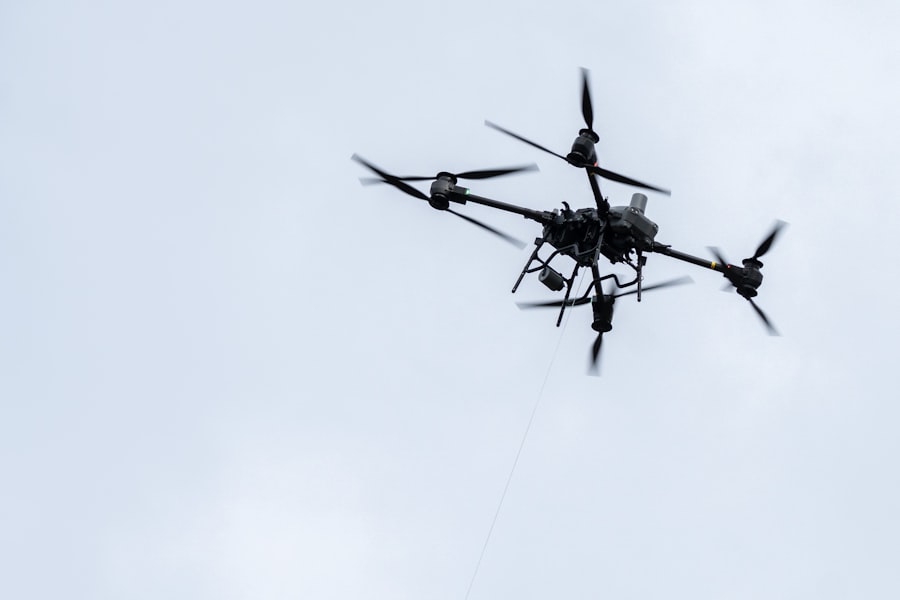
The rise of cyber warfare drone operations has sparked significant debate regarding their legal and ethical implications. The use of drones in military operations raises questions about sovereignty, as nations may conduct strikes in foreign territories without explicit consent from host governments. This practice can lead to diplomatic tensions and accusations of violations of international law, particularly when civilian casualties occur.
Moreover, the ethical considerations surrounding drone warfare are complex. Critics argue that the detachment afforded by remote operations can desensitize operators to the consequences of their actions, leading to a disregard for civilian lives. The potential for collateral damage is a significant concern, especially when drones are used in densely populated areas.
As military forces navigate these challenges, establishing clear legal frameworks and ethical guidelines for drone operations becomes imperative to ensure accountability and protect human rights.
Countermeasures and Defense against Cyber Warfare Drones
As the capabilities of cyber warfare drones continue to evolve, so too do the countermeasures designed to neutralize their effectiveness. Nations are investing in advanced technologies aimed at detecting and intercepting drones before they can execute their missions. These counter-drone systems may include radar detection, electronic jamming, and even kinetic interceptors designed to physically disable UAVs.
Additionally, cybersecurity measures are critical in defending against the potential threats posed by drones equipped with cyber capabilities. Protecting sensitive networks from infiltration requires robust security protocols that can withstand sophisticated attacks launched from airborne platforms.
The Future of Cyber Warfare Drone Operations Intelligence
The future of cyber warfare drone operations intelligence is poised for transformative advancements as technology continues to progress at an unprecedented pace. Emerging technologies such as quantum computing and enhanced AI algorithms are expected to revolutionize data processing capabilities, enabling faster analysis and more accurate predictions regarding enemy movements and intentions. Moreover, the integration of swarming technology—where multiple drones operate collaboratively—could redefine operational strategies in cyber warfare.
Swarms of drones could overwhelm enemy defenses through coordinated attacks or simultaneous reconnaissance missions across vast areas. As nations invest in research and development for these advanced systems, the landscape of cyber warfare will continue to evolve, presenting new opportunities and challenges for military strategists.
Case Studies of Successful Cyber Warfare Drone Operations
Examining case studies of successful cyber warfare drone operations provides valuable insights into their effectiveness and strategic impact. One notable example is the use of drones during the conflict in Syria, where UAVs were employed for both surveillance and targeted strikes against terrorist organizations. These operations demonstrated how drones could gather real-time intelligence while simultaneously executing precision attacks on high-value targets.
Another significant case study involves the use of drones in counterinsurgency efforts in Afghanistan. Drones played a crucial role in monitoring insurgent movements and identifying key leaders within terrorist networks. The intelligence gathered through these operations not only facilitated targeted strikes but also informed broader strategic decisions regarding troop deployments and resource allocation.
Training and Education for Cyber Warfare Drone Operators
As the complexity of cyber warfare drone operations increases, so does the need for specialized training programs for operators.
This training should include simulations that replicate real-world scenarios, allowing operators to practice decision-making under pressure.
Furthermore, fostering interdisciplinary collaboration among operators is essential for effective mission execution. Operators must be well-versed in both aerial tactics and cybersecurity measures to navigate the multifaceted challenges posed by modern warfare effectively. Continuous education will be vital as technology evolves; thus, establishing ongoing training programs will ensure that operators remain proficient in their roles.
The Impact and Importance of Cyber Warfare Drone Operations Intelligence
In conclusion, cyber warfare drone operations intelligence represents a significant evolution in modern military strategy. The integration of drone technology with cyber capabilities has transformed how nations conduct warfare, enabling more precise intelligence gathering and targeted attacks while minimizing risks to personnel. However, this advancement comes with profound legal and ethical implications that must be addressed as nations navigate this new landscape.
As technology continues to advance, the future of cyber warfare drone operations will likely bring about even more sophisticated systems capable of executing complex missions autonomously. The importance of training and education for operators cannot be overstated; as they become increasingly integral to military success, ensuring they possess the necessary skills and knowledge will be paramount. Ultimately, understanding the impact of cyber warfare drone operations intelligence is crucial for comprehending the future dynamics of conflict in an interconnected world where technology plays an ever-growing role in shaping outcomes on the battlefield.
In the realm of cyber warfare, the integration of drone operations with intelligence capabilities has become increasingly critical. A related article that delves into the complexities and implications of these advancements can be found on In The War Room. For more insights on this topic, you can read the article here: In The War Room.
FAQs
What is cyber warfare in the context of drone operations?
Cyber warfare in drone operations refers to the use of cyber techniques to disrupt, disable, or manipulate unmanned aerial vehicles (UAVs) and their control systems. This can include hacking into drone communication links, interfering with navigation systems, or deploying malware to compromise drone functionality.
How is intelligence gathered through drone operations?
Intelligence gathered through drone operations involves using UAVs equipped with sensors, cameras, and communication devices to collect data on enemy movements, infrastructure, and activities. This information is then analyzed to support military decision-making and strategic planning.
What are the main cyber threats to drone operations?
The main cyber threats to drone operations include hacking attempts to take control of drones, jamming or spoofing GPS signals, intercepting or disrupting communication links, and deploying malware to compromise onboard systems.
How do cyber warfare tactics impact drone mission effectiveness?
Cyber warfare tactics can significantly impact drone mission effectiveness by causing loss of control, data breaches, misinformation through spoofed signals, or complete mission failure. Protecting drones from cyber attacks is critical to maintaining operational integrity.
What measures are taken to secure drone operations against cyber attacks?
Measures to secure drone operations include encryption of communication channels, robust authentication protocols, real-time monitoring for anomalies, regular software updates, and employing anti-jamming technologies to protect navigation and control systems.
Can drones be used offensively in cyber warfare?
Yes, drones can be used offensively in cyber warfare by deploying them to infiltrate enemy networks, deliver cyber payloads, or conduct electronic warfare operations such as signal jamming and interception.
What role does artificial intelligence play in cyber warfare drone operations?
Artificial intelligence enhances cyber warfare drone operations by enabling autonomous decision-making, real-time threat detection, adaptive responses to cyber attacks, and improved data analysis for intelligence gathering.
Are there international laws governing cyber warfare involving drones?
International laws regarding cyber warfare and drone use are still evolving. Existing frameworks like the Geneva Conventions address armed conflict but do not specifically regulate cyber operations or drone warfare, leading to ongoing discussions about norms and regulations.
How do intelligence agencies use drones in cyber warfare?
Intelligence agencies use drones to conduct surveillance, gather electronic intelligence (ELINT), perform reconnaissance missions, and sometimes to carry out cyber operations that disrupt or gather data from adversary networks.
What challenges exist in integrating cyber warfare capabilities with drone operations?
Challenges include ensuring secure and reliable communication links, protecting drones from sophisticated cyber attacks, managing the complexity of autonomous systems, and coordinating cyber and physical operations effectively.