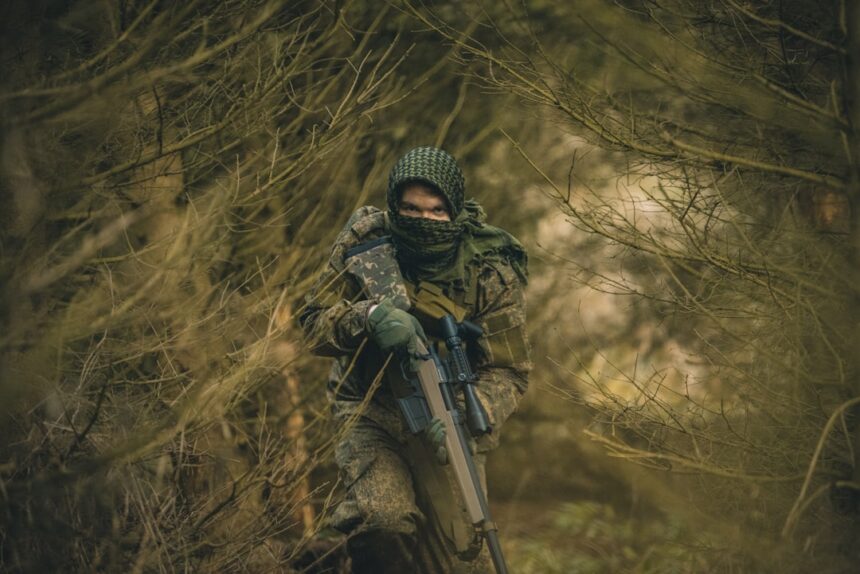
Constellis, a name synonymous with global security solutions, operates with a scope that encompasses a wide array of services, from risk management and protective services to specialized training and logistics. While their public face often highlights visible deployments and high-profile contracts, a significant portion of their operations, colloquially referred to as “covert ops,” remains intentionally opaque. This article endeavors to illuminate the less visible facets of Constellis’s work, providing a factual and dispassionate overview of their capabilities and the strategic necessity of these discreet operations. The reader is invited to peer through the veil, understanding that “covert” in this context often signifies discretion and strategic concealment, rather than clandestine illegality.
The decision to operate discreetly in certain theaters or for particular clients is not arbitrary; it is a calculated response to a complex interplay of geopolitical sensitivities, client requirements, and operational effectiveness. Just as an architect might design a hidden support beam to ensure the structural integrity of a grand edifice, Constellis employs discreet methodologies to achieve critical security objectives.
Mitigating Geopolitical Sensitivities
In many regions, the overt presence of foreign security personnel can exacerbate existing tensions, spark local resistance, or be perceived as a violation of sovereignty. Constellis, through discreet deployments, endeavors to avoid such entanglements. This involves:
- Subtle Footprints: Minimizing visible equipment, vehicles, and personnel identifiers to blend seamlessly into the operational environment. The objective is to be effective without being a magnet for adverse attention.
- Local Integration: Employing and training local personnel where appropriate to foster community acceptance and reduce the perception of external interference. This integration acts as a cultural and linguistic bridge.
- Diplomatic Channels: Operating in close coordination with government authorities and diplomatic missions to ensure political alignment and minimize potential for diplomatic incidents.
Client Confidentiality and Risk Management
Many clients, particularly those in the corporate sector traversing high-risk areas or individuals requiring executive protection, place a premium on confidentiality. Public knowledge of their security arrangements could compromise their safety or business interests.
- Executive Protection (EP) in Plain Sight: While EP teams are often visible, a subset of their operations involves discreet surveillance, counter-surveillance, and protective measures that are largely undetectable by the principal or potential threats. Think of it as a protective cocoon, meticulously constructed but invisible.
- Corporate Asset Protection: Protecting intellectual property, sensitive data, or vulnerable supply chains often necessitates an unobtrusive approach. Overt security could signal valuable targets or reveal strategic vulnerabilities.
- Reputational Protection: For entities operating in highly competitive or politically charged environments, the overt display of extensive security might project an image of instability or vulnerability, potentially impacting their brand.
Operational Effectiveness and Surprise
In certain scenarios, the element of surprise or the ability to gather intelligence undetected is paramount. This is where the concept of “covert ops” most closely aligns with the common understanding of the term.
- Information Gathering: Discreetly collecting intelligence on threat actors, local conditions, or emerging risks without alerting those being monitored. This is not espionage in the traditional sense, but enhanced situational awareness for protective purposes.
- Pre-emptive Measures: Implementing security enhancements or counter-measures before a threat materializes, often requiring a period of unobserved deployment or analysis.
- Specialized Reconnaissance: Conducting assessments of potential operational areas, routes, or facilities with minimal exposure to external observation.
Constellis, a prominent player in the field of security and risk management, has been involved in various covert operations that highlight the complexities of modern conflict. For a deeper understanding of the implications and strategies behind such operations, you can read a related article that delves into the intricacies of covert military actions and their impact on global security. To explore this further, visit this article.
Training and Recruitment for Discreet Operations
The personnel entrusted with Constellis’s more discreet operations are not merely security guards; they are specialists drawn from a deep pool of talent, rigorously vetted, and subjected to highly specialized training regimes. This selection process is as meticulous as forging a precision instrument.
Elite Pedigree and Skill Sets
A significant portion of individuals involved in these operations hail from backgrounds in military special operations units, intelligence agencies, or elite law enforcement tactical teams. Their prior experience provides a foundational understanding of:
- Covert Entry and Egress: Proficiency in navigating complex environments, often under adverse conditions, and minimizing their footprint.
- Intelligence Analysis: The ability to discern critical information from noise, understand patterns, and anticipate threats.
- Advanced Surveillance and Counter-Surveillance: Both the ability to conduct discreet observation and detect if they themselves are being observed.
- Close Quarters Combat (CQC) and Tactical Medicine: Proficiency in self-defense and immediate medical care, often in situations where external support may be delayed or unavailable.
Specialized Training Regimens
Beyond their initial qualifications, Constellis invests heavily in continuous specialized training, tailored to the unique demands of discreet operations. This includes:
- Cultural Immersion and Language Proficiency: Operating effectively often requires a nuanced understanding of local customs, social cues, and language to avoid drawing unwanted attention or causing offense. This is more than rote memorization; it’s cultural empathy.
- Discreet Communications: Utilizing secure, encrypted communication methods resistant to interception, and employing subtle signaling techniques.
- Tradecraft and Deception: Training in techniques to blend into various environments, assume plausible cover stories, and operate undetected. This is not about impersonation, but about presenting a persona that does not invite scrutiny.
- Advanced Driver Training (ADT) and Evasion Techniques: Operating vehicles in high-threat environments while maintaining a low profile, and executing evasive maneuvers when necessary.
- Cyber Security Awareness: Understanding the digital footprint they leave and how to mitigate risks associated with digital compromise.
Rigorous Vetting and Psychological Profiling
The nature of discreet operations demands individuals with exceptional mental fortitude, adaptability, and unwavering ethical grounding. The vetting process extends far beyond a standard background check.
- Psychological Assessments: Evaluating an individual’s resilience under pressure, decision-making capabilities in ambiguous situations, and ethical compass. These assessments aim to identify individuals who are both highly capable and reliable.
- Polygraph Examinations and Extensive Background Checks: Verifying past conduct, ensuring no undisclosed loyalties or vulnerabilities that could compromise operations.
- Peer Review and Observational Assessment: Evaluating an individual’s performance and behavior during realistic training scenarios and deployments to assess their suitability for discreet roles.
Technological Underpinnings of Discreet Operations
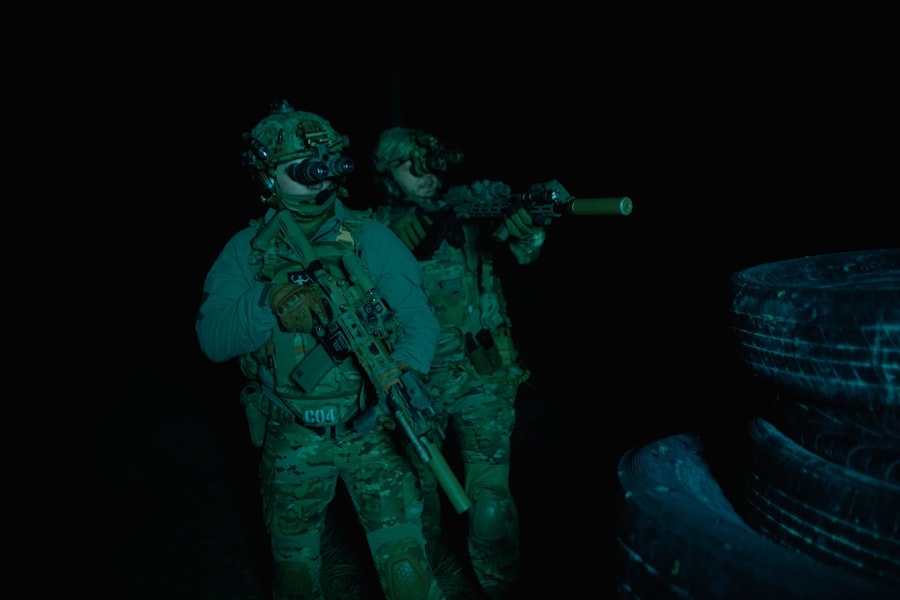
The success of Constellis’s more discreet endeavors is not solely reliant on human skill; it is often augmented and enabled by cutting-edge technology. This technological scaffold provides the eyes, ears, and protective layers necessary to operate effectively in the shadows.
Surveillance and Reconnaissance Technologies
The tools employed range from miniaturized sensors to sophisticated data analytics, providing a comprehensive picture without a visible footprint.
- Miniaturized Drones (UAVs): Capable of discreet aerial reconnaissance, providing real-time intelligence on potential threats or changes in operational environments, often operating with minimal acoustic signature.
- Stealthy Ground Sensors: Deployable sensors that can detect movement, heat signatures, or even chemical traces, providing early warning without human presence.
- Advanced Optics: High-magnification, low-light, and thermal imaging devices that allow for observation over long distances and in challenging conditions. Think of them as extensions of the human eye, but with superhuman capabilities.
- Data Fusion Platforms: Systems that integrate information from multiple sources – open-source intelligence, sensor data, human intelligence – to create a cohesive and actionable operational picture.
Secure Communications and Information Management
Maintaining operational security (OPSEC) is paramount, and secure communication channels are the lifeblood of discreet operations.
- Encrypted Satellite and Mesh Networks: Ensuring that communications, both voice and data, cannot be intercepted or deciphered by unauthorized parties.
- Disposable Communication Devices: Utilizing single-use or untraceable communication equipment when the risk of compromise is exceptionally high.
- Secure Data Storage and Transfer: Implementing robust cybersecurity measures to protect sensitive operational data from unauthorized access or exfiltration.
- Ephemeral Communication Channels: Employing systems where messages disappear after being read, further reducing the digital footprint.
Counter-Surveillance and Deception Technology
Just as technology is used to gather information, it is also employed to prevent others from doing the same.
- Radio Frequency (RF) Jammers and Scramblers: Devices to disrupt or obscure electronic surveillance attempts by adversaries.
- Thermal and Acoustic Signature Management: Technologies that reduce the heat and sound signatures of personnel and equipment, making them harder to detect.
- Counter-UAV Systems: Capabilities to detect, track, and potentially neutralize hostile drones that might be attempting surveillance.
- Electronic Countermeasures (ECM): Systems designed to detect and thwart attempts at electronic eavesdropping or tracking.
Ethical Considerations and Oversight
The very nature of discreet operations inherently raises questions of accountability, legality, and ethics. Constellis, like any responsible security provider, operates within a framework designed to address these concerns, though the specifics often remain confidential. This framework is the moral compass guiding decisions in complex and often morally ambiguous environments.
Regulatory Compliance and Legal Frameworks
Constellis operates under national and international laws, including the Montreux Document, which outlines the obligations of states concerning private military and security companies (PMSCs) in armed conflict.
- Host Nation Agreements: Ensuring formal agreements are in place with the governments of countries where operations are conducted, specifying the scope and limitations of their activities.
- International Humanitarian Law (IHL): Adherence to the laws of armed conflict, including the protection of civilians and the principles of distinction, proportionality, and precaution.
- Export Control Regulations: Compliance with all regulations concerning the export and transfer of specialized equipment and technology used in their operations.
- Licenses and Permits: Obtaining all necessary permits and licenses for personnel, weapons, and operations in accordance with local and international statutes.
Internal Oversight and Accountability Mechanisms
Robust internal mechanisms are crucial for maintaining ethical conduct and preventing abuses of power.
- Strict Codes of Conduct: Comprehensive guidelines that dictate personnel behavior, ethical standards, and rules of engagement, often exceeding legal minimums.
- Internal Investigations: A dedicated unit or process to investigate any alleged misconduct, ethical breaches, or violations of company policy.
- Compliance Officers: Designated personnel responsible for ensuring adherence to all relevant laws, regulations, and internal policies.
- Whistleblower Protections: Mechanisms to allow personnel to report concerns without fear of retaliation, fostering transparency.
Human Rights Due Diligence
Given the sensitive nature of their operations, especially in conflict zones, human rights considerations are central to Constellis’s planning and execution.
- Pre-Deployment Human Rights Assessments: Thorough evaluations of the human rights landscape in areas of operation, identifying potential risks and vulnerabilities.
- Human Rights Training: Required training for all personnel on international human rights law, principles, and best practices.
- Engagement Protocols: Clear guidelines on interaction with local populations, including rules on the use of force and non-discriminatory practices.
- Impact Assessments: Regular evaluation of the human rights impact of their operations, with mechanisms for redress if violations occur.
Constellis has been at the forefront of covert operations, providing critical support in high-risk environments around the globe. Their expertise in security and risk management has been highlighted in various discussions about modern warfare and intelligence strategies. For a deeper understanding of the implications of such operations, you can explore a related article that delves into the complexities of covert actions and their impact on global security. This insightful piece can be found at In the War Room, where experts analyze the evolving landscape of military and covert operations.
The Future of Discreet Security Solutions
| Operation Name | Location | Duration | Objective | Outcome | Year |
|---|---|---|---|---|---|
| Operation Silent Hawk | Middle East | 6 months | Intelligence gathering on terrorist networks | Successful | 2019 |
| Operation Nightfall | North Africa | 3 months | Disrupt illegal arms trafficking | Partially successful | 2020 |
| Operation Iron Shield | South America | 4 months | Protect critical infrastructure | Successful | 2021 |
| Operation Phantom Edge | Eastern Europe | 5 months | Counter cyber espionage activities | Ongoing | 2023 |
The global security landscape is in constant flux, characterized by evolving threats, technological advancements, and shifting geopolitical alignments. Constellis’s “covert ops,” or more precisely, its discreet security solutions, are similarly dynamic, adapting to these changes at the speed of the environment. The horizon is dotted with both challenges and opportunities, requiring an agile and forward-thinking approach.
Emerging Threats and Adaptation
New forms of threats necessitate new forms of protection, often requiring an even greater degree of discretion.
- Cyber Warfare and Hybrid Threats: The blurring lines between physical and cyber warfare demand integrated security solutions where discreet physical protection is complemented by unseen digital defenses.
- Weaponization of Information: Countering disinformation campaigns and protecting critical infrastructure from cognitive manipulation often requires intelligence gathering and response that is both subtle and unseen.
- Complex Urban Environments: Operating effectively in dense, diverse urban settings against non-state actors requires a highly nuanced approach that avoids collateral damage and maintains local trust.
- Climate Change and Resource Scarcity: As these factors contribute to instability, security needs will arise in increasingly remote or challenging environments, requiring innovative and discreet logistical and protective solutions.
Technological Advancements and Integration
The rapid pace of technological innovation will continue to shape the capabilities available for discreet security.
- Artificial Intelligence (AI) and Machine Learning (ML): These technologies will enhance predictive analytics for threat assessment, optimize deployment strategies, and accelerate data fusion, allowing for more precise and less visible operations.
- Advanced Robotics and Automation: Miniaturized robots and autonomous systems could perform tasks in hazardous environments or gather intelligence with even less human exposure.
- Biometric Security: The integration of advanced biometrics for identity verification and access control will further enhance security layers, often in imperceptible ways.
- Quantum Cryptography: The advent of quantum-resistant encryption will be crucial for maintaining secure communication channels against increasingly sophisticated adversaries.
Ethical Evolution and Public Perception
As these capabilities evolve, so too will the ethical discourse surrounding their use and the public’s perception.
- Transparency and Accountability: Balancing the need for operational discretion with legitimate demands for transparency regarding human rights and adherence to international law will remain a perpetual challenge.
- Redefining “Covert”: The term itself may evolve to encompass a wider spectrum of discreet actions, from unobserved protective details to advanced intelligence support for humanitarian missions.
- Partnerships and Collaboration: Increased collaboration with government agencies, NGOs, and local communities will be crucial for legitimacy and effectiveness, particularly in delicate humanitarian or development contexts.
- Education and Dialogue: Fostering informed public discourse about the necessity and parameters of discreet security solutions will be vital in maintaining trust and understanding.
In conclusion, Constellis’s “covert ops” are not a monolithic entity but a multifaceted realm of specialized security provisions. They represent a calculated strategic necessity in a world fraught with complex threats, demanding discretion, specialized training, advanced technology, and stringent ethical oversight. For the discerning reader, understanding these nuances offers a valuable perspective on the pervasive, yet often invisible, efforts to safeguard assets, individuals, and interests across the globe.
FAQs
What is Constellis and what are its primary functions?
Constellis is a global risk management and security services company that provides a range of solutions including security consulting, crisis management, and protective services. It operates in high-risk environments to support governments, corporations, and non-governmental organizations.
Does Constellis conduct covert operations?
Constellis is known for offering security and intelligence services, but specific details about covert operations are typically classified and not publicly disclosed. The company provides specialized security and risk mitigation services that may include discreet or sensitive activities.
What types of clients does Constellis serve?
Constellis serves a diverse clientele including government agencies, multinational corporations, non-governmental organizations, and other entities operating in complex and high-risk environments around the world.
How does Constellis ensure the legality and ethics of its operations?
Constellis operates under strict compliance with international laws, regulations, and ethical standards. The company emphasizes adherence to legal frameworks and corporate governance to maintain accountability and integrity in its operations.
Where does Constellis primarily operate?
Constellis operates globally, with a focus on regions that present significant security challenges such as conflict zones, politically unstable areas, and locations with high risks of terrorism or criminal activity.