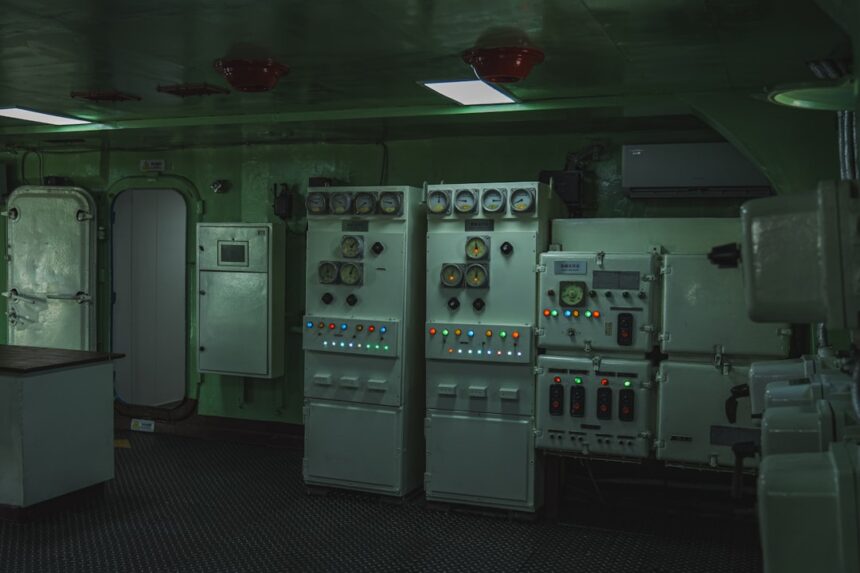
During the Cold War, submarines emerged as pivotal instruments of espionage, serving as both stealthy observers and formidable deterrents. Their ability to operate undetected beneath the ocean’s surface allowed nations to gather intelligence on their adversaries while minimizing the risk of direct confrontation. The United States and the Soviet Union, in particular, recognized the strategic advantages that submarines offered, leading to an arms race not only in nuclear capabilities but also in underwater surveillance technologies.
Submarines became the silent sentinels of the deep, capable of eavesdropping on communications and monitoring naval movements without revealing their presence. The clandestine nature of submarine operations made them ideal for intelligence-gathering missions. Both superpowers invested heavily in developing advanced submarine fleets equipped with sophisticated listening devices and surveillance technology.
These vessels could intercept communications, track enemy movements, and even conduct covert operations in enemy waters. The role of submarines in Cold War espionage was not merely about gathering information; it was also about projecting power and influence, as the presence of a submarine could serve as a psychological tool in the geopolitical chess game between the East and West.
Key Takeaways
- Submarines played a crucial role in intelligence gathering and covert operations during the Cold War.
- Both the US and Soviet Union engaged in extensive submarine espionage to track and counter each other’s naval capabilities.
- Technological innovations significantly enhanced the stealth and surveillance abilities of submarines in espionage missions.
- Declassified documents have revealed the complexity and risks involved in submarine espionage, influencing Cold War political dynamics.
- Ethical and legal concerns continue to shape the discourse on the use of submarines for espionage in modern and future contexts.
The Hunt for Soviet Submarines
The United States’ efforts to locate and track Soviet submarines during the Cold War were relentless and multifaceted. The U.S. Navy employed a variety of strategies, including aerial reconnaissance, surface ship patrols, and advanced sonar technology, to detect the movements of Soviet vessels.
The hunt for these submarines was not just a matter of national security; it was a race against time to understand the capabilities and intentions of the Soviet fleet. The stakes were high, as the potential for nuclear confrontation loomed large over both superpowers. One of the most significant challenges in this pursuit was the sheer size of the oceans and the vastness of the underwater environment.
Soviet submarines were designed to be stealthy, often utilizing advanced technologies that made them difficult to detect. The U.S. Navy’s anti-submarine warfare (ASW) tactics evolved over time, incorporating new technologies such as improved sonar systems and underwater drones.
This relentless pursuit created a complex web of intelligence operations, where every detected sound could signal a potential threat or an opportunity for strategic advantage.
American Submarine Espionage Operations
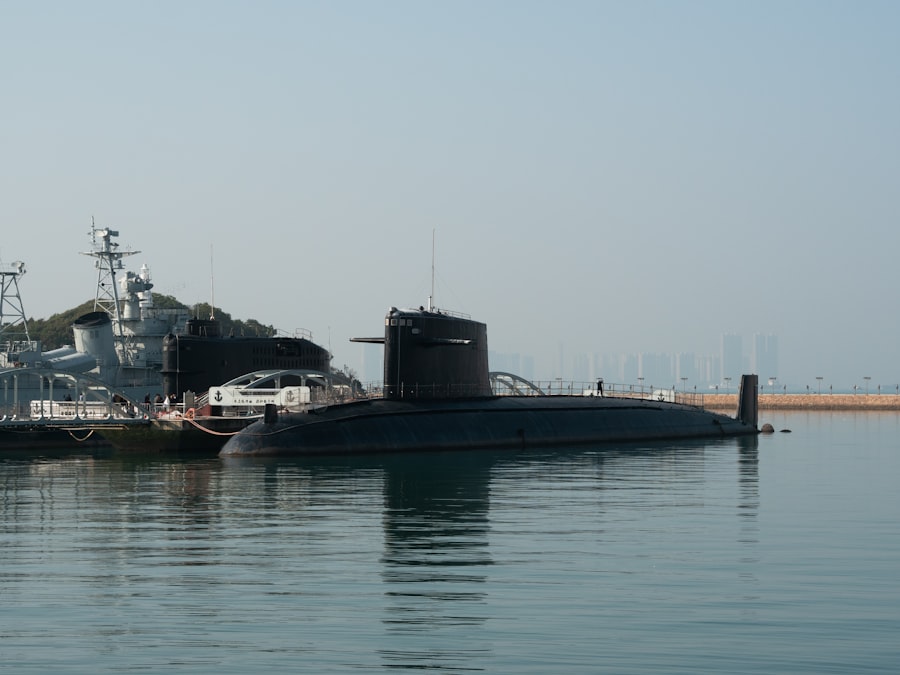
American submarine espionage operations during the Cold War were characterized by a blend of ingenuity and audacity. The U.S. Navy deployed submarines equipped with advanced listening devices to monitor Soviet naval activities closely.
These submarines would often position themselves near key Soviet naval bases or along critical shipping lanes, gathering intelligence on fleet movements and operational readiness. The missions were fraught with danger, as any miscalculation could lead to direct confrontation with Soviet forces. One notable operation was Project Ivy Bells, which involved the covert placement of listening devices on underwater communication cables used by the Soviet Navy.
This ambitious initiative showcased the lengths to which American intelligence operatives would go to gain an upper hand in the Cold War. By tapping into these cables, U.S. intelligence could intercept vital communications, providing invaluable insights into Soviet strategies and intentions.
Such operations underscored the critical role that submarines played in shaping American military strategy during this tumultuous period.
Soviet Submarine Espionage Operations
| Operation Name | Year | Submarine Class | Objective | Outcome | Notable Incidents |
|---|---|---|---|---|---|
| Operation Ivy Bells | 1970s | Echo II-class | Wiretapping undersea communication cables in the Sea of Okhotsk | Successful intelligence gathering for several years | Compromised by a US Navy SEAL team in 1981 |
| Operation RYAN | 1980-1983 | Victor III-class | Surveillance of NATO naval forces and early warning of nuclear strikes | Heightened Cold War tensions; increased Soviet naval patrols | Multiple close encounters with US submarines |
| Operation K-219 | 1986 | Yankee-class | Reconnaissance and missile patrol in the Atlantic | Submarine suffered missile silo explosion and sank | Loss of submarine and crew; significant intelligence loss |
| Operation Dolphin | 1970s-1980s | November-class | Covert surveillance of US naval bases and carrier groups | Gathered valuable intelligence on US naval movements | Several near-detection incidents by US forces |
| Operation Anchar | 1960s | Foxtrot-class | Underwater reconnaissance and signal interception in the Mediterranean | Provided early warning and tactical data | Engaged in underwater skirmishes with NATO submarines |
Soviet submarine espionage operations were equally sophisticated and often mirrored American tactics. The Soviet Navy developed its own fleet of submarines designed for intelligence-gathering missions, employing advanced technologies to enhance their stealth capabilities. These submarines were tasked with monitoring U.S.
naval activities and gathering intelligence on American military installations around the globe. The Soviets understood that maintaining a competitive edge required not only robust military capabilities but also an intricate understanding of their adversary’s strategies.
Although the loss of the submarine was a setback, it highlighted the risks associated with underwater espionage. The Soviets also engaged in aggressive tactics, such as shadowing U.S. naval vessels and conducting surveillance missions close to American shores.
These operations were not without consequences; they heightened tensions between the two superpowers and contributed to an atmosphere of mistrust that defined the Cold War era.
Technological Advancements in Submarine Espionage
The Cold War spurred remarkable technological advancements in submarine espionage, as both superpowers sought to outpace each other in underwater capabilities. Innovations in sonar technology revolutionized how submarines detected one another, leading to the development of more sophisticated systems capable of identifying even the faintest sounds produced by enemy vessels. These advancements allowed submarines to operate more effectively in contested waters, enhancing their ability to gather intelligence without being detected.
In addition to sonar improvements, advancements in stealth technology played a crucial role in submarine espionage. The design of submarines evolved to minimize their acoustic signatures, making them harder to detect by enemy forces. This included innovations such as anechoic coatings that absorbed sound waves and hull designs that reduced noise during movement.
As a result, submarines became increasingly effective at conducting covert operations, allowing them to infiltrate enemy waters undetected and gather critical intelligence.
The Cat and Mouse Game of Submarine Espionage
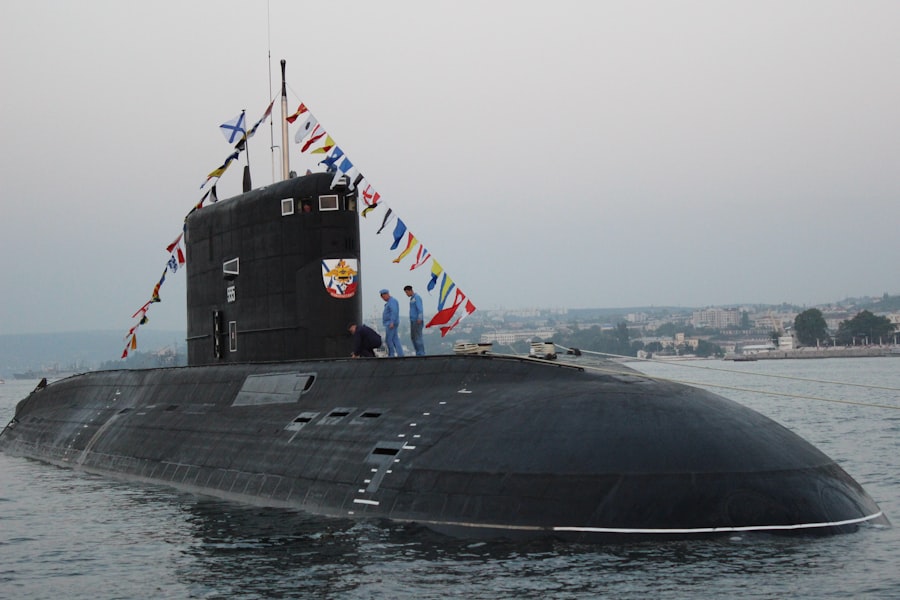
The dynamic between American and Soviet submarines during the Cold War resembled a high-stakes game of cat and mouse, where each side sought to outmaneuver the other while maintaining a delicate balance of power. Submarines from both nations engaged in elaborate tactics designed to evade detection while simultaneously hunting for their adversaries. This constant pursuit created an atmosphere of tension and uncertainty, as each side sought to gain an advantage without triggering open conflict.
The cat-and-mouse game extended beyond mere detection; it involved psychological warfare as well. Submarines would often engage in provocative maneuvers designed to test each other’s responses, pushing the boundaries of acceptable behavior in international waters. These encounters could escalate quickly, leading to dangerous confrontations that risked igniting broader conflicts.
The stakes were high, as both superpowers understood that any miscalculation could have catastrophic consequences.
The Impact of Submarine Espionage on Cold War Politics
Submarine espionage had profound implications for Cold War politics, shaping diplomatic relations and influencing military strategies on both sides.
As each superpower sought to gain an upper hand through espionage, it contributed to an atmosphere of suspicion and hostility that characterized much of the Cold War.
Moreover, submarine espionage played a crucial role in shaping public perceptions of national security. As incidents involving submarine encounters made headlines, they fueled fears about potential conflicts and heightened calls for military preparedness. This dynamic influenced political discourse within both nations, leading to increased funding for naval capabilities and further entrenching the arms race between East and West.
Declassified Documents and Revelations
In recent years, declassified documents have shed light on the clandestine world of Cold War submarine espionage, revealing previously unknown details about operations conducted by both superpowers. These revelations have provided historians and analysts with valuable insights into the strategies employed during this tumultuous period. Documents detailing specific missions, technological advancements, and encounters between submarines have painted a more nuanced picture of how espionage shaped Cold War dynamics.
The release of these documents has also sparked renewed interest in understanding the ethical implications of submarine espionage. As historians sift through classified materials, they grapple with questions about accountability and transparency in military operations. The revelations challenge conventional narratives about heroism and villainy during the Cold War, prompting discussions about the moral complexities inherent in espionage activities.
The Legacy of Cold War Submarine Espionage
The legacy of Cold War submarine espionage continues to resonate today, influencing contemporary military strategies and international relations. The lessons learned from this era have shaped how nations approach underwater warfare and intelligence-gathering operations in an increasingly complex global landscape. As new technologies emerge and geopolitical tensions persist, the principles established during the Cold War remain relevant for modern naval forces.
Furthermore, the legacy extends beyond military strategy; it has implications for diplomatic relations as well. The intricate web of espionage activities during the Cold War has left a lasting impact on how nations perceive one another’s intentions and capabilities. Trust remains elusive in international relations, as historical experiences continue to inform contemporary interactions between former adversaries.
The Future of Submarine Espionage
As technology continues to evolve at an unprecedented pace, the future of submarine espionage is likely to be shaped by advancements in artificial intelligence, unmanned systems, and cyber capabilities. Nations are investing heavily in developing autonomous underwater vehicles capable of conducting surveillance missions without human intervention. These innovations promise to enhance intelligence-gathering capabilities while reducing risks associated with manned operations.
Moreover, as geopolitical tensions shift and new players emerge on the global stage, submarine espionage will likely adapt to address evolving threats. Nations may find themselves engaged in new forms of underwater warfare that incorporate cyber elements or hybrid tactics blending traditional military strategies with modern technological advancements. The future landscape will require navies to remain agile and innovative as they navigate an increasingly complex world.
Ethical and Legal Implications of Submarine Espionage
The ethical and legal implications surrounding submarine espionage are complex and multifaceted. As nations engage in covert operations beneath the waves, questions arise regarding sovereignty, accountability, and international law. The clandestine nature of these activities often blurs the lines between legitimate intelligence-gathering efforts and acts that may be deemed aggressive or provocative.
Furthermore, as technology advances, ethical dilemmas surrounding privacy and surveillance become increasingly pressing. The use of sophisticated listening devices raises concerns about potential violations of international norms regarding communication privacy. As nations grapple with these challenges, discussions about establishing clearer legal frameworks governing underwater espionage will become essential for maintaining stability in an interconnected world.
In conclusion, submarine espionage played a critical role during the Cold War era, shaping military strategies and influencing international relations between superpowers. As technology continues to evolve and geopolitical dynamics shift, understanding this complex history will be essential for navigating future challenges in underwater warfare and intelligence-gathering operations.
Cold War submarine espionage played a crucial role in the intelligence battles between superpowers, with submarines often serving as the silent sentinels of the deep. For a deeper dive into the intricacies of this covert underwater warfare, you can explore the article on submarine espionage secrets at In The War Room. This resource provides fascinating insights into the strategies and technologies employed during this tense period in history.
WATCH THIS! The Billion-Dollar Whisper: How One KGB Mole Made Every Soviet Submarine Visible
FAQs
What was the role of submarines in Cold War espionage?
Submarines played a crucial role in Cold War espionage by conducting covert surveillance, gathering intelligence on enemy naval movements, and tapping underwater communication cables. Their stealth capabilities allowed them to operate undetected in hostile waters, making them ideal for secret missions.
Which countries were primarily involved in submarine espionage during the Cold War?
The United States and the Soviet Union were the primary countries involved in submarine espionage during the Cold War. Both nations invested heavily in advanced submarine technology to gain strategic advantages and gather intelligence on each other’s military activities.
What types of intelligence were gathered through submarine espionage?
Submarine espionage missions focused on collecting various types of intelligence, including tracking enemy submarine deployments, intercepting communications, mapping underwater terrain, and monitoring missile tests. This information was vital for maintaining strategic balance and early warning capabilities.
How did submarines tap underwater communication cables?
Specialized submarines were equipped with devices to locate and tap underwater communication cables discreetly. These operations involved attaching listening devices to the cables to intercept and record communications without detection, providing valuable intelligence on enemy communications.
Were there any notable submarine espionage incidents during the Cold War?
Yes, several notable incidents occurred, such as the capture of the Soviet submarine K-129 by the U.S. in 1974 (Project Azorian) and the detection of Soviet submarines near U.S. waters. These events highlighted the high-stakes nature of underwater espionage and the risks involved.
What technologies were developed to enhance submarine espionage capabilities?
Technologies developed included advanced sonar systems, quieter propulsion methods, improved underwater communication equipment, and sophisticated electronic surveillance tools. These advancements allowed submarines to operate more stealthily and gather intelligence more effectively.
How did submarine espionage impact Cold War diplomacy?
Submarine espionage contributed to the tension and mistrust between the superpowers but also provided critical intelligence that helped prevent misunderstandings and potential conflicts. The information gathered influenced diplomatic negotiations and arms control agreements.
Are Cold War submarine espionage secrets still classified?
Many details about Cold War submarine espionage remain classified or partially declassified due to their sensitive nature. However, some information has been released over time through government disclosures, memoirs, and historical research.