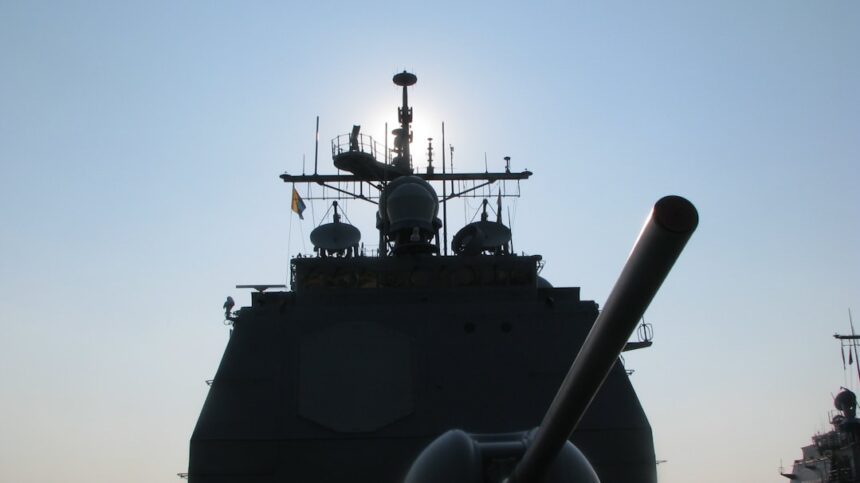
The vast ocean, a liquid tapestry stretching across the globe, served as both a stage and a shroud for much of the Cold War’s most clandestine intelligence battles. Beneath its seemingly placid surface, a silent war of information raged between the United States and the Soviet Union, a relentless pursuit of knowledge that hinged on the capabilities and intentions of each nation’s naval forces. This article delves into the intricate world of Cold War naval intelligence, unveiling secrets that shaped strategic decisions and influenced the very balance of global power.
The deep, dark trenches of the ocean became the hunting grounds for a silent, deadly game of cat and mouse. Submarines, the stealthy titans of the underwater realm, were not only instruments of war but also vital platforms for intelligence gathering. Their ability to operate undetected made them the perfect eavesdroppers, capable of lurking in the shadows and absorbing a wealth of information without revealing their presence.
Tracking the ‘Silent Service’
The United States Navy’s submarines, often dubbed the “Silent Service,” were at the forefront of intelligence collection. Their missions were varied and often fraught with peril.
Acoustic Intelligence (ACINT) Collection
One of the primary methods of submarine intelligence gathering was Acoustic Intelligence, or ACINT. Every submarine, whether diesel-electric or nuclear-powered, emitted a unique acoustic signature – a fingerprint discernible to sophisticated sonar systems. US submarines were tasked with patiently listening to the cacophony of the ocean, meticulously cataloging these signatures. This involved identifying the specific sounds produced by Soviet submarines, such as engine noise, propeller cavitation, and even the characteristic hum of their reactor cores. This painstaking process, akin to a detective building a case from scattered clues, allowed intelligence analysts to identify individual submarine classes, their operational patterns, and even their specific deployments. The data collected was then fed into vast databases, forming a comprehensive picture of the Soviet submarine fleet’s capabilities and movements. The sheer volume of data collected was immense, requiring sophisticated analytical tools to sift through the noise and extract meaningful intelligence. It was a testament to the enduring power of careful observation and meticulous record-keeping, even in the face of overwhelming sonic complexity.
Electronic Intelligence (ELINT) from Submarine Patrols
Beyond acoustics, submarines also served as platforms for Electronic Intelligence (ELINT). While operating submerged, submarines could deploy specialized antennas to collect radio and radar transmissions emanating from Soviet naval vessels. These transmissions could reveal crucial information about radar frequencies, communication protocols, and even the operational status of ships. For US submarines, this meant patiently surfacing or employing periscopes with electronic interception capabilities to “sniff the airwaves.” This was a delicate operation, as surfacing even momentarily could expose them to detection by Soviet patrols. The intelligence gleaned from ELINT provided a vital complement to ACINT, offering a broader understanding of Soviet naval communication and command structures. It highlighted the interconnectedness of naval operations and underscored the importance of intercepting these invisible threads of communication.
The Soviet Counterpart and the Cat and Mouse Game
The Soviet Union, acutely aware of the vulnerability of its submarine fleet, also employed its own intelligence-gathering submarines. This led to a constant, unseen struggle beneath the waves.
“Pushing the Envelope” with Spy Submarines
Soviet submarine designers were not only focused on offensive capabilities but also on developing specialized intelligence platforms. These “spy submarines” were equipped with advanced sensor suites and modified to carry out espionage missions. They would shadow NATO convoys, attempt to intercept US submarine communications, and even conduct reconnaissance of sensitive naval bases. The constant presence of Soviet submarines on patrol made the job of US anti-submarine warfare (ASW) forces a perpetual challenge. It was a relentless game of hide-and-seek, where a single misstep could have catastrophic consequences. The strategic objective for both sides was not just to gather information but to do so without revealing their own intelligence assets, creating a delicate equilibrium of mutual suspicion and veiled observation.
The Perils of Close Encounters
The close proximity required for effective intelligence gathering inevitably led to dangerous encounters. Numerous incidents involved near-collisions and tense standoffs between US and Soviet submarines. These clandestine encounters were never officially acknowledged, but the scars they left on the hull of these silent hunters served as silent testaments to their perilous existence. The ability to maintain a low profile during these tense moments was paramount, as a detected submarine lost its primary advantage – its stealth. The psychological toll on the crews involved in these close calls was considerable, knowing that a single erroneous maneuver could ignite a diplomatic crisis or even an unintended act of war.
Recent revelations about Cold War naval intelligence secrets have shed new light on the covert operations that shaped maritime strategy during this tense period. For a deeper understanding of these developments, you can explore the related article that delves into the intricacies of naval espionage and its impact on global politics. To read more, visit this article.
High-Altitude Reconnaissance: Eyes in the Sky
While submarines navigated the depths, a parallel intelligence war unfolded in the skies. High-altitude reconnaissance aircraft, like giant, unblinking eyes, traversed the upper atmosphere, casting their gaze upon Soviet naval installations, shipyards, and strategic deployments.
The U-2 and its Descendants
The Lockheed U-2 “Dragon Lady” became an iconic symbol of Cold War aerial reconnaissance. Its ability to fly at altitudes exceeding 70,000 feet, far above the reach of most Soviet air defenses, made it an invaluable asset for collecting photographic and electronic intelligence.
Photographic Intelligence (PHOTINT) from the Stratosphere
The U-2’s primary mission was to capture high-resolution photographs of Soviet naval facilities. These images provided crucial intelligence on the construction of new warships, the deployment of submarines, the types of aircraft operating from naval airfields, and the operational readiness of Soviet fleets. The sheer detail captured by the U-2’s cameras was astonishing, allowing analysts to count individual missile silos, identify specific aircraft models, and even assess the stress on structural components of warships. This photographic intelligence was the bedrock upon which many strategic decisions were built, serving as visual confirmation of fears and hopes alike. It was like having a permanent, all-seeing observer positioned above the battlefield of nations.
Challenges and Losses of High-Altitude Reconnaissance
Despite its advantages, high-altitude reconnaissance was not without its risks. The downing of Francis Gary Powers’ U-2 over Soviet territory in 1960 was a stark reminder of the dangers involved and led to a significant diplomatic crisis. This event highlighted the vulnerability of even the most advanced aircraft to increasingly sophisticated Soviet air defenses. The U-2, while a marvel of engineering, was not invincible, and its successful missions were a testament to the skill of its pilots and the courage required to fly into what was perceived as enemy territory, albeit at extreme altitudes. The incident served as a chilling reminder that the Cold War, while largely fought through proxies and proxy threats, had moments where direct confrontation loomed large.
Beyond the U-2: Successors and Specialized Aircraft
As Soviet air defenses evolved, so too did the technology of aerial reconnaissance. The development of the SR-71 Blackbird, a much faster and higher-flying reconnaissance aircraft, offered a new level of survivability.
The SR-71 Blackbird: A Technological Marvel
The SR-71 Blackbird, with its distinctive titanium airframe and twin Pratt & Whitney J58 engines, flew at speeds exceeding Mach 3 and at altitudes above 85,000 feet. This made it virtually invulnerable to interception by contemporary Soviet aircraft and missiles. Its primary role was to cover vast areas of Soviet territory quickly and efficiently, providing timely intelligence updates on naval activities. The SR-71 was a technological leap forward, a whisper of metal screaming through the upper atmosphere, gathering secrets at speeds that defied conventional understanding of flight. Its missions were a testament to human ingenuity and the relentless pursuit of information, pushing the boundaries of what was thought possible.
Reconnaissance Drones and Balloons
In addition to manned aircraft, both sides experimented with unmanned aerial vehicles (UAVs) and high-altitude balloons for intelligence gathering. These platforms offered a less risky alternative for certain types of reconnaissance, particularly in areas deemed too dangerous for manned flights. Drones, relatively primitive by today’s standards, were deployed for photographic and electronic intelligence, while balloons could drift for extended periods, silently observing Soviet naval movements. These unmanned systems, while perhaps less glamorous, played a crucial role in providing continuous intelligence streams, augmenting the capabilities of the more prominent manned platforms.
Signals Intelligence: Listening to the Invisible Currents
The electromagnetic spectrum, an invisible ocean of radio waves, was another vital battleground for naval intelligence. Signals Intelligence (SIGINT) involved intercepting and analyzing communications and electronic emissions, providing a window into the enemy’s thoughts and intentions.
Interception Ships: Floating Listening Posts
Naval vessels, particularly those strategically positioned near Soviet naval bases or along major shipping lanes, were equipped with sophisticated SIGINT suites. These “listening posts” would tirelessly monitor Soviet radio frequencies, radar signals, and other electronic transmissions.
Deciphering Encrypted Communications
A significant challenge in SIGINT was the encryption of Soviet communications. Intelligence agencies invested heavily in cryptanalysis, employing mathematicians and linguists to break these codes. The successful decryption of Soviet naval communications was akin to finding the Rosetta Stone of their intentions, allowing analysts to understand orders, troop movements, and even the psychological state of their commanders. The intellectual heavy lifting involved in code-breaking was immense, a race against time where the success of a nation could hinge on the ability to understand a seemingly indecipherable string of symbols.
Tracking Missile Launches and Operational Readiness
SIGINT played a critical role in monitoring Soviet missile tests and assessing the operational readiness of their naval forces. By analyzing radar signals and telemetry data, intelligence agencies could determine the types of missiles being tested, their range and accuracy, and the overall effectiveness of Soviet weapon systems. This information was crucial for maintaining a strategic advantage and informing defense planning. The ability to detect and understand these technological test signals provided an invaluable insight into the evolving military capabilities of the adversary, offering a crucial early warning system.
The Role of Auxiliary Ships and Civilian Efforts
Beyond dedicated naval vessels, auxiliary ships and even civilian vessels operating under intelligence agency direction played a role in SIGINT collection. These platforms, often disguised as research vessels or fishing trawlers, could operate closer to Soviet shores or in contested waters, gathering intelligence without raising immediate suspicion. The civilian veneer offered a degree of deniability, allowing for operations that might otherwise be too provocative. These civilian efforts, often unseen and unacknowledged, formed an essential part of the broader SIGINT effort.
Human Intelligence: The Shadow Agents
While technology provided a powerful lens, the human element of intelligence remained indispensable. Human Intelligence (HUMINT) involved the clandestine recruitment and exploitation of individuals with access to sensitive information.
Agents within Naval Structures
Intelligence agencies sought to recruit individuals within Soviet naval structures – disgruntled officers, sympathetic civilians working in shipyards, or even individuals with access to technical blueprints. These agents, operating in the shadows of the Soviet system, provided a direct pipeline of information that technology could not replicate.
The Recruitment Process and its Dangers
The recruitment of an agent was a delicate and dangerous undertaking. It involved identifying potential assets, assessing their motivations and vulnerabilities, and establishing secure communication channels. The risk of exposure and severe repercussions for both the agent and the intelligence officer was ever-present. The psychological manipulation and careful cultivation of trust were as important as any technical espionage tools. This was not a game for the faint of heart, demanding immense courage and a deep understanding of human nature.
The “Walk-In” and the Accidental Informant
Not all HUMINT was the result of systematic recruitment. Sometimes, individuals would “walk-in” to embassies or clandestine meeting points, offering information out of ideological conviction, personal grievance, or even financial incentive. These spontaneous offers of intelligence, while often valuable, also carried a higher risk of deception or entrapment. The challenge for the intelligence officer was to discern genuine intent from potential betrayal, a constant balancing act of skepticism and opportunity.
Recent revelations about Cold War naval intelligence secrets have shed light on the covert operations that shaped maritime strategies during this tense period. For those interested in exploring this topic further, an insightful article titled “Cold War Secrets: Unveiling Naval Intelligence” can be found at In The War Room. This piece delves into the intricate web of espionage and counter-espionage that defined naval engagements, providing a fascinating glimpse into the hidden battles fought beneath the waves.
The Cat and Mouse of Naval Bases and Deployments
| Year | Operation/Project | Country | Type of Intelligence | Key Revelations | Impact on Naval Strategy |
|---|---|---|---|---|---|
| 1960 | U-2 Spy Plane Missions | USA | Photographic Reconnaissance | Detailed Soviet naval base layouts and missile installations | Improved targeting and surveillance of Soviet naval assets |
| 1968 | Project Azorian | USA | Submarine Recovery Intelligence | Recovery of Soviet submarine K-129 to gather cryptographic materials | Enhanced understanding of Soviet submarine technology and codes |
| 1972 | Operation Ivy Bells | USA | Undersea Cable Tapping | Intercepted Soviet naval communications via underwater cable taps | Provided real-time intelligence on Soviet naval movements and plans |
| 1980 | Farewell Dossier | France/USA | Counterintelligence | Exposed Soviet espionage efforts targeting Western naval technology | Led to tightening of security and technology safeguards in naval programs |
| 1985 | Operation RYAN | USSR | Human Intelligence (HUMINT) | Monitoring of US naval deployments and nuclear submarine activity | Increased Soviet naval alertness and readiness during heightened tensions |
The strategic locations of naval bases and the movements of fleets were constant points of intelligence focus. Understanding where ships were, what they were doing, and where they were going was paramount to maintaining strategic parity.
Reconnaissance of Key Naval Facilities
Intelligence agencies dedicated significant resources to the reconnaissance of Soviet naval bases. This included identifying the types and numbers of submarines and surface vessels stationed at these bases, the location of critical infrastructure such as dry docks and weapon storage facilities, and the operational tempo of the base.
Satellite Imagery and its Evolution
Satellite imagery, evolving over the course of the Cold War, provided an increasingly powerful tool for monitoring naval bases. Early satellites offered limited resolution, but later generations, particularly highly classified programs, provided detailed photographic and infrared reconnaissance, offering real-time insights into naval activity. This evolution in satellite technology transformed the ability to observe distant naval deployments, providing a constant, global eye on potential threats.
Tracking Carrier Strike Groups and Submarine Patrols
The movements of major naval assets, such as aircraft carrier strike groups and submarine patrols, were meticulously tracked. This intelligence allowed for the anticipation of potential threats, the planning of naval deployments, and the ability to project power effectively.
The Role of Early Warning Systems
Early warning systems, both satellite-based and terrestrial, played a crucial role in detecting the departure of Soviet naval formations. By monitoring radar signatures and other electronic emissions, intelligence agencies could alert strategic commands to the movement of significant naval assets, allowing for proportionate responses. This foresight, gained through meticulous intelligence gathering, was a crucial component of de-escalation and strategic deterrence. The ability to anticipate the enemy’s movements was half the battle, allowing for preemptive strategic positioning and informed defensive postures.
The secrets unveiled from the Cold War naval intelligence battles are a testament to the enduring human drive to understand and anticipate. These clandestine operations, played out on the silent stage of the oceans and the vast canvas of the skies, were not mere academic exercises; they were the unseen threads that held the fragile peace together, the silent sentinels that ensured that the unthinkable remained, for the most part, unthinkable. The legacy of these operations continues to inform modern intelligence practices, reminding us that even in the age of advanced technology, the pursuit of knowledge, the art of observation, and the courage of those who operate in the shadows remain vital to global security.
FAQs
What was the role of naval intelligence during the Cold War?
Naval intelligence during the Cold War was crucial for gathering information on enemy naval capabilities, tracking submarine movements, and monitoring maritime communications. It helped both the United States and the Soviet Union maintain strategic advantages and avoid surprise attacks.
Which countries were primarily involved in Cold War naval intelligence operations?
The primary countries involved in Cold War naval intelligence operations were the United States and the Soviet Union. However, other NATO and Warsaw Pact countries also participated in intelligence gathering and sharing within their respective alliances.
What types of technology were used in Cold War naval intelligence?
Cold War naval intelligence utilized technologies such as sonar, radar, signal interception equipment, cryptographic devices, and reconnaissance satellites. These tools enabled the detection and tracking of submarines and surface ships, as well as the interception of communications.
How were Cold War naval intelligence secrets typically revealed?
Naval intelligence secrets from the Cold War have been revealed through declassified government documents, memoirs of former intelligence officers, leaks, and historical research. Some information has also come to light through espionage cases and whistleblowers.
What impact did Cold War naval intelligence have on global security?
Cold War naval intelligence played a significant role in maintaining the balance of power and preventing direct military conflict between superpowers. By providing early warnings and detailed information, it helped manage crises and contributed to strategic arms control agreements.