The Cold War era was marked by an intense competition between the United States and the Soviet Union, primarily characterized by the race for nuclear supremacy. This period, which spanned from the end of World War II until the early 1990s, saw both superpowers amassing vast arsenals of nuclear weapons, each striving to outdo the other in terms of destructive capability. The development of nuclear technology was not merely a scientific endeavor; it became a symbol of national pride and military might.
Each nation sought to demonstrate its technological prowess and deterrent capability, leading to an arms race that would shape international relations for decades. As both nations expanded their nuclear arsenals, they also engaged in a series of treaties and agreements aimed at curbing the proliferation of these weapons. The Nuclear Non-Proliferation Treaty (NPT) of 1968 was a significant milestone in this regard, as it sought to prevent the spread of nuclear weapons and promote peaceful uses of nuclear energy.
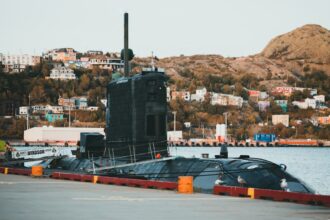
However, the underlying tension remained palpable, as both superpowers continued to develop more sophisticated delivery systems, including intercontinental ballistic missiles (ICBMs) and submarine-launched ballistic missiles (SLBMs). The fear of mutually assured destruction (MAD) loomed large, creating a precarious balance that defined the geopolitical landscape of the time.
Key Takeaways
- The Cold War was marked by intense competition in nuclear arms, espionage, and space technology between superpowers.
- Proxy wars and military alliances played crucial roles in extending influence without direct conflict.
- Propaganda and psychological warfare were key tools in shaping public perception and morale.
- Advances in spy satellites and surveillance technology revolutionized intelligence gathering.
- Declassified Cold War secrets have influenced global politics and continue to inspire popular culture and lessons for future security.
Covert Operations and Espionage
Covert operations and espionage became essential tools in the Cold War arsenal, as both the United States and the Soviet Union sought to gain an upper hand through intelligence gathering and clandestine activities. The Central Intelligence Agency (CIA) and the KGB were at the forefront of these efforts, engaging in a wide array of operations that ranged from surveillance to sabotage. The stakes were high, as information could mean the difference between victory and defeat in this high-stakes geopolitical game.
One notable example of covert operations was the CIA’s involvement in the overthrow of foreign governments that were perceived as threats to U.S. interests. The 1953 coup in Iran, which resulted in the ousting of Prime Minister Mohammad Mossadegh, exemplified how espionage could be wielded as a tool of foreign policy.
Similarly, the KGB conducted its own operations to undermine Western influence, employing tactics that included disinformation campaigns and support for communist movements around the globe. These clandestine activities not only shaped the political landscape but also contributed to a culture of mistrust and paranoia that permeated both superpowers.
The Space Race and Military Technology
The Space Race emerged as a critical front in the Cold War, with both superpowers vying for supremacy in space exploration and technology. The launch of Sputnik by the Soviet Union in 1957 marked a significant milestone, igniting fears in the United States about falling behind in technological advancements. This event catalyzed a renewed focus on science and engineering education in America, as well as increased funding for research and development in aerospace technology.
As the competition escalated, military applications of space technology became increasingly apparent. The development of satellite systems for reconnaissance and communication transformed military strategy, allowing for real-time intelligence gathering and enhanced coordination among forces. The United States’ Apollo program culminated in the historic moon landing in 1969, symbolizing not only technological achievement but also a significant propaganda victory over the Soviet Union.
The Space Race thus served as both a reflection of national pride and a critical component of military strategy during the Cold War.
Proxy Wars and Military Alliances
Proxy wars became a defining feature of Cold War geopolitics, as both superpowers sought to expand their influence without engaging in direct military confrontation. Conflicts in Korea, Vietnam, and Afghanistan exemplified how local struggles were often fueled by the ideological battle between communism and capitalism. These wars were characterized by indirect involvement, with each superpower supporting opposing factions through military aid, training, and resources.
Military alliances played a crucial role in shaping these proxy conflicts. NATO (North Atlantic Treaty Organization) emerged as a collective defense alliance for Western nations, while the Warsaw Pact served as a counterbalance for Eastern Bloc countries under Soviet influence. These alliances not only solidified military cooperation among member states but also heightened tensions between blocs, as each sought to assert its dominance on the global stage.
The consequences of these proxy wars were profound, leading to significant loss of life and long-lasting impacts on regional stability.
The Role of Propaganda and Psychological Warfare
| Secret Operation | Country | Year | Objective | Outcome |
|---|---|---|---|---|
| Operation Ajax | USA | 1953 | Overthrow Iranian Prime Minister Mossadegh | Successful coup, Mossadegh removed |
| Operation Northwoods | USA | 1962 | False flag attacks to justify war with Cuba | Rejected by Kennedy administration |
| Operation Gladio | NATO (Italy) | 1950s-1990s | Stay-behind anti-communist resistance | Revealed in 1990s, controversial |
| U-2 Spy Plane Program | USA | 1955-1960s | High-altitude reconnaissance over USSR | Plane shot down in 1960, pilot captured |
| Operation RYAN | USSR | 1981-1985 | Detect US first strike plans | Increased Cold War tensions |
Propaganda and psychological warfare were integral components of Cold War strategy, as both superpowers sought to shape public perception and influence global opinion. Each side employed various media channels to disseminate information that portrayed their ideology as superior while demonizing the opposing side. This battle for hearts and minds extended beyond traditional media; it infiltrated education systems, cultural exchanges, and even sports events.
The use of propaganda was not limited to overt messaging; it also involved subtle tactics designed to undermine confidence in the enemy. Psychological operations aimed at creating doubt about the opponent’s capabilities or intentions were commonplace. For instance, both sides engaged in disinformation campaigns that sought to manipulate public perception regarding military readiness or political stability.
This psychological warfare contributed to an atmosphere of fear and uncertainty that permeated societies on both sides of the Iron Curtain.
The Development of Spy Satellites and Surveillance Technology
The Cold War spurred significant advancements in surveillance technology, particularly with the development of spy satellites. As both superpowers recognized the importance of intelligence gathering from space, they invested heavily in satellite technology capable of capturing high-resolution images and intercepting communications. These satellites provided critical information about military installations, troop movements, and other strategic assets.
The introduction of reconnaissance satellites like CORONA revolutionized intelligence-gathering capabilities. These satellites allowed for near-real-time monitoring of adversaries without risking human lives on the ground. The ability to collect vast amounts of data from space transformed military strategy and decision-making processes.
As technology advanced, so did the sophistication of surveillance systems, leading to an era where satellite imagery became an indispensable tool for national security agencies.
The Cuban Missile Crisis and Nuclear Standoff
The Cuban Missile Crisis of 1962 stands as one of the most perilous moments in Cold War history, epitomizing the tensions surrounding nuclear weapons. When U.S. intelligence discovered Soviet missile installations in Cuba, it triggered a 13-day standoff that brought the world to the brink of nuclear war.
The crisis highlighted not only the dangers inherent in nuclear proliferation but also the importance of effective communication between superpowers. In response to this existential threat, President John F. Kennedy implemented a naval blockade around Cuba while engaging in intense diplomatic negotiations with Soviet Premier Nikita Khrushchev.
Ultimately, both leaders recognized the catastrophic consequences that a nuclear conflict would entail, leading to a resolution that involved the withdrawal of Soviet missiles from Cuba in exchange for U.
assurances not to invade the island. This crisis underscored the delicate balance between deterrence and diplomacy during a time when misunderstandings could have dire consequences.
The Impact of Cold War Military Secrets on Global Politics
The secrecy surrounding Cold War military operations had far-reaching implications for global politics. As both superpowers engaged in covert activities and intelligence gathering, trust among nations eroded significantly. Countries aligned with either side often found themselves caught in a web of espionage and manipulation, leading to strained diplomatic relations and regional instability.
Moreover, military secrets influenced international alliances and partnerships. Nations sought to align themselves with either the United States or the Soviet Union based on perceived security guarantees or economic benefits derived from military aid. This dynamic created a polarized world where countries were often forced to choose sides, further entrenching divisions that would last well beyond the Cold War era.
Declassified Documents and Revelations
In recent years, declassified documents have shed light on many previously hidden aspects of Cold War military secrets. These revelations have provided historians and scholars with valuable insights into decision-making processes, covert operations, and diplomatic negotiations that shaped this tumultuous period.
S.-Soviet relations, and various proxy conflicts.
The impact of these declassified documents extends beyond academic circles; they have also influenced public perception and historical narratives surrounding the Cold War. As new information comes to light, it challenges long-held beliefs about key events and figures from this era. This ongoing process of uncovering hidden truths serves as a reminder of the complexities inherent in understanding history and its implications for contemporary geopolitics.
Cold War Military Secrets in Popular Culture
Cold War military secrets have permeated popular culture, influencing literature, film, and television throughout subsequent decades. From spy novels like John le Carré’s “The Spy Who Came In from the Cold” to films such as “Dr. Strangelove,” these narratives reflect societal anxieties surrounding espionage, nuclear warfare, and ideological conflict.
Popular culture has often served as a lens through which audiences can grapple with the complexities of this era. Moreover, video games have also drawn inspiration from Cold War themes, allowing players to engage with historical scenarios involving espionage or military strategy. This blending of entertainment with historical context has contributed to an ongoing fascination with Cold War military secrets, ensuring that these stories remain relevant in contemporary discourse.
Lessons Learned and Legacy of Cold War Military Secrets
The legacy of Cold War military secrets continues to resonate today, offering valuable lessons for contemporary international relations. The importance of transparency and communication among nations is underscored by historical events where misunderstandings led to crises with potentially catastrophic consequences. As global tensions persist in various forms, understanding the dynamics that characterized the Cold War can inform current diplomatic strategies.
Furthermore, the ethical implications surrounding espionage and covert operations remain relevant as nations navigate complex geopolitical landscapes. The balance between national security interests and individual rights continues to be debated in modern contexts where surveillance technology plays an increasingly prominent role. Ultimately, reflecting on Cold War military secrets provides insights into how history shapes present-day challenges while emphasizing the need for vigilance in safeguarding peace and stability on a global scale.
For those interested in exploring the intricate details of military history during the Cold War, a fascinating article can be found on In The War Room. This resource delves into various secrets and strategies that shaped the geopolitical landscape of the era. You can read more about these intriguing aspects of Cold War history by visiting In The War Room.
WATCH THIS 🎬 DEAD HAND: The Soviet Doomsday Machine That’s Still Listening
FAQs
What was the Cold War?
The Cold War was a period of geopolitical tension between the United States and its NATO allies and the Soviet Union and its satellite states, lasting roughly from 1947 to 1991. It was characterized by political, military, and ideological rivalry without direct large-scale fighting between the two superpowers.
What are some examples of military secrets from the Cold War?
Military secrets from the Cold War include covert operations, espionage activities, secret weapons development, intelligence gathering techniques, and classified information about nuclear arsenals and missile capabilities. Examples include the U-2 spy plane missions, the development of stealth technology, and the existence of secret bases.
Why were military secrets important during the Cold War?
Military secrets were crucial for maintaining strategic advantages, ensuring national security, and preventing the other side from gaining critical information about weapons, troop movements, or technological advancements. Secrecy helped avoid escalation into direct conflict and maintained the balance of power.
How did espionage impact Cold War military history?
Espionage played a significant role in the Cold War by allowing both sides to gather intelligence on each other’s military capabilities and intentions. Spy networks, double agents, and surveillance technologies influenced military strategies and diplomatic negotiations throughout the period.
What role did nuclear weapons play in Cold War military secrets?
Nuclear weapons were central to Cold War military strategy, with both the US and the USSR developing and stockpiling vast arsenals. Secrets about nuclear capabilities, delivery systems, and missile defense were closely guarded to maintain deterrence and prevent surprise attacks.
Are Cold War military secrets still relevant today?
Yes, many Cold War military secrets continue to influence modern military strategy, intelligence practices, and international relations. Declassified information helps historians understand the period, while some technologies and tactics developed during the Cold War remain in use or have evolved in contemporary defense systems.
How can one access information about Cold War military secrets?
Information about Cold War military secrets can be accessed through declassified government documents, historical archives, academic research, and books written by historians and former intelligence officials. Some information remains classified for national security reasons.