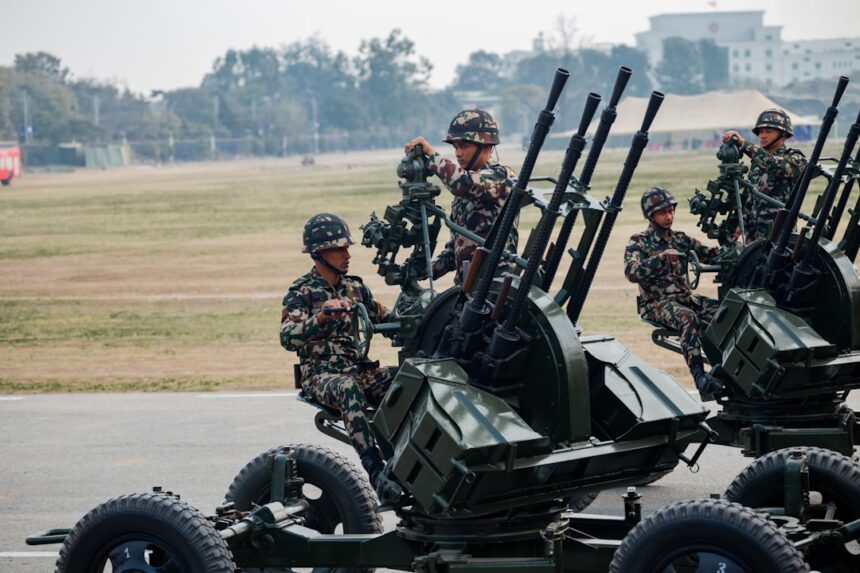
The soldier, a finely tuned instrument of national defense, is forged not only through strategic doctrine and technological advantage but also through the systematic cultivation of unthinking reflexes. These ingrained, immediate responses, honed by rigorous and repetitive training, form a crucial layer of operational capability. In the high-stakes environment of military engagement, where milliseconds can dictate outcomes and survival, the ability to act without conscious deliberation can be the difference between success and catastrophic failure. This article explores the multifaceted role of unthinking reflexes in military training, examining their development, psychological underpinnings, ethical considerations, and limitations.
The core of military training revolves around instilling behaviors that become automatic under duress. This process is not haphazard; it is deliberately orchestrated through a variety of pedagogical methods designed to bypass slower, analytical thought processes.
Repetition and Muscle Memory
The most fundamental technique for developing unthinking reflexes is sheer repetition. Soldiers are subjected to countless iterations of critical tasks. This could range from the physical act of presenting a weapon, to the procedural steps of loading and firing, to the complex maneuvers of squad-level tactics. Each repetition, ideally performed under increasingly challenging conditions, strengthens neural pathways. This repetitive conditioning aims to establish muscle memory, where movements become so ingrained that they are executed with minimal or no conscious cognitive input. The goal is to transform deliberate actions into automatic responses.
Drills and Scenarios
Military drills are specifically designed to simulate battlefield conditions in a controlled environment. These drills, whether for marksmanship, evasive maneuvers, or casualty evacuation, are repeated until proficiency is achieved. The intensity of these drills often escalates, incorporating elements of fatigue, stress, and simulated enemy fire to mirror the unpredictable nature of actual combat. Scenario-based training further refines these reflexes by embedding them within a narrative context. Soldiers learn to react to specific stimuli – the sound of an incoming projectile, the visual cue of an opposing force – with pre-programmed, efficient actions.
Conditioning and Desensitization
Beyond pure repetition, training often incorporates conditioning techniques. This involves associating specific stimuli with specific responses. For instance, auditory cues might be used to trigger immediate defensive actions. This is particularly relevant in areas like explosive ordnance disposal (EOD) or when dealing with chemical, biological, radiological, and nuclear (CBRN) threats. Through repeated exposure in training exercises, soldiers become desensitized to the sensory overload that might otherwise paralyze a less trained individual. This desensitization allows them to maintain functional performance under extreme stress.
The Role of the Instructor
The instructor plays a pivotal role in shaping these unthinking reflexes. Their role extends beyond mere instruction; they are the architects of the soldier’s ingrained responses.
Immediate Correction and Reinforcement
Instructors are trained to identify and correct deviations from the desired responses immediately. This can involve vocal correction, physical guidance, or imposing consequences within the training scenario. Conversely, correct execution is reinforced, often through verbal praise or by allowing the exercise to progress smoothly. This constant feedback loop solidifies correct behaviors and erodes incorrect ones, ensuring that the desired pathways are consistently strengthened while undesirable ones are weakened.
Creating Realistic Stressors
Effective instructors understand the importance of simulating combat stress within training. They introduce artificial time pressures, physical exertion, and psychological challenges to ensure that learned behaviors are not only efficient but also resilient under pressure. The goal is to create a training environment that, while artificial, closely approximates the destabilizing effects of real combat. This ensures that the unthinking reflexes developed are robust enough to function when cognitive capacity is compromised.
In exploring the concept of unthinking reflexes in military training, it is essential to consider how these automatic responses can impact decision-making in high-pressure situations. A related article that delves deeper into this topic is available at In the War Room, where the nuances of reflexive actions and their implications for military effectiveness are examined. This resource provides valuable insights into the balance between instinctual reactions and critical thinking in combat scenarios.
The Psychological Architecture of Unthinking Action
The efficacy of unthinking reflexes is rooted in fundamental aspects of human psychology, particularly how the brain processes information and responds to stimuli, especially under conditions of threat.
Autonomic Nervous System Activation
At its core, unthinking action in military contexts is heavily influenced by the autonomic nervous system, specifically the sympathetic branch. When faced with a perceived threat, the body’s “fight or flight” response is triggered. Hormones like adrenaline and cortisol are released, preparing the body for immediate action. This physiological cascade bypasses conscious thought, initiating rapid physiological changes such as increased heart rate, respiration, and blood flow to muscles. Military training aims to harness and direct this innate response, channeling its energy into trained, effective actions rather than panicked, random movements.
The Amygdala’s Role
The amygdala, a small almond-shaped structure deep within the brain, plays a critical role in processing emotions, particularly fear. It is a key part of the brain’s threat detection system. In high-stress situations, the amygdala can trigger an immediate, instinctive reaction that precedes the more rational analysis performed by the prefrontal cortex. Military training seeks to establish well-practiced actions that can be triggered by the amygdala’s alarm, ensuring that a soldier’s immediate response is functional and beneficial to survival.
Habit Formation and Procedural Memory
Unthinking reflexes are, in essence, highly developed habits. Through repeated practice, certain stimulus-response pairings become deeply ingrained, forming procedural memories. This type of memory is distinct from declarative memory (facts and events) and is responsible for learning skills and performing routines. Procedural memory is accessed and utilized without conscious recall, allowing for fluid, automatic execution of learned behaviors. This is why a soldier can perform complex weapon manipulations while simultaneously engaging in tactical decision-making or communicating with their team.
Priming and Cueing
Training also utilizes priming and cueing to trigger these ingrained reflexes. Presenting a soldier with a specific visual or auditory cue during training can elicit a predictable response. Over time, these cues become strongly associated with the desired action. In combat, these same cues, whether explicit or implicit, can then trigger the unthinking reflex, even in the absence of deliberate thought. For example, the distinctive sound of a specific enemy weapon might automatically trigger a defensive posture or evasive maneuver.
Cognitive Load Management
One of the primary benefits of unthinking reflexes is the reduction of cognitive load. In combat, an individual’s capacity for conscious thought is significantly taxed by a multitude of stressors: the chaotic environment, the risks to personal safety, the need to coordinate with others, and the fog of war. By automating critical actions, soldiers free up their cognitive resources to focus on higher-level decision-making, such as tactical assessment, enemy identification, and strategic planning. This allows for more effective operation under extreme pressure.
The “Two-Brain” Concept
Some psychologists suggest a “two-brain” concept where a rapid, intuitive system operates alongside a slower, deliberate system. Military training aims to optimize the rapid system for immediate threats, ensuring that essential functions are handled by this intuitive pathway, allowing the deliberate system to focus on complex analysis and long-term strategy. This division of cognitive labor is crucial for sustained operational effectiveness in dynamic environments.
Ethical Considerations and the Moral Compass
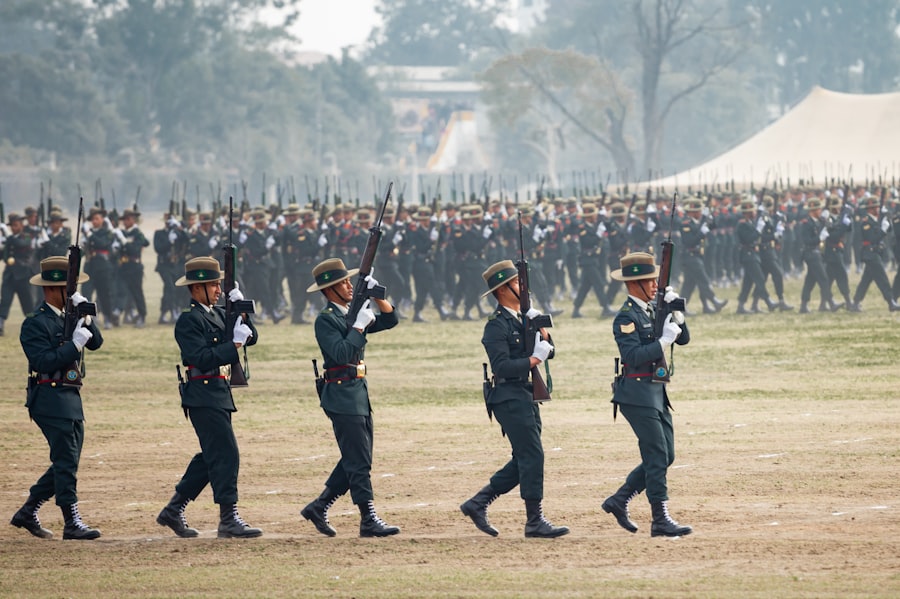
The reliance on unthinking reflexes in military training raises significant ethical questions, particularly concerning accountability, proportionality, and the potential for unintended consequences.
The Challenge of Accountability
When actions are performed reflexively, with minimal conscious thought, assigning accountability for those actions becomes complex. If a soldier’s unthinking reflex leads to an unintended casualty or a disproportionate response, where does the responsibility lie? Is it solely with the individual soldier, or does it extend to the training they received, the doctrine they were taught, or the orders they were given?
Intent vs. Outcome
Military ethics grapples with the distinction between intent and outcome. While a soldier may not have intended harm, their reflexively executed action could still result in it. Training is designed to ensure that the intended outcomes of these reflexes are positive and compliant with the laws of armed conflict. However, the inherent potential for deviation means that the ethical framework must constantly address this tension.
Proportionality and the Rules of Engagement
The rules of engagement (ROE) are designed to govern the use of force, ensuring it is both necessary and proportionate to the threat. Unthinking reflexes, by their very nature, are immediate and can sometimes be less inclined to nuanced ethical deliberation in the heat of the moment. Training must therefore deeply embed the ROE into the fabric of these reflexive actions, ensuring that the ingrained responses are aligned with legal and moral obligations.
De-escalation and Restraint
While reflexes are often associated with aggressive action, military training also seeks to develop unthinking reflexes for de-escalation and restraint. This can include programmed responses to identifying civilians, surrendering combatants, or situations that do not warrant the use of lethal force. The challenge is to train these “negative” reflexes as effectively as the ones that drive offensive actions.
The Human Element in a Mechanized World
The increasing reliance on technology and automation in warfare raises concerns about the erosion of human judgment and the potential for “dehumanization.” While unthinking reflexes can enhance efficiency, there is a continuous debate about how to maintain the soldier’s agency and moral awareness within a system that increasingly relies on pre-programmed responses.
The Commander’s Intent
Ultimately, the commander’s intent provides the overarching framework within which unthinking reflexes operate. Training is designed to ensure that these reflexes serve the commander’s objectives and are executed in accordance with the broader strategic and ethical guidance. This requires a seamless integration of programmed responses with the commander’s overarching directives.
Limitations and the Imperative of Adaptability
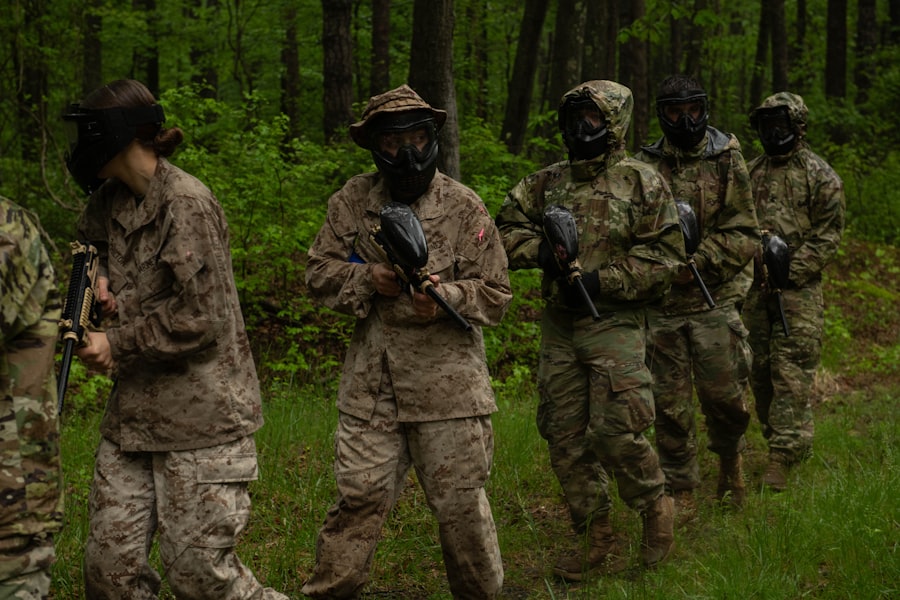
Despite their critical importance, unthinking reflexes are not a panacea and possess inherent limitations that require careful consideration and ongoing adaptation in military training.
The “Perpendicular” Problem: Encountering the Novel
Unthinking reflexes are, by definition, responses to anticipated scenarios. They are highly effective when the situation encountered by the soldier closely matches the training environment. However, in the unpredictable and chaotic nature of real combat, soldiers frequently encounter situations that are entirely novel or deviate significantly from their training. This is often referred to as the “perpendicular” problem – when the reality of the battlefield diverges sharply from the expected axes of training. In such instances, a reliance solely on unthinking reflexes can be detrimental, as the pre-programmed response may be inappropriate or even dangerous.
The Need for Cognitive Flexibility
This highlights the imperative for cognitive flexibility and adaptability. While reflexes provide the foundational layer of immediate action, soldiers must also possess the capacity to override their ingrained responses and engage in deliberate, analytical thought when the situation demands it. Training must therefore strike a delicate balance between cultivating unthinking efficiency and nurturing the ability to assess and adapt to unforeseen circumstances.
The “Automation Bias” and Complacency
An over-reliance on unthinking reflexes can lead to “automation bias” – a tendency for individuals to place undue trust in automated systems or pre-programmed responses, even when evidence suggests they are incorrect. In a military context, this can manifest as complacency, where soldiers become less vigilant or less inclined to question the appropriateness of their ingrained actions, assuming that their training has prepared them for all eventualities. This can lead to missed opportunities, misinterpretations of the environment, and ultimately, operational failures.
The Role of Critical Thinking
Therefore, military training must actively cultivate critical thinking skills alongside the development of reflexes. Soldiers need to be encouraged to analyze situations, question assumptions, and be prepared to deviate from established procedures when necessary. This is not to undermine the value of reflexes, but rather to ensure they are employed judiciously within a broader framework of intelligent action.
The Impact of Fatigue and Stress on Reflex Integrity
While training aims to make reflexes resilient to fatigue and stress, these factors can still degrade their reliability. Extreme exhaustion, prolonged exposure to threat, or severe psychological trauma can impair even the most deeply ingrained responses. In such conditions, the efficiency of unthinking reactions can diminish, and the risk of errors or inappropriate actions increases.
Resilience Training and Psychological Support
Military training increasingly incorporates resilience training and psychological support to mitigate these effects. This involves not only physical conditioning but also mental preparation designed to help soldiers cope with the immense psychological pressures of combat. The goal is to maintain a baseline level of functional performance, even under the most debilitating circumstances, ensuring that some level of effective action remains possible.
The Risk of Habituation and Dehumanization
There is also a potential for habituation to lead to a form of dehumanization. When certain actions become purely automatic, the soldier may begin to perceive the targets of those actions as less than human, or the actions themselves as devoid of moral consequence. This can be a dangerous pathway, leading to atrocities or a loss of empathy.
Reinforcing Ethical Frameworks
This underscores the ongoing need for instructors and leaders to continuously reinforce the ethical frameworks and the humanistic considerations that underpin military operations. The objective is not to create unthinking drones, but rather highly skilled individuals who can act with speed and precision while remaining fully cognizant of the moral and ethical dimensions of their actions, even when those actions are often immediate and instinctive.
In the realm of military training, the concept of unthinking reflexes plays a crucial role in preparing personnel for high-pressure situations. A related article explores how these instinctive responses are cultivated through rigorous drills and simulations, ensuring that soldiers can react swiftly and effectively in the heat of battle. For a deeper understanding of this topic, you can read more about it in the insightful piece found here. This exploration sheds light on the balance between mental acuity and automatic responses that are essential for success in military operations.
Conclusion: The Synergistic Dance of Reflex and Reason
| Training Activity | Metrics |
|---|---|
| Unthinking Reflexes Training | Reaction Time |
| Unthinking Reflexes Training | Accuracy of Response |
| Unthinking Reflexes Training | Adaptability to Changing Situations |
Unthinking reflexes are an indispensable component of modern military training. They are the product of deliberate, iterative conditioning designed to forge immediate, efficient responses that are crucial for survival and mission success in the chaotic and high-stakes environment of conflict. Rooted in the fundamental psychological mechanisms of habit formation and autonomic nervous system activation, these reflexes allow soldiers to operate effectively under extreme stress, freeing cognitive resources for higher-level decision-making.
However, their efficacy is not absolute. The inherent limitations of unthinking actions, particularly in novel situations and under severe duress, necessitate a continuous emphasis on adaptability, critical thinking, and unwavering adherence to ethical principles. Military training must therefore strive for a synergistic dance between reflex and reason, ensuring that ingrained actions serve as a robust foundation for operational capability, while simultaneously preserving the soldier’s capacity for judgment, ethical deliberation, and intelligent adaptation. The goal is not merely to create a soldier who reacts, but one who reacts correctly, purposefully, and ethically, an instrument honed not just by instinct, but by a profound understanding of their role and responsibilities.
FAQs
What is the concept of unthinking reflexes in military training?
Unthinking reflexes in military training refers to the development of automatic and instinctive responses to various situations and stimuli on the battlefield. This training aims to ensure that soldiers can react quickly and effectively in high-stress and dangerous environments.
Why is unthinking reflexes important in military training?
Unthinking reflexes are important in military training because they can mean the difference between life and death on the battlefield. Soldiers need to be able to react swiftly and decisively in order to survive and accomplish their missions.
How are unthinking reflexes developed in military training?
Unthinking reflexes are developed in military training through repetitive drills, simulations, and realistic scenarios. By practicing these skills over and over again, soldiers can train their bodies and minds to react automatically in high-pressure situations.
What are some examples of unthinking reflexes in military training?
Examples of unthinking reflexes in military training include immediate response to enemy fire, administering first aid to injured comrades, clearing a jammed weapon, and quickly assessing and adapting to changing battlefield conditions.
What are the potential drawbacks of unthinking reflexes in military training?
While unthinking reflexes are crucial for survival in combat, there is a risk of over-reliance on these automatic responses. Soldiers must also be trained to think critically and adapt to unexpected situations, as well as to follow rules of engagement and ethical guidelines.