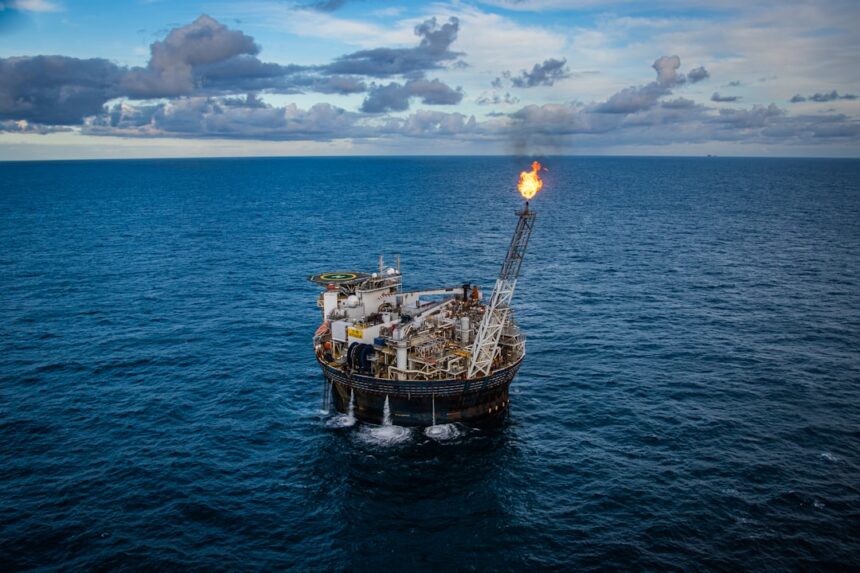
The Weddell Sea, a formidable expanse of icy waters off the coast of Antarctica, has long been a subject of scientific inquiry and geopolitical interest. Recently, a documentary undertaken by [Production Company Name, if known, otherwise leave general] delved into the substantial, yet largely unquantified, oil reserves believed to lie beneath its frigid depths. The film, titled “Untapped Oil Reserves: A Documentary on the Weddell Sea in Antarctica,” presents a comprehensive overview of the geology, potential economic implications, and the considerable environmental challenges associated with exploring and exploiting these resources. The documentary does not shy away from the complexities, offering a nuanced perspective that balances the allure of potential energy wealth with the profound responsibility of preserving one of the Earth’s last pristine environments.
The documentary dedicates a significant portion of its runtime to explaining the geological formations that contribute to the Weddell Sea’s hydrocarbon potential. Through CGI visualizations and interviews with leading geologists and petroleum engineers, the audience is presented with a detailed, albeit simplified, picture of the subsurface.
The Origins of Hydrocarbon Potential
The film highlights the ancient geological history of the region, tracing the formation of sedimentary basins that are conducive to the entrapment of oil and gas. It explains how millennia of organic matter deposition, coupled with the right geological pressures and temperatures, could have led to the formation of viable hydrocarbon reservoirs. The presence of thick layers of sedimentary rock is consistently emphasized as a foundational element for any potential oil discovery.
Continental Shelf Formations
A substantial part of the discussion revolves around the continental shelf surrounding Antarctica, particularly the Weddell Sea region. The documentary explains how passive continental margins, characterized by rift zones and subsequent thermal subsidence, are known to be fertile grounds for oil and gas accumulation in other parts of the world. Analogs from similar geological settings, such as the North Sea or parts of the South Atlantic, are presented to illustrate the theoretical possibilities.
Submarine Basins and Deposition Histories
The film details the presence of several submarine basins within the Weddell Sea. These basins, formed over millions of years, have accumulated vast quantities of sediment eroded from the Antarctic continent and deposited offshore. The documentary emphasizes that within these sediments lie the organic precursors to hydrocarbons. The rate of deposition, the type of organic matter, and the subsequent burial history are all presented as critical factors influencing the potential for oil generation.
Evidence of Existing Hydrocarbons
While direct drilling has been minimal, the documentary explores indirect evidence that suggests the presence of hydrocarbons. This includes the analysis of naturally occurring seeps, although such phenomena are rare in such extreme environments, and the interpretation of seismic data collected in the region.
Remote Sensing and Seismic Surveys
The core of the evidence presented comes from advanced seismic imaging techniques. The film explains how scientists use seismic waves to map the subsurface stratigraphy and identify potential geological traps that could hold oil and gas. These surveys, often conducted from specialized research vessels, provide a non-invasive glimpse into the geological structures miles beneath the seabed. The documentary showcases the sophisticated technology involved, from the acoustic sources to the array of hydrophones that capture the returning signals.
Geochemical Proxies and Analogs
In the absence of widespread sampling, the documentary discusses the use of geochemical proxies. This involves analyzing seabed sediments for indicators of hydrocarbon presence, such as specific molecular biomarkers. Furthermore, the film draws parallels with areas where similar geological formations have yielded significant hydrocarbon discoveries, using these as educated estimations of the Weddell Sea’s potential.
The recent documentary on Weddell Sea Antarctic oil reserves has sparked significant interest in the potential environmental impacts of drilling in such a pristine region. For those looking to explore this topic further, a related article titled “The Future of Antarctic Resources: Balancing Exploration and Conservation” provides an in-depth analysis of the ongoing debates surrounding resource extraction in Antarctica. You can read the article here: The Future of Antarctic Resources.
The Economic Imperative: A Global Perspective
The film then pivots to the potential economic ramifications of discovering and extracting oil from the Weddell Sea. This section of the documentary explores the motivations driving such exploration, balancing them against the inherent risks and costs.
Global Energy Demand and Supply Dynamics
The documentary places the potential Weddell Sea reserves within the context of escalating global energy demand. It highlights projections indicating a continued reliance on fossil fuels for decades to come, particularly in developing economies. This burgeoning demand, coupled with geopolitical uncertainties affecting traditional oil-producing regions, is presented as a significant driver for seeking new sources of energy.
Future Energy Consumption Trends
Various demographic and economic models are presented to illustrate projected future energy consumption. The film emphasizes that even with a significant shift towards renewable energy sources, the sheer scale of global economic activity suggests a substantial residual demand for oil and gas. This is a point often cited by proponents of exploring new frontiers for hydrocarbon extraction.
Geopolitical Influences on Supply
The documentary addresses how geopolitical instability in existing oil-rich regions can disrupt supply chains and lead to price volatility. This inherent risk is framed as a rationale for diversifying energy sources and geographical locations of production, making areas like the Weddell Sea theoretically attractive from a supply security perspective.
Potential for National and International Investment
The prospect of substantial oil discoveries naturally attracts significant interest from both national oil companies and international energy corporations. The documentary touches upon the potential for considerable economic gains, including revenue generation, job creation, and technological innovation, should such reserves prove commercially viable.
The Role of National Oil Companies
The film discusses how national oil companies, particularly those from countries with extensive coastlines and established energy sectors, might see the Weddell Sea as a strategic frontier. The potential to secure domestic energy supplies and bolster national economies is presented as a primary motivation.
International Exploration and Production Companies
Major international oil companies, with their vast capital, technological expertise, and experience in complex offshore environments, are also implicitly or explicitly identified as potential players. The documentary acknowledges their role in frontier exploration, driven by the pursuit of profit and the constant need to replenish their reserves.
The Economic Viability Question
However, the documentary is careful not to present economic benefits as a foregone conclusion. It underscores the immense costs and technical challenges associated with deepwater and polar exploration and extraction, which significantly influence the economic viability. The high operational costs in such an extreme environment are a critical factor.
High Operational Costs
The documentary details the astronomical costs involved in operating in the Weddell Sea. This includes the construction and deployment of specialized ice-breaking vessels, drilling platforms designed to withstand extreme temperatures and ice floes, and the logistical support networks required to sustain operations in such a remote and inhospitable location.
Technological Hurdles and Innovations
The film dedicates segments to the technological challenges. Extracting oil from beneath thousands of feet of water and ice presents unique engineering problems. The documentary highlights the need for advanced drilling techniques, subsea infrastructure, and sophisticated risk management systems to overcome these obstacles. It also touches on the potential for technological innovation driven by the pursuit of these reserves.
Environmental Risks and Mitigation Strategies
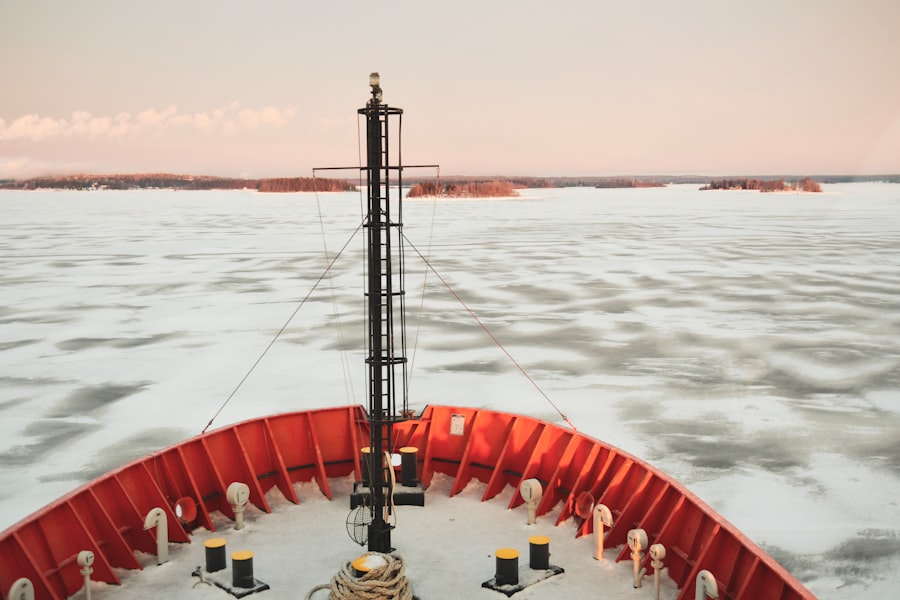
Perhaps the most significant and consistently emphasized aspect of the documentary is the profound environmental risk associated with oil exploration and extraction in the pristine ecosystem of the Weddell Sea. The film dedicates substantial time to outlining these dangers and exploring potential, albeit often debated, mitigation strategies.
The Fragile Antarctic Ecosystem
The documentary meticulously details the unique and highly sensitive nature of the Antarctic environment. It highlights the biodiversity of the Weddell Sea, from its abundant krill populations to its apex predators like seals and whales, all of which are intrinsically linked in a delicate food web. The film stresses that this ecosystem has evolved in relative isolation and is particularly vulnerable to disruption.
Unique Biodiversity and Food Webs
The film provides vivid imagery of the marine life inhabiting the Weddell Sea. It explains the critical role of Antarctic krill as a keystone species, supporting populations of penguins, seals, whales, and other marine organisms. The documentary emphasizes how any disruption at the base of this food web could have cascading effects throughout the entire ecosystem.
The Impact of Climate Change on Antarctica
Beyond the direct risks of oil exploration, the documentary also places these activities within the broader context of climate change. It outlines how the Antarctic continent and its surrounding waters are already experiencing significant environmental shifts, such as ice melt and changes in sea ice extent. The film suggests that introducing the risk of oil spills could exacerbate these existing vulnerabilities.
The Threat of Oil Spills
The specter of an oil spill in the Weddell Sea is a central concern. The documentary uses simulations and expert testimony to illustrate the potentially catastrophic consequences of such an event in this cold, remote, and often ice-covered region. The difficulty of containment and cleanup in such conditions is a recurring theme.
Containment and Cleanup Challenges
The film explains why containing and cleaning up an oil spill in the Weddell Sea would be an unprecedented challenge. The presence of sea ice, the extreme cold which slows down natural degradation processes, and the immense distances from response resources are all identified as major impediments. Traditional oil spill response methods, proven effective elsewhere, may be entirely inadequate in this environment.
Long-Term Ecological Damage
The documentary underscores the potential for long-lasting ecological damage. It discusses how hydrocarbons can persist in the environment for decades, impacting marine life through direct toxicity, bioaccumulation in the food chain, and habitat degradation. The slow recovery rates of cold-water ecosystems are highlighted as a critical factor.
Mitigation and Prevention Measures
While acknowledging the inherent difficulties, the documentary explores the proposed mitigation and prevention measures. These range from advanced drilling technologies to stringent regulatory frameworks. However, the effectiveness and feasibility of these measures in the Antarctic context are often questioned by the experts interviewed.
Technological Safeguards and Monitoring
The film discusses state-of-the-art technologies aimed at preventing spills and detecting any leaks. This includes advanced drilling equipment with multiple safety redundancies, real-time subsea monitoring systems, and sophisticated containment technologies. The documentary presents these as essential components of any responsible exploration effort.
International Regulations and Enforcement
The documentary touches upon the existing international legal framework governing activities in Antarctica, particularly the Protocol on Environmental Protection to the Antarctic Treaty. It examines the stringent environmental regulations that would need to be in place and the challenges associated with effectively enforcing them in such a remote and vast area.
The Geopolitical Landscape of the Weddell Sea
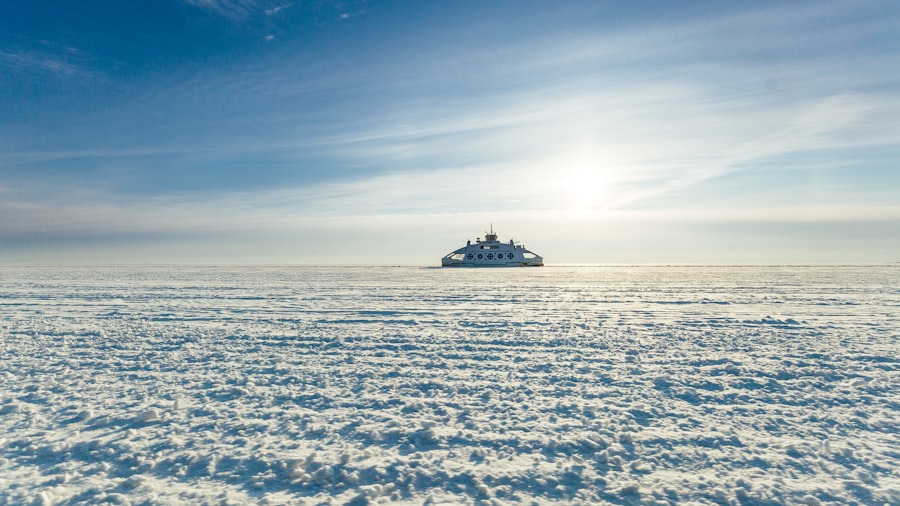
The Weddell Sea is not just a geological and environmental frontier but also a complex geopolitical arena. The documentary explores the various nations with interests in Antarctica and the implications for any potential resource development.
Territorial Claims and Antarctic Treaty System
The film explains the historical context of territorial claims in Antarctica and how they are managed under the Antarctic Treaty System. It highlights how the treaty, while preserving the continent for peaceful scientific purposes, does not formally recognize or extinguish existing territorial claims by various nations.
The Antarctic Treaty’s Provisions
The documentary elaborates on the core principles of the Antarctic Treaty, emphasizing its commitment to environmental protection and scientific research. It details how the treaty has successfully managed to keep the continent free from military activity and resource exploitation for decades. However, the film also subtly hints at the growing pressures on this system.
Frozen Claims and Future Implications
The concept of “frozen claims” is explained, where signatory nations agree not to press their territorial claims while the treaty is in force. The documentary raises questions about what might happen should significant resource discoveries be made, and how this could test the resolve and principles of the treaty system.
National Interests and Scientific Presence
Several nations maintain a strong scientific presence in the Weddell Sea region, operating research stations and conducting extensive scientific expeditions. The documentary explores how these national interests, often framed in terms of scientific leadership and territorial presence, might evolve in the context of potential resource discovery.
Research Stations and Operational Bases
The film shows footage of various national research stations located on the periphery of the Weddell Sea and on Antarctic peninsulas. It explains the logistical and financial investments made by these nations to maintain these bases, which serve as hubs for scientific inquiry and demonstrate national presence.
Bilateral and Multilateral Cooperation
While competition for influence exists, the documentary also acknowledges the significant degree of scientific cooperation among nations in Antarctica. It highlights how shared research projects and data exchange are crucial for advancing our understanding of the continent, and how this cooperation could be a factor in any future resource management discussions.
The Future of Resource Exploitation in Antarctica
The documentary concludes by contemplating the future of resource exploitation in Antarctica, particularly concerning the unexploited reserves in the Weddell Sea. It presents a spectrum of possibilities, from a continued commitment to strict environmental protection to incremental changes that could pave the way for future extraction.
Scenarios for Future Development
The film outlines potential future scenarios, ranging from a complete moratorium on all resource extraction to a highly regulated and phased approach to exploration and potential development. The documentary avoids making definitive predictions, instead presenting the various angles and their likely implications.
The Role of Public Opinion and Global Governance
The documentary suggests that public opinion, both within claimant nations and globally, will play a critical role in shaping the future of Antarctic resource policy. Furthermore, the effectiveness of international governance structures in managing any potential resource development will be paramount. The film implies that strong global consensus and robust governance will be essential to navigate such complex issues.
The recent documentary on the Weddell Sea Antarctic oil reserves has sparked significant interest in the potential environmental impacts of drilling in such a pristine area. For those looking to explore this topic further, an insightful article discussing the geopolitical implications of resource extraction in Antarctica can be found at In the War Room. This piece delves into the balance between economic interests and environmental preservation, highlighting the complexities surrounding the future of our planet’s untouched regions.
The Unanswered Questions and Future Research
| Metrics | Data |
|---|---|
| Oil Reserves | Estimated to be significant |
| Documentary Title | Weddell Sea Antarctic Oil Reserves |
| Exploration | Ongoing |
| Environmental Impact | Concerns raised |
“Untapped Oil Reserves: A Documentary on the Weddell Sea in Antarctica” ultimately leaves the audience with more questions than answers, which the filmmakers likely intended. The documentary serves as a platform for a crucial global conversation, highlighting the need for continued research and careful consideration.
The Need for More Comprehensive Data
The film underscores that despite advances in seismic imaging, there remains a significant lack of detailed subsurface data in the Weddell Sea. The documentary advocates for further investment in geophysical surveys, geological sampling, and exploratory drilling (under strict environmental controls) to gain a more accurate understanding of the size and composition of any potential hydrocarbon reserves.
Advancements in Geophysical Survey Techniques
The documentary touches upon ongoing research into more advanced geophysical survey techniques that could provide higher resolution images of the subsurface with reduced environmental impact. Innovations in seismic acquisition and processing are mentioned as key areas for future development.
The Role of Well Logging and Core Sampling
The film explains that definitive confirmation of hydrocarbon presence and reservoir quality can only be achieved through well logging and core sampling. It discusses the logistical and environmental challenges of conducting such activities in the Weddell Sea, but argues for their necessity in making informed decisions.
The Long-Term Environmental Monitoring Imperative
Beyond exploration, the documentary emphasizes the critical need for robust, long-term environmental monitoring programs. Even in the absence of exploitation, understanding the baseline environmental conditions and detecting any subtle changes that might occur over time is considered paramount.
Baseline Ecological Assessments
The film highlights the importance of establishing comprehensive baseline ecological assessments before any significant human activity is undertaken in the region. This involves detailed studies of marine populations, water chemistry, and seabed habitats to track any future alterations.
Impact of Climate Change vs. Anthropogenic Activities
Distinguishing between the impacts of natural climate change and potential anthropogenic activities will require sophisticated monitoring systems and analytical capabilities. The documentary stresses the need for ongoing research to understand these complex interactions.
The Ethical and Moral Considerations
Ultimately, the documentary raises profound ethical and moral questions about humanity’s responsibility towards the Antarctic continent. It prompts the audience to consider whether the potential economic benefits of exploiting these resources outweigh the environmental risks and the imperative to preserve one of the planet’s last remaining wild places.
Stewardship of a Global Commons
The film frames Antarctica as a global commons, a shared heritage that requires responsible stewardship. It questions whether the pursuit of short-term economic gains should supersede the long-term preservation of this unique environment for future generations.
The Precautionary Principle in Practice
The documentary advocates for the robust application of the precautionary principle in any decision-making process regarding resource development in Antarctica. This principle suggests that when an activity raises threats of harm to human health or the environment, precautionary measures should be taken even if some cause-and-effect relationships are not fully established scientifically. The film strongly implies that the Weddell Sea falls squarely into this category.
FAQs
What is the Weddell Sea?
The Weddell Sea is part of the Southern Ocean and is located in the Antarctic region. It is known for its cold and harsh climate, and its waters are covered by ice for most of the year.
What are the oil reserves in the Weddell Sea?
The Weddell Sea is believed to have significant oil reserves, although the exact amount is not known. These reserves have attracted the interest of oil companies and governments, leading to debates about potential drilling and its impact on the environment.
What is the documentary about the Weddell Sea Antarctic oil reserves?
The documentary explores the potential oil reserves in the Weddell Sea and the impact of oil exploration and drilling on the fragile Antarctic ecosystem. It also delves into the geopolitical and environmental implications of tapping into these reserves.
What are the environmental concerns related to oil exploration in the Weddell Sea?
Environmentalists and scientists have raised concerns about the potential impact of oil exploration and drilling in the Weddell Sea. They worry about the disruption of the delicate Antarctic ecosystem, the risk of oil spills, and the potential harm to wildlife such as penguins, seals, and whales.
What are the geopolitical implications of oil reserves in the Weddell Sea?
The presence of oil reserves in the Weddell Sea has sparked geopolitical tensions, as countries and companies vie for access to these resources. The documentary may explore the geopolitical dynamics and the potential for conflict or cooperation among nations with interests in the region.