During the Cold War, the Soviet Union and the United States engaged in a protracted and perilous contest for global supremacy. A critical domain of this struggle was the underwater realm, where stealth and technological superiority offered significant strategic advantages. Soviet submarine design and operational doctrine, in particular, focused heavily on evading detection by Western powers. This article explores the methods and technologies employed by the Soviet Union to achieve this elusive goal, examining both their successes and the challenges they faced in the intricate dance of sub-surface warfare.
The Cold War ocean was anything but silent. It was a complex acoustic environment, teeming with natural sounds and engineered signals. For any submarine, stealth was paramount, not merely a desirable attribute. The ability to remain undetected offered distinct tactical and strategic advantages, allowing for surprise attacks, covert deployments, and the maintenance of a credible second-strike capability. Conversely, detection meant vulnerability, the potential for tracking, and ultimately, destruction. You can learn more about John Walker by watching this informative video.
Hydrophone Arrays: The Ears of the Ocean
Western naval powers, notably the United States, invested heavily in vast underwater listening networks. The Sound Surveillance System (SOSUS) was the most prominent of these. SOSUS consisted of lines of hydrophones laid on the ocean floor, primarily in strategic choke points and along anticipated Soviet submarine transit routes. These arrays were designed to pick up faint acoustic signatures generated by submarines – their propeller cavitation, machinery noise, and even the subtle hum of their internal systems.
- Fixed Arrays: SOSUS exemplified the fixed array concept. These permanent installations were meticulously positioned and connected to shore-based processing centers, providing continuous surveillance over large areas. Their strength lay in their passive nature; they did not emit energy, making them difficult to detect and neutralize.
- Mobile Platforms: Beyond fixed arrays, surface ships and aircraft equipped with towed arrays and dipping sonars supplemented the surveillance effort. These platforms offered flexibility and the ability to focus on specific areas of interest or to pursue detected contacts.
The Acoustic Signature: A Submarine’s Fingerprint
Every submarine produces a unique acoustic signature, a distinctive “fingerprint” that can betray its presence. This signature comprises various components, each offering clues about the vessel’s type, speed, and even operational status.
- Propeller Cavitation: As a propeller rotates, it creates regions of low pressure that can lead to the formation of bubbles, a phenomenon known as cavitation. The bursting of these bubbles generates broadband noise, a primary target for acoustic detection systems.
- Machinery Noise: Internal machinery – engines, pumps, generators, and even crew activities – contributes to a submarine’s overall acoustic output. Isolating and minimizing these sources was a constant design challenge.
- Flow Noise: The movement of water over the hull and appendages generates turbulent flow, which can also produce detectable noise, especially at higher speeds.
Soviet submarines have long been a subject of fascination and concern due to their ability to evade detection arrays, a topic that highlights the intricate balance of naval warfare and technological advancements. For a deeper understanding of the strategies employed by these submarines and their implications on modern naval tactics, you can read a related article at this link. This article delves into the historical context and technological innovations that allowed Soviet submarines to operate stealthily in hostile waters.
Soviet Countermeasures: Engineering for Evasion
The Soviet Union recognized the formidable challenge posed by Western acoustic detection capabilities. Their response was a multi-pronged approach, encompassing advanced submarine design, noise reduction technologies, and sophisticated operational tactics.
Quieting the Beast: Design and Construction Innovations
Reducing a submarine’s acoustic signature was a fundamental objective of Soviet naval architects and engineers. This involved a holistic approach, from the initial design phase to the meticulous construction and ongoing maintenance of the vessels.
- Hull Design and Material: Early Soviet submarines were often characterized by their robust, but acoustically noisy, construction. However, later designs, particularly from the 1970s onwards, incorporated innovations such as anechoic coatings on the hull. These rubberized tiles were designed to absorb incoming sonar pings and reduce the reflection of internal noise, effectively making the submarine “invisible” to active sonar and dampening its own emitted sounds.
- Rafting and Isolation: A significant breakthrough was the implementation of “rafting” – mounting noisy machinery (engines, pumps, and other auxiliary equipment) on resilient rafts or foundations, which were then isolated from the main hull using flexible mounts. This significantly reduced the transmission of vibrations and noise into the water. Think of it like isolating a powerful engine on a series of springs and dampeners; the engine still vibrates, but those vibrations are absorbed before they reach the structure supporting it.
- Propeller Evolution: The design of propellers evolved dramatically to minimize cavitation. Multi-bladed, skewed, and highly refined propeller designs became standard, aiming to operate efficiently with minimal noise generation, especially at slower, stealthy speeds. Large, slow-turning propellers were also favored for their quieter operation.
Tactical Deception: Playing the Ocean’s Game
Beyond technological advancements, Soviet submarine commanders employed a range of tactical maneuvers and doctrines designed to confound Western detection efforts. The ocean itself became an ally, offering cover and confounding acoustic sensors.
- Deep Operations: Operating at greater depths provided several advantages. Deeper waters exhibit greater sound velocity gradients, creating “shadow zones” where sound waves bend and refract, making detection more difficult. The pressure at extreme depths also compressed cavitation bubbles, reducing their noise output.
- Layer Diving: The oceans are characterized by thermal layers – distinct strata of water with different temperatures and densities. These layers act as acoustic barriers, reflecting or refracting sound waves. Soviet submarines would strategically operate within these layers to exploit their acoustic properties, effectively “hiding” themselves from surface-based sonars. Imagine diving below a thermal “ceiling” that sound struggles to penetrate.
- Transit through Noisy Areas: Deliberately transiting through naturally noisy areas, such as shipping lanes, active fishing grounds, or areas of high biological activity (e.g., whale migration routes), could provide acoustic masking. The increased background noise made it harder for sensors to pick out the subtle signature of a submarine.
- Baffling and Deception Devices: Soviet submarines were equipped with various acoustic countermeasures. These included noisemakers, which could be deployed to confuse or decoy enemy sonars, emitting false signatures or overwhelming receivers with random noise. Some even carried sophisticated self-propelled decoys designed to mimic a submarine’s acoustic signature, drawing away pursuing forces.
The Elusive Silent Hunter: Case Studies and Outcomes

The effectiveness of Soviet stealth measures was a constant source of concern for Western military planners. While definitive, detailed accounts of every evasion are classified, certain incidents and general trends illustrate the success of these efforts.
Echo and Victor Class Submarines: Early Challenges
Early Soviet nuclear submarines, like the Echo II and Victor-I classes, were known for their significant radiated noise. These vessels, while formidable in their armament, were relatively easy to detect by the robust SOSUS network. This provided Western anti-submarine warfare (ASW) forces with crucial tracking data, allowing them to monitor Soviet deployments, particularly patrols into the Atlantic.
Delta and Alfa Classes: A Leap in Acoustic Stealth
The Delta-class ballistic missile submarines and especially the Alfa-class attack submarines marked a substantial improvement in Soviet acoustic stealth. The Alfa class, in particular, with its titanium hull and advanced noise reduction technologies, astonished Western intelligence. Its ability to operate at high speeds while maintaining a remarkably low acoustic signature posed a serious challenge. These submarines were often described as “whispering” at speeds where other submarines would be “shouting.” The concern was so great that it prompted significant upgrades in Western ASW capabilities.
- The Toshiba-Kongsberg Scandal: A notable incident highlighting the Western concern over Soviet sub-surface stealth was the Toshiba-Kongsberg scandal in the late 1980s. Toshiba Machine Co. of Japan and Kongsberg Våpenfabrikk of Norway illegally sold sophisticated machinery (propeller milling machines and advanced numerical control systems) to the Soviet Union. This technology allowed the Soviets to produce significantly quieter and more efficient propellers for their submarines, further reducing their detectability and substantially eroding Western acoustic superiority. This incident dramatically underscored the ongoing technological race in the underwater domain.
Operational Successes: The Silent Patrols
Throughout the Cold War, there were numerous instances where Soviet submarines successfully transited vast distances, conducted deployments, and returned to port without ever being detected by Western ASW forces. These “silent patrols” were a testament to the skill of their crews and the effectiveness of their stealth technologies. For instance, the ability of Soviet ballistic missile submarines (SSBNs) to effectively disappear into the vastness of the ocean for extended periods provided a credible second-strike capability, a cornerstone of mutual assured destruction (MAD).
The Perpetual Race: Detection vs. Evasion
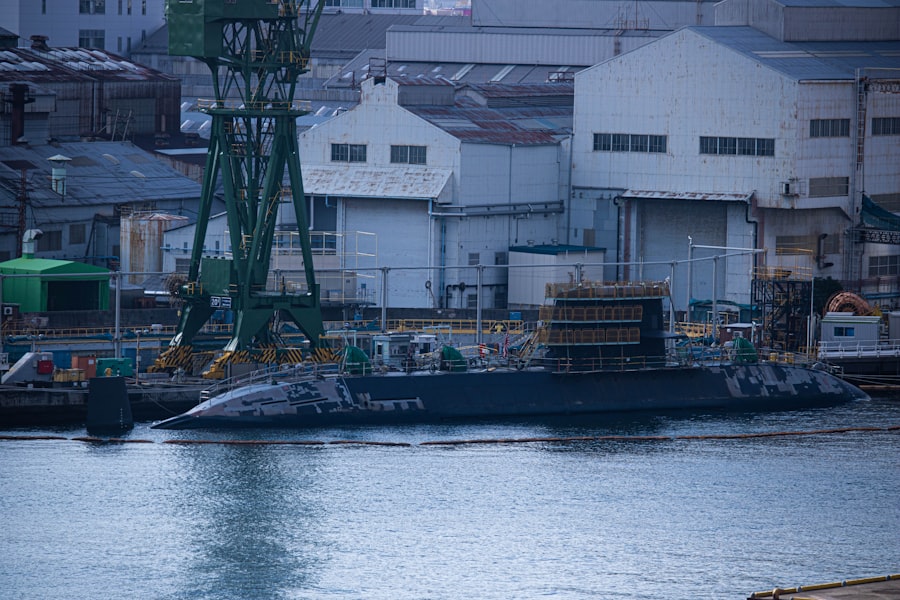
The Cold War underwater domain was characterized by a relentless technological and tactical arms race. Each advance in detection was met with a countermeasure in evasion, and vice versa. This dynamic competition pushed the boundaries of engineering, acoustics, and operational doctrine.
The Post-Cold War Landscape: Evolving Threats
While the Soviet Union no longer exists, the legacy of its approach to submarine stealth continues. Modern Russian submarines, such as the Borei and Yasen classes, incorporate many of the core principles developed during the Cold War. They feature advanced anechoic coatings, sophisticated rafting systems, and highly optimized propulsion. The challenge of detecting these increasingly quiet submarines remains a critical concern for NATO and other naval powers.
The Proliferation of Quiet Submarines: A Global Concern
Furthermore, the proliferation of relatively quiet diesel-electric submarines to various navies around the world presents a new dimension to this challenge. While not possessing the endurance or speed of nuclear submarines, their acoustic stealth at low speeds can be exceptional, making them difficult to detect in littoral environments. This means the lessons learned from the Cold War struggle against Soviet stealth remain highly relevant in contemporary military planning and anti-submarine warfare development. The cat-and-mouse game beneath the waves continues, albeit with new players and evolving technologies.
WATCH THIS 🔐 The Submarine That Broke The Cold War | Naval Intelligence Espionage | SOSUS Compromise
FAQs
What were Soviet submarines designed for?
Soviet submarines were primarily designed for naval warfare, including strategic missile deployment, intelligence gathering, and evading enemy detection to maintain stealth during missions.
How did Soviet submarines evade detection arrays?
Soviet submarines used a combination of advanced hull designs, sound-dampening technologies, quiet propulsion systems, and tactical maneuvers to reduce their acoustic signature and avoid detection by sonar and other surveillance arrays.
What types of detection arrays were used to track submarines?
Detection arrays included passive and active sonar systems, underwater hydrophone networks, magnetic anomaly detectors, and satellite surveillance, all aimed at locating and tracking submarines underwater.
Why was evading detection important for Soviet submarines?
Evading detection was crucial for maintaining strategic advantage, ensuring the success of covert operations, protecting the submarine and its crew, and preserving the element of surprise in military engagements.
Did Soviet submarines have any technological advantages in stealth?
Yes, Soviet submarines incorporated innovations such as anechoic tiles to absorb sonar waves, improved hull shapes to minimize noise, and advanced propulsion systems that reduced cavitation and engine noise.
How did Western navies respond to Soviet submarine stealth tactics?
Western navies developed more sensitive sonar systems, deployed extensive underwater sensor networks, and improved anti-submarine warfare tactics to counter the stealth capabilities of Soviet submarines.
Were all Soviet submarines equally capable of evading detection?
No, the ability to evade detection varied by class and era. Newer classes incorporated more advanced stealth technologies, while older models were more vulnerable to detection.
What role did intelligence and counterintelligence play in submarine detection?
Intelligence gathering helped navies anticipate submarine movements and deployment, while counterintelligence efforts aimed to conceal submarine operations and technological capabilities from adversaries.
Are Soviet submarine stealth techniques still relevant today?
Many principles of stealth and evasion developed by Soviet submarines continue to influence modern submarine design and anti-submarine warfare strategies worldwide.