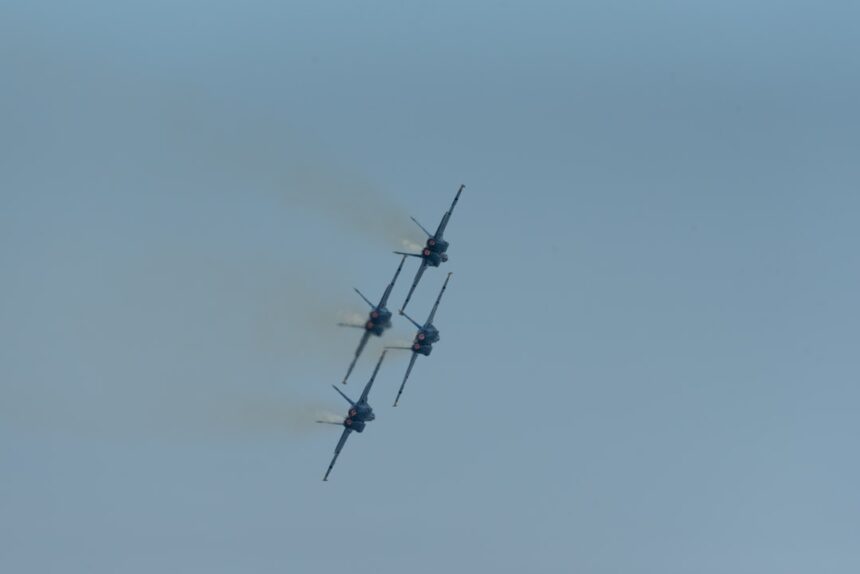
The history of American air superiority intelligence is a tale woven through the fabric of military evolution, marked by significant milestones that have shaped the United States’ approach to aerial dominance. From the early days of World War I, when rudimentary reconnaissance missions were conducted using biplanes, to the sophisticated intelligence operations of the 21st century, the journey has been one of continuous adaptation and innovation. The interwar period saw the establishment of more formalized intelligence structures, as military leaders recognized the critical importance of aerial reconnaissance in modern warfare.
The advent of World War II further underscored this necessity, leading to the development of advanced aerial photography and radar technologies that would revolutionize intelligence-gathering methods. As the Cold War unfolded, American air superiority intelligence evolved in response to new threats and technological advancements. The introduction of jet aircraft and missile technology necessitated a more nuanced understanding of enemy capabilities and intentions.
The establishment of agencies such as the National Reconnaissance Office (NRO) in 1961 marked a pivotal moment in the integration of satellite technology into air superiority intelligence. This period also saw the rise of electronic warfare and signals intelligence, which became essential components in assessing adversarial air power. The culmination of these developments laid the groundwork for the sophisticated air superiority intelligence framework that exists today.
Learn about the fascinating story of a
Surveillance and reconnaissance are cornerstones of maintaining air superiority, providing critical insights into enemy capabilities and intentions. The ability to monitor adversarial activities allows military planners to anticipate threats and respond proactively. In modern warfare, where speed and precision are paramount, timely intelligence can mean the difference between success and failure in combat operations.
Continuous surveillance ensures that American forces remain one step ahead, enabling them to identify potential vulnerabilities in enemy defenses and exploit them effectively. The significance of reconnaissance extends beyond immediate tactical advantages; it also plays a vital role in strategic planning. By gathering comprehensive data on enemy air assets, command structures, and logistical networks, American military leaders can formulate long-term strategies that enhance overall operational effectiveness.
This intelligence-driven approach fosters a deeper understanding of the battlefield environment, allowing for more effective resource allocation and mission planning. In essence, surveillance and reconnaissance serve as the backbone of air superiority efforts, ensuring that American forces maintain their edge in an increasingly complex global landscape.
The Impact of Cyber Warfare on American Air Superiority Intelligence
In an era where cyber warfare has emerged as a formidable domain of conflict, its impact on American air superiority intelligence cannot be overstated. Cyber capabilities have introduced new dimensions to intelligence-gathering efforts, enabling adversaries to disrupt communication networks, manipulate data, and compromise critical systems.
Cyber threats can undermine situational awareness and hinder decision-making processes, making it essential for American forces to develop robust cyber defense strategies. Furthermore, cyber warfare has transformed the nature of intelligence collection itself. Adversaries can employ cyber tactics to gather sensitive information about American air operations, potentially compromising mission success.
This necessitates a proactive approach to cybersecurity within the realm of air superiority intelligence. By integrating cyber capabilities into traditional intelligence frameworks, American forces can enhance their resilience against potential threats while simultaneously leveraging offensive cyber operations to disrupt enemy capabilities. As cyber warfare continues to evolve, its implications for air superiority intelligence will remain a critical area of focus for military strategists.
The Role of Satellite Intelligence in American Air Superiority
| Metric | Value | Description |
|---|---|---|
| Number of ISR (Intelligence, Surveillance, Reconnaissance) Aircraft | 500+ | Includes platforms like RQ-4 Global Hawk, U-2, and E-3 AWACS |
| Satellite Reconnaissance Coverage | Global, 24/7 | Continuous real-time global surveillance via classified satellite constellations |
| Cyber Intelligence Units | 10,000+ personnel | Dedicated teams for cyber warfare and intelligence gathering |
| Data Processing Speed | Petabytes per day | High-capacity data analysis from multiple intelligence sources |
| Stealth Reconnaissance Platforms | 50+ | Includes stealth drones and aircraft for covert intelligence missions |
| AI-Driven Intelligence Analysis | Operational | Use of artificial intelligence to enhance data interpretation and threat prediction |
| Allied Intelligence Sharing Agreements | 5 major alliances | Includes NATO, Five Eyes, and other strategic partnerships |
Satellite intelligence has become an indispensable component of American air superiority efforts, providing unparalleled capabilities for monitoring global developments from space. The ability to capture high-resolution imagery and gather signals intelligence from orbiting satellites has revolutionized the way military planners assess threats and opportunities. Satellites enable continuous surveillance over vast areas, allowing for real-time updates on enemy movements and activities.
This capability is particularly crucial in maintaining air superiority, as it provides commanders with a comprehensive understanding of the operational environment. Moreover, satellite intelligence facilitates enhanced coordination among various branches of the military and allied forces. By sharing satellite data across platforms, American forces can synchronize their operations more effectively, ensuring that all units are operating with a unified understanding of the battlefield dynamics.
This collaborative approach not only strengthens air superiority but also fosters interoperability among allied nations, enhancing collective security efforts. As satellite technology continues to advance, its role in shaping air superiority intelligence will only grow more significant.
The Integration of Artificial Intelligence in American Air Superiority Intelligence
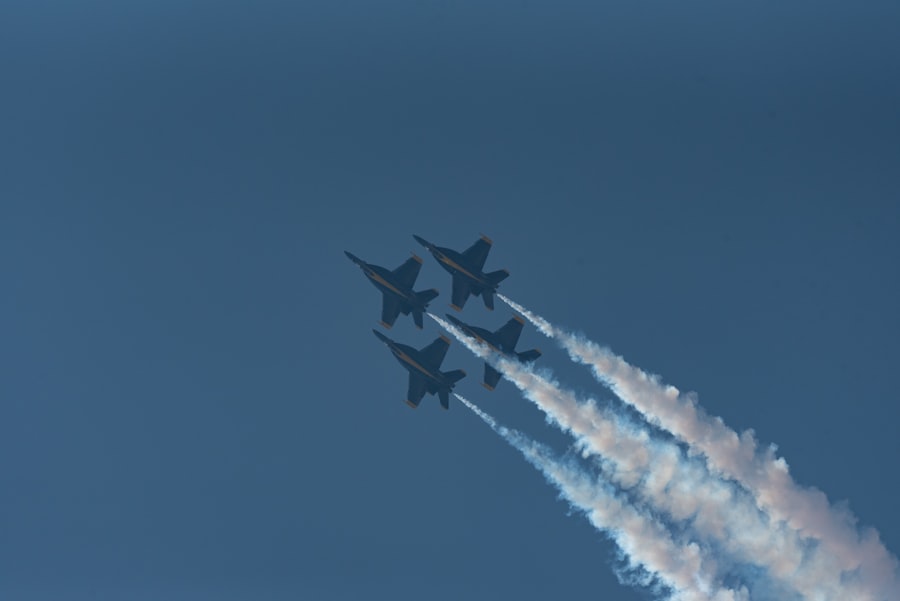
The integration of artificial intelligence (AI) into American air superiority intelligence represents a paradigm shift in how data is processed and analyzed. AI algorithms can sift through vast amounts of information at speeds unattainable by human analysts, identifying patterns and anomalies that may indicate emerging threats or opportunities. This capability enhances situational awareness by providing military leaders with actionable insights derived from complex datasets.
As AI continues to evolve, its applications within air superiority intelligence are expected to expand further. Additionally, AI can play a crucial role in automating routine tasks associated with intelligence analysis, allowing human analysts to focus on higher-level strategic considerations. By streamlining data processing and analysis workflows, AI enhances overall efficiency within intelligence operations.
Furthermore, machine learning algorithms can improve predictive analytics capabilities, enabling military planners to anticipate enemy actions based on historical data trends. As American forces embrace AI technologies, they position themselves to maintain a competitive edge in an increasingly dynamic aerial landscape.
The Collaboration between Military and Intelligence Agencies in Maintaining Air Superiority
Collaboration between military and intelligence agencies is essential for maintaining air superiority in contemporary warfare. The integration of diverse expertise from both domains fosters a comprehensive understanding of the operational environment and enhances decision-making processes. Military leaders rely on intelligence agencies for timely and accurate information regarding enemy capabilities, while intelligence analysts benefit from firsthand insights into operational requirements and constraints faced by military personnel.
Joint exercises and training programs further strengthen this collaboration by promoting interoperability among various agencies. By working together in simulated environments, military and intelligence personnel can refine their communication protocols and develop shared strategies for addressing emerging threats. This collaborative approach not only enhances situational awareness but also ensures that both military operations and intelligence-gathering efforts are aligned toward achieving common objectives in maintaining air superiority.
The Role of Special Operations Forces in Gathering Air Superiority Intelligence
Special Operations Forces (SOF) play a critical role in gathering air superiority intelligence through their unique capabilities and expertise in unconventional warfare. These elite units are often deployed behind enemy lines to conduct reconnaissance missions that provide invaluable insights into enemy air defenses and operational plans. Their ability to operate discreetly allows them to gather information that may not be accessible through traditional means, enhancing overall situational awareness for military planners.
Moreover, SOF personnel are adept at leveraging advanced technologies to augment their intelligence-gathering efforts. Equipped with cutting-edge surveillance equipment and communication tools, they can relay real-time information back to command centers, enabling rapid decision-making during critical operations. The integration of SOF into broader air superiority strategies underscores the importance of adaptability and innovation in modern warfare, as these forces contribute significantly to maintaining an edge over adversaries.
The Importance of Communication and Collaboration with Allied Nations in Air Superiority Intelligence
In an increasingly interconnected world, communication and collaboration with allied nations are paramount for effective air superiority intelligence operations. Joint exercises and information-sharing agreements enhance collective security efforts by fostering trust among partner nations while improving interoperability during joint missions. By pooling resources and expertise, allied forces can develop a more comprehensive understanding of potential threats and devise coordinated strategies for addressing them.
Furthermore, collaboration with allies allows for a more nuanced approach to intelligence-gathering efforts. Different nations may possess unique capabilities or insights that can complement American efforts in maintaining air superiority. By leveraging these diverse perspectives, military planners can enhance their situational awareness and develop more effective strategies for countering adversarial actions.
In this context, communication becomes not just a tool for coordination but a vital component of building resilient alliances capable of addressing shared security challenges.
The Future of American Air Superiority Intelligence
The future of American air superiority intelligence is poised for transformation as emerging technologies continue to reshape the landscape of warfare. Advancements in quantum computing, machine learning, and autonomous systems promise to enhance data processing capabilities exponentially while improving predictive analytics for threat assessment. As these technologies mature, they will enable military planners to make more informed decisions based on real-time insights derived from vast datasets.
Moreover, the increasing complexity of global security challenges necessitates a more integrated approach to air superiority intelligence that encompasses not only traditional military considerations but also geopolitical dynamics and non-state actors’ activities. As adversaries adopt hybrid warfare strategies that blend conventional and unconventional tactics, American forces must remain agile in adapting their intelligence frameworks accordingly. The future will demand greater collaboration across agencies and with international partners to ensure that air superiority remains a cornerstone of national security.
The Ethical and Legal Considerations in Gathering Air Superiority Intelligence
As American forces continue to evolve their approaches to gathering air superiority intelligence, ethical and legal considerations must remain at the forefront of decision-making processes. The use of advanced surveillance technologies raises questions about privacy rights and civil liberties both domestically and internationally. Striking a balance between national security imperatives and ethical obligations requires careful deliberation among policymakers and military leaders alike.
Additionally, adherence to international law is paramount when conducting intelligence operations abroad. Ensuring compliance with treaties governing armed conflict and respecting the sovereignty of other nations are essential components of maintaining legitimacy in military actions. As technology continues to advance rapidly, ongoing discussions surrounding ethical frameworks will be necessary to guide future practices in gathering air superiority intelligence while upholding fundamental principles of justice and accountability.
In conclusion, American air superiority intelligence is a multifaceted domain shaped by historical evolution, technological advancements, collaborative efforts among agencies, and ethical considerations that guide its practice. As the landscape of warfare continues to change, so too must the strategies employed by American forces to maintain their edge in aerial dominance while navigating complex global challenges.
American air superiority is heavily reliant on intelligence advantages that allow for strategic decision-making and operational effectiveness. A related article that delves into the nuances of this topic can be found at this link, where it discusses the critical role of intelligence in maintaining air dominance and the implications for future military engagements.
WATCH THIS! 🕵️ HE CHOSE BETRAYAL—And His Wife Paid the Price | The Billion Dollar Spy
FAQs
What is meant by American air superiority?
American air superiority refers to the United States’ ability to dominate the airspace in a conflict zone, ensuring control over the skies by neutralizing or outmatching enemy air forces.
How does intelligence contribute to American air superiority?
Intelligence provides critical information on enemy capabilities, movements, and intentions, enabling the U.S. military to plan and execute air operations effectively, maintain situational awareness, and anticipate threats.
What types of intelligence are used to maintain air superiority?
The U.S. employs various intelligence types including signals intelligence (SIGINT), imagery intelligence (IMINT), human intelligence (HUMINT), and electronic intelligence (ELINT) to gather comprehensive data on adversaries.
Which technologies support the intelligence advantage in American air superiority?
Technologies such as advanced radar systems, satellite reconnaissance, unmanned aerial vehicles (UAVs), and cyber intelligence tools enhance the U.S. ability to collect and analyze information rapidly.
Why is air superiority important for military operations?
Air superiority allows freedom of movement for friendly forces, protects ground troops, disrupts enemy logistics and communications, and provides a strategic advantage in both offensive and defensive operations.
How does the U.S. maintain its intelligence edge over potential adversaries?
The U.S. invests heavily in research and development, maintains global surveillance networks, collaborates with allies, and continuously upgrades its intelligence-gathering platforms and analytical capabilities.
Can American air superiority be challenged by other nations?
While the U.S. currently holds significant advantages, emerging technologies and advancements by other nations pose potential challenges, making continuous innovation and intelligence efforts essential.
What role do stealth and electronic warfare play in American air superiority?
Stealth technology reduces aircraft detectability, while electronic warfare disrupts enemy sensors and communications, both of which are supported by intelligence to maximize effectiveness in controlling the airspace.
How does intelligence support decision-making in air combat?
Intelligence provides commanders with real-time data and predictive analysis, enabling informed decisions on targeting, resource allocation, and tactical maneuvers during air engagements.
Is American air superiority solely dependent on technology?
While technology is a critical component, air superiority also depends on skilled personnel, effective training, strategic planning, and robust intelligence integration.