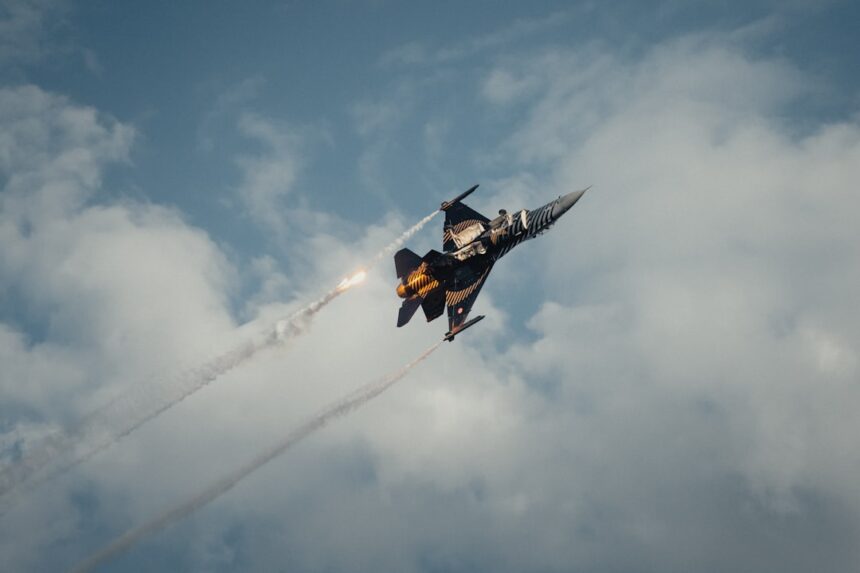
Stealth fighter jets utilize advanced engineering principles to reduce their detectability by radar and other sensor systems. These aircraft incorporate specialized materials, angular geometric designs, and radar-absorbing coatings that significantly decrease their radar cross-section compared to conventional military aircraft. The technology enables operations in contested airspace with reduced probability of detection by enemy air defense systems.
The development of stealth technology has altered modern air warfare tactics and strategic planning. Military forces can now conduct missions deep within enemy territory with improved survivability rates. Current stealth fighter programs include the United States’ F-22 Raptor and F-35 Lightning II, Russia’s Su-57, and China’s J-20, representing substantial investments in next-generation air combat capabilities.
Stealth aircraft provide multiple operational advantages beyond reduced radar signature. These platforms can perform intelligence gathering, precision strike missions, and air superiority operations while maintaining tactical surprise. The integration of stealth characteristics with advanced avionics, supersonic flight capabilities, and modern weapons systems creates multi-role platforms capable of executing diverse mission profiles in high-threat environments.
Key Takeaways
- Stealth fighter jets utilize advanced technology to evade radar detection, enhancing air superiority.
- Stealth technology has evolved significantly, improving aircraft survivability and mission effectiveness.
- These jets play a crucial role in modern warfare by enabling strategic surprise and reducing vulnerability.
- Despite their advantages, stealth fighters face challenges such as high costs and technological limitations.
- Ongoing international competition drives innovation and investment in next-generation stealth fighter programs.
The Evolution of Stealth Technology
The journey of stealth technology began during the Cold War when military strategists recognized the need for aircraft that could evade radar detection. Early experiments focused on shaping aircraft to deflect radar waves, leading to the development of designs that would later be seen in iconic jets like the Lockheed F-117 Nighthawk. This aircraft, introduced in the 1980s, was the first operational stealth fighter and marked a turning point in aerial warfare.
Its unique angular design and radar-absorbent materials allowed it to operate effectively in contested airspace, paving the way for future advancements. As technology progressed, so did the sophistication of stealth capabilities. The introduction of advanced materials, such as composite structures and radar-absorbing coatings, further enhanced the effectiveness of stealth designs.
The B-2 Spirit bomber and the F-22 Raptor showcased these advancements, incorporating not only shape but also electronic warfare systems that could jam enemy radar and communications. This evolution reflects a broader understanding of stealth as not merely a physical attribute but a comprehensive approach that includes electronic countermeasures and tactics.
Advantages of Stealth Technology in Air Superiority
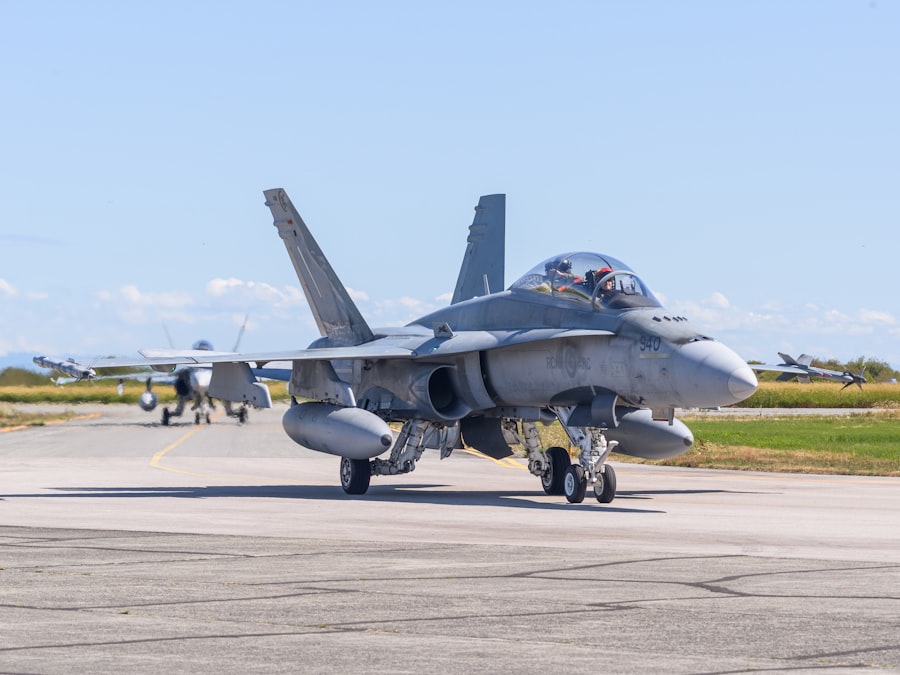
The advantages of stealth technology in achieving air superiority are manifold. First and foremost, stealth fighter jets can operate with a significant degree of surprise, allowing them to strike before an enemy can mount an effective defense. This element of surprise is crucial in modern warfare, where the first strike often determines the outcome of engagements.
By remaining undetected until they are within striking range, these aircraft can deliver precision munitions with minimal risk to themselves and collateral damage to civilian infrastructure. Moreover, stealth technology enhances survivability in hostile environments. In an era where advanced surface-to-air missile systems and enemy fighter jets are increasingly capable, the ability to avoid detection is paramount.
Stealth fighters can penetrate heavily defended airspace to gather intelligence or conduct strikes without being targeted by enemy defenses. This capability not only protects the pilots and aircraft but also ensures mission success, reinforcing the strategic importance of maintaining air superiority.
The Role of Stealth Fighter Jets in Modern Warfare
In contemporary military operations, stealth fighter jets play a pivotal role in shaping the outcomes of conflicts. Their ability to conduct deep strikes into enemy territory allows for strategic advantages that can shift the balance of power in a theater of war. For instance, during conflicts such as the Gulf War and operations in Afghanistan, stealth aircraft were instrumental in executing precision strikes against high-value targets while minimizing risks to ground forces and civilian populations.
Additionally, stealth fighter jets serve as force multipliers within joint operations. Their presence can enhance the effectiveness of allied forces by providing critical air support and intelligence gathering capabilities. The integration of stealth technology into multi-domain operations allows for coordinated efforts across land, sea, and air forces, creating a comprehensive approach to modern warfare that leverages the strengths of each domain.
Comparison of Stealth Fighter Jets with Conventional Fighter Jets
| Metric | F-22 Raptor | F-35 Lightning II | Sukhoi Su-57 | Chengdu J-20 |
|---|---|---|---|---|
| Stealth Capability | Advanced low observable technology | Low observable with some compromises | Moderate stealth with radar-absorbent materials | High stealth with shaping and coatings |
| Maximum Speed | Mach 2.25 | Mach 1.6 | Mach 2.0+ | Mach 2.0+ |
| Combat Radius | 460 miles (740 km) | 669 miles (1,077 km) | 700 miles (1,100 km) estimated | 700 miles (1,100 km) estimated |
| Avionics & Sensors | AN/APG-77 AESA radar, advanced sensor fusion | AN/APG-81 AESA radar, sensor fusion with networked data | Irbis-E radar, advanced electronic warfare suite | Active electronically scanned array radar, advanced sensors |
| Armament | Air-to-air missiles, internal cannon, air-to-ground weapons | Multirole: air-to-air, air-to-ground, electronic warfare | Air-to-air missiles, air-to-ground missiles, cannon | Air-to-air missiles, air-to-ground missiles, cannon |
| Supercruise Capability | Yes (sustained supersonic without afterburner) | Limited supercruise | Yes (claimed) | Yes (claimed) |
| Maneuverability | Highly agile with thrust vectoring | Good agility with advanced flight controls | Thrust vectoring, high agility | High agility with thrust vectoring |
| Operational Role | Air superiority and multi-role | Multirole stealth fighter | Air superiority and multirole | Air superiority and multirole |
When comparing stealth fighter jets to their conventional counterparts, several key differences emerge that highlight the advantages and limitations of each type.
While they may excel in dogfights and air superiority roles, they are more vulnerable to detection and engagement by enemy radar systems.
In contrast, stealth fighter jets prioritize evasion over raw firepower. Their design philosophy emphasizes low observability and electronic warfare capabilities rather than sheer speed or maneuverability. This focus allows them to operate effectively in contested environments where conventional fighters might be at a disadvantage.
However, this does not mean that stealth fighters are devoid of firepower; many are equipped with advanced weaponry capable of delivering devastating strikes while maintaining their stealth profile.
The Impact of Stealth Fighter Jets on Strategic Military Operations
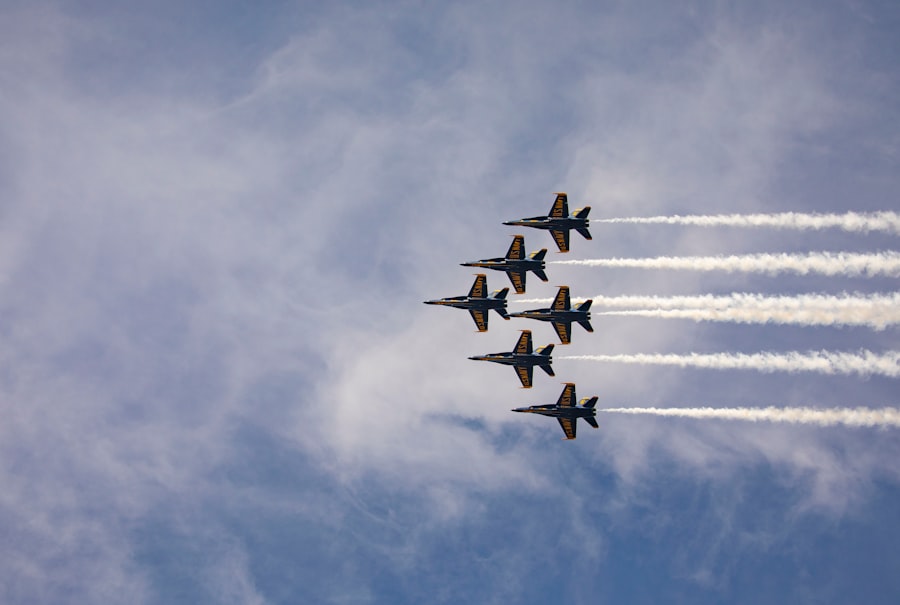
The introduction of stealth fighter jets has had a profound impact on strategic military operations worldwide. Their ability to conduct operations without being detected has changed how military planners approach conflict scenarios. Nations now consider the presence of stealth capabilities when developing their defense strategies, leading to an arms race focused on countering these advanced technologies.
Furthermore, stealth fighter jets have influenced geopolitical dynamics by altering power balances among nations. Countries with advanced stealth capabilities can project power more effectively and deter potential adversaries from engaging in aggressive actions. This shift has led to increased investments in research and development by nations seeking to enhance their own air forces or develop counter-stealth technologies, further complicating international relations.
Challenges and Limitations of Stealth Technology
Despite their numerous advantages, stealth fighter jets are not without challenges and limitations. One significant hurdle is the high cost associated with developing and maintaining these advanced aircraft. The research and development expenses for stealth technology can be astronomical, often resulting in budget constraints for military programs.
Additionally, the complexity of maintaining stealth features requires specialized training and resources that can strain military budgets. Moreover, as adversaries develop countermeasures against stealth technology, the effectiveness of these aircraft may diminish over time.
This arms race creates a cycle where nations must invest heavily not only in developing new stealth platforms but also in countering emerging threats posed by adversaries.
The Future of Stealth Fighter Jets
Looking ahead, the future of stealth fighter jets appears promising yet challenging. As technology continues to advance at an unprecedented pace, new materials and design concepts are likely to emerge that will further enhance stealth capabilities. Innovations such as artificial intelligence and machine learning may play a crucial role in optimizing flight operations and improving situational awareness for pilots.
Additionally, the integration of unmanned aerial vehicles (UAVs) into stealth operations could redefine how air superiority is achieved. These drones can complement manned stealth fighters by conducting reconnaissance missions or engaging targets while remaining undetected themselves. The combination of manned and unmanned systems may create a new paradigm in aerial warfare that leverages the strengths of both platforms.
International Competition in Stealth Fighter Jet Development
The race for supremacy in stealth fighter jet development has intensified on a global scale as nations recognize the strategic importance of these aircraft. Countries such as the United States, Russia, and China are heavily investing in their own stealth programs, each seeking to gain an edge over potential adversaries. This competition has led to significant advancements in technology but also raises concerns about escalating tensions between nations.
As countries strive to develop next-generation stealth fighters, collaboration between military contractors and government agencies becomes increasingly vital. Joint ventures and partnerships can facilitate knowledge sharing and resource pooling, ultimately accelerating innovation within the field. However, this collaboration must be balanced with national security considerations as nations seek to protect their technological advancements from potential espionage or theft.
The Cost and Investment of Stealth Fighter Jet Programs
The financial implications of developing stealth fighter jet programs cannot be overstated. The costs associated with research, development, production, and maintenance can reach billions of dollars per aircraft. For instance, programs like the F-35 Lightning II have faced scrutiny over their escalating budgets and delays while attempting to deliver cutting-edge capabilities to allied forces.
Despite these challenges, many nations view investment in stealth technology as essential for maintaining national security and global competitiveness. The long-term benefits associated with possessing advanced air capabilities often outweigh initial costs, leading governments to prioritize funding for these programs even amid budgetary constraints. As military needs evolve, so too will the financial commitments required to sustain cutting-edge air power.
The Unmatched Air Superiority of Stealth Fighter Jets
In conclusion, stealth fighter jets have revolutionized modern aerial warfare by providing unparalleled advantages in evasion and operational effectiveness. Their evolution from early prototypes to sophisticated platforms reflects ongoing advancements in technology and strategic thinking within military circles. As nations continue to invest heavily in developing these capabilities, it is clear that stealth fighter jets will remain central to achieving air superiority for years to come.
The challenges associated with maintaining this technological edge underscore the importance of continued innovation and investment within defense sectors worldwide. As adversaries develop countermeasures and new technologies emerge, the race for supremacy will only intensify. Ultimately, the unmatched capabilities offered by stealth fighter jets ensure that they will remain a cornerstone of military strategy well into the future.
The development of stealth fighter jets has significantly transformed air superiority in modern warfare, allowing for unprecedented tactical advantages in combat scenarios. For a deeper understanding of the implications of these advanced aircraft on military strategy, you can read more in the article available at