Underwater warfare has emerged as a critical domain in modern military strategy, reflecting the increasing significance of the oceans in global security dynamics. As nations expand their naval capabilities, the underwater realm has become a battleground where traditional naval engagements intersect with advanced technology and strategic resource management. The complexities of underwater warfare encompass not only the deployment of submarines and torpedoes but also the utilization of seabed infrastructure, which plays a pivotal role in shaping maritime power.
This article delves into the multifaceted aspects of underwater warfare, exploring its historical context, technological advancements, and the ethical considerations that accompany the weaponization of seabed resources. The evolution of underwater warfare can be traced back to the early 20th century, with the advent of submarines and underwater mines. However, as geopolitical tensions escalate and nations vie for control over vital maritime routes and resources, the focus has shifted towards more sophisticated methods of warfare that leverage the unique characteristics of the underwater environment.
The seabed, often overlooked in discussions about military strategy, has become a focal point for nations seeking to enhance their operational capabilities and secure their interests in an increasingly contested maritime landscape.
Key Takeaways
- Underwater warfare increasingly focuses on controlling and weaponizing seabed infrastructure critical to global communications and resources.
- Advances in technology have enabled sophisticated methods to exploit and defend underwater assets, raising strategic and security concerns.
- Historical and modern practices highlight the dual-use nature of seabed infrastructure, blending civilian and military applications.
- Environmental and ethical considerations are crucial in managing the impact of underwater military activities on marine ecosystems.
- International regulations aim to balance national security interests with sustainability, but evolving threats challenge existing frameworks.
The Importance of Seabed Infrastructure
Seabed infrastructure encompasses a wide array of installations, including pipelines, communication cables, and military assets that are strategically positioned on the ocean floor. These structures are essential for supporting both civilian and military operations, facilitating communication, energy transport, and data transmission across vast distances. The significance of seabed infrastructure cannot be overstated; it serves as the backbone of global trade and communication networks while also providing strategic advantages in times of conflict.
In recent years, the importance of seabed infrastructure has been underscored by the growing reliance on undersea cables for internet connectivity and data transfer. These cables are critical for maintaining global communication networks, making them potential targets in times of geopolitical strife. Additionally, the extraction of underwater resources such as oil and gas has intensified competition among nations, further highlighting the strategic value of seabed infrastructure.
As countries seek to secure their interests in these vital areas, the potential for conflict over seabed resources becomes increasingly pronounced.
Weaponizing Seabed Infrastructure: A Historical Perspective
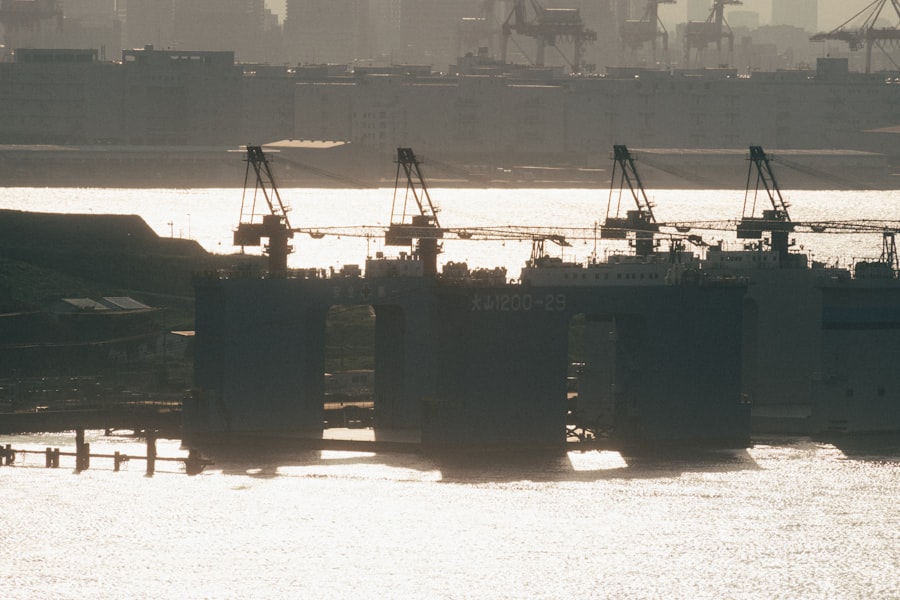
The concept of weaponizing seabed infrastructure is not a novel idea; it has historical roots that date back to World War II when nations began to recognize the strategic advantages offered by underwater assets. During this period, mines were deployed extensively to protect harbors and disrupt enemy shipping routes. The use of underwater mines marked a significant shift in naval warfare, as it demonstrated how seabed infrastructure could be leveraged to gain a tactical edge over adversaries.
As the Cold War unfolded, both superpowers invested heavily in underwater capabilities, including the development of submarine-launched ballistic missiles and advanced sonar systems. The race for dominance in underwater warfare led to the establishment of extensive networks of underwater sensors and communication systems designed to monitor enemy movements and protect national interests. This historical context laid the groundwork for contemporary strategies that seek to exploit seabed infrastructure for military purposes, illustrating how past conflicts have shaped current approaches to underwater warfare.
Modern Techniques for Weaponizing Seabed Infrastructure
In today’s technologically advanced landscape, modern techniques for weaponizing seabed infrastructure have evolved significantly. Nations are increasingly employing sophisticated technologies such as autonomous underwater vehicles (AUVs) and remotely operated vehicles (ROVs) to conduct surveillance and reconnaissance missions on the ocean floor. These unmanned systems can be equipped with various payloads, including explosives or surveillance equipment, allowing for targeted operations against enemy assets.
Moreover, advancements in underwater communication technologies have enabled real-time data transmission from seabed installations to command centers on land or at sea. This capability enhances situational awareness and allows for rapid decision-making during military operations. The integration of artificial intelligence into these systems further amplifies their effectiveness, enabling predictive analytics that can anticipate enemy movements or identify vulnerabilities in maritime defenses.
As nations continue to refine their underwater warfare strategies, the weaponization of seabed infrastructure is likely to become an increasingly prominent aspect of military planning.
The Role of Technology in Underwater Warfare
| Metric | Description | Example/Value | Relevance |
|---|---|---|---|
| Seabed Infrastructure Types | Types of critical infrastructure located on or under the seabed | Submarine cables, pipelines, sensor arrays, communication hubs | Targets for weaponized attacks |
| Vulnerability Index | Assessment score of infrastructure susceptibility to attack | High (7.8/10) | Indicates risk level for defense planning |
| Detection Range | Effective range of sensors to detect underwater threats | Up to 50 km | Critical for early warning and defense |
| Weapon Types | Types of weapons used in seabed warfare | Underwater mines, autonomous underwater vehicles (AUVs), torpedoes | Means of attack or defense |
| Attack Success Rate | Percentage of successful attacks on seabed infrastructure | Estimated 15-25% | Reflects effectiveness of offensive capabilities |
| Defense Systems | Technologies deployed to protect seabed infrastructure | Sonar arrays, underwater drones, rapid response teams | Mitigates damage and prevents attacks |
| Repair Time | Average time to repair damaged seabed infrastructure | Weeks to months | Impacts operational continuity |
| Strategic Importance | Role of seabed infrastructure in national security | High | Justifies investment in protection and monitoring |
Technology plays a pivotal role in shaping the future of underwater warfare, driving innovations that enhance operational capabilities and redefine traditional naval engagements. The development of advanced sonar systems has revolutionized underwater detection and tracking, allowing naval forces to identify and engage threats with unprecedented accuracy. These technologies enable submarines to operate stealthily while maintaining situational awareness of their surroundings.
Additionally, advancements in materials science have led to the creation of more resilient and stealthy submarines capable of withstanding extreme underwater conditions. These vessels are equipped with cutting-edge propulsion systems that allow for greater maneuverability and speed, making them formidable assets in any naval conflict. As technology continues to evolve, it is expected that new innovations will emerge, further transforming the landscape of underwater warfare and expanding the possibilities for weaponizing seabed infrastructure.
Environmental and Ethical Considerations
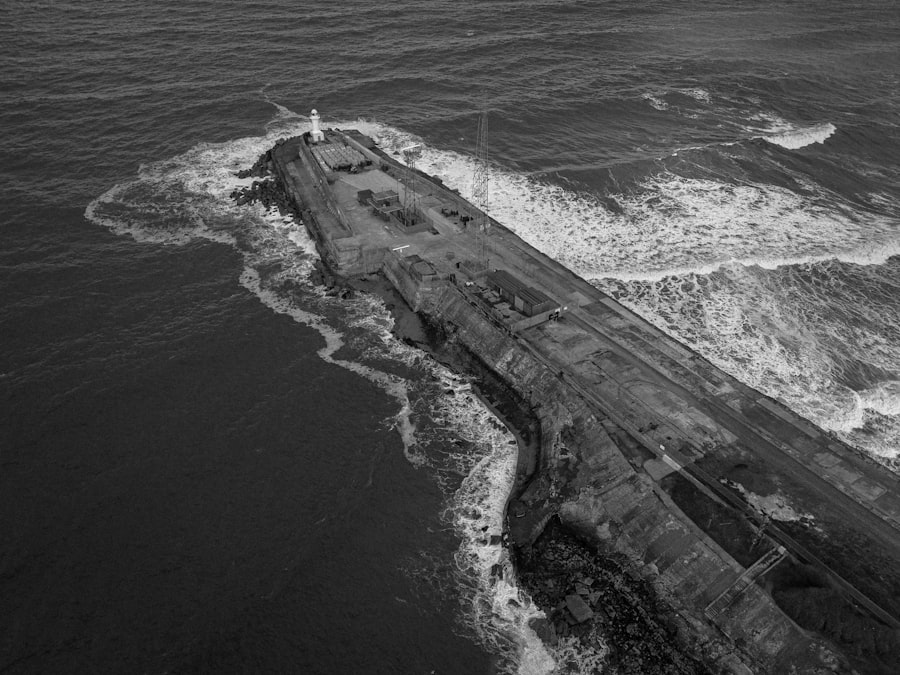
The weaponization of seabed infrastructure raises significant environmental and ethical concerns that must be addressed as nations navigate the complexities of underwater warfare. The ocean is a delicate ecosystem that supports diverse marine life; any military activities conducted on or near the seabed can have far-reaching consequences for these habitats. The deployment of mines or other explosive devices can lead to irreversible damage to marine ecosystems, threatening biodiversity and disrupting food chains.
Ethically, the implications of weaponizing seabed infrastructure extend beyond environmental concerns. Nations must grapple with the moral responsibility associated with potential civilian casualties resulting from military operations targeting undersea assets. The increasing militarization of the oceans raises questions about the balance between national security interests and humanitarian considerations.
As countries pursue their strategic objectives, it is imperative that they adopt responsible practices that prioritize environmental sustainability and minimize harm to marine ecosystems.
The Strategic Implications of Weaponizing Seabed Infrastructure
The strategic implications of weaponizing seabed infrastructure are profound, influencing not only military tactics but also international relations and geopolitical dynamics. Control over critical undersea resources can provide nations with significant leverage in negotiations and conflicts. For instance, countries that dominate key maritime chokepoints or possess advanced underwater capabilities may gain an upper hand in regional disputes or global power struggles.
Furthermore, the potential for conflict over seabed resources can exacerbate existing tensions between nations. As countries vie for control over valuable underwater assets, misunderstandings or miscalculations could lead to escalated confrontations. The strategic landscape is further complicated by the involvement of non-state actors who may seek to exploit vulnerabilities in seabed infrastructure for their own purposes.
As such, understanding the strategic implications of weaponizing seabed infrastructure is essential for policymakers seeking to navigate an increasingly complex global security environment.
International Regulations and Agreements
The international community has recognized the need for regulations governing activities related to seabed infrastructure and underwater warfare. Various treaties and agreements have been established to promote responsible behavior among nations operating in maritime environments. The United Nations Convention on the Law of the Sea (UNCLOS) serves as a foundational framework for regulating activities on and beneath the ocean’s surface, addressing issues such as territorial waters, exclusive economic zones, and resource management.
However, enforcement of these regulations remains a challenge, particularly in contested regions where multiple nations assert competing claims over maritime territories. As technological advancements continue to reshape underwater warfare capabilities, there is a pressing need for updated international agreements that address emerging threats associated with weaponizing seabed infrastructure. Collaborative efforts among nations will be crucial in establishing norms that promote stability and prevent conflicts arising from underwater military activities.
The Future of Underwater Warfare
The future of underwater warfare is poised for transformation as technological advancements continue to reshape military strategies and operational capabilities. Emerging technologies such as quantum computing and enhanced artificial intelligence are expected to revolutionize underwater detection systems, enabling unprecedented levels of situational awareness and decision-making speed. Additionally, advancements in materials science may lead to the development of even more stealthy submarines capable of evading detection by traditional sonar systems.
As nations invest in research and development related to underwater warfare, it is likely that new methods for weaponizing seabed infrastructure will emerge. This evolution will necessitate ongoing dialogue among policymakers, military leaders, and environmental advocates to ensure that security interests do not come at the expense of ecological sustainability. The future landscape of underwater warfare will require a delicate balance between technological innovation and responsible stewardship of marine resources.
Potential Risks and Consequences
The potential risks associated with weaponizing seabed infrastructure are significant and multifaceted. One major concern is the possibility of unintended escalation during military operations conducted in contested maritime areas. Miscommunication or misinterpretation of actions taken by one nation could lead to rapid escalation into broader conflicts involving multiple parties.
Additionally, the deployment of advanced weaponry on or near seabed infrastructure raises concerns about collateral damage to civilian shipping routes or marine ecosystems.
Disruptions to communication cables or energy pipelines could have cascading effects on global economies and security frameworks.
As such, understanding these risks is essential for developing comprehensive strategies that mitigate potential consequences while safeguarding national interests.
Balancing Security and Sustainability in Underwater Warfare
In conclusion, the complexities surrounding underwater warfare necessitate a nuanced approach that balances security imperatives with environmental sustainability considerations. As nations continue to explore ways to weaponize seabed infrastructure, it is imperative that they remain cognizant of the potential consequences associated with their actions. The historical context provides valuable lessons about the importance of responsible practices in maritime environments.
Moving forward, international cooperation will be essential in establishing norms and regulations that govern activities related to underwater warfare while promoting ecological stewardship. By fostering dialogue among nations and engaging stakeholders from various sectors, it is possible to create a framework that prioritizes both security interests and environmental sustainability in an increasingly contested underwater domain. Ultimately, achieving this balance will be crucial for ensuring long-term stability in global maritime affairs while safeguarding the health of our oceans for future generations.
In recent discussions about the evolving nature of warfare, the concept of weaponized infrastructure in seabed warfare has gained significant attention. This topic is explored in detail in an article on In The War Room, which examines the strategic implications of underwater assets and their potential use in modern conflicts. For more insights, you can read the article [here](https://www.inthewarroom.com/).
FAQs
What is weaponized infrastructure in seabed warfare?
Weaponized infrastructure in seabed warfare refers to the deployment and use of military assets and systems on or under the ocean floor to gain strategic advantages. This can include underwater sensors, communication cables, mines, and other devices designed to monitor, disrupt, or control maritime activities.
Why is the seabed important in modern warfare?
The seabed is critical because it hosts vital communication cables, energy pipelines, and strategic military installations. Control over the seabed can impact global communications, surveillance capabilities, and naval operations, making it a key domain in modern military strategy.
What types of weaponized infrastructure are commonly used on the seabed?
Common types include underwater mines, surveillance sensors, autonomous underwater vehicles (AUVs), communication and power cables that can be tapped or cut, and specialized installations designed to interfere with enemy operations or protect friendly assets.
How do nations protect their seabed infrastructure?
Nations employ a combination of physical security measures, such as patrols and underwater monitoring systems, along with technological solutions like encryption and redundancy for communication cables. International cooperation and legal frameworks also play roles in protecting seabed assets.
What are the risks associated with weaponized seabed infrastructure?
Risks include potential damage to critical communication networks, environmental harm from military activities, escalation of conflicts due to covert operations, and challenges in attribution and response because of the underwater domain’s complexity.
Is there international regulation governing seabed warfare?
Yes, international laws such as the United Nations Convention on the Law of the Sea (UNCLOS) provide frameworks for the use of the seabed, including prohibitions on certain military activities. However, enforcement and specific regulations regarding weaponized infrastructure remain complex and evolving.
How does seabed warfare impact global security?
Seabed warfare can affect global security by threatening undersea communication lines, disrupting maritime trade, and escalating military tensions. Control over seabed infrastructure can provide strategic advantages, influencing power dynamics among nations.
What technologies are advancing seabed warfare capabilities?
Advancements include improved underwater drones, enhanced sonar and sensor networks, autonomous systems for surveillance and attack, and sophisticated cyber tools to target undersea communication and control systems. These technologies increase the effectiveness and stealth of seabed operations.