Underwater surveillance systems, designed to monitor maritime environments for both scientific and security purposes, have become increasingly sophisticated. These systems utilize a diverse array of technologies, including sonar, hydrophones, underwater cameras, and remotely operated vehicles (ROVs), to collect data on marine life, underwater topography, and potential threats. However, like any complex technological infrastructure, these systems are not immune to vulnerabilities that could compromise their effectiveness and, in some cases, even render them counterproductive. The inherent challenges of the underwater environment—limited visibility, extreme pressures, and harsh conditions—exacerbate these vulnerabilities, making their mitigation a significant concern for national security, environmental protection, and various industries.
Underwater surveillance systems are intricate networks of sensors, communication links, and data processing units. Understanding their fundamental components is crucial for appreciating their potential vulnerabilities. You can learn more about John Walker in this informative video.
Sensor Technologies
The foundation of any surveillance system lies in its ability to detect and gather information.
Acoustic Sensors (Sonar and Hydrophones)
Sonar (Sound Navigation and Ranging) systems emit sound waves and analyze the returning echoes to detect objects and map the seabed. Active sonar, which transmits its own sound, can be susceptible to acoustic jamming or spoofing, akin to a flashlight beam being deliberately interfered with in a dark room. Passive sonar, reliant on listening for sounds, is vulnerable to silent or acoustically masked vessels. Hydrophones, sensitive underwater microphones, pick up ambient noise and specific sounds, but their efficacy can be compromised by natural ocean noise or deliberate acoustic countermeasures.
Optical Sensors (Underwater Cameras)
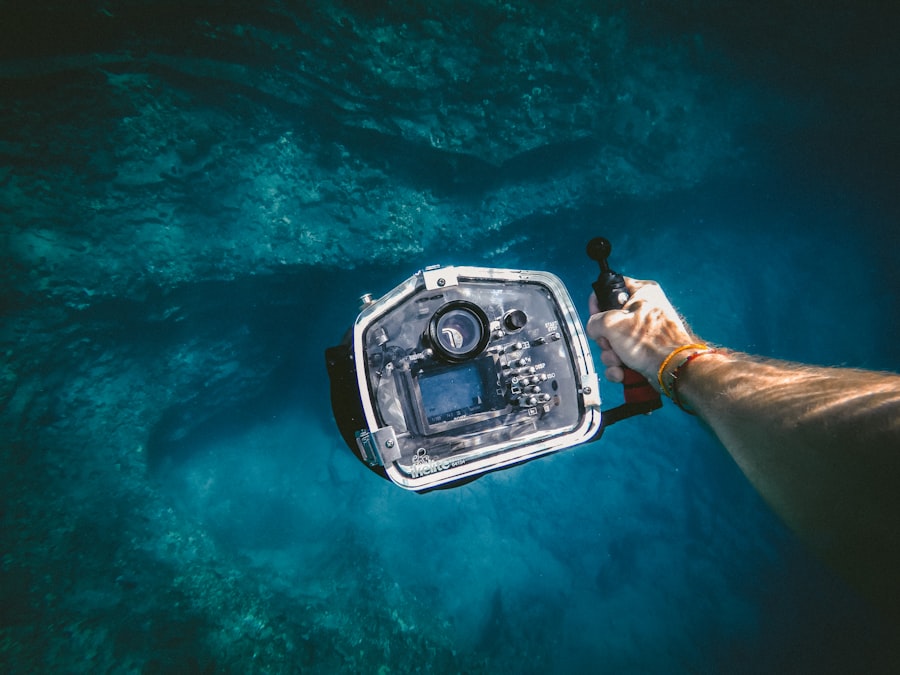
Underwater cameras, whether fixed or mounted on ROVs, provide visual data. Their effectiveness is severely limited by water clarity, light penetration, and the range of illumination. Moreover, their visibility can be actively obstructed by artificial turbidity or strategically placed objects, much like a curtain drawn across a window.
Magnetic Sensors
These sensors detect minute changes in the Earth’s magnetic field caused by the presence of ferromagnetic materials, such as submarines or unexploded ordnance. Their range is limited, and they can be fooled by magnetic cloaking technologies or the clever deployment of magnetic decoys.
Chemical Sensors
Used to detect specific chemical signatures, such as pollutants or explosives. While highly specialized, their deployment can be challenging, and they can be vulnerable to false positives from natural chemical variations or the introduction of neutralizing agents.
Communication Networks
The lifeblood of any surveillance system is its ability to transmit data.
Acoustic Modems
These modems transmit data using sound waves, making them crucial for underwater communication where electromagnetic waves attenuate rapidly. However, acoustic communication is notoriously slow, has limited bandwidth, and is highly susceptible to interference from marine noise, active sonar pings, or deliberate acoustic jamming. This is akin to trying to hold a whispered conversation in a noisy concert hall.
Fiber Optic Cables
Offering high bandwidth and secure data transmission, fiber optic cables are often preferred for critical links. However, they are physically vulnerable to damage from anchors, fishing trawlers, seismic activity, or deliberate sabotage. Once severed, the entire communication chain can be broken, much like cutting the telephone line to a remote outpost.
Satellite Links (for surface buoys/gateways)
Surface buoys or gateway vessels often use satellite communication to relay data from underwater sensors to land-based control centers. These links are subject to typical satellite communication vulnerabilities, including jamming, decryption attempts, and physical attack on the surface assets.
Data Processing and Control Systems
The brain of the operation, these systems analyze raw data and present actionable intelligence.
Onboard Processing
Many modern sensors incorporate onboard processing to reduce the amount of raw data transmitted, saving bandwidth. However, vulnerabilities in this embedded software could lead to incorrect interpretations or manipulated data before it even leaves the sensor, like a scribe intentionally altering a crucial message on its way to the king.
Land-based Control Centers
These centers receive and analyze the collected data. They are susceptible to all the standard cybersecurity threats, including hacking, malware, and insider threats. Compromising these systems could lead to data exfiltration, system shutdown, or the dissemination of false intelligence, effectively blinding the observer.
Recent discussions surrounding the vulnerabilities of underwater surveillance systems have highlighted the need for enhanced security measures in marine environments. A related article that delves into the implications of these vulnerabilities can be found at this link. The article explores various threats to underwater technologies and suggests potential solutions to mitigate risks associated with underwater surveillance.
Vulnerabilities at the Physical Layer
The harsh and often inaccessible underwater environment presents inherent challenges that translate directly into security vulnerabilities.
Environmental Degradation
The relentless forces of the ocean actively work against the longevity and functionality of underwater systems.
Corrosion and Biofouling
Saltwater is highly corrosive, and marine organisms rapidly colonize submerged surfaces (biofouling). Both degrade sensors, cables, and communication devices, reducing their effectiveness and increasing maintenance requirements. A surveillance platform encrusted with barnacles is like an eagle with weighted wings, its vision and flight hampered.
Extreme Pressures
Deep-sea deployments expose equipment to immense pressures, necessitating robust and often expensive engineering. Any failure in structural integrity can lead to catastrophic system collapse, turning a sophisticated sensor array into a pile of debris.
Natural Disasters
Underwater surveillance systems are susceptible to damage from underwater earthquakes, volcanic activity, and strong ocean currents, which can displace or destroy equipment and sever critical cables.
Physical Tampering and Sabotage
The inaccessibility that often protects these systems can also serve as a cover for malicious activity.
Cutting of Cables
Fiber optic and power cables are attractive targets for adversaries. While difficult to locate and cut without specialized equipment, a successful severance can completely incapacitate a segment of the surveillance network.
Sensor Manipulation/Displacement
Adversaries could physically tamper with sensors, altering their calibration, displacing them from their intended locations, or even replacing them with decoy units. Imagine a traffic camera being subtly pointed in the wrong direction or replaced with a dummy.
Acoustic Decoys and Concealment
Advanced acoustic decoys can mimic targets or create confusing noise profiles, overwhelming passive sonar. Similarly, materials designed to absorb or deflect sonar pings can effectively render targets invisible, akin to a chameleon blending perfectly with its surroundings.
Cyber Vulnerabilities and Exploitation
Beyond the physical realm, the digital nervous system of underwater surveillance is a prime target for cyberattacks.
Network Intrusion and Data Manipulation
The interconnected nature of these systems makes them vulnerable to various forms of cyber exploitation.
Hacking and Malware Injection
Control centers, data storage facilities, and even individual smart sensors can be targets for hacking attempts. Malware could be injected to disrupt operations, exfiltrate sensitive data, or even provide false intelligence. A system reporting a clear sea when a threat is present is far more dangerous than one that simply fails.
Denial of Service (DoS) Attacks
Overwhelming communication channels or processing units with bogus data can effectively shut down a system, creating a window of opportunity for covert operations. This is like flooding a switchboard with junk calls to prevent legitimate ones from getting through.
Spoofing and Impersonation
Attackers could spoof sensor data, making it appear as though an entity is present when it isn’t, or vice-versa. They could also impersonate legitimate system components to gain unauthorized access or disseminate false commands.
Supply Chain Risks
The globalized nature of technology manufacturing means that components and software often come from diverse sources, introducing potential vulnerabilities.
Hardware Backdoors
Malicious code or hardware backdoors could be embedded at the manufacturing stage, allowing unauthorized access or control over the system. A compromised microchip is a Trojan horse, quietly waiting for its moment to unleash havoc.
Software Vulnerabilities
Operating systems, firmware, and application software used in these systems may contain unpatched vulnerabilities that can be exploited by adversaries. Regular updates and rigorous testing are essential, but the remote nature of many underwater deployments complicates this.
Operational and Procedural Gaps
Even the most technologically advanced systems can be undermined by human factors and shortcomings in operational protocols.
Inadequate Training and Personnel Shortages
The specialized nature of underwater surveillance requires highly skilled personnel, and a lack of such expertise can be a critical weakness.
Skill Gaps
Operating and maintaining these complex systems requires specific technical knowledge. Staff lacking adequate training may misinterpret data, make errors during maintenance, or fail to identify sophisticated threats.
Insider Threats
Disgruntled employees, or those compromised by foreign intelligence, could exploit their access to sabotage systems, exfiltrate data, or provide critical intelligence to adversaries. The human element, while essential, is also the most unpredictable.
Insufficient Redundancy and Resilience Planning
A single point of failure can cripple an entire surveillance network.
Lack of Backup Systems
Reliance on a single sensor array or communication link creates a critical vulnerability. If that single point is compromised, the entire system can go dark.
Inadequate Disaster Recovery
Without robust disaster recovery plans, an entire surveillance network could be permanently disabled by a significant attack or natural disaster. Restoring operations can be a lengthy and costly process without pre-planned contingencies, much like rebuilding a city without an emergency response plan.
Recent discussions surrounding the vulnerabilities of underwater surveillance systems have highlighted the potential risks associated with these technologies. For a deeper understanding of the implications and challenges faced by such systems, you can explore a related article that delves into the security concerns and technological advancements in this field. This insightful piece can be found at In The War Room, where experts analyze the evolving landscape of underwater surveillance and its susceptibility to various threats.
Mitigating Underwater Surveillance Vulnerabilities
| Metric | Description | Typical Value | Impact on System | Mitigation Strategies |
|---|---|---|---|---|
| Signal Interference | Disruption of acoustic or electromagnetic signals used for detection | Up to 30% signal degradation | Reduced detection accuracy and range | Use of frequency hopping, signal encryption, and noise filtering |
| Sensor Tampering | Physical or electronic manipulation of sensors | Detected in 5-10% of field deployments | False negatives or false positives in surveillance data | Physical hardening, tamper detection alarms, and redundancy |
| Data Transmission Vulnerability | Risk of interception or jamming of transmitted data | Interception attempts in 15% of operations | Compromise of sensitive information and loss of control | Encryption, secure communication protocols, and anti-jamming tech |
| Power Supply Disruption | Interruption or depletion of power sources | Battery life typically 6-12 months; disruption incidents ~3% | System downtime and loss of surveillance coverage | Use of backup power, energy harvesting, and power monitoring |
| Software Vulnerabilities | Exploitable bugs or weaknesses in system software | Patch frequency: quarterly; known vulnerabilities: varies | Unauthorized access, data corruption, or system failure | Regular updates, code audits, and intrusion detection systems |
Addressing these vulnerabilities requires a multi-faceted approach encompassing technological advancements, robust cybersecurity, and comprehensive operational strategies.
Enhancing Physical Security
Protecting the physical infrastructure is paramount in the challenging underwater environment.
Hardened Systems
Developing sensors and cables that are more resistant to corrosion, biofouling, and extreme pressures, as well as physical tampering, can significantly improve system resilience. This includes using advanced materials and protective casings.
Redundant and Diversified Infrastructure
Deploying multiple, geographically dispersed sensors and communication pathways ensures that the failure or compromise of one component does not lead to a complete system outage. Think of a web with multiple strands, where cutting one doesn’t bring the whole thing down.
Remote Monitoring and Maintenance
Utilizing ROVs and autonomous underwater vehicles (AUVs) for remote inspection and maintenance reduces the need for human intervention in hazardous environments, improving efficiency and reducing personnel risks.
Strengthening Cybersecurity Measures
The digital defenses of underwater surveillance systems must be as robust as their physical counterparts.
End-to-End Encryption
Implementing strong encryption protocols for all data transmission, from sensor to control center, protects against eavesdropping and data manipulation.
Advanced Threat Detection and Incident Response
Deploying sophisticated intrusion detection systems and developing rapid incident response capabilities are crucial for identifying and neutralizing cyber threats in real-time.
Secure Software Development and Supply Chain Management
Rigorous security testing throughout the software development lifecycle, coupled with thorough vetting of hardware and software suppliers, can prevent the introduction of backdoors and vulnerabilities.
Improving Operational Practices
Effective human oversight and well-defined procedures are critical for overall system security.
Comprehensive Training Programs
Investing in continuous training for personnel on system operation, threat identification, and cybersecurity best practices is vital. This ensures that the human element is an asset, not a liability.
Robust Insider Threat Programs
Implementing strict access controls, regular background checks, and anomaly detection systems can help identify and mitigate insider threats.
Regular Security Audits and Vulnerability Assessments
Periodically conducting independent security audits and penetration tests helps identify weaknesses before adversaries exploit them. This proactive approach is akin to a doctor performing regular check-ups to catch potential illnesses early.
In conclusion, underwater surveillance systems are indispensable tools for myriad applications, from scientific research to national security. However, their unique operating environment, coupled with the escalating sophistication of potential adversaries, exposes them to a complex array of vulnerabilities. Addressing these weaknesses is not merely a technical challenge but a strategic imperative. By understanding the intricate architecture of these systems, acknowledging the harsh realities of the underwater realm, confronting ever-evolving cyber threats, and rectifying operational shortcomings, stakeholders can strive to build more resilient and trustworthy underwater surveillance networks. The ocean, a vast and enigmatic frontier, demands nothing less than our utmost vigilance in protecting the eyes and ears we place within its depths.
WATCH THIS 🔐 The Submarine That Broke The Cold War | Naval Intelligence Espionage | SOSUS Compromise
FAQs
What is an underwater surveillance system?
An underwater surveillance system is a technology setup designed to monitor and collect data beneath the water surface. These systems often use sonar, cameras, sensors, and communication devices to detect and track underwater activities, objects, or environmental conditions.
What are common vulnerabilities in underwater surveillance systems?
Common vulnerabilities include susceptibility to cyberattacks, physical damage from environmental factors or tampering, signal interference, limited battery life, and challenges in secure data transmission due to underwater communication constraints.
How can cyberattacks affect underwater surveillance systems?
Cyberattacks can compromise the integrity, confidentiality, and availability of data collected by underwater surveillance systems. Attackers may intercept or alter data, disrupt system operations, or gain unauthorized access to control mechanisms, potentially leading to false readings or system failures.
What environmental factors contribute to the vulnerability of underwater surveillance systems?
Environmental factors such as water pressure, salinity, temperature variations, marine life interference, and corrosion can degrade system components, affect sensor accuracy, and reduce overall system reliability.
Are underwater surveillance systems vulnerable to physical tampering?
Yes, underwater surveillance systems can be physically tampered with or damaged by divers, marine animals, or unauthorized vessels, which can lead to system malfunction or data loss.
What measures can be taken to enhance the security of underwater surveillance systems?
Enhancing security can involve implementing robust encryption for data transmission, regular system updates and patches, physical protection measures, redundancy in system components, and continuous monitoring for anomalies or unauthorized access.
Why is secure communication challenging in underwater surveillance systems?
Underwater communication is challenging due to the limited bandwidth and high attenuation of radio waves in water, often requiring acoustic communication methods that are slower and more susceptible to interference, making secure and reliable data transmission difficult.
How does limited battery life impact underwater surveillance system vulnerability?
Limited battery life can lead to reduced operational time, increasing the risk of data gaps or system downtime, which can be exploited by adversaries or result in missed detections.
Can underwater surveillance systems detect all types of underwater threats?
While these systems are designed to detect a wide range of underwater activities and objects, their effectiveness can be limited by environmental conditions, system range, sensor capabilities, and potential vulnerabilities that adversaries may exploit.
What role does regular maintenance play in mitigating vulnerabilities?
Regular maintenance helps identify and repair physical damages, update software to patch security flaws, and ensure sensors and communication devices function correctly, thereby reducing the risk of system failure or exploitation.