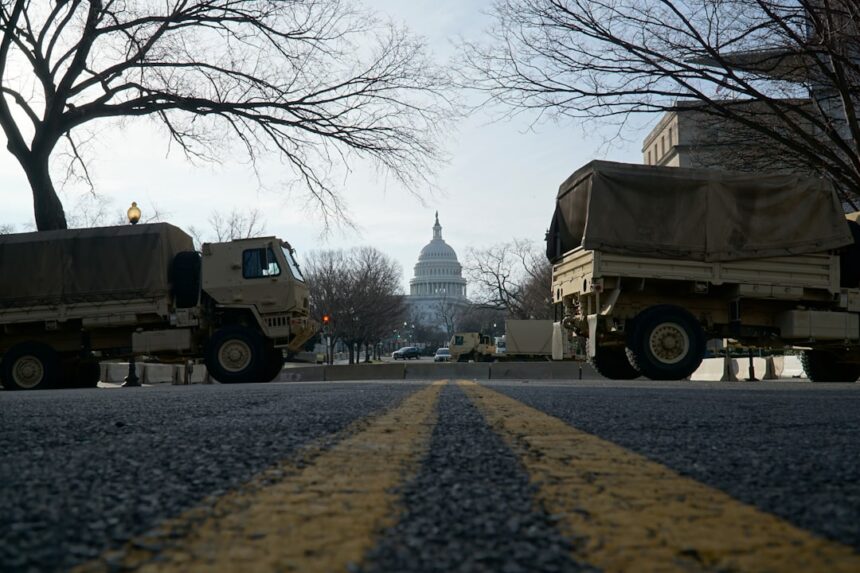
Military budget rebaselining refers to the process of adjusting and realigning the financial allocations within a nation’s defense budget. This practice is essential for ensuring that military expenditures align with current strategic priorities, operational needs, and geopolitical realities. As global threats evolve and new technologies emerge, the military must adapt its financial strategies to maintain readiness and effectiveness.
Rebaselining involves a comprehensive review of existing budgetary allocations, allowing for the reallocation of funds to areas deemed more critical or urgent. The concept of rebaselining is not merely a matter of shifting numbers on a spreadsheet; it encompasses a broader strategic vision. It requires an understanding of both current military capabilities and future requirements.
By reassessing budget priorities, military leaders can ensure that resources are directed toward programs and initiatives that will enhance national security. This process is often influenced by various factors, including changes in political leadership, emerging threats, and advancements in technology.
Key Takeaways
- Military budget rebaselining involves adjusting defense spending priorities to reflect current strategic needs and fiscal realities.
- The process aims to optimize resource allocation for national defense while addressing changing threats and technological advancements.
- Key factors influencing rebaselining include geopolitical shifts, economic conditions, and evolving military capabilities.
- Challenges include political disagreements, transparency issues, and balancing short-term demands with long-term planning.
- Both Congress and the Department of Defense play critical roles in shaping, approving, and implementing budget rebaselining efforts.
The Purpose of Military Budget Rebaselining
The primary purpose of military budget rebaselining is to ensure that defense spending is effectively aligned with national security objectives. As the global landscape shifts, nations must be agile in their defense strategies, which often necessitates reallocating funds to address new challenges. For instance, the rise of cyber warfare has prompted many countries to invest more heavily in cybersecurity measures, necessitating a reallocation of resources from traditional military expenditures.
Additionally, rebaselining serves to enhance accountability and transparency within the defense budget. By regularly reviewing and adjusting budget allocations, military leaders can provide clearer justifications for spending decisions. This transparency is crucial for maintaining public trust and ensuring that taxpayers understand how their money is being utilized to protect national interests.
Ultimately, the goal of rebaselining is to create a more responsive and effective military that can adapt to changing circumstances while remaining fiscally responsible.
The Process of Military Budget Rebaselining

The process of military budget rebaselining typically begins with a thorough assessment of existing budgetary allocations. This assessment involves analyzing current expenditures, evaluating the effectiveness of various programs, and identifying areas where funding may be insufficient or excessive. Military planners and financial analysts work collaboratively to gather data and insights that inform decision-making.
This phase often involves consultations with various stakeholders, including government officials, defense contractors, and military personnel. The goal is to reach a consensus on how best to allocate resources in a manner that supports overarching defense objectives.
After finalizing the proposed adjustments, the revised budget must be submitted for approval by relevant authorities, such as Congress or other governing bodies.
Factors that Influence Military Budget Rebaselining
Several factors influence the process of military budget rebaselining, including geopolitical developments, technological advancements, and domestic political considerations. Geopolitical shifts can create new security challenges that necessitate changes in defense spending priorities. For example, an increase in tensions with a rival nation may prompt a country to bolster its military capabilities in specific areas, such as missile defense or naval power.
Technological advancements also play a significant role in shaping military budget decisions. As new technologies emerge, they can render existing systems obsolete or create opportunities for enhanced capabilities. For instance, the rise of unmanned aerial vehicles (UAVs) has led many nations to invest heavily in drone technology while reallocating funds away from traditional manned aircraft programs.
Additionally, domestic political considerations can impact budget rebaselining efforts, as lawmakers may advocate for specific programs or initiatives based on their constituents’ interests or lobbying efforts.
The Impact of Military Budget Rebaselining on National Defense
| Metric | Description | Typical Range | Impact on Budget |
|---|---|---|---|
| Initial Baseline Budget | Original approved budget for a military program or project | Varies by program size and scope | Starting point for all budget adjustments |
| Scope Changes | Adjustments in program requirements or objectives | Minor to major changes (0-30% of baseline) | Can increase or decrease budget needs |
| Cost Growth | Increase in estimated costs due to technical challenges or inflation | 5-20% annually depending on program complexity | Leads to upward rebaselining of budgets |
| Schedule Delays | Delays in program milestones or delivery dates | Months to years | May increase costs and require budget adjustments |
| Rebaselining Frequency | How often budgets are formally adjusted | Every 1-3 years or at major program milestones | Ensures budget reflects current program realities |
| Funding Reallocation | Shifting funds between programs or accounts | Varies based on priorities and congressional approval | Can reduce or increase specific program budgets |
| Contingency Reserves | Funds set aside for unforeseen costs | Typically 5-10% of baseline budget | Provides flexibility during rebaselining |
| Congressional Oversight | Review and approval process for budget changes | Ongoing throughout budget cycle | Can delay or modify rebaselining decisions |
The impact of military budget rebaselining on national defense can be profound. By reallocating resources to areas of greater need or strategic importance, nations can enhance their military readiness and effectiveness. For instance, increased funding for cybersecurity initiatives can help protect critical infrastructure from cyberattacks, thereby safeguarding national security.
Moreover, rebaselining can lead to more efficient use of taxpayer dollars. By eliminating wasteful spending and redirecting funds toward high-priority programs, military leaders can ensure that resources are utilized effectively. This efficiency not only strengthens national defense but also fosters public confidence in the military’s ability to manage its budget responsibly.
Challenges and Controversies Surrounding Military Budget Rebaselining

Despite its importance, military budget rebaselining is not without challenges and controversies. One significant challenge is the inherent difficulty in predicting future threats and requirements accurately. As global dynamics shift rapidly, it can be challenging for military planners to anticipate which capabilities will be most critical in the coming years.
This uncertainty can lead to contentious debates over funding priorities and resource allocation. Additionally, controversies often arise over specific programs or initiatives that may be favored by certain political factions or interest groups. For example, debates over funding for advanced weapon systems versus social programs within the military can create divisions among lawmakers and stakeholders.
These disagreements can complicate the rebaselining process and hinder timely decision-making.
Examples of Military Budget Rebaselining in History
Throughout history, there have been notable examples of military budget rebaselining that illustrate its significance in shaping national defense strategies. One prominent case occurred during the post-Cold War era when many nations reevaluated their military expenditures in light of changing geopolitical realities. The United States, for instance, underwent significant budgetary adjustments as it shifted focus from large-scale conventional warfare to counterterrorism and asymmetric warfare strategies.
Another example can be found in the aftermath of the September 11 attacks in 2001 when the U.S. government dramatically increased defense spending to address emerging threats from terrorism. This rebaselining effort involved reallocating funds toward intelligence operations, homeland security initiatives, and counterterrorism programs.
Such historical instances underscore the necessity of adapting military budgets to meet evolving security challenges.
The Role of Congress in Military Budget Rebaselining
Congress plays a crucial role in the military budget rebaselining process within the United States. As the legislative body responsible for approving federal spending, Congress has the authority to review and modify proposed defense budgets submitted by the Department of Defense (DoD). This oversight function allows lawmakers to ensure that military expenditures align with national priorities and reflect the needs of their constituents.
Moreover, congressional committees often conduct hearings and investigations into specific programs or initiatives within the defense budget. These inquiries provide an opportunity for lawmakers to scrutinize spending decisions and advocate for changes based on their findings. Ultimately, Congress serves as a vital check on executive power in matters related to military spending, ensuring that budgetary decisions are subject to democratic oversight.
The Role of the Department of Defense in Military Budget Rebaselining
The Department of Defense (DoD) plays a central role in initiating and executing military budget rebaselining efforts. As the primary agency responsible for national defense, the DoD conducts comprehensive assessments of its programs and expenditures to identify areas requiring adjustment. This process involves collaboration among various branches of the military and civilian leadership within the department.
Once the DoD has identified necessary changes, it formulates a revised budget proposal that reflects its strategic priorities and operational needs. This proposal is then submitted to Congress for approval. Throughout this process, the DoD must effectively communicate its rationale for proposed adjustments to ensure that lawmakers understand the importance of reallocating resources in response to evolving threats.
The Importance of Transparency in Military Budget Rebaselining
Transparency is a critical component of effective military budget rebaselining. By providing clear information about how funds are allocated and spent, military leaders can foster public trust and accountability within the defense sector. Transparency helps demystify complex budgetary processes and allows taxpayers to understand how their contributions are being utilized to support national security.
Moreover, transparent budgeting practices can enhance collaboration between the military and civilian sectors. When stakeholders have access to relevant information about defense spending decisions, they are better equipped to engage in informed discussions about priorities and resource allocation. This collaborative approach can lead to more effective outcomes and greater public support for military initiatives.
The Future of Military Budget Rebaselining
Looking ahead, the future of military budget rebaselining will likely be shaped by several key trends and challenges. As technology continues to advance at an unprecedented pace, militaries around the world will need to adapt their budgets accordingly to invest in emerging capabilities such as artificial intelligence, autonomous systems, and advanced cyber defenses. This shift will require ongoing assessments of existing programs and a willingness to embrace innovation.
Additionally, geopolitical tensions are expected to persist, necessitating continued vigilance in defense spending decisions. Nations will need to remain agile in their budgeting processes to respond effectively to evolving threats while balancing fiscal responsibility with national security imperatives. Ultimately, successful military budget rebaselining will depend on collaboration among various stakeholders, including government officials, military leaders, and the public at large.
In conclusion, military budget rebaselining is a vital process that ensures defense spending aligns with national security objectives amidst changing global dynamics. By understanding its purpose, processes, influences, impacts, challenges, historical examples, and roles played by Congress and the Department of Defense, one can appreciate its significance in shaping effective national defense strategies for the future.
In recent discussions about military spending, the process of rebaselining military budgets has become a critical topic. For a deeper understanding of how these budgets are adjusted and the implications of such changes, you can refer to the article on this subject at