Undersea cables are the backbone of global communication, facilitating the transfer of data across continents. These cables, often laid on the ocean floor, connect countries and continents, enabling everything from internet browsing to international business transactions. However, disruptions to these cables can occur due to various factors, including natural disasters, human activities, and technical failures.
Understanding the nature of these disruptions is crucial for stakeholders involved in telecommunications and data management. The complexity of undersea cable systems means that even minor disruptions can have significant ripple effects on global connectivity. For instance, a single cable cut can lead to increased latency, reduced bandwidth, and even complete service outages in certain regions.
The reasons behind these disruptions can range from fishing activities and shipping accidents to geological events like earthquakes and landslides. As the world becomes increasingly reliant on digital communication, comprehending the potential causes and implications of undersea cable disruptions is essential for developing effective mitigation strategies.
Key Takeaways
- Undersea cable disruptions significantly impact global communications and require thorough understanding and preparation.
- Effective response plans and coordination with stakeholders are crucial for timely repair and damage assessment.
- Clear communication strategies help manage information flow during submarine cable incidents.
- Financial management is essential to mitigate the economic consequences of cable disruptions.
- Continuous post-incident analysis and resilience-building efforts improve future undersea cable reliability.
Impact of Submarine Cable Disruptions
The impact of submarine cable disruptions extends far beyond the immediate loss of connectivity. Economically, businesses that rely on stable internet connections can suffer significant losses due to downtime. E-commerce platforms may experience reduced sales, while financial institutions could face transaction delays that affect their operations.
Moreover, the implications are not limited to the private sector; governments and public services also depend on reliable communication networks for their functioning. Socially, the effects can be equally profound. In regions where internet access is already limited, a disruption can exacerbate existing inequalities, leaving communities without essential services such as telehealth or online education.
The psychological impact on individuals who rely on digital communication for personal connections cannot be overlooked either. In an increasingly interconnected world, the ramifications of undersea cable disruptions highlight the critical need for robust infrastructure and contingency planning.
Preparing for Undersea Cable Incidents
Preparation for undersea cable incidents involves a multi-faceted approach that encompasses risk assessment, infrastructure investment, and stakeholder collaboration. Organizations must first identify potential vulnerabilities in their existing systems and evaluate the likelihood of various disruption scenarios. This proactive stance allows them to prioritize resources effectively and implement preventive measures where necessary.
Investing in redundant systems is another key aspect of preparation. By establishing alternative routes for data transmission, organizations can mitigate the impact of a cable disruption. Additionally, regular maintenance and monitoring of existing cables can help identify potential issues before they escalate into significant problems.
Training personnel to respond swiftly and effectively to incidents is also crucial; preparedness is not just about having the right technology but also ensuring that human resources are equipped to handle emergencies.
Establishing a Response Plan for Submarine Cable Disruptions
A well-structured response plan is vital for minimizing the impact of submarine cable disruptions when they occur. Such a plan should outline clear protocols for identifying and assessing the nature of the disruption, as well as steps for communicating with affected stakeholders. The response plan should also include guidelines for mobilizing repair teams and coordinating with relevant authorities.
Moreover, a successful response plan must be adaptable to various scenarios. Different types of disruptions may require different approaches; for instance, a cable cut caused by a natural disaster may necessitate a different response than one caused by human error. Regular drills and simulations can help ensure that all team members are familiar with their roles in an emergency situation, thereby enhancing overall efficiency during actual incidents.
Coordination with Stakeholders in Undersea Cable Incidents
| Metric | Description | Typical Value / Range | Importance |
|---|---|---|---|
| Time to Detect Incident | Duration from cable fault occurrence to detection by monitoring systems | Minutes to 1 hour | Critical for minimizing downtime |
| Time to Dispatch Repair Vessel | Time taken to mobilize and send a repair ship to the incident location | 4 to 24 hours | Impacts total repair time |
| Repair Duration | Time required to fix the cable and restore service | 1 to 7 days | Determines service outage length |
| Number of Repair Vessels Available | Count of vessels equipped for undersea cable repair in the region | 1 to 5 vessels | Affects response speed |
| Incident Frequency | Average number of cable faults per year per cable system | 1 to 3 incidents/year | Helps in risk assessment |
| Average Outage Impact | Percentage of network traffic affected during an incident | 10% to 50% | Measures service disruption severity |
| Redundancy Level | Number of alternate routes available to reroute traffic | 1 to 3 alternate paths | Mitigates impact of cable faults |
| Communication Latency Increase | Additional latency caused by rerouting traffic during repair | 10 to 50 milliseconds | Impacts user experience |
Effective coordination with stakeholders is essential during undersea cable incidents to ensure a swift and organized response.
Establishing clear lines of communication among these groups can facilitate information sharing and resource allocation during a crisis.
In addition to immediate coordination during an incident, long-term relationships with stakeholders can enhance preparedness efforts. Regular meetings and collaborative exercises can help build trust and understanding among different parties, making it easier to work together when disruptions occur. By fostering a culture of cooperation, organizations can create a more resilient network that is better equipped to handle the challenges posed by undersea cable disruptions.
Assessing the Damage to Submarine Cables
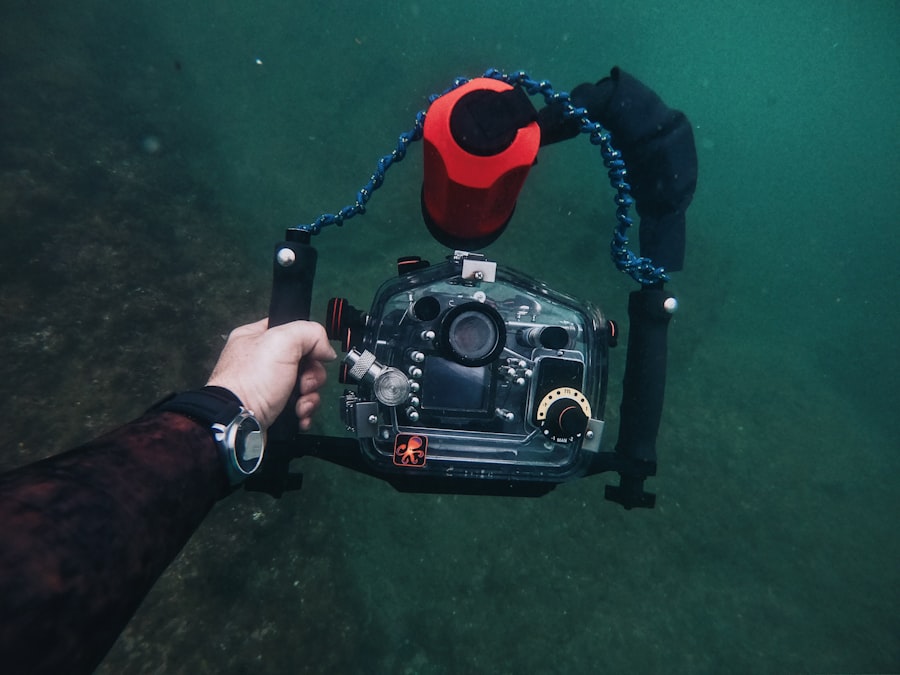
Once a disruption occurs, assessing the damage to submarine cables is a critical step in the recovery process. This assessment typically involves deploying specialized vessels equipped with advanced technology to locate and evaluate the extent of the damage. The use of remotely operated vehicles (ROVs) and sonar imaging can provide valuable insights into the condition of the cables and surrounding environment.
Accurate damage assessment is essential not only for determining repair strategies but also for informing stakeholders about expected timelines for restoration. A thorough understanding of the damage can help prioritize repairs based on factors such as traffic volume and economic impact. Furthermore, documenting the assessment process can contribute to future planning efforts by providing data on common failure points and potential vulnerabilities.
Repairing Undersea Cable Disruptions
Repairing undersea cable disruptions is a complex process that requires specialized skills and equipment. Once the damage has been assessed, repair teams must mobilize to execute the necessary fixes. This often involves retrieving the damaged section of cable from the ocean floor, which can be a challenging task depending on water depth and environmental conditions.
The repair process may also include splicing new sections of cable into the existing network or replacing entire segments if necessary. Given the high stakes involved in maintaining global connectivity, repair teams must work efficiently while adhering to safety protocols. The timeline for repairs can vary significantly based on factors such as location, weather conditions, and availability of resources; thus, effective communication with stakeholders is crucial throughout this phase.
Communication Strategies in Submarine Cable Incidents
Communication strategies play a pivotal role during submarine cable incidents, as timely and accurate information dissemination can significantly influence stakeholder responses. Organizations must establish clear channels for communicating updates about the status of repairs and expected timelines for service restoration. Utilizing multiple platforms—such as social media, email alerts, and press releases—can help reach a broader audience.
Moreover, transparency is key in maintaining trust during incidents. Stakeholders appreciate being kept informed about both progress and challenges encountered during repairs. By providing regular updates, organizations can manage expectations effectively and reduce frustration among affected users.
Additionally, post-incident communication should focus on lessons learned and improvements made to prevent future disruptions.
Managing the Financial Impact of Undersea Cable Disruptions
The financial implications of undersea cable disruptions can be substantial for both service providers and end-users. For telecommunications companies, prolonged outages may result in lost revenue and increased operational costs associated with repairs and customer support efforts. Additionally, businesses relying on stable internet connections may face significant losses due to downtime.
To mitigate these financial impacts, organizations should consider implementing insurance policies specifically designed for infrastructure disruptions. Such policies can provide financial relief during recovery efforts and help cover unexpected costs associated with repairs or lost revenue. Furthermore, developing contingency plans that include budget allocations for emergency situations can enhance financial resilience in the face of future disruptions.
Post-Incident Analysis and Improvement of Response Plans
After addressing an undersea cable disruption, conducting a post-incident analysis is essential for identifying areas for improvement in response plans. This analysis should involve gathering feedback from all stakeholders involved in the incident response process to understand what worked well and what could be enhanced in future scenarios. By systematically reviewing each phase of the incident—from detection to repair—organizations can pinpoint weaknesses in their response strategies and make necessary adjustments.
This iterative process not only strengthens future preparedness but also fosters a culture of continuous improvement within organizations involved in managing undersea cables.
Ensuring Resilience of Submarine Cables for the Future
Looking ahead, ensuring the resilience of submarine cables will require ongoing investment in technology, infrastructure, and collaboration among stakeholders.
Additionally, fostering international cooperation will be crucial in addressing shared challenges related to undersea cables.
Collaborative efforts among countries can lead to improved standards for cable installation and maintenance while also promoting best practices for incident response. By taking proactive steps today, stakeholders can help secure a more resilient future for global communication networks reliant on undersea cables.
In the realm of undersea cable incident response, understanding the complexities and challenges involved is crucial for effective management. A related article that delves into these issues can be found at this link. It provides valuable insights into the protocols and strategies that are essential for addressing incidents that may disrupt global communications.
FAQs
What is an undersea cable incident?
An undersea cable incident refers to any event that disrupts the normal operation of submarine communication cables. These cables are laid on the ocean floor and are critical for global telecommunications and internet connectivity. Incidents can include physical damage from ship anchors, fishing activities, natural disasters, or technical failures.
Why is incident response important for undersea cables?
Incident response is crucial because undersea cables carry the majority of international data traffic. Any disruption can lead to significant communication outages, economic losses, and impact critical services. Prompt and effective response minimizes downtime and restores connectivity as quickly as possible.
Who is responsible for responding to undersea cable incidents?
Typically, the cable owners or operators are responsible for incident response. This may include telecommunications companies, consortiums, or governments. They coordinate with repair ships, maritime authorities, and other stakeholders to assess damage and carry out repairs.
What are the common causes of undersea cable incidents?
Common causes include accidental damage from fishing trawlers and ship anchors, natural events like earthquakes and underwater landslides, deliberate sabotage, and equipment failures. Environmental factors such as strong currents and marine life can also contribute.
How are undersea cable incidents detected?
Incidents are detected through monitoring systems that track cable performance and signal quality. Sudden drops in data transmission or loss of signal trigger alarms. Additionally, reports from ships or coastal stations may indicate physical damage.
What steps are involved in undersea cable incident response?
The response typically involves identifying the fault location, dispatching specialized repair vessels, retrieving the damaged cable section, performing repairs or replacements, and testing the cable before restoring service. Coordination with maritime authorities is also essential for safe operations.
How long does it usually take to repair an undersea cable?
Repair times vary depending on the location and severity of the damage but generally range from a few days to several weeks. Factors influencing repair time include weather conditions, availability of repair ships, and the complexity of the fault.
What technologies are used in undersea cable repair?
Repair operations use remotely operated vehicles (ROVs), cable grapnels to retrieve cables from the seabed, specialized cable laying and repair ships, and advanced diagnostic tools to locate faults. Fiber optic testing equipment is used to verify cable integrity post-repair.
Can undersea cable incidents be prevented?
While not all incidents can be prevented, risks are mitigated through careful route planning to avoid high-risk areas, enforcing maritime regulations to limit anchoring and fishing near cables, and continuous monitoring. Public awareness and international cooperation also play roles in prevention.
What impact do undersea cable incidents have on internet and communication services?
Incidents can cause partial or complete outages of internet and telecommunication services between affected regions. This can disrupt business operations, financial transactions, emergency communications, and everyday internet use, highlighting the critical nature of these cables.