Undersea cables form the primary infrastructure for global telecommunications, carrying approximately 99% of international data traffic across ocean floors between continents. These fiber-optic cables transmit internet data, telephone communications, and financial transactions through networks spanning thousands of kilometers beneath the world’s oceans. The cable systems consist of multiple fiber-optic strands protected by layers of steel wire, copper tubing, and polyethylene coating to withstand deep-sea conditions and pressures.
The global undersea cable network comprises over 400 active systems with a combined length exceeding 1.3 million kilometers. Major technology companies and telecommunications providers invest billions of dollars annually in new cable installations and upgrades to meet growing bandwidth demands. Installation involves specialized cable-laying ships that can operate in water depths up to 8,000 meters, with the process taking several months to complete for transoceanic routes.
These cable systems directly support the digital economy by enabling cloud computing services, content delivery networks, and international e-commerce platforms. Financial markets depend on undersea cables for high-frequency trading and real-time transaction processing between global exchanges. The cables also facilitate international collaboration in scientific research, telemedicine, and distance education programs.
Disruptions to major cable routes can result in significant economic losses and reduced internet performance across entire regions, highlighting their critical role in modern global commerce and communication infrastructure.
Key Takeaways
- Undersea cables are critical infrastructure for global internet and communication connectivity.
- Geopolitical competition centers on control and influence over undersea cable networks.
- Major global powers and corporations are key players vying for dominance in the undersea cable industry.
- Disruptions to undersea cables can severely impact global communication, trade, and national security.
- Environmental and regulatory challenges complicate the expansion and security of undersea cable systems.
The Role of Undersea Cables in Geopolitical Competition
Undersea cables have emerged as a strategic asset in the realm of geopolitical competition. Nations recognize that control over these vital communication links can provide significant advantages in terms of information flow and security. As countries vie for influence on the global stage, the ownership and maintenance of undersea cables have become intertwined with national interests.
This competition is not merely about economic gain; it also encompasses issues of surveillance, cybersecurity, and military strategy. The geopolitical landscape is increasingly shaped by the race to establish and secure undersea cable networks. Countries like China and the United States are investing heavily in expanding their cable infrastructure to enhance their global reach.
This competition can lead to tensions, as nations may seek to disrupt or control access to cables that pass through contested waters. The strategic importance of these cables has prompted governments to consider them not just as communication tools but as instruments of power in international relations.
Major Players in the Undersea Cable Industry
The undersea cable industry is dominated by a mix of private companies, telecommunications giants, and consortiums formed by multiple stakeholders. Major players include tech behemoths like Google, Facebook, and Amazon, which have invested billions into building their own undersea cable networks to support their data needs. These companies recognize that having direct control over data transmission routes can enhance their operational efficiency and reduce reliance on third-party providers.
Telecommunications companies also play a crucial role in this industry. Firms such as AT&T, Verizon, and Orange have long been involved in laying and maintaining undersea cables. They often collaborate with other entities to share costs and resources, forming consortiums that pool expertise and investment.
This collaborative approach not only helps mitigate financial risks but also fosters innovation in cable technology and deployment strategies. As demand for bandwidth continues to rise, these major players are likely to expand their investments further, shaping the future landscape of global connectivity.
The Race for Undersea Cable Dominance
The race for undersea cable dominance is characterized by rapid advancements in technology and an increasing number of projects aimed at enhancing global connectivity. As internet usage surges worldwide, particularly in developing regions, the demand for high-capacity cables has never been greater. Companies are racing to deploy new cables that can handle vast amounts of data while minimizing latency.
This competition drives innovation, leading to the development of advanced materials and technologies that improve cable performance. Moreover, the strategic positioning of undersea cables has become a focal point in this race. Nations are keenly aware that laying cables through specific routes can provide them with a competitive edge in terms of data transmission speed and reliability.
As a result, countries are investing in research and development to identify optimal paths for new cables while also considering geopolitical implications. The race for dominance is not just about technological superiority; it also involves navigating complex international relations and securing partnerships that can bolster a nation’s standing in the global arena.
National Security Concerns Surrounding Undersea Cables
| Metric | Description | Current Status | Geopolitical Implications |
|---|---|---|---|
| Number of Undersea Cables | Total active undersea fiber optic cables globally | 450+ | Control over global internet traffic routes |
| Major Cable Landing Countries | Countries with significant cable landing stations | USA, China, UK, Japan, Singapore | Strategic hubs for data flow and surveillance |
| Investment by China | Estimated investment in undersea cable infrastructure | Increasing, with multiple new cables planned | Expanding influence in Asia-Pacific and Africa |
| US Government Involvement | Policies and funding to secure cable infrastructure | Enhanced security measures and partnerships | Countering foreign influence and protecting data |
| Vulnerabilities | Risks such as cable cuts, espionage, and sabotage | High, with multiple incidents reported annually | Potential disruption of communications and economic impact |
| New Cable Routes | Emerging routes to bypass geopolitical hotspots | Increasing, especially in the Indo-Pacific region | Reducing dependency on contested areas |
| International Cooperation | Multinational agreements on cable security and management | Limited but growing | Potential to reduce tensions and enhance resilience |
National security concerns surrounding undersea cables have gained prominence as governments recognize the potential vulnerabilities associated with these critical infrastructures. The possibility of espionage or sabotage has led many nations to scrutinize foreign investments in their cable networks. Governments are increasingly wary of allowing foreign entities to control or operate undersea cables that traverse their territorial waters or connect to their national networks.
In response to these concerns, some countries have implemented stricter regulations regarding foreign ownership and investment in undersea cable projects. This heightened scrutiny reflects a growing awareness that control over communication infrastructure can have far-reaching implications for national security. As geopolitical tensions rise, nations are likely to prioritize securing their undersea cable networks against potential threats, further complicating international collaborations in this sector.
The Impact of Undersea Cable Disruptions on Global Communication
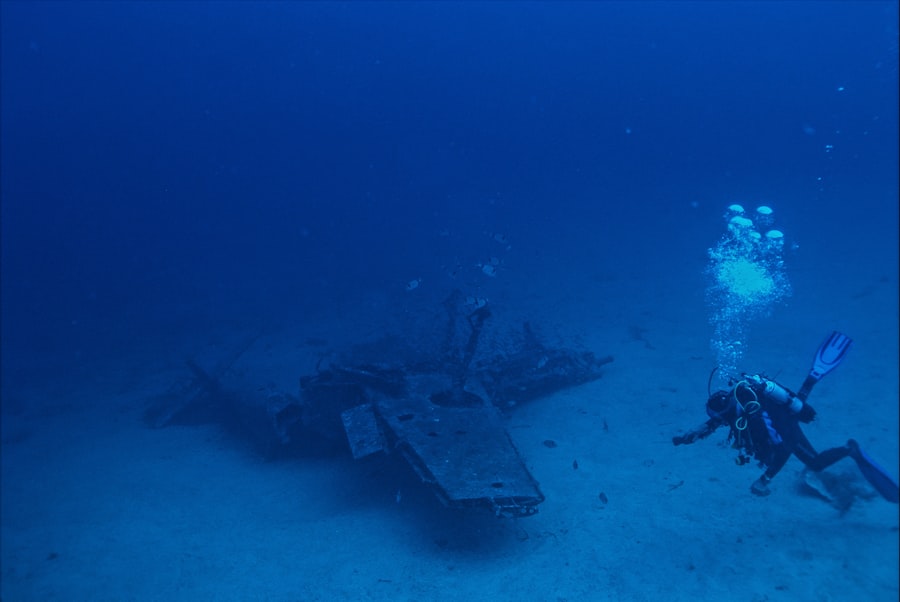
Disruptions to undersea cables can have immediate and far-reaching consequences for global communication. Such incidents can result from natural disasters like earthquakes or human activities such as fishing or shipping accidents. When a cable is damaged, it can lead to significant delays in data transmission, affecting everything from internet access to financial transactions.
The ripple effects can be felt across multiple sectors, highlighting the fragility of global connectivity. The impact of these disruptions extends beyond mere inconvenience; they can disrupt entire economies and create challenges for businesses reliant on seamless communication. For instance, during significant outages, companies may experience delays in operations or loss of revenue due to interrupted services.
Furthermore, such incidents can raise questions about the resilience of existing infrastructure and prompt calls for investment in redundancy measures to ensure that alternative routes are available in case of emergencies.
The Role of Undersea Cables in Economic and Trade Competition
Undersea cables play a pivotal role in shaping economic and trade competition on a global scale. By facilitating rapid data transfer between countries, they enable businesses to operate more efficiently and engage in international trade with greater ease. The ability to communicate instantly across borders has transformed how companies conduct business, allowing for real-time decision-making and collaboration.
Moreover, nations that invest heavily in undersea cable infrastructure often gain a competitive advantage in attracting foreign investment and fostering innovation. Countries with robust digital connectivity are more likely to become hubs for technology firms and startups, driving economic growth and job creation. As such, the race to develop advanced undersea cable networks is not just about enhancing communication; it is also about positioning nations favorably within the global economy.
Undersea Cables and the Rise of Digital Diplomacy
The rise of digital diplomacy has been significantly influenced by the expansion of undersea cable networks. As countries recognize the importance of digital connectivity in fostering international relations, they are increasingly leveraging these cables as tools for diplomacy. By enhancing communication capabilities with other nations, countries can engage more effectively on various issues ranging from trade agreements to climate change initiatives.
Digital diplomacy facilitated by undersea cables allows for more immediate dialogue between governments and organizations across borders. This enhanced communication can lead to collaborative efforts on global challenges and foster mutual understanding among nations. As digital diplomacy continues to evolve, the role of undersea cables will remain central to ensuring that countries can communicate effectively and work together toward common goals.
The Future of Undersea Cable Geopolitical Competition
The future of undersea cable geopolitical competition is poised to become even more complex as emerging technologies reshape the landscape of global communication.
Instead, they may complement existing infrastructures while intensifying competition among nations seeking to dominate both realms.
As countries continue to invest in expanding their undersea cable networks, geopolitical considerations will play an increasingly significant role in shaping these developments. Nations will need to navigate a landscape marked by both collaboration and competition as they seek partnerships that enhance their strategic positions while safeguarding their national interests. The interplay between technological advancements and geopolitical dynamics will define the future trajectory of undersea cable development.
Environmental and Regulatory Challenges in Undersea Cable Development
The development of undersea cables is not without its environmental and regulatory challenges. Laying cables on the ocean floor can disrupt marine ecosystems, leading to concerns about biodiversity loss and habitat destruction. Environmentalists advocate for careful planning and assessment before deploying new cables to minimize ecological impacts.
As awareness grows regarding environmental sustainability, companies may face increasing pressure to adopt more eco-friendly practices in their cable installation processes. Regulatory challenges also pose significant hurdles for undersea cable projects. Different countries have varying regulations regarding maritime activities, which can complicate international collaborations on cable development.
Navigating these regulatory landscapes requires careful coordination among stakeholders to ensure compliance while also addressing environmental concerns. As nations prioritize both economic growth and environmental protection, finding a balance between these competing interests will be crucial for the future of undersea cable development.
The Implications of Undersea Cable Geopolitical Competition for Global Connectivity
The implications of undersea cable geopolitical competition extend far beyond national borders; they shape the very fabric of global connectivity itself. As nations vie for control over these critical infrastructures, the dynamics of international relations will continue to evolve. Increased competition may lead to enhanced investment in cable networks, ultimately improving global connectivity for all users.
However, this competition also carries risks; tensions between nations could result in fragmentation or restricted access to certain networks based on geopolitical affiliations.
As countries navigate this complex landscape, it will be essential to prioritize cooperation alongside competition to ensure that undersea cables continue to serve as conduits for global communication rather than points of contention among nations.
In conclusion, undersea cables are integral to modern connectivity and play a crucial role in shaping geopolitical dynamics worldwide. Their significance extends beyond mere data transmission; they influence economic growth, national security considerations, and international relations. As nations continue to invest in this vital infrastructure while grappling with environmental challenges and regulatory complexities, the future landscape of global connectivity will undoubtedly be shaped by both collaboration and competition among key players on the world stage.
The geopolitical competition surrounding undersea cables has become increasingly significant as nations vie for control over critical communication infrastructure. A related article that delves into this topic can be found at this link, where the implications of undersea cable networks on global power dynamics are explored in detail. Understanding these developments is crucial for grasping the broader context of international relations in the digital age.
FAQs
What are undersea cables?
Undersea cables, also known as submarine cables, are fiber-optic cables laid on the ocean floor that carry telecommunications signals across continents. They form the backbone of global internet and communication networks.
Why are undersea cables important geopolitically?
Undersea cables are critical for international communications, financial transactions, and data transfer. Control over these cables can influence national security, economic power, and global connectivity, making them a strategic asset in geopolitical competition.
Which countries are major players in undersea cable infrastructure?
Countries like the United States, China, the United Kingdom, Japan, and several European nations are key players in the development, ownership, and control of undersea cable networks.
What are the main security concerns related to undersea cables?
Security concerns include physical damage from natural disasters or sabotage, espionage, cyberattacks, and the potential for cables to be tapped or disrupted by hostile actors, which could impact national security and global communications.
How does geopolitical competition affect undersea cable deployment?
Geopolitical competition can lead to efforts by countries to build alternative routes, restrict foreign ownership, increase surveillance, and invest in securing or disrupting cables to gain strategic advantages.
Are there international regulations governing undersea cables?
Yes, undersea cables are subject to international laws such as the United Nations Convention on the Law of the Sea (UNCLOS), which governs their installation and protection, but enforcement and security remain challenges.
What role do private companies play in undersea cable networks?
Private telecommunications companies and consortiums often finance, build, and operate undersea cables. They collaborate with governments but also face challenges related to geopolitical tensions and regulatory environments.
How is technology evolving in the undersea cable sector?
Advancements include higher-capacity fiber optics, improved cable durability, and enhanced monitoring systems to detect faults or security breaches, which help maintain the resilience and efficiency of global communications.
Can undersea cables be replaced by satellite communications?
While satellite technology is improving, undersea cables currently provide much higher bandwidth, lower latency, and more reliable connections, making them indispensable for global internet infrastructure.
What measures are taken to protect undersea cables?
Protection measures include burying cables under the seabed, monitoring with sensors and patrols, international cooperation for security, and legal frameworks to prevent and respond to damage or interference.