
Military decision-making constitutes a fundamental element of operational effectiveness and mission success. The capacity to make well-informed, timely, and sound decisions directly impacts combat outcomes and can determine mission success or failure. Military commanders regularly encounter complex operational environments requiring the analysis of extensive data sets, risk assessment, and outcome prediction under severe time constraints and potentially fatal consequences.
Military decision-making processes influence not only tactical battlefield operations but also strategic planning, resource distribution, and organizational performance across military institutions. Effective military decision-making encompasses more than selecting appropriate courses of action; it requires comprehensive evaluation of decisions’ effects on personnel, equipment, and mission parameters. Commanders must evaluate potential advantages against associated risks, frequently operating with incomplete information in dynamic operational environments.
This operational complexity necessitates structured decision-making methodologies that enable military personnel to navigate uncertain conditions while maintaining mission focus and adapting to unexpected developments.
Key Takeaways
- Military decision making is critical and often occurs under intense pressure and stress.
- Various factors, including time constraints and high stakes, contribute to pressure in military decisions.
- Effective training and preparedness are essential for managing pressure and improving decision outcomes.
- Strong leadership plays a key role in supporting decision making under stressful conditions.
- Ethical considerations remain paramount when making decisions under pressure in military contexts.
Understanding the Role of Pressure in Military Decision Making
Pressure is an inherent aspect of military decision-making, stemming from various sources such as time constraints, high stakes, and the unpredictability of combat situations. The urgency to act quickly can lead to heightened stress levels among military leaders, which can significantly impact their cognitive functions and decision-making processes. Understanding how pressure influences decision-making is crucial for developing strategies that enhance performance under stress.
In high-pressure environments, military leaders must navigate not only their own emotions but also those of their subordinates. The weight of responsibility can be overwhelming, as decisions made in moments of crisis can have far-reaching consequences for both individuals and units. Recognizing the psychological effects of pressure allows military leaders to better prepare themselves and their teams for the challenges they will face in combat scenarios.
Factors that Contribute to Pressure in Military Decision Making
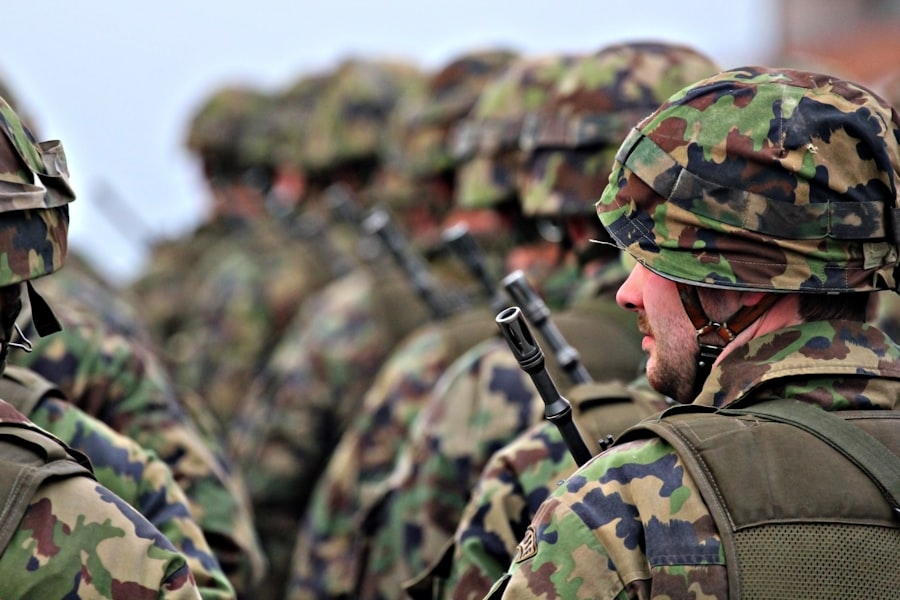
Several factors contribute to the pressure experienced during military decision-making. One primary factor is the time sensitivity of many military operations. Leaders often have to make decisions quickly, sometimes with incomplete information, which can lead to anxiety and second-guessing.
The fast-paced nature of combat requires leaders to act decisively, but this urgency can create a sense of pressure that complicates the decision-making process. Another significant factor is the high stakes involved in military operations. Decisions made in combat can result in loss of life, mission failure, or even geopolitical ramifications.
This reality places immense pressure on military leaders to ensure that their choices are sound and justifiable. Additionally, external pressures from superiors, political entities, and public opinion can further complicate decision-making, as leaders must balance operational effectiveness with accountability and ethical considerations.
The Impact of Stress on Military Decision Making
Stress can have profound effects on military decision-making capabilities. Under high-stress conditions, cognitive functions such as attention, memory, and problem-solving can become impaired. This deterioration in mental acuity can lead to hasty decisions or oversights that might not occur under normal circumstances.
Stress can also trigger emotional responses that cloud judgment, making it difficult for leaders to remain objective and focused on mission objectives. Moreover, chronic stress can lead to burnout among military personnel, further diminishing their ability to make sound decisions. The cumulative effects of stress over time can erode confidence and morale within units, creating a cycle that perpetuates poor decision-making.
Understanding these impacts is essential for developing effective strategies to mitigate stress and enhance decision-making capabilities in high-pressure environments.
Strategies for Managing Pressure in Military Decision Making
| Metric | Description | Typical Range | Impact on Decision Making |
|---|---|---|---|
| Decision Time | Time taken to make a decision under pressure | Seconds to Minutes | Shorter times increase risk of errors but are necessary in combat |
| Stress Level (Cortisol) | Biological measure of stress hormone levels | Normal: 5-23 µg/dL; Combat stress: up to 50 µg/dL | High stress can impair cognitive function and situational awareness |
| Situational Awareness Score | Assessment of awareness of environment and threats | 0-100 scale | Higher scores correlate with better decision accuracy |
| Decision Accuracy | Percentage of correct decisions made under pressure | 60%-90% | Higher accuracy improves mission success rates |
| Information Processing Speed | Rate at which information is analyzed (items per minute) | 10-30 items/min | Faster processing supports timely and effective decisions |
| Training Hours | Hours of decision-making training under simulated pressure | 50-200 hours | More training improves performance and stress resilience |
To effectively manage pressure during military decision-making, several strategies can be employed. One key approach is fostering a culture of open communication within units. Encouraging team members to voice concerns and share insights can help alleviate some of the pressure associated with decision-making.
When leaders feel supported by their teams, they are more likely to make informed choices based on collective input rather than succumbing to individual stress. Another effective strategy is implementing structured decision-making processes that provide clear guidelines for evaluating options and assessing risks. By utilizing frameworks such as the OODA loop (Observe, Orient, Decide, Act), military leaders can systematically approach complex situations, reducing uncertainty and enhancing confidence in their decisions.
Additionally, incorporating stress management techniques—such as mindfulness training or simulation exercises—can help prepare military personnel to handle high-pressure scenarios more effectively.
The Role of Training and Preparedness in Military Decision Making

Training and preparedness play a vital role in enhancing military decision-making capabilities under pressure. Comprehensive training programs that simulate real-world scenarios allow military personnel to practice making decisions in high-stress environments. These exercises not only build confidence but also help individuals develop critical thinking skills that are essential for effective decision-making.
Moreover, ongoing education about the psychological aspects of stress and decision-making can equip military leaders with tools to manage their own responses during crises. By understanding how stress affects cognition and behavior, leaders can implement strategies to maintain composure and clarity when faced with challenging situations. Preparedness extends beyond individual training; it also involves ensuring that units are cohesive and capable of functioning effectively as a team during high-pressure operations.
Case Studies of Successful Military Decision Making Under Pressure
Examining case studies of successful military decision-making under pressure provides valuable insights into effective strategies and practices. One notable example is the U.S. Navy SEAL operation that led to the successful rescue of Captain Richard Phillips from Somali pirates in 2009.
The SEAL team faced intense pressure as they had to make rapid decisions while ensuring the safety of both Phillips and their own personnel. Their training, teamwork, and adherence to established protocols allowed them to execute a complex operation successfully. Another example is the Battle of Midway during World War II, where U.S.
Navy commanders had to make critical decisions based on limited intelligence about Japanese forces. The ability to adapt quickly to changing circumstances and leverage available resources ultimately led to a decisive victory for the U.S., showcasing how effective decision-making under pressure can alter the course of history.
The Consequences of Poor Decision Making in the Military
The consequences of poor decision-making in the military can be dire and far-reaching. In combat situations, a single miscalculation can result in loss of life or mission failure, impacting not only those directly involved but also their families and communities. Beyond immediate operational consequences, poor decisions can erode trust within units and diminish morale among personnel.
Furthermore, ineffective decision-making can have strategic implications that extend beyond individual missions.
The ripple effects of poor decisions may also influence public perception and political support for military actions, ultimately shaping future policy decisions.
The Role of Leadership in Supporting Military Decision Making Under Pressure
Leadership plays a crucial role in supporting effective military decision-making under pressure. Strong leaders create an environment where team members feel empowered to contribute their insights and expertise, fostering collaboration during critical moments. By demonstrating confidence and decisiveness themselves, leaders can instill a sense of calm within their units, enabling personnel to focus on their tasks without succumbing to panic or anxiety.
Additionally, effective leaders prioritize the well-being of their teams by recognizing signs of stress and providing necessary support resources.
By addressing the psychological aspects of decision-making, leaders can enhance overall unit performance and resilience in challenging situations.
Ethical Considerations in Military Decision Making Under Pressure
Ethical considerations are paramount in military decision-making, particularly under pressure. Leaders must navigate complex moral dilemmas while ensuring that their choices align with both legal standards and ethical principles. The urgency of combat situations can complicate these considerations, as leaders may feel compelled to act quickly without fully weighing the ethical implications of their decisions.
Moreover, ethical lapses during high-pressure operations can have lasting repercussions for both individuals and organizations. Upholding ethical standards fosters trust among personnel and enhances credibility with external stakeholders. Military leaders must therefore prioritize ethical training and discussions within their units to ensure that all members understand the importance of maintaining integrity even in the most challenging circumstances.
The Future of Military Decision Making and Pressure Management
As military operations continue to evolve in complexity and scope, the future of military decision-making will likely involve advancements in technology and methodologies for managing pressure. Innovations such as artificial intelligence may assist leaders in analyzing data more efficiently, providing them with valuable insights that enhance decision-making capabilities under stress. Furthermore, ongoing research into psychological resilience and stress management will continue to inform training programs aimed at preparing military personnel for high-pressure environments.
By integrating these advancements into existing frameworks for decision-making, militaries around the world can enhance their operational effectiveness while ensuring that personnel are equipped to handle the challenges they face on the battlefield. In conclusion, military decision-making is a multifaceted process influenced by various factors including pressure, stress, leadership dynamics, and ethical considerations. By understanding these elements and implementing effective strategies for managing them, military organizations can improve their decision-making capabilities under pressure—ultimately leading to greater success in achieving mission objectives while safeguarding the well-being of their personnel.
Military decision-making under pressure is a critical aspect of operational success, as leaders must often make quick, informed choices in high-stakes environments. For a deeper understanding of this topic, you can explore the article on military strategy and decision-making processes at In The War Room. This resource provides valuable insights into the complexities and challenges faced by military leaders when time is of the essence.
FAQs
What is military decision making under pressure?
Military decision making under pressure refers to the process by which military leaders and personnel make critical decisions quickly and effectively in high-stress, time-sensitive, and often uncertain combat or operational environments.
Why is decision making under pressure important in the military?
It is crucial because military operations often occur in dynamic and unpredictable situations where delays or poor decisions can lead to mission failure, loss of life, or strategic disadvantages.
What factors influence military decision making under pressure?
Factors include time constraints, incomplete or ambiguous information, stress and fatigue, the complexity of the operational environment, communication challenges, and the need to anticipate enemy actions.
What methods or models are used in military decision making under pressure?
Common methods include the Military Decision Making Process (MDMP), the OODA Loop (Observe, Orient, Decide, Act), and rapid decision-making frameworks designed to streamline analysis and action in fast-paced scenarios.
How do military personnel train for decision making under pressure?
Training involves simulations, war games, stress inoculation exercises, scenario-based drills, and leadership development programs that emphasize critical thinking, adaptability, and rapid problem-solving.
What role does technology play in military decision making under pressure?
Technology provides real-time data, communication tools, decision support systems, and intelligence analysis that help commanders make informed decisions quickly despite the pressure.
Can decision making under pressure lead to errors in the military?
Yes, high-pressure situations can increase the risk of cognitive biases, misjudgments, and errors, which is why training and structured decision-making processes are essential to mitigate these risks.
How do military leaders manage stress to improve decision making under pressure?
Leaders use stress management techniques such as mental conditioning, physical fitness, experience, delegation, and maintaining situational awareness to remain calm and effective during critical moments.
Is military decision making under pressure applicable outside the military?
Yes, principles of decision making under pressure are applicable in emergency services, healthcare, business crisis management, and any field requiring rapid, high-stakes decisions.