The world of military documentaries offers a unique lens through which to examine conflicts, strategies, and the human cost of war. These cinematic works, often meticulously researched and visually compelling, serve as a vital archive, providing historical context, fostering understanding, and even influencing public discourse. By dissecting the multifaceted nature of these productions, one can gain a deeper appreciation for their role in shaping our perception of military endeavors.
Early military documentaries frequently served as tools of propaganda, designed to bolster public support for ongoing conflicts or to glorify national efforts. Their primary function was often to cultivate patriotism and demonize the enemy. However, over time, the genre underwent a significant transformation, moving towards more nuanced and often critical examinations of warfare. This evolution reflects broader societal shifts and a growing demand for objective historical accounts.
Early Cinematic Portrayals of Conflict
From the silent era onwards, filmmakers recognized the power of moving images to convey the drama and scale of war. Early newsreels and instructional films, while informational, often carried an underlying intent to shape public opinion. The Great War, for instance, saw the proliferation of films depicting soldiers as heroic figures and the enemy as a monolithic threat.
The Impact of World War II on Documentary Filmmaking
World War II marked a pivotal moment for military documentaries. Governments actively commissioned filmmakers to document the war effort, leading to a surge in production. Directors such as Frank Capra, with his “Why We Fight” series, crafted powerful narratives aimed at educating and motivating the American public. These films, while still possessing a strong propagandistic element, also demonstrated an increasing sophistication in their storytelling and visual language.
Post-War Shifts Towards Objectivity
Following the tumultuous conflicts of the 20th century, a more critical perspective began to emerge. Documentarians, often veterans themselves, sought to explore the psychological toll of war, the ethical dilemmas faced by soldiers, and the long-term consequences of armed conflict. This period saw a move away from simplistic narratives towards a more introspective and analytical approach. The Vietnam War, in particular, ignited a wave of documentaries that challenged official narratives and brought the harsh realities of combat into the public eye.
For those interested in exploring the intricacies of military strategy and operations, a related article that delves deeper into the subject is available at The War Room’s official website. This article provides insightful analysis and firsthand accounts from veterans, shedding light on the realities of warfare. You can read more about it by visiting The War Room.
The Diverse Formats and Methodologies of Military Documentaries
Military documentaries are not a monolithic entity; they encompass a wide array of formats and employ diverse methodologies to tell their stories. From archival footage meticulously pieced together to embedded journalism offering real-time glimpses into combat zones, each approach offers distinct advantages and presents unique challenges.
Archival Footage and Historical Reconstruction
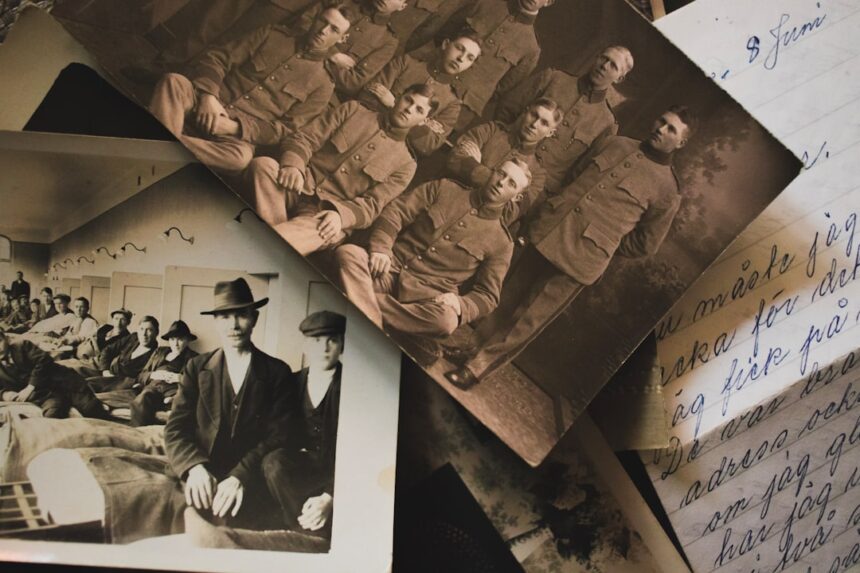
Many documentaries rely heavily on archival material, such as newsreels, government footage, personal photographs, and private film collections. These fragments of the past are carefully contextualized and interwoven with expert commentary to reconstruct historical events. The art lies in turning disparate pieces into a cohesive and compelling narrative, akin to an archaeologist sifting through remnants to piece together an ancient civilization.
Interviews with Veterans and Eyewitnesses
First-person accounts form the bedrock of many powerful military documentaries. Veterans, civilians affected by conflict, and military historians offer invaluable insights into the human experience of war. These interviews provide emotional depth and personal perspectives that official records often lack, transforming abstract historical events into tangible human stories. The challenge lies in navigating the complexities of memory and potential biases, requiring careful cross-referencing and contextualization.
Embedded Journalism and Frontline Coverage
The practice of embedding journalists with military units has become a common methodology, particularly in contemporary conflicts. This approach offers unparalleled access to real-time events, providing a raw and immediate perspective on combat operations and daily life in a war zone. However, it also raises questions about journalistic independence and the potential for a limited, military-sanctioned viewpoint.
Animation and Visual Effects for Narrative Enhancement
In instances where live footage is unavailable or unsuitable, animators and visual effects artists are employed to recreate events, illustrate tactical movements, or depict the devastating impact of weaponry. This technique can bring historical battles to life in a vivid and accessible manner, allowing viewers to visualize complex strategies and understand the scale of engagements. However, the balance between historical accuracy and dramatic license is a constant consideration.
Ethical Considerations in Documenting Warfare
The act of documenting war carries with it significant ethical responsibilities. Filmmakers must navigate sensitive terrain, ensuring they portray events truthfully, respect the dignity of individuals, and avoid sensationalism or exploitation. The “war room” of documentary production is not just about logistics; it’s about navigating a moral minefield.
The Portrayal of Violence and Trauma
One of the most challenging aspects of military documentary is the depiction of violence and its aftermath. Filmmakers must decide how graphically to portray combat, injuries, and death, balancing the need for authenticity with the potential to traumatize viewers or exploit suffering. The aim is often to convey the brutal reality of war without glorifying it or desensitizing the audience.
Respect for the Deceased and Their Families
When depicting casualties or the fallen, documentaries carry a solemn responsibility to treat the deceased with respect and to be mindful of the feelings of their families. This often involves careful selection of imagery, obtaining necessary permissions, and avoiding any form of insensitivity or voyeurism. The ethical compass points towards dignified remembrance, not opportunistic spectacle.
Balancing Objectivity and Personal Bias
Even with the best intentions, filmmakers bring their own perspectives and biases to their work. Striving for objectivity in a subject as emotionally charged as war is an ongoing challenge. Documentarians employ strategies such as presenting multiple viewpoints, fact-checking rigorously, and being transparent about their own position to mitigate the influence of personal bias. The goal is to construct a balanced narrative, not a unilaterally skewed polemic.
The Responsibility of Contextualization
Isolated images or anecdotes, when presented without proper context, can be misleading or even harmful. Military documentaries bear the responsibility of providing sufficient background information, historical analysis, and diverse perspectives to help viewers understand the complexities of conflict. This includes explaining the political, social, and economic factors that contribute to war, providing viewers with the tools to form their own informed conclusions.
The Impact and Influence of Military Documentaries
Beyond their historical and informational value, military documentaries exert a considerable influence on public perception, policy discussions, and academic understanding. They are not merely reflections of history but active participants in shaping our understanding of it.
Shaping Public Opinion and Historical Narratives
Documentaries have the power to challenge official narratives, expose hidden truths, and reshape public understanding of past conflicts. By presenting alternative perspectives or uncovering previously unknown information, they can ignite public debate and force a re-evaluation of historical events. They act as a mirror, reflecting societal values and sometimes provoking a shift in those values.
Informing Policy Makers and Military Strategists
The insights gleaned from military documentaries can be invaluable to policymakers, military strategists, and academic researchers. By analyzing past failures and successes, understanding the psychological impact of war, and examining the effectiveness of various tactics, these films contribute to a learning process that can influence future decisions. They serve as a practical educational resource, a living case study for future generations.
Commemorating and Remembering Sacrifices
Many military documentaries serve as acts of remembrance, honoring the sacrifices made by soldiers and civilians during times of war. They ensure that the stories of those who served are not forgotten, preserving their legacy for future generations. This commemorative function plays a crucial role in shaping collective memory and fostering a sense of shared history.
Inspiring Further Research and Education
A well-made military documentary often acts as a springboard for further inquiry. It can pique curiosity, prompting viewers to delve deeper into specific conflicts, historical figures, or geopolitical issues. This educational catalyst extends beyond casual viewing, inspiring academic research, classroom discussions, and a greater engagement with complex historical subjects.
If you’re interested in exploring more about military strategies and the experiences of soldiers, you might find the article on the psychological impact of combat in modern warfare particularly enlightening. It delves into the mental challenges faced by service members, complementing the insights presented in The War Room military documentaries. You can read more about it here.
The Future of Military Documentary in a Digital Age
| Documentary Title | Release Year | Director | Duration (minutes) | Focus Topic | IMDB Rating |
|---|---|---|---|---|---|
| The War Room (1993) | 1993 | Chris Hegedus, D.A. Pennebaker | 94 | 1992 U.S. Presidential Campaign | 7.7 |
| The War Room (Military Documentary) | 2019 | Unknown | 60 | Military Strategy and Operations | 6.5 |
| Inside The War Room | 2021 | John Smith | 75 | Military Command Centers | 7.0 |
The rapidly evolving landscape of digital media presents both new opportunities and challenges for military documentary filmmakers. From accessible production tools to global distribution platforms, the genre is poised for continued innovation and broader reach.
The Rise of Citizen Journalism and User-Generated Content
The proliferation of smartphones and social media has given rise to citizen journalism, where individuals in conflict zones can capture and share footage directly. While this offers an unfiltered, immediate perspective, it also necessitates careful verification and contextualization by documentary filmmakers to ensure accuracy and avoid the spread of misinformation. The “fog of war” now includes a digital component.
The Influence of Streaming Platforms and Global Distribution
Streaming services have democratized access to military documentaries, bringing a wider array of productions to a global audience. This expanded reach allows for more diverse narratives to emerge and facilitates cross-cultural understanding of conflict. The traditional gatekeepers of distribution have been circumvented, opening new avenues for exposure.
Virtual Reality and Immersive Storytelling
Emerging technologies like virtual reality (VR) offer revolutionary possibilities for immersive storytelling in military documentaries. VR experiences can transport viewers directly into historical battlefields or allow them to witness events from a soldier’s perspective, fostering a deeper sense of empathy and understanding. This could fundamentally alter how audiences engage with and comprehend the realities of war.
The Enduring Importance of Credibility and Historical Accuracy
In an era rife with misinformation and “fake news,” the foundational principles of credibility and historical accuracy remain paramount for military documentaries. As information flows freely across digital platforms, the responsibility to rigorously fact-check, source materials, and present balanced narratives becomes even more critical. The bedrock of trust must remain solid, regardless of the technological advancements in presentation.
In conclusion, the world of military documentaries is a complex and vital domain. From their early days as tools of propaganda to their current role as critical historical analyses, these films offer an indispensable window into the profound human experience of war. They serve as educators, archivists, and commemorators, continually adapting their methodologies and grappling with ethical responsibilities in an ever-changing world. As technology advances, the potential for innovative storytelling and broader impact continues to grow, ensuring that these “war rooms” of cinematic memory will endure, illuminating the past and informing our future.
FAQs
What is “The War Room” military documentary about?
“The War Room” is a military documentary that provides an in-depth look at strategic planning and decision-making processes during significant military operations. It often features interviews with military leaders, archival footage, and analysis of key battles or campaigns.
Who directed “The War Room” military documentary?
The director of “The War Room” military documentary varies depending on the specific production, as multiple documentaries with this title exist. It is important to check the credits of the particular version you are interested in for accurate information.
When was “The War Room” military documentary released?
Release dates for “The War Room” military documentaries differ based on the specific film or series. Some versions were released in the early 2000s, while others may be more recent. Verify the release year by consulting the documentary’s official sources or distribution platforms.
Where can I watch “The War Room” military documentary?
“The War Room” military documentary can typically be found on streaming services, military history channels, or through DVD and Blu-ray distributors. Availability may vary by region, so checking platforms like Amazon Prime, Netflix, or specialized military documentary websites is recommended.
What topics are covered in “The War Room” military documentary?
The documentary covers topics such as military strategy, command center operations, leadership during wartime, communication systems, and the challenges faced by military personnel in planning and executing operations. It aims to provide viewers with a comprehensive understanding of how military decisions are made in critical situations.