Uncovering the Truth: The Gladio Parliamentary Investigation
The shadows of the Cold War often cast long, dark specters over the political landscape of Western democracies. Among these clandestine operations, the Italian parliamentary investigation into “Gladio” stands as a significant, albeit often misunderstood, effort to shine a light into these murky depths. This sprawling and complex inquiry, spanning years and delving into a labyrinth of allegations, sought to unravel the truth behind a covert network suspected of influencing Italian politics and contributing to domestic terrorism. It was an undertaking that challenged official narratives, exposed the fragility of democratic institutions under duress, and left an indelible mark on Italy’s post-war history.
The seeds of the Gladio investigation were sown not in a sudden revelation, but in a gradual accumulation of suspicions and unsettling events that characterized Italy’s “Years of Lead.” The period from the late 1960s through the early 1980s was marked by a wave of political violence, bombings, and assassinations, often attributed to extremist groups on both the far-left and far-right. However, a persistent undercurrent of doubt suggested that these acts were not solely the product of internal extremist ideologies, but were also being manipulated or even orchestrated by hidden hands.
The “Strategy of Tension” and Its Implications
At the heart of these suspicions lay the concept of the “strategy of tension,” a doctrine that theorized the use of clandestine operations and provocations to destabilize a society, thereby creating a climate ripe for a shift towards authoritarian rule. Proponents of this theory suggested that certain bombings and violent acts, while appearing to be the work of radical factions, were in fact designed to sow fear and confusion, ultimately justifying a crackdown on civil liberties and potentially paving the way for a more conservative, or even military, government.
The Piazza Fontana Bombing: A Pivotal Event
The bombing of Piazza Fontana in Milan on December 12, 1969, served as a grim and bloody prologue to the “Years of Lead.” This devastating attack on the Banca Nazionale dell’Agricoltura killed 17 people and injured many more. Initially blamed on anarchists, subsequent investigations and revelations would point towards a more complex and sinister reality. The inability to definitively assign responsibility, coupled with persistent rumors of state involvement and cover-ups, fueled a deep-seated distrust in official accounts and laid the groundwork for future inquiries.
The Bologna Station Bombing: A Lingering Question
Another tragic event that continued to haunt the Italian consciousness was the Bologna railway station bombing on August 2, 1980. This attack, the deadliest in Italy’s post-war history, claimed 85 lives and wounded over 200. While neo-fascist terrorists were eventually convicted for the attack, questions about their true masters and the extent of state complicity lingered. These unsolved aspects of such high-profile attacks became a constant thorn in the side of those seeking clarity and justice, and indirectly contributed to the pressure for broader investigations.
The Unveiling of “Stay-Behind” Networks
The term “Gladio” itself, meaning “sword” in Latin, emerged from a seemingly unrelated context. In 1990, Italian Prime Minister Giulio Andreotti, under pressure, publicly admitted the existence of a secret Italian “stay-behind” organization, allegedly created as part of a NATO initiative to resist a Soviet invasion of Western Europe. This organization, he claimed, was a defensive structure, designed to operate behind enemy lines. However, the admission itself was a bombshell, triggering a cascade of questions about its true purpose, its activities, and its relationship to the domestic political turmoil.
NATO’s “Operation Gladio” and the Italian Connection
The existence of NATO’s “Operation Gladio” was not a complete surprise to intelligence agencies, but its public acknowledgement by a head of government was unprecedented. The core idea behind these “stay-behind” networks was that in the event of a Soviet occupation, trained paramilitary units would remain clandestine, engaging in sabotage, intelligence gathering, and resistance activities. However, in the context of Western democracies facing internal ideological struggles, the fear arose that such networks could be repurposed for domestic political objectives. The Italian Gladio, as revealed by Andreotti, was allegedly part of this broader, clandestine international framework.
The Gladio parliamentary investigation has shed light on the covert operations and secret armies established during the Cold War, raising significant questions about government accountability and transparency. For a deeper understanding of the implications and historical context surrounding these events, you can read a related article that delves into the intricacies of these clandestine activities and their impact on modern politics. Check it out here: related article.
The Parliamentary Commission: A Quest for Truth
The admission of Gladio’s existence by Andreotti was not an act of transparency, but rather a forced disclosure. It was the Italian Parliament that took the initiative to investigate, driven by public demand for answers and a growing suspicion that the state itself might have been involved in or complicit with activities that undermined democracy. The establishment of a parliamentary commission of inquiry was a crucial step in attempting to bring these clandestine activities into the light.
The Mandate and Scope of the Commission
The parliamentary commission of inquiry into Gladio was tasked with a monumental undertaking. Its mandate was to:
- Investigate the nature and activities of the Italian “stay-behind” network, codenamed Gladio. This included understanding its origins, its command structure, its funding, and its personnel.
- Determine the extent of its involvement, if any, in acts of domestic terrorism and political violence. This was the most sensitive and contentious aspect of the inquiry, as it sought to link the clandestine network to the “Years of Lead.”
- Examine the role of state institutions, intelligence agencies, and the military in the establishment and operation of Gladio. This aimed to uncover any potential complicity or cover-ups by official bodies.
- Assess the impact of Gladio on Italy’s democratic process and its international relations.
The commission faced immense challenges, including resistance from various sectors, the destruction or disappearance of evidence, and the inherent secrecy of the subject matter.
Key Figures and Witnesses
The investigation brought to the fore a cast of characters, some reluctant, some defiant, and some seeking to offer their version of events. Prime Minister Giulio Andreotti, despite his initial revelation, became a central figure, facing intense scrutiny regarding his knowledge and potential involvement. Former intelligence officials, military personnel, and alleged members of clandestine networks were called to testify, often under oath, offering fragmented and sometimes contradictory accounts. The commission’s work was characterized by a painstaking process of cross-referencing testimonies, analyzing documents (where available), and piecing together a narrative from disparate and often self-serving statements.
The Role of Giulio Andreotti
Giulio Andreotti, a towering figure in Italian politics for decades, was at the nexus of the Gladio controversy. His admission of Gladio’s existence, while ostensibly aimed at demystifying the issue, only amplified the questions. The parliamentary commission delved deeply into his testimony, scrutinizing his claims and his understanding of the network’s operations. He maintained that Gladio was a legitimate defensive structure, loyal to NATO and the Italian state, and denied any knowledge of its involvement in illegal activities. However, his long and multifaceted career, entangled with numerous political intrigues, made his pronouncements subject to intense skepticism.
Testimonies from Intelligence and Military Personnel
The commission heard from numerous individuals who had served within Italy’s intelligence services and military. These testimonies often painted a picture of a fragmented and sometimes competing intelligence landscape, where different agencies operated with varying degrees of autonomy. Some individuals confirmed the existence of the “stay-behind” network and its purpose, while others claimed ignorance or downplayed its significance. The challenge for the commission was to discern truth from self-preservation, misinformation, and genuine gaps in knowledge.
Controversies and Obstacles in the Investigation
The parliamentary investigation into Gladio was far from a smooth or straightforward process. It was plagued by controversy, political maneuvering, and an almost insurmountable difficulty in obtaining concrete evidence. The inherent secrecy of the subject matter, coupled with deliberate obstruction, made the commission’s task exceptionally arduous.
The Problem of Secrecy and Missing Evidence
The very nature of clandestine operations means that documentation is sparse, compartmentalized, and often deliberately destroyed or classified. The commission faced a constant struggle to access relevant files, with many claiming they had been lost, destroyed, or were subject to national security exemptions. This lack of concrete documentary evidence made it challenging to corroborate testimonies and build a definitive case. The deliberate destruction of evidence became a recurring theme, suggesting a concerted effort to bury the truth.
Classified Documents and National Security
The claims of national security were frequently invoked to deny the commission access to crucial documents. Intelligence agencies and government ministries cited the need to protect sources and methods, as well as ongoing operations, as reasons for withholding information. This created a Catch-22 situation: the commission needed the documents to investigate, but the government claimed national security to prevent their release. This often led to accusations of stonewalling and a deliberate attempt to impede the investigation.
Allegations of Evidence Destruction
Perhaps the most damning obstacle was the recurring allegation that evidence related to Gladio and its activities had been deliberately destroyed. This was particularly concerning in relation to key investigations into terrorist attacks, where documents that might have shed light on the perpetrators’ motives or external support could have vanished. The commission painstakingly documented these allegations, but proving intentional destruction on a large scale, particularly years after the events, proved extremely difficult.
Political Interference and Resistance
The Gladio investigation was not conducted in a vacuum. It occurred within the highly charged political environment of Italy, where powerful figures and institutions had vested interests in maintaining certain narratives or protecting their reputations. The commission faced significant political resistance, with some parties and individuals seeking to downplay the significance of Gladio, discredit its findings, or even shut down the inquiry altogether.
The Role of the Judiciary
The relationship between the parliamentary commission and the Italian judiciary was also complex. While the judiciary was independently investigating specific acts of terrorism, the parliamentary commission sought to uncover the broader context and potential state involvement. There were instances of overlap and sometimes friction between the two branches, as they pursued their respective investigations through different legal and political avenues.
International Dimensions and Foreign Influence
The international dimension of Gladio was a constant source of speculation and concern. The alleged connection to NATO and other Western intelligence agencies meant that the investigation could potentially have far-reaching implications for international relations. There were concerns that foreign powers might have had a hand in influencing the course of the investigation or in exerting pressure to keep certain truths hidden. The commission’s efforts to understand these international links were met with varying degrees of cooperation and obstruction from allied nations.
The Findings and Legacy of the Investigation
After years of arduous work, the parliamentary commission eventually presented its findings. While it did not offer a single, definitive answer that satisfied all parties, it did illuminate certain aspects of Gladio and its potential influence. The legacy of the investigation is multifaceted, marked by both achievements and lingering questions.
The “Stay-Behind” Network Confirmed
The most undeniable outcome of the investigation was the confirmation of the existence of a secret Italian “stay-behind” organization, operating under the umbrella of NATO. The commission established that this network was indeed part of a broader Western European strategy designed to resist a potential Soviet invasion. However, the extent to which this defensive mandate was adhered to remained a subject of intense debate.
The Dual-Use Hypothesis
A central theme that emerged from the commission’s findings was the “dual-use hypothesis.” This suggested that while Gladio was ostensibly created for defense against a foreign invasion, its structure and capabilities could have been, and potentially were, used for domestic political purposes. This could have involved clandestine operations, intelligence gathering on political opponents, or even covert support for certain political factions.
Links to Domestic Terrorism: A Complex Picture
The commission struggled to definitively prove a direct causal link between the Gladio network and specific acts of domestic terrorism. While it did not exonerate Gladio from any potential involvement or complicity, the evidence presented was often circumstantial or suggestive rather than conclusive. The commission highlighted instances where the activities of clandestine elements may have created an environment conducive to terrorism, or where individuals connected to Gladio may have had links to extremist groups. However, proving direct orchestration or command and control remained elusive.
The Enduring Mysteries and Unanswered Questions
Despite the commission’s efforts, the Gladio investigation left many questions unanswered. The inherent difficulties in uncovering clandestine activities, coupled with persistent obstruction, meant that the full truth may never be entirely known. The fear of a hidden state, operating outside democratic oversight, continued to cast a shadow over Italy’s political landscape.
The “Deep State” and Its Influence
The Gladio investigation contributed significantly to the public discourse around the concept of a “deep state” – a clandestine network of individuals within the state apparatus, often drawn from intelligence agencies, the military, and powerful economic interests, who operate beyond democratic control and influence government policy. The findings of the commission fueled these suspicions, suggesting that hidden structures of power may have played a role in shaping Italy’s political destiny.
The Unresolved Acts of Violence
Perhaps the most tragic legacy of the Gladio investigation is that it did not provide definitive answers for all the victims of the “Years of Lead.” While some perpetrators were identified and convicted, the question of who truly pulled the strings, and whether state-sponsored clandestine networks played a role in facilitating or even instigating these atrocities, remained, for many, an open wound. The lack of full closure continued to fuel a sense of injustice and distrust in official narratives.
The Gladio parliamentary investigation has shed light on the covert operations and secret armies established during the Cold War, raising numerous questions about government accountability and transparency. For those interested in exploring the implications of such clandestine activities, a related article can be found at In The War Room, which delves into the historical context and the ongoing debates surrounding these controversial operations. Understanding these events is crucial for grasping the complexities of modern political landscapes.
The Lasting Impact of the Gladio Inquiry
| Country | Year | Findings |
|---|---|---|
| Italy | 2000 | Found evidence of a “parallel structure” within the state |
| Turkey | 2012 | Reported that Gladio was involved in domestic terrorism |
| Belgium | 1990 | Investigated Gladio’s activities in the country |
The parliamentary investigation into Gladio, despite its limitations and the controversies it generated, had a profound and lasting impact on Italy. It forced a reckoning with the hidden mechanisms of state power, challenged official narratives, and contributed to a greater awareness of the potential threats to democracy from within.
A Catalyst for Democratic Scrutiny
The Gladio inquiry served as a powerful catalyst for greater parliamentary and public scrutiny of intelligence agencies and clandestine operations. It highlighted the importance of transparency and accountability, even in matters of national security. The investigation encouraged a more critical approach to official pronouncements and a greater demand for evidence-based explanations.
The Need for Oversight and Regulation
The findings of the commission underscored the critical need for robust oversight mechanisms for intelligence agencies and any form of “stay-behind” or clandestine operations. It brought to the fore the dangers of unchecked power and the potential for such networks to be misused for political ends. The debate surrounding Gladio contributed to a greater awareness of the importance of legislative frameworks and independent bodies to monitor the activities of these sensitive organizations.
The Enduring Debate and Historical Significance
The Gladio parliamentary investigation remains a subject of ongoing debate and historical analysis. It is a complex chapter in Italy’s post-war history, a testament to the challenges of uncovering truth in the face of secrecy and political machinations. Its significance lies not only in what it definitively uncovered, but also in the enduring questions it raised about the nature of power, the fragility of democracy, and the constant vigilance required to safeguard its principles. The shadows of Gladio may have receded, but the lessons learned from the parliamentary investigation continue to resonate, serving as a reminder of the importance of transparency and the ongoing struggle to ensure that the truth, however uncomfortable, eventually comes to light.
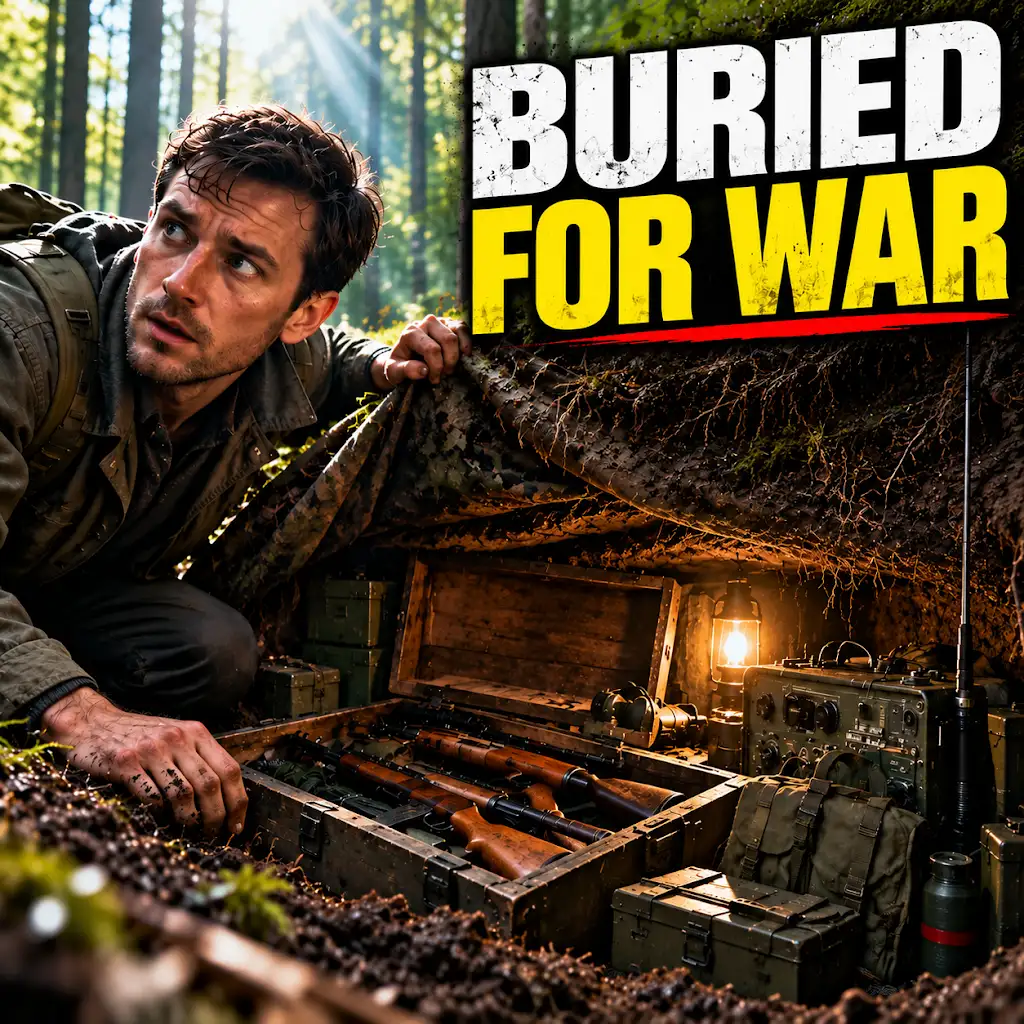
The Secret Armies NATO Prepared for a Soviet Invasion
FAQs
What is the Gladio parliamentary investigation?
The Gladio parliamentary investigation refers to the inquiry conducted by various European parliaments into the existence and activities of the clandestine NATO “stay-behind” operations during the Cold War.
When did the Gladio parliamentary investigation take place?
The Gladio parliamentary investigation took place in the 1990s, following the revelation of the existence of the Gladio network by Italian Prime Minister Giulio Andreotti in 1990.
What were the findings of the Gladio parliamentary investigation?
The findings of the Gladio parliamentary investigation varied across different countries, but generally revealed the existence of secret NATO-backed paramilitary groups operating in several European countries, with the purpose of conducting covert operations in the event of a Soviet invasion.
What impact did the Gladio parliamentary investigation have?
The Gladio parliamentary investigation led to increased public awareness of the covert activities of the NATO “stay-behind” networks and raised questions about the extent of their involvement in domestic political affairs and acts of terrorism.
Has the Gladio network been officially disbanded?
Following the Gladio parliamentary investigation, several countries officially disbanded their respective Gladio networks, while others claimed to have deactivated or restructured them to ensure they were no longer involved in covert operations.