
The story of the Soviet underwater cable tap is a remarkable chapter in the annals of espionage and technological innovation. It is a tale of audacious ambition, meticulous planning, and the relentless pursuit of intelligence in the shadow of the Cold War. This operation, code-named “IVY BELL” or “Operation SILVERTHRUSH,” allowed the Soviet Union to gain unprecedented access to sensitive United States naval communications for an extended period, offering a chilling glimpse into the vulnerabilities of undersea infrastructure.
The Cold War Crucible: A Looming Threat and the Need for Intelligence
The Cold War, a period of intense geopolitical tension between the United States and the Soviet Union, fueled a constant demand for intelligence. Both superpowers sought to understand the other’s military capabilities, intentions, and technological advancements. In the maritime theater, the oceans were a vast, often impenetrable frontier, but they also harbored critical communication pathways. The Soviets, keenly aware of the U.S. Navy’s global reach and reliance on undersea cables for command and control, began to explore ways to intercept these vital arteries of information. The sheer scale of naval operations, the dispersal of submarines, and the constant need for secure communication rendered traditional eavesdropping methods on surface vessels insufficient. The submerged world, therefore, presented a unique and compelling target.
Undersea Cables: The Digital Veins of Naval Power
Underwater communication cables, laid across the ocean floor, served as the digital backbone of naval operations. These cables carried a continuous stream of data, from tactical orders and fleet movements to intelligence reports and strategic directives. For the Soviets, gaining access to this information was akin to possessing the eyes and ears of the American navy, allowing them to anticipate moves, counter strategies, and gain a significant strategic advantage. The allure of tapping into these “digital veins” was immense, promising a treasure trove of actionable intelligence that could shape the course of the conflict.
Early Soviet Espionage Efforts: Laying the Groundwork
Prior to the development of Operation IVY BELL, the Soviets had already invested considerable resources in intelligence gathering, including signals intelligence (SIGINT) and human intelligence (HUMINT). However, the limitations of these methods in penetrating the deeply guarded communications of a modern navy were becoming increasingly apparent. The idea of a direct, physical tap into the cable infrastructure represented a quantum leap in their capabilities, a more direct and potentially less detectable form of intelligence acquisition. This nascent ambition was nourished by reports and analyses that highlighted the critical reliance of the U.S. on these submerged data conduits.
The topic of Soviet underwater communication cable taps has garnered significant attention, particularly in the context of espionage during the Cold War. For those interested in exploring this subject further, a related article can be found at this link, which delves into the methods and implications of underwater surveillance techniques employed by the Soviet Union. This resource provides valuable insights into the technological advancements and strategic motivations behind such covert operations.
The Ingenuity of IVY BELL: A Mechanical Masterpiece of Espionage
The Choice of Target: A Critical Juncture in Pacific Communications
Operation IVY BELL focused on a specific, strategically vital segment of the U.S. Navy’s communication network in the Pacific Ocean. The chosen cable was a key link carrying an immense volume of traffic, connecting major naval bases and command centers. The selection of this particular cable was a testament to the meticulous planning and intelligence assessment undertaken by Soviet strategists. They understood that a single, well-placed tap could yield a disproportionately large amount of valuable data. This wasn’t a scattershot approach; it was a surgical strike aimed at the heart of American naval communication. The path of this cable, its depth, and the surrounding seabed all played critical roles in the selection process, ensuring a feasible and rewarding target.
The BIZARRE Device: A Technological Marvel Born of Necessity
The centerpiece of Operation IVY BELL was the “BIZARRE” device, a sophisticated piece of underwater eavesdropping equipment designed and built by Soviet engineers. This was no simple wiretap; it was a complex electro-mechanical system capable of latching onto a live cable, diverting a portion of the data stream, and recording it without disrupting the primary flow of information. The device was a testament to Soviet ingenuity, overcoming extreme pressure, corrosive saltwater environments, and the constant threat of detection.
The Mechanics of the Tap: A Symbiotic Embrace
The BIZARRE device was engineered to achieve a delicate balance. It needed to securely attach itself to the cable, often a thick, armored conduit, without causing any discernible damage or interruption that would trigger alarms. The mechanics involved specialized clamps and gripping mechanisms that could withstand immense pressure and the churning of ocean currents. Once attached, the device would effectively create a parasitic relationship with the cable, siphoning off a minute fraction of the electrical signals that carried the data.
Recording and Retrieval: Challenges of the Deep
The data captured by the BIZARRE device needed to be stored and, crucially, retrieved. This presented a significant logistical and technological hurdle. The Soviets developed systems for recording the intercepted data onto magnetic tape, a relatively primitive but effective method for the time. The challenges of ensuring the long-term functionality of these recording mechanisms in the harsh deep-sea environment were enormous. Furthermore, the retrieval of the data itself was a high-stakes operation, requiring precisely timed visits by Soviet submarines equipped with specialized retrieval equipment.
The Submarine Element: Silent Hunters in the Deep
Soviet submarines played a dual role in Operation IVY BELL. Initially, they were instrumental in locating and identifying the target cable. Once the BIZARRE device was deployed, submarines were tasked with periodic visits to the site to maintain the equipment, replace depleted recording media, and retrieve the captured intelligence. These missions were incredibly dangerous, requiring the submarines to operate in close proximity to U.S. naval patrols, navigating the treacherous underwater landscape while remaining undetected. They were the silent ghosts of the operation, executing their missions with precision and stealth.
The Shadow Play: Execution and Deception
Deployment: A Delicate Dance in Darkness
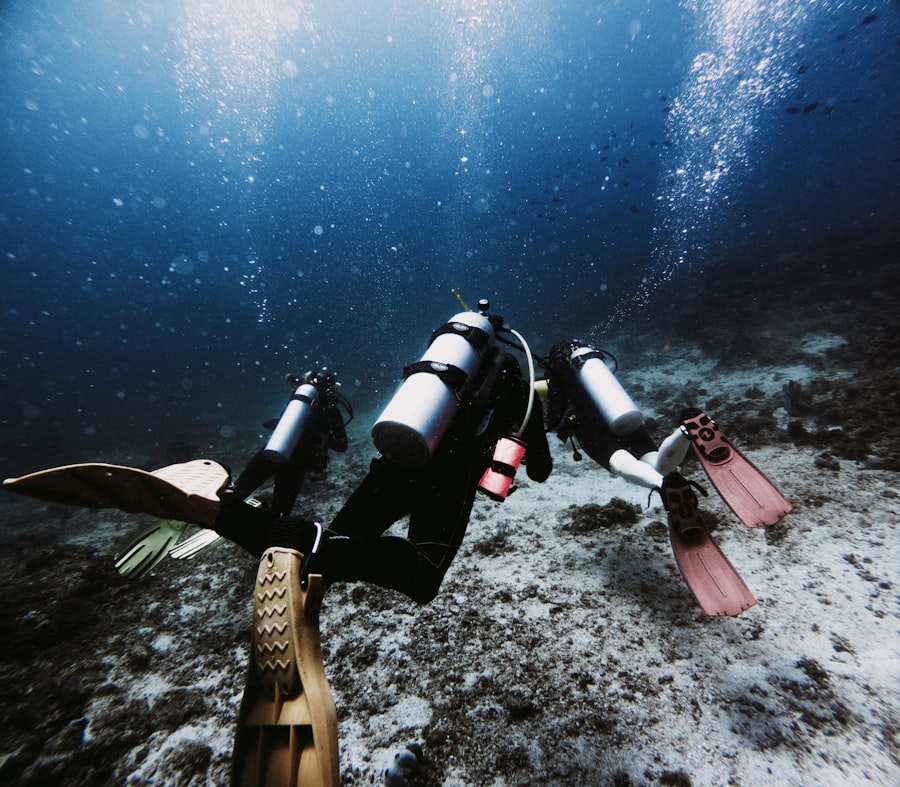
The initial deployment of the BIZARRE device was a meticulously orchestrated operation. Soviet submarines, equipped with specialized manipulator arms and sonar systems, navigated to the predetermined location on the ocean floor. The process of attaching the device to the live cable was a slow, deliberate affair, fraught with risk. A single miscalculation, a sudden movement, or an unexpected encounter could have led to immediate detection and the failure of the entire operation. The darkness of the deep ocean provided a cloak of secrecy, but it also amplified the sensory challenges of the mission.
Routine Maintenance and Data Retrieval: A Cycle of Risk
Once deployed, the BIZARRE device required regular maintenance and the retrieval of accumulated intelligence. This involved further incursions by Soviet submarines into waters patrolled by the U.S. Navy. The retrieval process was particularly critical, as the data needed to be extracted before the recording capacity was reached or the equipment failed. Each retrieval mission was a high-stakes gamble, a tense game of “cat and mouse” played out in the silent depths. The submarines had to approach the site, connect with the BIZARRE device, and extract the data, all while minimizing their acoustic signature and remaining vigilant for any signs of U.S. naval activity.
The Art of Invisibility: Minimizing Detection
Throughout the operation, the primary objective was to remain undetected. The Soviets employed a range of countermeasures and stealth techniques to avoid detection by U.S. sonar systems and other surveillance platforms. This included minimizing engine noise, utilizing the ocean’s acoustic layers to mask their presence, and conducting operations during periods of heightened ambient noise that could aid in their concealment. The success of IVY BELL hinged on its ability to operate in the shadows, unseen and unheard.
The Unveiling: Discovery and its Aftermath
The “Oceanographic” Cover Story: A Carefully Crafted Deception
The Soviet Union maintained a deliberate veil of secrecy around Operation IVY BELL for many years. They were aware that any public acknowledgment of such an operation would have significant diplomatic and military repercussions. For a considerable period, the true nature of the intercepts remained unknown to the public, cloaked in a narrative of routine oceanographic research or other innocuous activities. This deception bought them valuable time and allowed them to exploit the compromised communications with less fear of immediate reprisal. The intelligence gathered was carefully classified and disseminated internally, fueling Soviet military planning.
The Dawn of Revelation: Unmasking the Tap
The existence of Operation IVY BELL, and the astonishing feat of espionage it represented, did not remain a secret forever. Over time, through a combination of counterintelligence efforts, the declassification of sensitive documents, and the eventual memoirs of individuals involved on the American side, the story began to emerge. Early suspicions, often dismissed as improbable, gradually coalesced into a confirmed reality. The revelation of the Soviet underwater cable tap sent shockwaves through intelligence communities and defense establishments worldwide.
The American Response: A Breach of Trust and a Wake-Up Call
The discovery of the Soviet tap was a profound breach of trust and a stark reminder of the vulnerabilities inherent in even the most sophisticated technological infrastructure. For the United States, it was a painful lesson learned at the highest levels of national security. The operation underscored the ingenuity and determination of Soviet intelligence agencies and forced a reassessment of existing security protocols and defensive measures. The implications for future naval operations and the integrity of secure communication systems were immense.
The intriguing history of Soviet underwater communication cable taps reveals the lengths to which nations have gone to gather intelligence. A related article on this topic can be found at In the War Room, where the complexities of espionage and the technological advancements of the Cold War era are explored in greater detail. This resource provides valuable insights into the methods used by intelligence agencies to intercept communications and the implications these actions had on international relations.
The Legacy of IVY BELL: Lessons Learned and Future Implications
| Metric | Details |
|---|---|
| Operation Name | Operation Ivy Bells |
| Country | United States (targeting Soviet Union) |
| Location | Sea of Okhotsk |
| Type of Cable | Underwater Soviet military communication cable |
| Purpose | Intercept Soviet naval communications |
| Method | Physical tapping of underwater cable using submersibles |
| Duration of Operation | 1970s to early 1980s |
| Technology Used | Miniature tapping devices, submersibles, underwater surveillance equipment |
| Outcome | Successful interception of Soviet naval communications until discovery |
| Discovery Year | 1981 |
| Impact | Compromised US intelligence operations, led to increased Soviet cable security |
Technological Arms Race Beneath the Waves: A Continuous Struggle
The success and subsequent revelation of Operation IVY BELL undoubtedly fueled a technological arms race beneath the waves. Both the United States and the Soviet Union, and later Russia, continued to develop and deploy sophisticated technologies for both offensive intelligence gathering and defensive countermeasures. This ongoing struggle for supremacy in the undersea domain has shaped the development of sonar, submarine technology, underwater sensors, and cable protection systems. The oceans remain a contested frontier, with each side constantly seeking an edge.
The Vulnerability of Global Infrastructure: A Precarious Balance
The story of IVY BELL serves as a potent reminder of the inherent vulnerability of global communication infrastructure, particularly in the undersea realm. While the technology has advanced considerably since the Cold War, the fundamental challenge of securing vast networks of underwater cables remains. With the increasing reliance on submarine cables for global internet traffic, financial transactions, and critical data, the threat of sophisticated espionage or sabotage is a persistent concern. The shadow of past operations looms large, a testament to the enduring allure of tapping into the unseen arteries of our interconnected world.
The Enduring Significance: A Chapter in Espionage History
Operation IVY BELL stands as a monumental achievement in the history of espionage. It demonstrated a level of technical prowess and strategic patience that was truly remarkable. The story continues to fascinate and inform, offering valuable insights into the complexities of intelligence gathering, the evolution of technology, and the ceaseless machinations of geopolitical rivalry. It is a testament to the human capacity for both audacious innovation and the meticulous pursuit of secret knowledge, a story whispered in the silent depths of the ocean, a lasting echo of the Cold War’s hidden battles.
WARNING: The $35,000 Betrayal That Blinded America
FAQs
What was the Soviet underwater communication cable tap?
The Soviet underwater communication cable tap was a covert operation during the Cold War where the Soviet Union secretly intercepted and monitored underwater communication cables used by Western countries to gather intelligence.
How did the Soviets tap underwater communication cables?
The Soviets used specialized submarines and underwater equipment to physically access and tap into the communication cables laid on the ocean floor, allowing them to intercept telephone and data transmissions without detection.
Why were underwater communication cables targeted for tapping?
Underwater communication cables carried a significant portion of international telephone and data traffic, making them valuable sources of intelligence. Tapping these cables allowed the Soviets to monitor diplomatic, military, and commercial communications.
When did the Soviet underwater cable tapping operations take place?
These operations primarily occurred during the Cold War period, roughly from the 1950s through the 1980s, when tensions between the Soviet Union and Western countries were high and intelligence gathering was a priority.
What impact did the Soviet cable tapping have on international relations?
The discovery or suspicion of Soviet cable tapping heightened mistrust between the Soviet Union and Western nations, contributing to the espionage tensions of the Cold War. It also led to increased efforts to secure communication lines and develop encryption technologies.