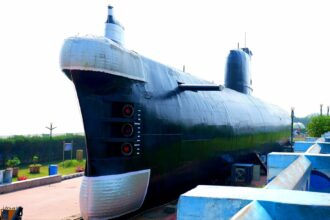
Operation Ivy Bells stands as one of the most audacious and covert intelligence gathering operations in naval history. Conceived during the frigid depths of the Cold War, this highly classified program saw the United States Navy, through its submarine fleet, venture into waters dominated by the Soviet Union to intercept vital communications. The story of Ivy Bells is a fascinating tapestry woven with threads of innovation, audacity, risk, betrayal, and ultimate compromise. This article delves into the operational specifics, historical context, and enduring legacy of this remarkable intelligence feat, offering insights into its impact on Cold War espionage and beyond.
The Genesis and Conception of Ivy Bells
The impetus for Operation Ivy Bells arose from a critical intelligence gap the United States faced regarding Soviet naval capabilities, particularly their submarine fleet and ballistic missile systems. Conventional intelligence gathering methods, such as signals intelligence (SIGINT) from land-based stations or reconnaissance flights, were proving insufficient to penetrate the highly sophisticated and layered Soviet defenses.
Identifying the Target: The Okean Maneuvers
The initial spark for Ivy Bells came from the realization that critical Soviet undersea communication cables, specifically those used for military command and control, were laid in relatively shallow international waters or waters just outside the Soviet territorial limits. These cables, unlike radio transmissions, were difficult to jam or intercept from a distance. The 1970 “Okean” (Ocean) series of Soviet naval exercises, which showcased the formidable reach and coordination of their fleet, underscored the urgent need for more direct access to their communications.
The Role of Submarine Intelligence
Submarines, with their inherent stealth and ability to operate undetected in hostile environments, became the logical platform for such an endeavor. The U.S. Navy’s deep-diving, highly modified Sturgeon-class submarines were uniquely suited for this perilous task. These vessels were not merely attack platforms but had been adapted to carry specialized intelligence collection equipment.
Technological Innovation: The Ocean Surveillance System
The core of Operation Ivy Bells lay in an ingenious technological solution: a subsea “tapping” device designed to remotely intercept communications flowing through an undersea cable. This device, later known as the Ocean Surveillance System (OSS) or sometimes referred to as “the pod,” was a feat of Cold War engineering. It was designed to latch onto the cable, inductively pick up the signals without physically piercing the insulation, record them, and store them for later retrieval. This innovative approach minimized the risk of detection and avoided leaving a discernible physical trace on the cable itself.
Operational Execution and Perilous Deployments
The execution of Operation Ivy Bells was a testament to the courage and skill of the submarine crews involved. Each mission was fraught with immense danger, operating far from friendly waters and under constant threat of discovery.
The USS Halibut: A Pioneer in Covert Operations
The USS Halibut (SSN-587), a unique nuclear-powered submarine originally designed as a guided missile submarine, became the vanguard of Ivy Bells. Modified extensively for intelligence gathering, Halibut was equipped with specialized equipment, including a deep-diving tethered vehicle and advanced sonar systems, which allowed it to locate and precisely work on the Soviet cables. Its initial mission, in 1971, to the Sea of Okhotsk, proved the feasibility of the concept.
Deep-Sea Engineering: The Art of the Tap
The physical act of placing the tapping device on the Soviet cable was an intricate and high-stakes engineering challenge. Specialized remotely operated vehicles (ROVs) or even divers were employed from the submarine to cautiously navigate the seafloor, locate the target cable, and meticulously attach the bulky OSS device without damaging the cable or alerting Soviet acoustic sensors. The process involved meticulous planning, expert navigation, and often, extraordinary patience in the dark, cold depths.
Routine and Retrieval: The Cycle of Intelligence
Once the tapping device was in place, it would silently record Soviet communications for extended periods. Periodically, another US submarine would return to the site to retrieve the stored data and replace the device with a fresh one, thus maintaining a continuous flow of intercepted intelligence. This cycle of deployment, recording, retrieval, and analysis formed the heart of Ivy Bells, painting an unprecedented picture of Soviet naval operations.
The Intelligence Harvest and its Impact
The intelligence gathered through Operation Ivy Bells was nothing short of a goldmine. It provided the United States with invaluable insights into Soviet military capabilities, intentions, and vulnerabilities, significantly shaping Cold War strategy.
Understanding Soviet Submarine Technology
A primary objective of Ivy Bells was to gain a deeper understanding of Soviet submarine technology, particularly their acoustic signatures and operational doctrines. The intercepts provided detailed information on Soviet submarine movements, communication protocols, and even the “voices” of their sonar and propulsion systems. This intelligence proved crucial in developing counter-detection measures and refining US anti-submarine warfare (ASW) tactics.
Ballistic Missile Command and Control
Perhaps the most critical intelligence derived from Ivy Bells concerned the Soviet Union’s ballistic missile submarine fleet. The intercepted communications offered insights into the command and control structure for launching their nuclear missiles. This included verification of “fail-safe” mechanisms, launch sequences, and the chain of command, which was vital for strategic stability during the precarious nuclear standoff. It allowed the US to better understand the true nature of the Soviet nuclear deterrent.
Political and Strategic Advantages
The comprehensive intelligence gleaned from Ivy Bells gave the United States a significant strategic advantage in negotiations and in understanding Soviet intentions. It reduced the “fog of war” and provided a clearer picture of the adversary’s capabilities, allowing for more informed decision-making at the highest levels of government. The knowledge gained from Ivy Bells was a powerful, unseen weapon in the arsenal of Cold War diplomacy.
The Betrayal: Ronald Pelton and the Compromise
Operation Ivy Bells, despite its extraordinary secrecy and success, was ultimately compromised by an act of betrayal. This exposé not only ended one of the most successful intelligence programs but also had profound implications for US intelligence security.
Ronald Pelton: A Disgruntled Analyst
Ronald Pelton, a former National Security Agency (NSA) communications intelligence analyst, disillusioned with his job and facing financial difficulties, approached the Soviet embassy in Washington D.C. in 1980. Over a series of meetings, Pelton revealed details about numerous highly classified US intelligence operations, including Operation Ivy Bells. His betrayal, motivated by greed and resentment, dealt a devastating blow to the US intelligence community.
The Unraveling of the Operation
The information provided by Pelton allowed the Soviets to pinpoint the location of the tapping devices. In 1981, a Soviet ship, equipped with specialized recovery gear, was observed operating suspiciously in the Sea of Okhotsk, where one of the main Ivy Bells taps was located. The presence of the ship, coupled with the tell-tale signs of a retrieve mission, confirmed the worst fears of US intelligence: Ivy Bells had been compromised. Satellite imagery later confirmed the Soviet vessel had recovered one of the large tapping pods.
Aftermath and Damage Assessment
The compromise of Ivy Bells forced the United States to immediately cease all operations related to the program. The damage assessment was extensive. Not only had a vital intelligence pipeline been severed, but the Soviets now possessed details of US deep-sea intelligence gathering technology, allowing them to develop countermeasures and fortify their communication infrastructure. Pelton’s betrayal served as a stark reminder of the ever-present threat of insider compromise in the realm of national security.
Legacy and Enduring Lessons
Despite its abrupt and unfortunate end, Operation Ivy Bells left an indelible mark on the landscape of intelligence gathering, offering invaluable lessons that continue to resonate in contemporary security challenges.
The Enduring Importance of Signals Intelligence
Ivy Bells unequivocally demonstrated the critical importance of signals intelligence (SIGINT) in understanding an adversary’s capabilities and intentions. It highlighted that even in an era of advanced satellite reconnaissance, the ability to directly intercept and analyze communications at their source offers an unparalleled depth of insight. This lesson remains relevant in the age of widespread digital communication and sophisticated encryption.
Innovation in Undersea Warfare
The technological innovations developed for Ivy Bells, particularly in deep-sea engineering, remote operation, and inductive tapping, pushed the boundaries of undersea warfare. Many of these advancements, while no longer classified as deeply as they once were, have contributed to the evolution of underwater technology, influencing everything from oceanographic research to commercial subsea installations. The spirit of ingenuity that characterized Ivy Bells continues to drive innovation in this domain.
The Fragility of Secrecy and the Threat of Betrayal
The Pelton betrayal serves as a potent and sobering reminder of the inherent fragility of secrecy in intelligence operations. It underscores that even the most secure and sophisticated programs are vulnerable to human weakness and disloyalty. This episode intensified focus on insider threat programs, personnel vetting, and the continuous need to safeguard classified information against those who might seek to exploit it. The shadow of Pelton’s actions serves as a permanent cautionary tale.
A Blueprint for Future Operations
While the specific methods and targets of Ivy Bells are consigned to history, its overarching strategy—the audacious pursuit of critical intelligence in hostile environments using cutting-edge technology and exceptional human skill—continues to inspire and inform modern intelligence gathering. It demonstrated that by thinking “outside the box” and taking calculated risks, profound intelligence advantages can be achieved. Its story is a mosaic of human courage, technological brilliance, and the ever-present perils of the espionage world, a testament to the lengths nations will go to understand their adversaries.
WATCH NOW ▶️ SHOCKING: Why the Seafloor Went Silent
FAQs

What was Operation Ivy Bells?
Operation Ivy Bells was a secret United States intelligence mission during the Cold War that involved tapping undersea Soviet communication cables in the Sea of Okhotsk to gather classified information.
When did Operation Ivy Bells take place?
The operation began in the early 1970s and continued for several years until it was compromised in the early 1980s.
How was the cable tapping conducted in Operation Ivy Bells?
U.S. Navy submarines and divers covertly accessed and installed wiretapping devices on Soviet underwater communication cables to intercept and record transmissions.
What was the significance of Operation Ivy Bells?
The operation provided the U.S. with valuable intelligence on Soviet military and naval activities, enhancing national security and strategic decision-making during the Cold War.
What led to the end of Operation Ivy Bells?
The mission was compromised after a former NSA employee, Ronald Pelton, disclosed details to the Soviet Union, leading to the discovery and removal of the wiretaps.