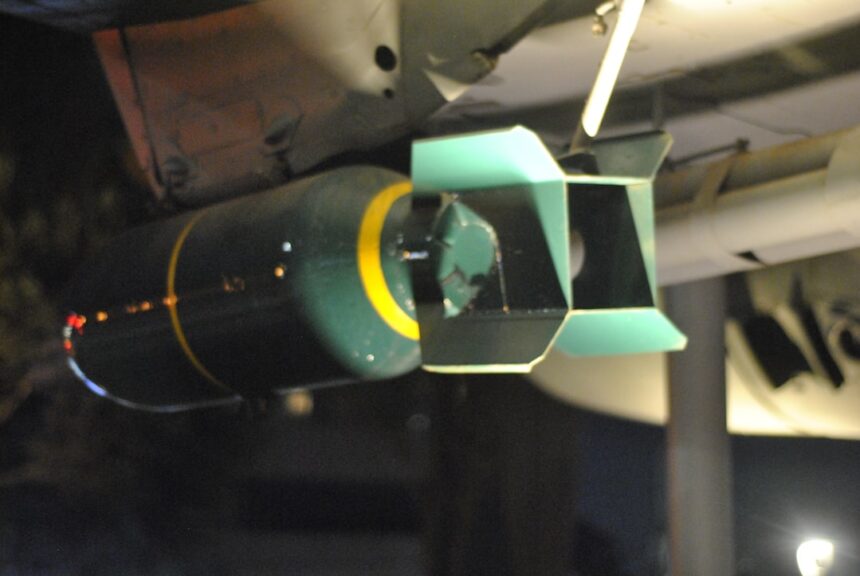
You stand on the deck of a sleek, modern vessel, scanning the horizon. Beneath the waves, an unseen adversary moves. How do you find it? This question, fundamental to naval strategy, has driven an relentless pursuit of technological innovation. For centuries, the deep ocean was a silent world, shielding its secrets and threats. This article will guide you through the intricate evolution of submarine detection technology, a journey from rudimentary observation to sophisticated, multi-layered systems.
Before the advent of dedicated technology, detecting submerged threats was a matter of chance and limited sensory input. You were largely blind in this aquatic realm.
Visual and Acoustic Scrutiny
In the early days of submarine warfare, specifically during the American Civil War, where rudimentary submersibles made their first menacing appearances, detection relied heavily on human observation. Imagine yourself on a patrol boat, your eyes meticulously scanning the water’s surface for tell-tale signs. A periscope breaking the surface, an unusual ripple, a puff of smoke from an early engine – these were the primary indicators. Even during World War I, the infamous U-boat campaigns highlighted the limitations of this approach. Spotting a submerged, low-profile craft in the vast expanse of the ocean was akin to finding a needle in a haystack, a monumental task often determined by luck or opportune positioning.
Accidental acoustic signatures also played a minor role. The internal combustion engines of early submarines, while quieter than surface ships, still produced some noise. Crew members on other vessels might occasionally report hearing unusual mechanical sounds travelling through the hull, though pinpointing the source or even confirming its nature was exceptionally difficult. This rudimentary acoustic effort was more anecdotal than systematic, lacking any dedicated equipment.
Early Countermeasures and Their Shortcomings
The initial responses to the perceived threat were equally unsophisticated. Nets, booms, and mined barriers were deployed in attempts to physically impede or destroy submarines. You might envision a protective spiderweb across a vital channel, designed to ensnare any intruding submersible. While these had some limited success in confined waters, they offered no real-time detection capability and were easily circumvented in open ocean environments. These were reactive defenses, not proactive detection tools.
The history of submarine detection technology is a fascinating journey that highlights the evolution of naval warfare and the continuous advancements in technology. For a deeper understanding of this subject, you can explore the article titled “The Evolution of Submarine Detection: From Sonar to Advanced Sensors” available at In The War Room. This article delves into the various methods developed over the years to detect submarines, including the transition from early sonar systems to modern sophisticated sensor technologies.
The Dawn of Active Sonar: Pinging the Depths
The colossal destruction wrought by U-boats during World War I catalyzed a frantic search for effective detection methods. The ocean, once a silent shield, needed to be made to speak.
Hydrophones: Listening to a Noisy World
The first true breakthrough came with the development of the hydrophone. You can picture it as an underwater ear, designed to pick up sounds travelling through water. Initially, these were simple devices, often a diaphragm connected to an earpiece. Their efficacy was limited by both the ambient noise of the ocean and the inherent quietness of submerged submarines. Imagine trying to hear a whispered conversation in a crowded fairground – that was the challenge.
The evolution of hydrophones involved improving sensitivity and directionality. By arranging multiple hydrophones into arrays, investigators could attempt to triangulate the source of a sound, offering a rudimentary bearing. This marked a crucial shift from passive, accidental listening to deliberate, albeit still limited, auditory surveillance. However, the submarine remained a ghost, its exact position a frustrating mystery.
ASDIC and SONAR: The Echoes of Discovery
The interwar period witnessed the birth of true active detection. British engineers developed “ASDIC” (Anti-Submarine Detection Investigation Committee), a system that transmitted sound pulses and listened for their echoes. In the United States, similar technology was developed and christened “SONAR” (Sound Navigation And Ranging). You are now an active participant, sending out a vocal probe into the darkness and awaiting a reply.
The principle is straightforward: a transducer emits a powerful sound pulse (a “ping”) into the water. If this pulse encounters an object, a portion of the sound energy is reflected back as an echo. By measuring the time it takes for the echo to return and knowing the speed of sound in water, the range to the object can be calculated. The direction from which the echo originates provides a bearing.
Early ASDIC/SONAR systems were rudimentary. Their transducers were often cumbersome, and the interpretation of the echoes required skilled operators. The ocean, far from being a uniform medium, presented challenges with varying water temperatures and salinities creating thermal layers that could bend or absorb sound waves, creating acoustic “shadows” where submarines could hide. You could ping all you wanted, but if the sound wave was bent away, your target remained invisible.
The World War II Explosion: Necessity as the Mother of Invention

World War II pushed the boundaries of sonar technology. The battle for the Atlantic was a race between the U-boat’s stealth and the Allies’ ability to find and destroy them.
Improving Sonar Performance
Operational experience quickly highlighted the need for improvements. Transducer design became more sophisticated, allowing for more powerful and directional sound pulses. Display technologies, moving from simple headphones to cathode ray tube (CRT) screens, provided a visual representation of echoes, allowing operators to track contacts more effectively. You could now see the “blip” on the screen, a beacon of potential contact.
Crucially, the understanding of underwater acoustics deepened. Scientists began to map the complexities of sound propagation in the ocean, identifying the thermal layers and salinity gradients that created acoustic lenses and mirrors, influencing how sound travelled. This knowledge allowed operators to predict where submarines might hide and to adjust their sonar settings accordingly.
Passive Sonar and Hydrophone Arrays
While active sonar revealed an object’s presence, it also revealed the emitter’s position. This disadvantage spurred the development of more advanced passive sonar systems. Instead of broadcasting sound, passive sonar purely listens for sounds generated by the submarine itself: its engines, propellers, and even the sounds of its crew.
Hydrophone arrays became larger and more sensitive, designed to pick up faint acoustic signatures from great distances. These arrays, sometimes towable, provided a much larger acoustic “net.” The advent of noise reduction techniques for submarines was simultaneously pushing engineers to create even more sensitive listening devices. It became an acoustic arms race, each side attempting to be both quieter and better at listening.
The Cold War Chessboard: The Silent Duel
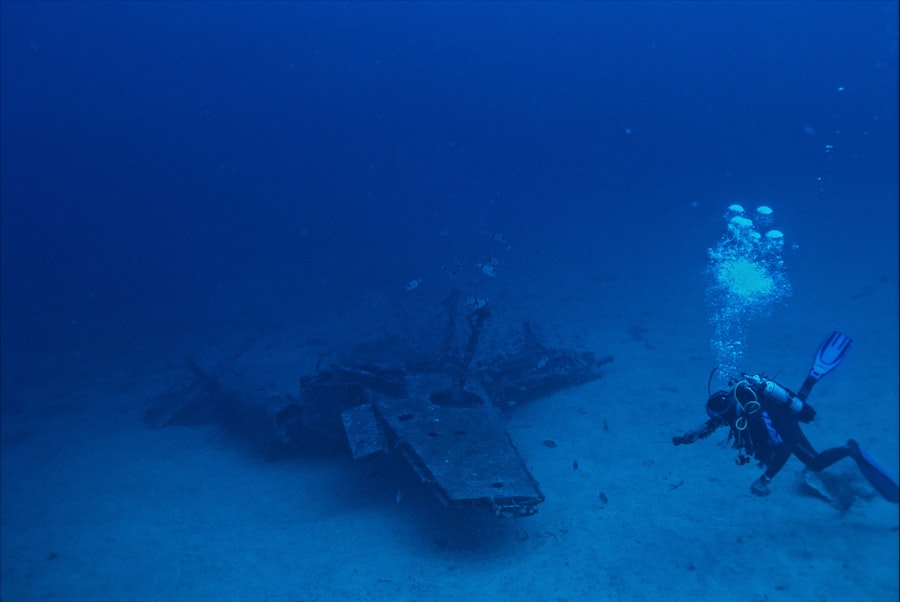
The Cold War ushered in an era of unprecedented submarine development, particularly nuclear submarines capable of extended submerged operations. This presented a formidable challenge, elevating submarine detection from wartime necessity to strategic imperative.
Sonar Evolution: Bigger, Better, More Complex
Active sonar continued to improve. Low-frequency active sonar (LFAS) emerged, capable of propagating sound over much greater distances than its higher-frequency predecessors. However, LFAS also carried the controversial potential for impacting marine life due to its powerful sound emissions.
Passive sonar underwent a revolutionary transformation. Fixed undersea surveillance systems, like the SOSUS (Sound Surveillance System) arrays, were deployed on the ocean floor. These vast networks of interconnected hydrophones listened continuously for the faint signatures of Soviet submarines, creating an underwater tripwire. You can imagine these as enormous, unblinking ears, distributed across key oceanic choke points, patiently waiting for a whisper in the deep.
The development of advanced signal processing techniques was crucial. Computers were leveraged to filter out environmental noise, analyze complex acoustic signatures, and even identify specific submarine classes based on their unique acoustic “fingerprints.” This was no longer just about hearing a noise; it was about understanding its specific origin and nature.
Non-Acoustic Detection Methods
The limitations of sonar, primarily its susceptibility to environmental factors and the continuing improvements in submarine stealth, drove the exploration of non-acoustic detection methods.
Magnetic Anomaly Detection (MAD)
Submarines, being large metallic objects, disturb the Earth’s magnetic field. MAD systems, typically deployed on aircraft or helicopters, measure these subtle distortions. As an aircraft flies overhead, a magnetometer trails beneath it like a sensitive metal detector. A sudden change in the magnetic field indicated the potential presence of a submerged submarine. While effective, MAD has a very limited range, meaning the aircraft needs to be almost directly above the submarine. It’s like searching for a specific coin by waving a hand over a vast field.
Infrared and Radar
While less effective for fully submerged submarines, infrared detection (for detecting wake turbulence or faint heat signatures on the surface) and radar (for detecting periscopes or snorting masts) played ancillary roles, particularly when submarines were operating at periscope depth or on the surface. These were tools for catching a momentary glimpse of an otherwise invisible foe.
The history of submarine detection technology is a fascinating journey that highlights the evolution of naval warfare and the constant race between concealment and detection. For those interested in exploring this topic further, a related article provides an in-depth analysis of the advancements in sonar systems and their impact on modern naval strategies. You can read more about it in this insightful piece on submarine detection technology. This article delves into the challenges faced by navies around the world and the innovative solutions developed to overcome them.
The Modern Era: The Multi-Layered Approach
| Year | Technology | Description | Significance |
|---|---|---|---|
| 1914 | Hydrophones | Early passive listening devices used to detect submarine propeller noises. | First practical underwater listening technology used in WWI. |
| 1918 | ASDIC (Sonar) | Active sonar system emitting sound pulses and detecting echoes from submarines. | Revolutionized submarine detection during WWII. |
| 1940s | Magnetic Anomaly Detectors (MAD) | Devices detecting disturbances in Earth’s magnetic field caused by submarines. | Enhanced detection from aircraft and ships. |
| 1950s | Sonobuoys | Deployable sonar devices dropped from aircraft to detect submarines underwater. | Extended detection range and flexibility in anti-submarine warfare. |
| 1960s | Passive Acoustic Arrays | Networks of hydrophones to detect and track submarines by their noise signatures. | Improved long-range submarine tracking capabilities. |
| 1970s | Low Frequency Active Sonar (LFAS) | Sonar using low frequency sound waves to detect quiet submarines at greater distances. | Countered advances in submarine stealth technology. |
| 1990s | Satellite Ocean Surveillance | Use of satellites to detect submarine wakes and disturbances on the ocean surface. | Added a new dimension to submarine detection beyond sonar. |
| 2000s | Unmanned Underwater Vehicles (UUVs) | Autonomous underwater drones equipped with sensors for submarine detection. | Increased persistence and coverage in anti-submarine operations. |
| 2010s | Advanced Signal Processing & AI | Use of machine learning to analyze acoustic data and improve detection accuracy. | Enhanced ability to distinguish submarines from background noise. |
Today, submarine detection is a sophisticated, multi-layered endeavor, a complex tapestry woven from diverse technologies and vast amounts of data. You are no longer relying on a single sense but an entire sensory suite.
Integrated Sensor Networks
No single sensor provides a complete picture. Modern systems integrate data from active sonar, passive sonar arrays (both fixed and towed), MAD, and even satellite imagery. This fusion of information creates a more comprehensive and robust understanding of the underwater environment. Imagine multiple independent witnesses providing their accounts, which are then combined to form a coherent narrative.
Unmanned underwater vehicles (UUVs) and unmanned surface vehicles (USVs) are increasingly being employed as mobile sensor platforms, extending the reach and persistence of detection efforts. These autonomous agents act as tireless sentinels, able to patrol vast areas for extended periods.
Data Analytics and Artificial Intelligence
The sheer volume of data generated by modern sensors is immense. This has led to the crucial role of advanced data analytics and artificial intelligence (AI). AI algorithms are trained to recognize subtle patterns in acoustic data that might escape human ears, to predict submarine behavior, and to optimize sensor deployment. AI can process information at speeds and scales impossible for human operators, turning raw data into actionable intelligence. This is where computational power becomes an extension of human intuition.
The Ever-Present Challenge of Stealth
Despite all these advancements, the cat-and-mouse game continues. Submarine designers consistently strive for greater stealth, developing quieter propulsion systems, anechoic coatings to absorb sonar pings, and sophisticated countermeasures to deceive detection systems. The ocean remains a vast and complex medium, offering endless opportunities for concealment. The technological arms race between detection and stealth is a continuous cycle of innovation, pushing both sides to ever greater levels of sophistication. The quest to pierce the ocean’s veil continues, silent and relentless.
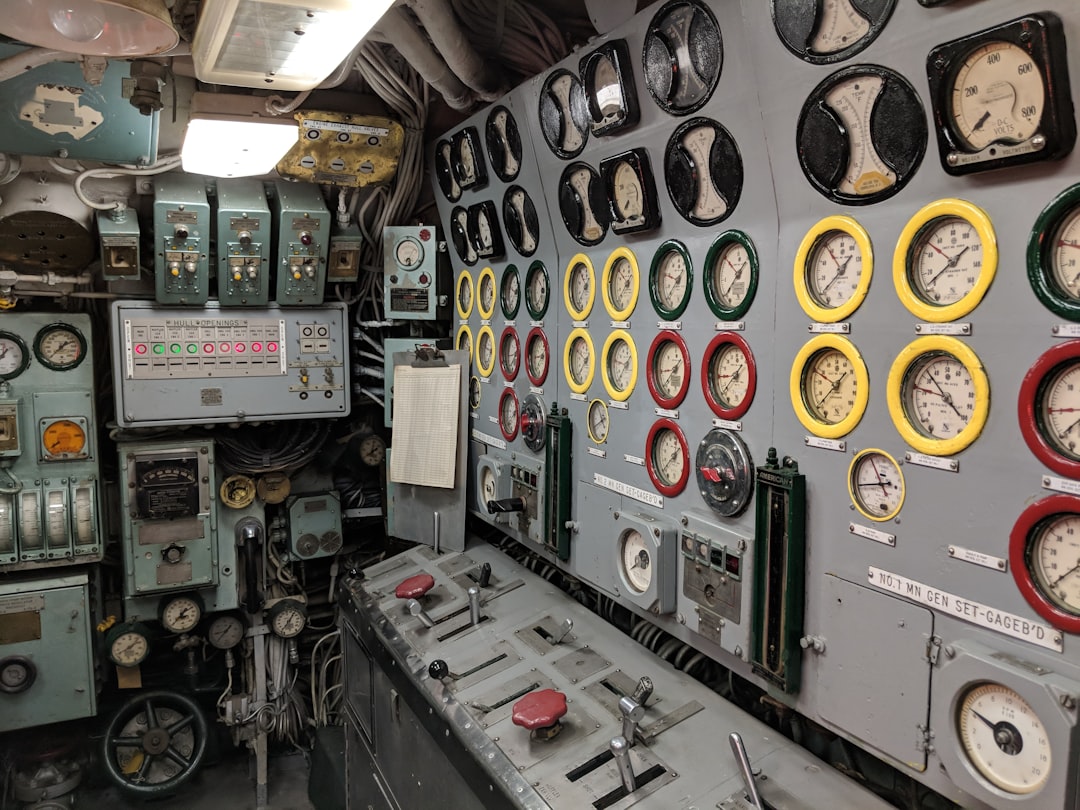
WATCH NOW▶️ Submarine detection technology history
FAQs
What is submarine detection technology?
Submarine detection technology refers to the various methods and tools used to locate and track submarines underwater. These technologies include sonar systems, magnetic anomaly detectors, and underwater surveillance networks.
When did submarine detection technology first develop?
Submarine detection technology began to develop during World War I, as navies sought ways to counter the threat posed by enemy submarines. Early methods included passive listening devices and hydrophones.
How has sonar technology evolved in submarine detection?
Sonar technology has evolved from simple passive listening devices to advanced active sonar systems that emit sound pulses and analyze their echoes. Modern sonar can detect submarines at greater distances and with higher accuracy.
What role did World War II play in advancing submarine detection technology?
World War II significantly accelerated the development of submarine detection technology. Innovations such as improved sonar, radar, and the use of aircraft for anti-submarine warfare enhanced detection capabilities.
What are some modern methods used in submarine detection today?
Modern submarine detection methods include advanced active and passive sonar arrays, magnetic anomaly detectors, underwater drones, satellite surveillance, and integrated sensor networks that provide real-time tracking of submarine movements.