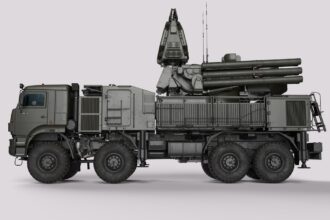
During the Cold War, the Arctic emerged as a critical theater of geopolitical tension between the United States and the Soviet Union. Its strategic importance was underscored by its geographical positioning, which provided both superpowers with a vantage point for military operations and surveillance. The Arctic served as a potential launch pad for nuclear missiles, with the vast expanses of ice and ocean acting as a buffer zone that could be exploited for military advantage.
The region’s remoteness also made it an ideal location for testing new technologies and conducting covert operations, further heightening its significance in the eyes of military strategists. Moreover, the Arctic’s natural resources added another layer of complexity to its strategic importance. As both nations sought to secure access to oil, gas, and minerals, the region became a focal point for resource competition.
The melting ice caps, a consequence of climate change, began to reveal previously inaccessible areas rich in natural resources, prompting both superpowers to consider the long-term implications of their Arctic policies. This interplay of military strategy and resource acquisition set the stage for a multifaceted rivalry that would shape Arctic geopolitics for decades.
The competition for Arctic supremacy between the United States and the Soviet Union was characterized by a series of strategic maneuvers and military posturing. Both nations recognized that control over Arctic territories could provide significant advantages in terms of military logistics and resource exploitation. The U.S. established a network of air bases and radar installations in Alaska, while the Soviets expanded their presence in the northern regions, including the establishment of bases on various islands in the Arctic Ocean. This race was not merely about territorial claims; it was also about demonstrating technological prowess and military capability. As tensions escalated, both superpowers engaged in a series of provocative actions that underscored their commitment to asserting dominance in the Arctic. The U.S. conducted aerial reconnaissance missions over Soviet territory, while the Soviets responded with their own military exercises designed to showcase their capabilities. This tit-for-tat approach created an atmosphere of suspicion and hostility, with each side viewing the other’s actions through a lens of paranoia. The Arctic became a stage for showcasing military might, with both nations eager to demonstrate their readiness to defend their interests in this strategically vital region.
Key Takeaways
- The Arctic played a crucial strategic role during the Cold War, serving as a potential battleground and a key area for surveillance and intelligence gathering.
- The United States and the Soviet Union engaged in a race for Arctic supremacy, leading to the establishment of secret military installations and the deployment of advanced surveillance technology in the region.
- The Arctic was home to numerous secret military installations, including radar stations, airfields, and submarine bases, which played a significant role in Cold War military operations.
- Arctic surveillance was a critical component of Cold War intelligence, providing valuable information on enemy movements, military activities, and potential threats.
- Cold War activities in the Arctic had a significant environmental impact, including nuclear testing, chemical spills, and the release of hazardous materials, leading to long-lasting ecological consequences.
Secret Military Installations in the Arctic
The establishment of secret military installations in the Arctic was a hallmark of Cold War strategy for both the United States and the Soviet Union. These installations were often shrouded in secrecy, designed to support intelligence operations and military readiness without drawing attention from adversaries. The U.S. built several bases in Alaska, including Thule Air Base in Greenland, which served as a critical site for early warning radar systems aimed at detecting incoming Soviet missile threats. These bases were equipped with advanced technology and personnel trained to respond to potential conflicts. On the Soviet side, numerous installations were constructed along the northern coast and on various islands within the Arctic Circle. These bases were strategically located to monitor U.S. activities and to project power into the North Atlantic. The secrecy surrounding these installations often led to speculation and intrigue, as intelligence agencies sought to uncover the extent of each other’s capabilities. The hidden nature of these military assets contributed to an atmosphere of uncertainty, where both sides were acutely aware that any miscalculation could lead to catastrophic consequences.
The Role of Arctic Surveillance in Cold War Intelligence
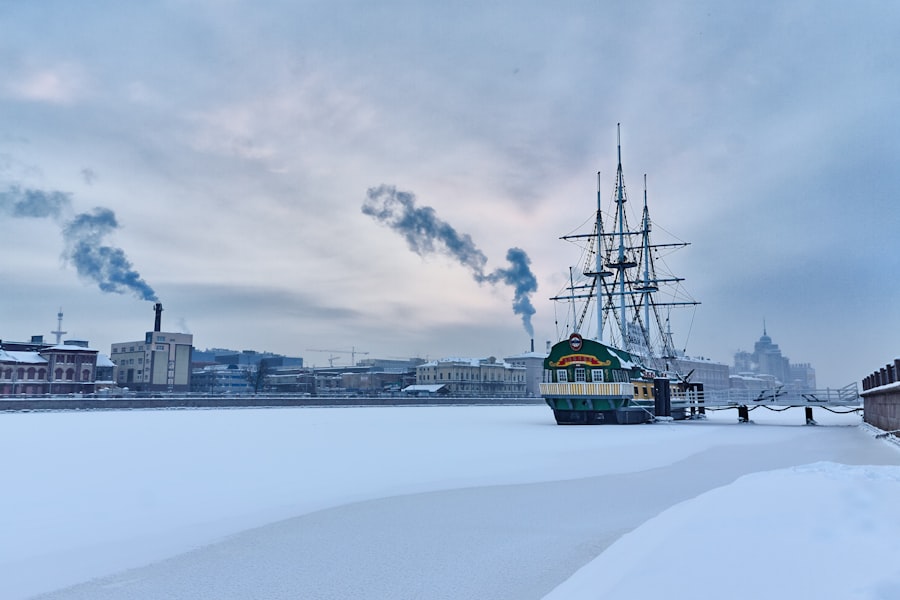
Arctic surveillance played a pivotal role in Cold War intelligence operations, as both superpowers sought to gather information on each other’s military capabilities and intentions. The vast, icy expanses of the Arctic provided unique challenges for surveillance efforts, but advancements in technology allowed for innovative solutions. Satellites equipped with reconnaissance capabilities became essential tools for monitoring troop movements and detecting missile launches.
The U.S. and Soviet Union invested heavily in satellite technology, recognizing that control over space would translate into an advantage on Earth. In addition to satellite surveillance, both nations employed aircraft for reconnaissance missions over Arctic territories.
High-altitude flights allowed intelligence agencies to gather visual data on military installations and troop deployments. These missions were fraught with risk, as they often ventured into hostile airspace where interception by enemy aircraft was a constant threat. The information gleaned from these surveillance efforts was crucial for shaping military strategies and informing policymakers about potential threats, making Arctic surveillance an indispensable component of Cold War intelligence operations.
Environmental Impact of Cold War Activities in the Arctic
| Activity | Environmental Impact |
|---|---|
| Nuclear testing | Radioactive contamination of soil and water |
| Naval operations | Oil spills, disturbance of marine life |
| Industrial pollution | Chemical contamination of air and water |
| Waste disposal | Accumulation of hazardous materials |
The Cold War activities in the Arctic left a lasting environmental impact that continues to be felt today. The establishment of military bases and testing sites led to significant ecological disruption, as construction activities altered landscapes and ecosystems. Oil spills, waste disposal, and other forms of pollution became common consequences of military operations in this fragile environment.
The use of heavy machinery and infrastructure development not only affected local wildlife but also contributed to long-term changes in the region’s climate patterns. Furthermore, nuclear testing conducted by both superpowers had dire implications for the Arctic environment. The fallout from these tests contaminated land and water sources, posing risks to both human health and wildlife populations.
As awareness of environmental issues grew in subsequent decades, the legacy of Cold War activities became a focal point for discussions about responsible stewardship of the Arctic region. Today, there is a heightened emphasis on balancing national security interests with environmental protection, reflecting lessons learned from past actions during this tumultuous period.
Cold War Arctic Espionage: Spies and Subterfuge
Espionage played a crucial role in the Cold War dynamics within the Arctic region, as both superpowers deployed spies and covert operatives to gather intelligence on each other’s activities. The harsh conditions of the Arctic presented unique challenges for espionage efforts; however, these challenges were often met with creativity and determination. Agents were trained to navigate the treacherous terrain while remaining undetected, utilizing local knowledge and resources to their advantage.
The use of submarines for clandestine operations became particularly prominent during this period. Both nations deployed submarines capable of operating under ice cover, allowing them to conduct surveillance missions without revealing their presence. These underwater vessels were equipped with advanced technology designed to intercept communications and gather intelligence on enemy movements.
The intricate web of espionage that unfolded in the Arctic underscored the lengths to which both superpowers would go to secure an advantage over one another.
The Arctic as a Testing Ground for Cold War Weaponry
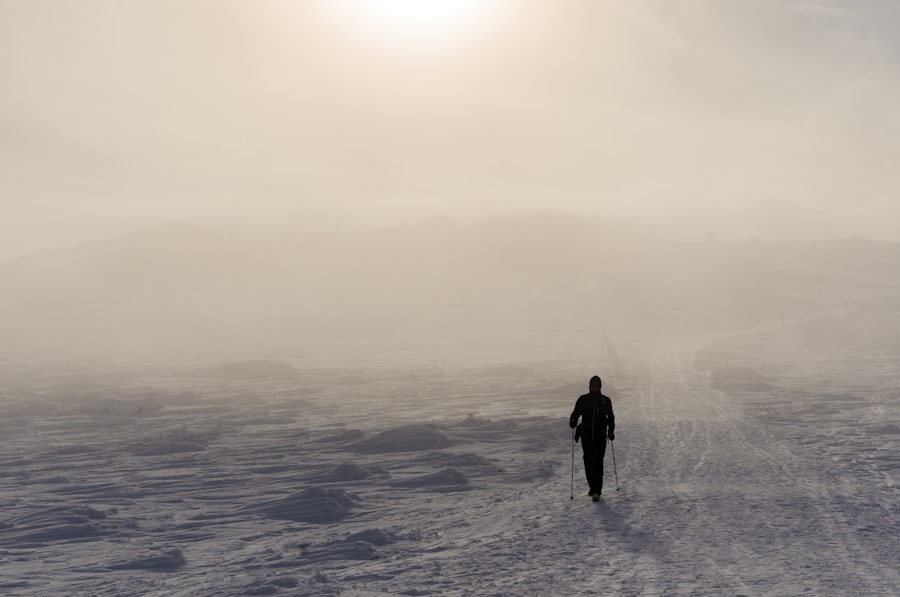
The Arctic served as an expansive testing ground for various weaponry during the Cold War, with both superpowers conducting experiments that would shape military capabilities for years to come. From missile tests to nuclear detonations, the region’s remote locations provided an ideal backdrop for evaluating new technologies without immediate risk to civilian populations. The U.S., for instance, conducted numerous tests involving intercontinental ballistic missiles (ICBMs) launched from sites in Alaska.
Similarly, the Soviet Union utilized its northern territories for testing advanced weaponry, including nuclear submarines and missile systems designed for deployment in polar conditions. These tests not only demonstrated technological advancements but also served as a means of signaling military strength to adversaries. The results of these experiments influenced military strategies on both sides, as each nation sought to develop capabilities that could counteract perceived threats from the other.
The Arctic’s Role in Cold War Diplomacy and Negotiations
Despite its reputation as a battleground for military competition, the Arctic also played a significant role in Cold War diplomacy and negotiations. Both superpowers recognized that maintaining stability in this strategically important region was essential for global security. Diplomatic efforts were made to establish frameworks for cooperation, particularly concerning issues such as fishing rights, navigation routes, and environmental protection.
The establishment of treaties like the Arctic Environmental Protection Strategy highlighted a growing awareness of shared interests among Arctic nations.
While tensions remained high during much of the Cold War, these diplomatic initiatives underscored a recognition that cooperation could yield benefits even amidst rivalry.
The Legacy of Cold War Activities in the Arctic Today
The legacy of Cold War activities in the Arctic continues to shape contemporary geopolitics and environmental policies in the region. Many former military installations have been repurposed or abandoned, leaving behind remnants that serve as reminders of past tensions. Additionally, environmental degradation resulting from Cold War-era operations has prompted renewed efforts toward restoration and conservation.
Today’s geopolitical landscape is marked by renewed interest in Arctic resources due to climate change-induced melting ice caps. Nations are increasingly vying for access to oil reserves and shipping routes that were previously inaccessible. This competition echoes past rivalries but is now framed within a context that emphasizes international cooperation and sustainable development.
The Arctic’s Influence on Cold War Strategy and Military Policy
The strategic considerations surrounding the Arctic significantly influenced Cold War military policy on both sides.
The harsh climate necessitated specialized training for troops deployed in Arctic conditions, leading to innovations in cold-weather gear and tactics.
Moreover, the lessons learned from Cold War experiences continue to inform contemporary military strategies regarding Arctic operations. As nations reassess their defense postures in light of changing geopolitical dynamics, understanding past strategies becomes essential for navigating future challenges in this increasingly contested region.
Uncovering Cold War Arctic Secrets: Recent Discoveries and Revelations
Recent discoveries have shed new light on Cold War activities in the Arctic, revealing previously classified information about military operations and espionage efforts during this period. Declassified documents have provided insights into the extent of surveillance programs and military installations established by both superpowers. These revelations have sparked renewed interest among historians and researchers seeking to understand how these activities shaped contemporary geopolitics.
Additionally, advancements in technology have enabled researchers to explore previously inaccessible areas of the Arctic, uncovering artifacts and remnants from Cold War-era operations. These findings not only contribute to historical knowledge but also serve as cautionary tales about the environmental consequences of militarization in fragile ecosystems. As new information continues to emerge, it becomes increasingly clear that understanding the past is essential for addressing present-day challenges in this strategically significant region.
In the quest to uncover the Cold War Arctic secret, one can gain further insights by exploring related articles that delve into the geopolitical tensions of that era. A particularly informative resource is available at In the War Room, which provides a comprehensive analysis of the strategic maneuvers and covert operations that took place in the Arctic region during the Cold War. This article sheds light on the significance of the Arctic in the broader context of international relations and military strategy during a time of heightened rivalry.
WATCH THIS! Inside Iceworm: America’s Secret Nuclear City Built Under Greenland
FAQs
What was the Cold War Arctic secret?
The Cold War Arctic secret refers to the extensive military activities and operations that took place in the Arctic region during the Cold War era, particularly by the United States and the Soviet Union.
What were the main activities involved in the Cold War Arctic secret?
The main activities involved in the Cold War Arctic secret included the construction of military bases, deployment of nuclear submarines, and reconnaissance missions to monitor each other’s activities in the region.
Why was the Arctic region significant during the Cold War?
The Arctic region was significant during the Cold War due to its strategic location and potential as a battleground for military operations between the United States and the Soviet Union. It also offered a potential route for launching nuclear strikes.
How did the Cold War Arctic secret impact the environment?
The extensive military activities in the Arctic region during the Cold War had a significant impact on the environment, including nuclear waste disposal, oil spills, and disruption of local ecosystems.
What are some of the key discoveries made about the Cold War Arctic secret?
Some key discoveries about the Cold War Arctic secret include the extent of military infrastructure built by both the United States and the Soviet Union, as well as the environmental consequences of their activities in the region.
How has the Cold War Arctic secret influenced current geopolitical dynamics?
The legacy of the Cold War Arctic secret continues to influence current geopolitical dynamics, particularly in terms of territorial disputes, resource extraction, and military presence in the Arctic region.