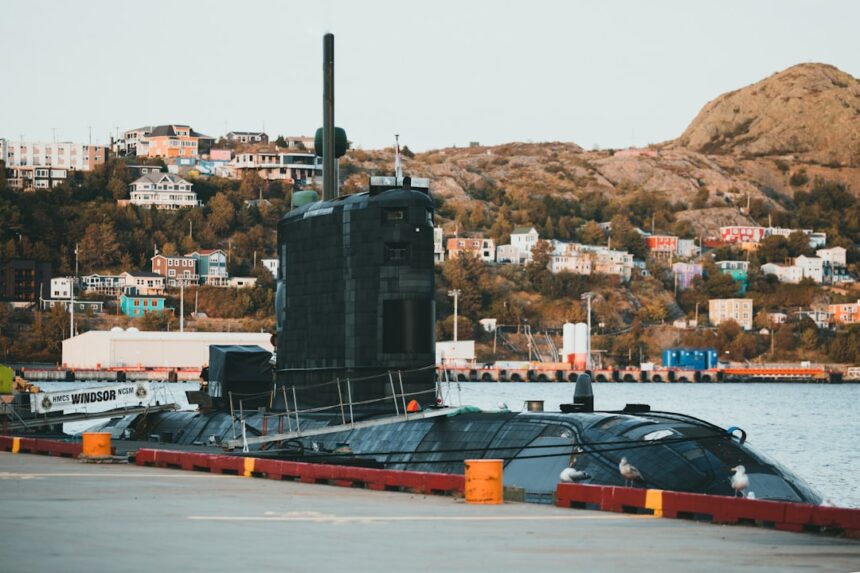
The intricate world of submarine warfare has long been a focal point of naval strategy, particularly during the Cold War era. Among the various nations engaged in this silent battle beneath the waves, the Soviet Union developed a sophisticated array of tactics for tracking submarines. These tactics were not merely a product of technological advancement; they were also a reflection of the geopolitical climate of the time.
The Soviet Navy recognized that effective submarine tracking was essential for maintaining a strategic advantage over adversaries, particularly the United States and its NATO allies. As a result, they invested heavily in both technology and training to enhance their capabilities in this domain. Soviet submarine tracking tactics encompassed a range of methodologies, from the use of advanced sonar systems to the deployment of hydrophones and other listening devices.
The emphasis on stealth and detection was paramount, as submarines operated in an environment where silence was often their greatest ally. The Soviet approach was characterized by a blend of passive and active techniques, allowing them to adapt to various operational scenarios.
Key Takeaways
- Soviet submarine tracking relied heavily on advanced sonar and hydrophone technologies.
- Both passive and active sonar techniques were integral to detecting enemy submarines.
- Towed array sonar systems enhanced long-range submarine detection capabilities.
- Western navies faced significant challenges countering Soviet tracking tactics during the Cold War.
- Modern naval operations continue to evolve based on advancements from Soviet submarine tracking methods.
The Role of Sonar in Soviet Submarine Tracking
Sonar, an acronym for Sound Navigation and Ranging, played a pivotal role in the Soviet Union’s submarine tracking efforts. This technology allowed for the detection and identification of underwater objects by emitting sound waves and analyzing their echoes. The Soviets developed both active and passive sonar systems, each serving distinct purposes in their tracking operations.
Active sonar involved sending out sound pulses and listening for their reflections, while passive sonar relied on listening for sounds emitted by submarines themselves, such as engine noise or propeller cavitation. The effectiveness of sonar technology in submarine tracking cannot be overstated. The Soviets utilized advanced sonar arrays that could detect submarines at considerable distances, providing them with critical information about enemy movements.
These systems were often integrated into larger naval operations, allowing for coordinated tracking efforts across multiple platforms. The ability to gather real-time data on submarine locations significantly enhanced the Soviet Navy’s situational awareness and operational readiness.
Utilization of Hydrophones in Soviet Submarine Tracking
Hydrophones, specialized underwater microphones, were another cornerstone of Soviet submarine tracking tactics. These devices were strategically deployed in various locations to create a network of listening posts capable of monitoring submarine activity across vast oceanic expanses. The Soviets recognized that hydrophones could provide invaluable intelligence without revealing their own positions, making them an ideal tool for covert operations.
The deployment of hydrophone arrays allowed the Soviet Navy to maintain continuous surveillance over key maritime routes. By analyzing the sounds captured by these devices, naval analysts could discern patterns in submarine movements and identify potential threats. This capability was particularly crucial during periods of heightened tension, as it enabled the Soviets to respond swiftly to any perceived incursions by enemy submarines.
The integration of hydrophones into their overall tracking strategy exemplified the Soviet commitment to leveraging technology for strategic advantage.
Passive and Active Sonar Techniques
The distinction between passive and active sonar techniques was fundamental to the Soviet approach to submarine tracking. Passive sonar systems were designed to listen for sounds generated by submarines without emitting any signals themselves. This stealthy method allowed for prolonged monitoring without alerting enemy vessels to their presence.
The Soviets excelled in developing sophisticated passive sonar technologies that could detect even the faintest sounds produced by submarines, such as machinery noise or hull vibrations. In contrast, active sonar techniques involved sending out sound waves and analyzing their echoes to locate submarines. While this method provided more precise information about an object’s location, it also risked revealing the position of the vessel using it.
The Soviets employed active sonar judiciously, often using it in conjunction with passive systems to create a comprehensive picture of underwater activity. This dual approach allowed them to balance the need for accurate tracking with the imperative of maintaining operational secrecy.
The Use of Towed Array Sonar Systems
| Metric | Description | Typical Values | Notes |
|---|---|---|---|
| Detection Range | Maximum distance at which a Soviet submarine could detect an enemy submarine using passive sonar | 5-15 nautical miles | Varied by ocean conditions and submarine class |
| Tracking Duration | Average time a Soviet submarine could maintain contact with a target submarine | Several hours to days | Dependent on noise levels and target maneuvers |
| Sonar Frequency | Frequency range used in passive sonar systems for tracking | Low frequency (100 Hz – 1 kHz) | Lower frequencies allowed longer detection ranges |
| Number of Tracking Submarines | Typical number of Soviet submarines assigned to track a single NATO submarine | 2-4 submarines | Used to triangulate position and maintain continuous contact |
| Communication Method | Means of communication between tracking submarines and command | Very Low Frequency (VLF) radio | Allowed communication while submerged at shallow depths |
| Counter-Detection Tactics | Techniques used to avoid detection by enemy sonar | Silent running, speed reduction, depth changes | Essential to maintain stealth during tracking operations |
Towed array sonar systems represented a significant advancement in Soviet submarine tracking capabilities. These systems consisted of long cables equipped with multiple hydrophones that could be deployed behind a vessel, allowing for enhanced detection capabilities over a wide area. The advantage of towed arrays lay in their ability to capture sound from various angles, improving the chances of detecting submarines operating at different depths and distances.
The Soviets recognized the strategic value of towed array systems during naval operations. By utilizing these advanced technologies, they could maintain a persistent surveillance capability while minimizing the risk of detection by enemy submarines. Towed arrays became an integral part of Soviet naval doctrine, enabling them to track submarines more effectively and respond to threats with greater precision.
This innovation underscored the importance of technological advancement in shaping naval warfare strategies.
Soviet Submarine Tracking Tactics in Cold War Era
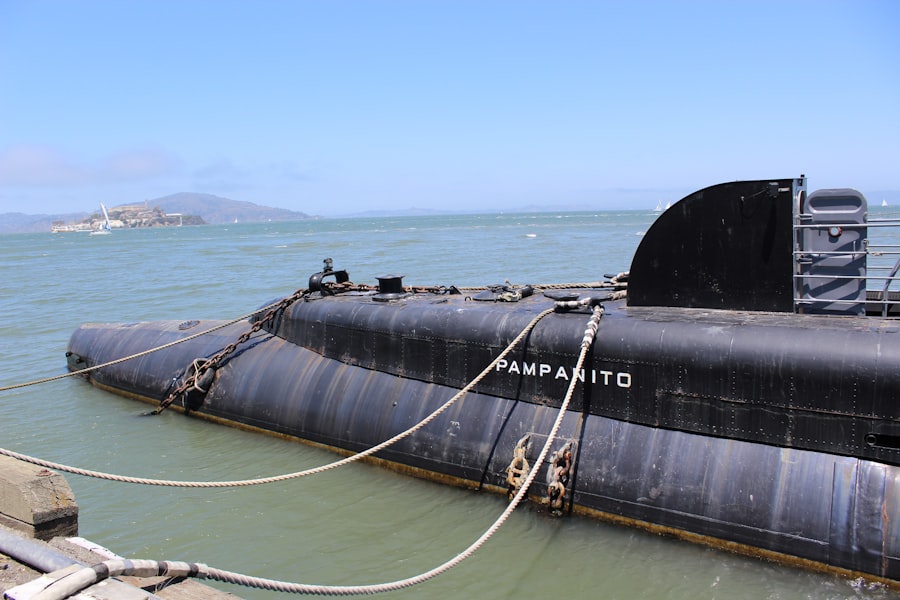
During the Cold War, the stakes were high as both superpowers sought to assert dominance over the world’s oceans. The Soviet Union’s submarine tracking tactics evolved significantly during this period, driven by advancements in technology and an ever-changing geopolitical landscape. The emphasis on stealth and detection became paramount as both sides engaged in a cat-and-mouse game beneath the waves.
Soviet submarines were often deployed in strategic locations to monitor NATO naval activities closely. Their tracking tactics included not only advanced sonar systems but also intelligence-gathering operations that involved reconnaissance aircraft and surface vessels. This multi-faceted approach allowed them to create a comprehensive understanding of enemy movements and intentions, enhancing their ability to respond effectively to potential threats.
Advancements in Soviet Submarine Tracking Tactics
As technology progressed throughout the Cold War, so too did Soviet submarine tracking tactics. The introduction of digital signal processing revolutionized sonar capabilities, allowing for more accurate detection and classification of underwater objects. This technological leap enabled Soviet analysts to filter out background noise and focus on relevant signals, significantly improving their tracking efficiency.
Moreover, advancements in computer technology facilitated real-time data analysis and decision-making processes within the Soviet Navy. Commanders could access vast amounts of information quickly, allowing them to make informed decisions regarding submarine deployments and responses to detected threats. These advancements not only enhanced operational effectiveness but also underscored the importance of integrating technology into naval strategy.
Challenges Faced by Western Navies in Countering Soviet Submarine Tracking
The sophistication of Soviet submarine tracking tactics posed significant challenges for Western navies during the Cold War. As the Soviets honed their capabilities, Western forces found themselves grappling with the need to counter these advancements effectively. The ability of Soviet submarines to operate undetected while simultaneously tracking enemy vessels created a precarious balance in naval operations.
Western navies employed various countermeasures, including developing advanced anti-submarine warfare (ASW) technologies and tactics aimed at evading detection by Soviet tracking systems. However, the dynamic nature of underwater warfare meant that both sides were constantly adapting their strategies in response to one another’s innovations. This ongoing technological arms race underscored the complexity of submarine warfare during this era.
Impact of Soviet Submarine Tracking Tactics on Naval Operations
The impact of Soviet submarine tracking tactics on naval operations extended beyond mere detection; it fundamentally altered how naval forces approached maritime strategy. The ability to track enemy submarines effectively allowed the Soviets to project power across vast distances while maintaining a degree of operational security. This capability influenced not only tactical decisions but also broader strategic considerations regarding force deployments and resource allocation.
Furthermore, the psychological aspect of Soviet submarine tracking tactics cannot be overlooked. The knowledge that adversaries were being monitored created an atmosphere of caution among Western naval forces, leading to changes in operational protocols and increased emphasis on stealth and deception measures. This psychological dimension added another layer of complexity to naval engagements during the Cold War.
Modern Applications of Soviet Submarine Tracking Tactics
While the Cold War has ended, many principles underlying Soviet submarine tracking tactics continue to influence modern naval operations. Contemporary navies have adopted various elements from these historical strategies, integrating them into their own approaches to underwater warfare. The advancements made during this period laid the groundwork for current technologies such as advanced sonar systems and underwater surveillance networks.
Moreover, as geopolitical tensions persist in various regions around the world, understanding historical tactics becomes increasingly relevant for modern naval strategists. The lessons learned from Soviet submarine tracking can inform contemporary approaches to countering emerging threats posed by advanced submarine technologies employed by rival nations.
Conclusion and Future Implications of Soviet Submarine Tracking Tactics
In conclusion, Soviet submarine tracking tactics represent a fascinating chapter in the history of naval warfare, characterized by innovation, adaptation, and strategic foresight. The combination of advanced technologies such as sonar and hydrophones with well-coordinated operational strategies allowed the Soviets to maintain a formidable presence beneath the waves during the Cold War era. As modern navies continue to navigate an evolving maritime landscape, the legacy of these tactics remains relevant.
Understanding historical approaches will be crucial for developing effective countermeasures and maintaining maritime security in an increasingly complex global environment. The lessons learned from Soviet submarine tracking tactics will undoubtedly continue to shape naval strategies for years to come, ensuring that this silent battle beneath the waves remains a critical focus for military planners worldwide.
Soviet submarine tracking tactics during the Cold War were a critical aspect of naval warfare, as they involved sophisticated methods to monitor and counteract the movements of enemy submarines. For a deeper understanding of these tactics and their implications, you can read more in the article available at this link. This resource provides valuable insights into the strategies employed by the Soviet Union and the technological advancements that shaped underwater combat during that era.
FAQs
What were Soviet submarine tracking tactics?
Soviet submarine tracking tactics involved a combination of sonar detection, signal intelligence, and coordinated naval operations to locate and monitor enemy submarines, particularly those of NATO forces during the Cold War.
How did the Soviets use sonar in submarine tracking?
The Soviets employed both passive and active sonar systems on their surface ships, submarines, and fixed underwater arrays to detect acoustic signatures of enemy submarines. Passive sonar was primarily used to listen for noise generated by submarine engines and propellers.
What role did signal intelligence play in Soviet submarine tracking?
Signal intelligence (SIGINT) was crucial for intercepting and analyzing communications and electronic emissions from enemy submarines and their support vessels, helping to predict movements and identify locations.
Did the Soviets use any special vessels for tracking submarines?
Yes, the Soviet Navy deployed specialized anti-submarine warfare (ASW) ships and submarines equipped with advanced sonar and tracking equipment designed specifically to detect and follow enemy submarines.
How did the Soviets coordinate their tracking efforts?
Soviet tracking tactics involved coordinated efforts between multiple naval units, including surface ships, submarines, maritime patrol aircraft, and shore-based listening stations, to maintain continuous surveillance and tracking of target submarines.
Were Soviet submarine tracking tactics effective?
Soviet submarine tracking tactics were considered effective during the Cold War, allowing them to monitor NATO submarine movements and maintain strategic awareness, although technological advancements on both sides led to ongoing tactical adaptations.
Did the Soviets use underwater listening stations?
Yes, the Soviets established fixed underwater hydrophone arrays, similar to the U.S. SOSUS system, to detect and track submarines over large ocean areas by capturing low-frequency sounds emitted by submarine activity.
How did Soviet submarine tracking tactics evolve over time?
Soviet tactics evolved with technological advancements, incorporating improved sonar systems, electronic warfare capabilities, and more sophisticated coordination between naval and air assets to enhance detection and tracking accuracy.
What was the strategic importance of Soviet submarine tracking?
Tracking enemy submarines was vital for the Soviet Union to protect its own naval assets, maintain control over strategic maritime areas, and ensure effective countermeasures against potential nuclear threats posed by NATO submarines.
Did the Soviets face challenges in submarine tracking?
Yes, challenges included the quieting technologies of Western submarines, vast ocean areas to monitor, and the need to avoid detection themselves while tracking enemy vessels, which required constant innovation in tactics and technology.