The silent depths of the ocean, once a realm of mystery, are increasingly becoming a stage for intricate technological cat-and-mouse games. Beneath the waves, the cold war between the United States and the Soviet Union played out in a shadow war of submarines, each nation seeking to gain an advantage in understanding the other’s underwater capabilities. Among the most elusive targets were Soviet submarines, their designs, and their operational secrets. One of the most potent tools in this endeavor was the analysis of acoustic fingerprints, a method that allowed naval intelligence to identify and track these silent hunters without ever visually confirming their presence.
The ocean is a noisy place, a vast, dynamic environment filled with a cacophony of natural sounds. From the grinding of tectonic plates to the clicks and whistles of marine life, these sounds form a constant backdrop. However, within this natural symphony, man-made vessels introduce their own distinct melodies. Submarines, with their complex machinery, generate a unique set of sounds that, when meticulously analyzed, can reveal a wealth of information.
The Birth of an Acoustic Signature
Every submarine, regardless of its origin, possesses an individual acoustic fingerprint. This signature is not merely a generic hum; it is a complex combination of sounds generated by numerous internal components, each contributing its unique note to the overall composition.
Propeller Cavitation: The Roar of Movement
Perhaps the most recognizable sound associated with a submarine is the cavitation generated by its propeller. As the propeller blades spin at high speeds, pressure variations occur, causing tiny bubbles of water vapor to form and then collapse. This collapse creates a distinctive popping or crackling sound, and the frequency and intensity of these bubbles are directly related to the propeller’s design, its rotational speed, and the submarine’s speed through the water. Think of it as the rhythmic pulse of the submarine’s heart, a steady beat that betrays its passage.
Machinery Noise: The Internal Orchestra
Beyond the propulsion system, a submarine’s internal machinery creates a broad spectrum of noise. Pumps, generators, ventilation systems, and even the cooling systems all contribute to this sonic landscape. Each of these components has its own operational characteristics, and engineers strive to minimize their acoustic output. However, complete silence is an engineering impossibility, and the residual vibrations and operational sounds are transmitted through the hull and into the surrounding water. This internal orchestra, while often masked by the propeller’s sound, provides crucial clues about the submarine’s type and operational status.
Hydrodynamic Noise: The Flow of Resistance
As a submarine moves through the water, it encounters resistance, generating hydrodynamic noise. This includes the sounds of water flowing over the hull, the rudder, and the sail. The shape of the hull, its surface smoothness, and the speed of the submarine all influence the nature of this noise. It’s akin to the gentle whisper of wind through a dense forest, a subtle but pervasive sound that adds another layer to the acoustic profile.
The Art of Eavesdropping: Hydrophone Networks
To capture these faint whispers from the deep, naval forces deploy extensive networks of hydrophones. These underwater microphones are strategically placed on the seabed, towed by ships, or integrated into the hulls of other submarines. These passive listening devices are the ears of the silent service, meticulously collecting every acoustic event.
Fixed Sonar Arrays: The Anchored Watchdogs
Fixed sonar arrays, anchored to the ocean floor, provide a constant surveillance capability over critical shipping lanes and suspected submarine transit routes. These arrays, often spanning vast distances, act as the sentinels of the underwater world, their sensitive microphones ever-attuned to the faintest disturbance.
Towed Arrays: The Mobile Ears
Towed arrays, deployed from surface ships or submarines, offer greater flexibility and mobility. These long strings of hydrophones can be maneuvered to intercept signals from various directions, allowing for dynamic tracking and identification. Imagine a sophisticated fishing net, but instead of fish, it’s designed to catch sounds.
Integrated Sonar Systems: The Submarine’s Own Larynx
Submarines themselves are equipped with sophisticated sonar systems, both passive and active. While active sonar emits sound pulses to detect objects, passive sonar relies solely on listening. The passive sonar suite on board a submarine is its own set of ears, allowing it to be aware of its surroundings and the presence of other vessels.
In recent discussions about naval warfare and underwater acoustics, the analysis of acoustic fingerprints of Soviet submarines has garnered significant attention. This fascinating topic is explored in detail in a related article that delves into the methods used to identify and track these submarines through their unique sound signatures. For further reading on this subject, you can check out the article here: Acoustic Fingerprints of Soviet Submarines.
Decoding the Soviet Enigma: The Challenge of Soviet Submarines
Soviet submarine design, particularly during the Cold War, presented a unique challenge to Western intelligence. Driven by a perceived need for numerical superiority and armed with different design philosophies, Soviet subs often possessed distinct acoustic characteristics that distinguished them from their Western counterparts.
Design Philosophies and Their Acoustic Manifestations
The Soviet Union’s approach to submarine design often prioritized raw power and offensive capability. This sometimes resulted in designs that, while formidable, were acoustically noisier than Western submarines, which emphasized stealth and quiet operation.
The Delta and Typhoon Classes: Giants of the Ocean
The Soviet Union’s large ballistic missile submarines, such as the Delta and Typhoon classes, were colossal vessels. Their immense size and powerful propulsion systems, while providing significant strategic capabilities, also generated substantial acoustic signatures. The sheer displacement of these giants meant more water displacement and therefore more hydrodynamic noise. Think of the difference between a swift canoe and a large freighter – the latter will always make more of a splash.
Echoes of Innovation: Nuclear vs. Diesel-Electric
The transition from diesel-electric to nuclear power brought significant changes in submarine acoustics. Nuclear submarines, with their continuous power generation, could operate at higher speeds for longer durations, but their reactor machinery also introduced a new set of noise sources. Diesel-electric submarines, while quieter at periscope depth when running on batteries, were significantly noisier when their diesel engines were operating on the surface or snorkeling.
Operational Doctrine and Its Acoustic Footprint
Beyond the vessel’s inherent design, the way a Soviet submarine was operated also influenced its acoustic signature. Aggressive patrol patterns, high-speed transits, or specific training exercises could all create distinctive acoustic events.
The “Wolfpack” Tactic: Coordinated Noise
The Soviet navy sometimes employed “wolfpack” tactics, where multiple submarines operated in close proximity. While this offered tactical advantages, it also meant that a group of submarines operating in concert would produce a more complex and potentially more detectable acoustic environment.
Training and Maneuvers: The Accidental Clues
Routine training exercises, depth changes, and combat maneuvers, while necessary for maintaining operational readiness, inevitably generated sonic events. Analysts would meticulously study these events, looking for patterns that could reveal specific tactics or operational procedures.
The Science of Sound: Acoustic Analysis Techniques
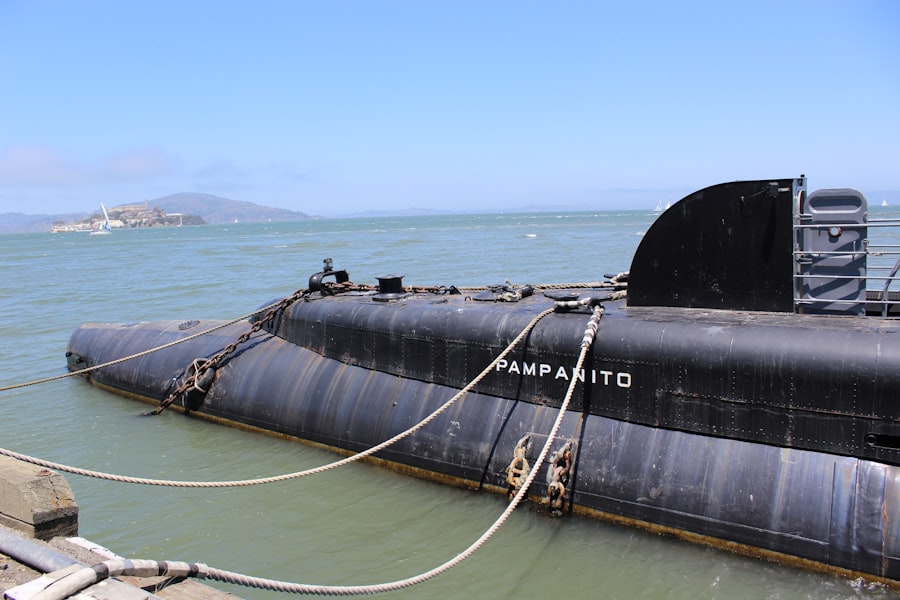
Uncovering Soviet submarine secrets relied heavily on advanced acoustic analysis techniques. These methods transformed raw acoustic data into actionable intelligence, allowing analysts to identify, classify, and track submarines with remarkable precision.
Spectrographic Analysis: The Sonic Kaleidoscope
Spectrographic analysis is a cornerstone of acoustic intelligence. It involves breaking down complex sound signals into their constituent frequencies, revealing the spectral composition of the noise. This process is akin to a musician analyzing a chord, identifying each individual note that makes up the harmony.
Frequency Signatures: Unique Identifications
Each component of a submarine, from the hum of a generator to the whine of a gearbox, produces sound at specific frequencies. By mapping these frequency signatures, analysts could identify the presence of particular types of machinery and, by extension, specific classes of submarines. This becomes a form of sonic fingerprinting, where each frequency band is a unique biometric marker.
Harmonic Overtones: The Subtlety of Sound
Beyond the fundamental frequencies, many sound sources also produce harmonic overtones, which are multiples of the fundamental frequency. These overtones add richness and complexity to the sound and can provide even more granular detail for identification. Imagine the difference between a pure tone and a musical instrument; the overtones are what give the instrument its unique timbre.
Time-Series Analysis: The Rhythm of Detection
Time-series analysis focuses on how acoustic signals change over time. This approach is crucial for understanding the dynamics of a submarine’s operation, such as changes in speed, depth maneuvers, or engine load.
Doppler Shift: Tracking Movement
The Doppler shift, the change in frequency of a sound wave due to the relative motion of the source and observer, is a critical tool for tracking submarines. A submarine moving towards a hydrophone will produce a higher frequency sound, while one moving away will produce a lower frequency. This fundamental principle of physics becomes the engine that drives the tracking process, providing continuous updates on a submarine’s position and course.
Signal Degradation and Enhancement: Cutting Through the Noise
Ocean acoustics are not a pristine medium. Sound can be distorted, attenuated, and masked by environmental noise. Advanced signal processing techniques are employed to filter out unwanted noise and enhance the faint acoustic signatures of submarines. This is like trying to hear a whisper in a crowded room; sophisticated techniques are needed to isolate and amplify that faint sound.
Building the Database: Acoustic Libraries and Machine Learning
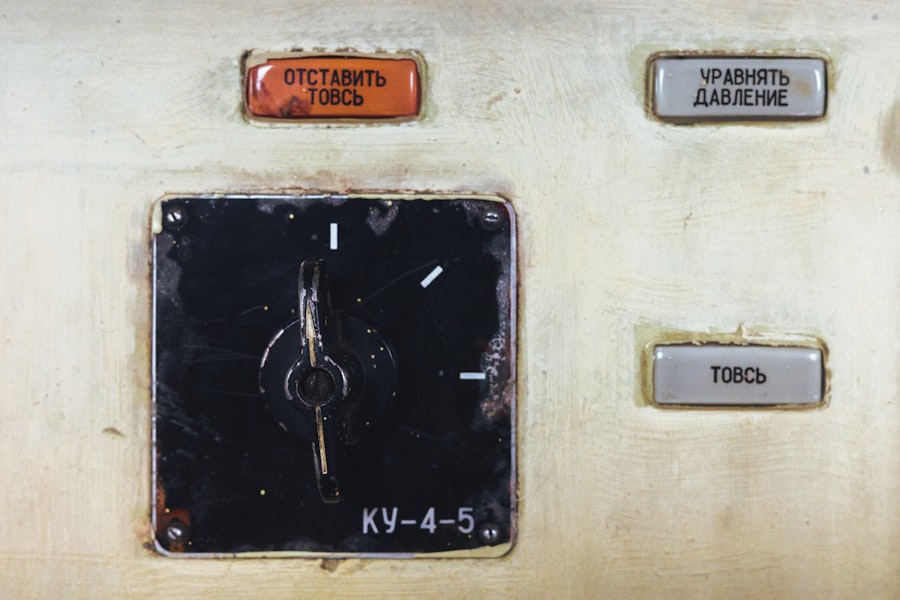
The effectiveness of acoustic analysis hinges on the availability of comprehensive data. Naval intelligence agencies meticulously built vast databases of known submarine sounds, creating a library of acoustic fingerprints.
The “Knowns” of the Ocean: Establishing Baselines
During the Cold War, Western navies worked tirelessly to obtain acoustic data from Soviet submarines. This included analyzing captured equipment, observing submarine exercises, and even intercepting test transmissions. These efforts were like piecing together a complex jigsaw puzzle, with each acquired sound sample adding a vital piece to the overall picture.
Intelligence Gathering: Capturing the Sound
Through various intelligence-gathering operations, including the use of specialized reconnaissance aircraft, ships, and clandestine operations, Western powers managed to collect acoustic data on Soviet submarine classes. This involved a constant, often dangerous, pursuit of knowledge.
Mock-Up and Simulation: Recreating the Symphony
When direct acoustic collection was impossible, intelligence agencies would use engineering data and simulations to create acoustic models of Soviet submarines. These models, while not perfect, provided a valuable reference point for comparison with real-world acoustic intercepts. It was akin to an architect building a detailed model of a building before construction.
The Rise of Artificial Intelligence: Machine Learning in Acoustics
In more recent times, the advent of machine learning and artificial intelligence has revolutionized acoustic analysis. These algorithms can process and learn from vast datasets, identifying subtle patterns that might elude human analysts.
Pattern Recognition: The Algorithmic Ear
Machine learning algorithms can be trained to recognize the unique acoustic patterns of different submarine classes, even in noisy environments. This allows for faster and more accurate identification than traditional methods. The algorithm becomes a tireless digital ear, constantly sifting through the ocean’s sonic tapestry.
Anomaly Detection: Spotting the Outliers
AI can also be used for anomaly detection, flagging acoustic signals that deviate from established patterns. This could indicate the presence of a new or modified submarine, or a deviation from normal operational procedures. It’s like a security guard trained to spot anything out of the ordinary in a crowd.
Recent advancements in underwater acoustics have shed light on the unique acoustic fingerprints of Soviet submarines, revealing crucial insights into their operational capabilities and design features. For those interested in exploring this topic further, an insightful article on the subject can be found at In The War Room, which delves into the implications of these acoustic signatures on naval strategy and submarine detection technologies. Understanding these fingerprints not only enhances our knowledge of Cold War naval dynamics but also informs contemporary maritime security efforts.
The Enduring Legacy: Unseen Guardians of the Seas
| Submarine Class | Acoustic Signature Frequency Range (Hz) | Noise Level (dB re 1 μPa at 1m) | Propeller Blade Count | Hull Material | Notable Acoustic Features |
|---|---|---|---|---|---|
| Typhoon (Project 941) | 50 – 500 | 110 – 120 | 7 | Titanium Alloy | Low-frequency cavitation noise, large hull resonance |
| Akula (Project 971) | 100 – 1000 | 95 – 105 | 7 | Steel | Quiet pump-jet propulsion, reduced machinery noise |
| Oscar (Project 949) | 60 – 600 | 105 – 115 | 7 | Steel | Distinctive propeller blade rate harmonics |
| Kilo (Project 877) | 80 – 800 | 90 – 100 | 5 | Steel | Low noise diesel-electric signature |
| Delta IV (Project 667BDRM) | 40 – 400 | 100 – 110 | 7 | Steel | Moderate machinery noise, hull flow noise |
The painstaking efforts to uncover Soviet submarine secrets through acoustic analysis played a critical role in maintaining strategic balance during the Cold War. The ability to track and identify these elusive vessels provided vital intelligence, enabling naval forces to maintain situational awareness and deter potential aggression.
A Silent Advantage: The Power of Information
The knowledge gained from acoustic intelligence was not about firepower; it was about the power of information. Knowing where Soviet submarines were, what type they were, and their likely intentions provided a crucial strategic advantage. It was the ultimate form of reconnaissance, fought in the silent, unseen battleground of the ocean depths.
Strategic Deterrence: The Unseen Shield
The ability to track Soviet submarines helped to create a deterrent effect. Potential adversaries knew that their movements were being monitored, making surprise attacks or aggressive actions more difficult to execute. The submarines, though hidden, were not invisible in the sonic realm.
Operational Planning: Guiding Naval Presence
Acoustic intelligence informed naval deployments and operational planning. Understanding the patterns of Soviet submarine activity allowed for the strategic positioning of allied forces to counter potential threats and protect vital sea lanes. It was the invisible hand guiding the deployment of fleets.
The Evolving Landscape: Modern Submarine Warfare
While the Cold War is over, the importance of acoustic analysis in submarine warfare continues. Modern submarines, both from former Soviet states and other nations, are equipped with advanced stealth technologies, making acoustic detection and identification more challenging than ever. The cat-and-mouse game continues, albeit with new players and ever-evolving tactics.
Stealth Technologies: The Dimming of the Symphony
Newer submarines employ sophisticated technologies to reduce their acoustic signatures, making them even quieter. This includes advanced hull coatings, quieter machinery, and innovative propulsion systems. The symphony of the deep is becoming increasingly muted, demanding even more refined tools for its interpretation.
The Future of Acoustic Intelligence: A Continuous Pursuit
The ongoing development of acoustic analysis techniques, coupled with advances in artificial intelligence and sensor technology, ensures that the pursuit of submarine secrets will continue. The ocean’s depths will remain a domain where sound is not just heard, but understood, unlocking the hidden movements of the silent service. The unseen guardians of the seas, both those who listen and those who seek to remain unheard, continue to shape the strategic landscape.
FAQs
What are acoustic fingerprints in the context of Soviet submarines?
Acoustic fingerprints refer to the unique sound signatures produced by Soviet submarines, which can be used to identify and track them underwater. These sounds include noises from the submarine’s engines, propellers, and onboard machinery.
How were acoustic fingerprints used during the Cold War?
During the Cold War, acoustic fingerprints were crucial for naval intelligence and anti-submarine warfare. Western navies used sonar and hydrophone arrays to detect and classify Soviet submarines based on their distinctive acoustic signatures.
What factors contribute to the acoustic fingerprint of a Soviet submarine?
Several factors influence a submarine’s acoustic fingerprint, including the design of its hull, the type and condition of its propulsion system, the noise generated by onboard equipment, and the speed at which the submarine is traveling.
Can acoustic fingerprints change over time for a single submarine?
Yes, acoustic fingerprints can change due to maintenance, upgrades, or damage to the submarine. Changes in machinery, propeller condition, or hull modifications can alter the sound signature, requiring continuous monitoring and analysis.
Are acoustic fingerprints unique to Soviet submarines compared to other nations’ submarines?
While all submarines have unique acoustic signatures, Soviet submarines had distinct characteristics due to their specific design and engineering practices. These differences allowed Western navies to differentiate Soviet submarines from those of other countries using acoustic data.