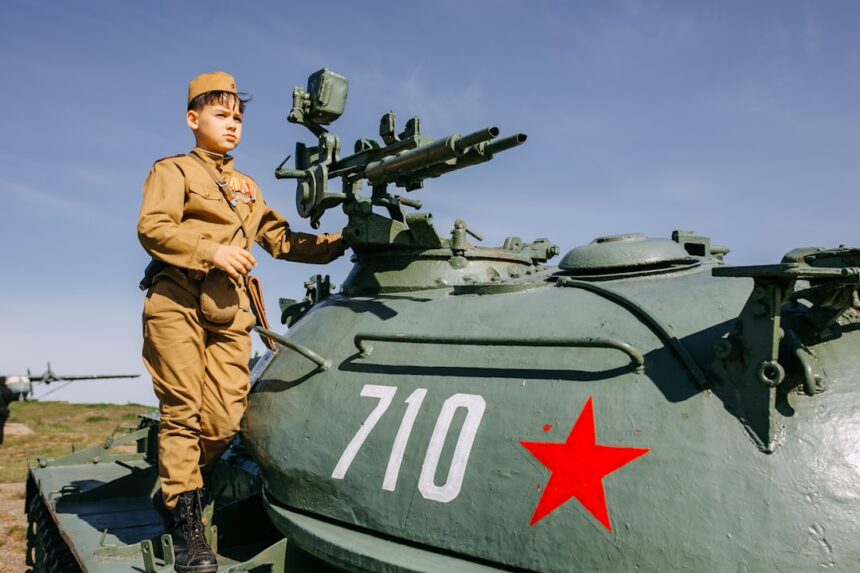
The Cold War period, extending from approximately 1947 to 1991, represented a sustained ideological and strategic competition between the United States and the Soviet Union. This era featured an extensive arms race as both nations developed increasingly sophisticated military capabilities. The Soviet Union allocated substantial resources to military technology development as part of its broader strategic objectives and international positioning.
The centralized Soviet economic system enabled concentrated investment in defense research through state-directed programs. The military-industrial sector constituted a significant portion of the Soviet economy, with substantial funding directed toward weapons research and production facilities.
These technological developments served multiple strategic purposes, including nuclear deterrence, power projection capabilities, and influence in regional conflicts. The military innovations of this period established technological foundations that continued to influence defense systems and international security dynamics in subsequent decades. The Cold War’s emphasis on military technology development created lasting impacts on both weapons systems design and the structure of defense industries globally.
Learn about the fascinating story of a Soviet radar engineer espionage Cold War operation that changed history.
Key Takeaways
- Soviet military technology during the Cold War spurred significant innovations and global competition.
- Reverse engineering was a key method used to analyze and replicate Soviet weapons and equipment.
- This process presented both technical challenges and strategic opportunities for military advancement.
- Ethical debates surround the practice of reverse engineering, especially regarding intellectual property and security.
- The legacy of Soviet military tech continues to influence modern defense strategies and international security dynamics.
The Race for Superiority: Soviet Military Innovations
During the Cold War, the Soviet Union made significant strides in various military innovations that would alter the landscape of warfare. One of the most notable advancements was in missile technology, particularly with the development of intercontinental ballistic missiles (ICBMs). The successful launch of Sputnik in 1957 not only marked the beginning of the space age but also demonstrated the USSR’s capability to deliver nuclear warheads across vast distances.
This achievement sent shockwaves through the United States and prompted an urgent response in terms of missile defense and technological advancement. In addition to missile technology, the Soviets excelled in armored warfare and aircraft design. The T-34 tank, which played a crucial role in World War II, was further developed into more advanced models that featured improved armor and firepower.
Similarly, Soviet aircraft such as the MiG series became synonymous with high-speed aerial combat. These innovations were not merely about creating superior weapons; they were also about instilling a sense of national pride and demonstrating technological superiority over the West. The race for military innovation during this period was not just a matter of defense; it was a critical component of national identity and global standing.
Reverse Engineering: Understanding the Process
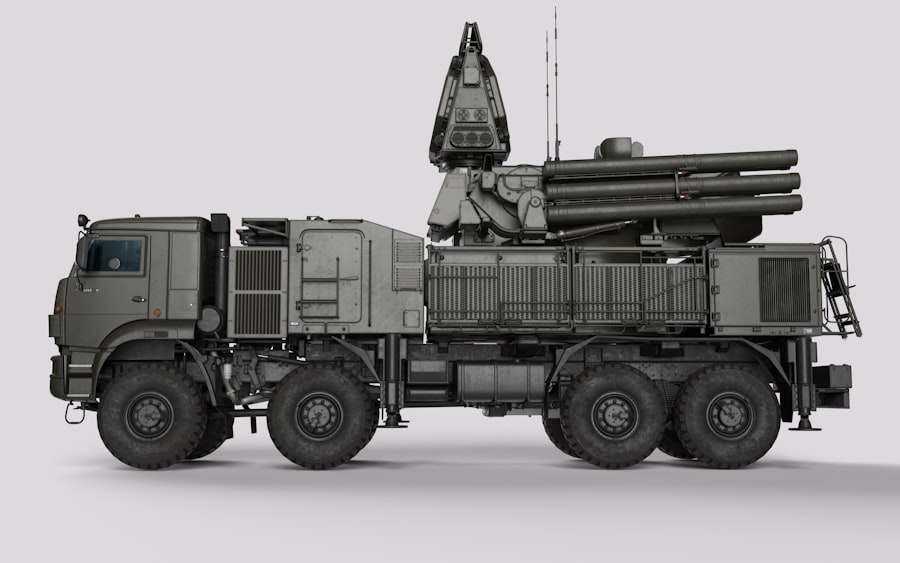
Reverse engineering is a process that involves deconstructing an object or system to understand its components and functionality. In the context of military technology, reverse engineering has been employed by various nations to gain insights into foreign weapons systems. This practice allows countries to analyze and replicate advanced technologies without having to invest significant resources in original research and development.
By studying existing technologies, nations can accelerate their own military capabilities and enhance their strategic position. The reverse engineering process typically begins with the acquisition of foreign technology, which can occur through various means, including espionage, trade, or battlefield capture. Once in possession of the technology, engineers and scientists meticulously disassemble it to understand its design and operational principles.
This analysis often involves extensive testing and evaluation to determine how the technology can be adapted or improved upon. The insights gained from reverse engineering can lead to significant advancements in a nation’s own military capabilities, allowing them to keep pace with or even surpass their adversaries.
Uncovering Soviet Military Tech: The Challenges and Opportunities
Uncovering Soviet military technology presents both challenges and opportunities for nations seeking to enhance their own military capabilities. One of the primary challenges lies in the complexity and sophistication of Soviet designs. Many Soviet weapons systems were engineered with advanced materials and intricate systems that require specialized knowledge to fully understand.
Additionally, the secrecy surrounding Soviet military projects during the Cold War means that much of the available information is incomplete or outdated, complicating efforts to reverse engineer these technologies. Despite these challenges, there are significant opportunities for nations willing to invest in reverse engineering efforts. By analyzing captured or acquired Soviet technology, countries can gain valuable insights into design philosophies and operational strategies that may not be readily apparent through conventional intelligence gathering methods.
Furthermore, reverse engineering can lead to innovations that improve upon existing designs, resulting in more effective military systems tailored to specific national needs. As nations navigate the complexities of modern warfare, understanding and leveraging Soviet military technology can provide a strategic advantage.
Case Studies: Reverse Engineering Soviet Weapons and Equipment
| Technology | Original Source | Reverse Engineering Period | Key Soviet Adaptations | Impact on Soviet Military Capability |
|---|---|---|---|---|
| MiG-15 Jet Fighter | Captured German and Allied jet designs | Late 1940s | Improved aerodynamics, powerful Klimov VK-1 engine | Dominated Korean War air battles, established Soviet air superiority |
| T-34 Tank | Captured German tank designs and pre-war Soviet prototypes | Early 1940s | Sloped armor, diesel engine, wide tracks for mobility | Revolutionized tank design, key to Soviet WWII success |
| AK-47 Assault Rifle | German StG 44 and other small arms | 1945-1947 | Simplified design, reliable gas-operated mechanism | Standardized Soviet infantry weapon, global proliferation |
| SS-1 Scud Missile | Captured German V-2 rocket technology | 1950s | Extended range, mobile launch platform | Enhanced Soviet tactical ballistic missile capabilities |
| Su-27 Fighter Jet | American F-15 and F-16 designs (studied via intelligence) | 1970s-1980s | Advanced avionics, thrust vectoring, long-range radar | Maintained air superiority in late Cold War era |
Several notable case studies illustrate the impact of reverse engineering on understanding Soviet military technology.
After capturing several MiG-21s during conflicts in Vietnam and other regions, U.S.
engineers undertook extensive reverse engineering efforts to understand its design and capabilities. This analysis not only provided insights into Soviet aircraft design but also informed U.S. strategies for countering similar threats.
Another significant case study involves the T-72 tank, which was widely used by Soviet forces and their allies during the Cold War. After encountering T-72s on various battlefields, Western nations sought to reverse engineer this formidable armored vehicle. By dissecting its armor composition and weapon systems, engineers were able to develop countermeasures and improve their own tank designs.
These case studies highlight how reverse engineering can yield critical information that shapes military strategy and enhances national defense capabilities.
The Impact of Reverse Engineering on Modern Military Technology
The practice of reverse engineering has had a profound impact on modern military technology, shaping how nations approach defense innovation. By studying foreign technologies, countries can identify gaps in their own capabilities and prioritize research efforts accordingly. This process has led to significant advancements in various domains, including missile defense systems, cyber warfare capabilities, and unmanned aerial vehicles (UAVs).
As nations strive for technological superiority, reverse engineering serves as a vital tool for accelerating development timelines. Moreover, reverse engineering fosters a culture of innovation within military organizations. By encouraging engineers and scientists to analyze existing technologies critically, nations can cultivate an environment where creativity thrives.
This approach not only leads to improved weapon systems but also enhances overall military readiness by ensuring that forces are equipped with cutting-edge technologies that can adapt to evolving threats. As global security dynamics continue to shift, reverse engineering remains an essential component of modern military strategy.
Ethical Considerations: The Debate Surrounding Reverse Engineering
The practice of reverse engineering raises several ethical considerations that warrant careful examination. On one hand, proponents argue that reverse engineering is a legitimate means of acquiring knowledge and enhancing national security. They contend that understanding foreign technologies is essential for maintaining a competitive edge in an increasingly complex global landscape.
From this perspective, reverse engineering is viewed as a necessary tool for safeguarding national interests. Conversely, critics raise concerns about the potential for intellectual property theft and violations of international norms. They argue that reverse engineering can undermine trust between nations and lead to escalations in arms races.
Additionally, there are ethical implications associated with acquiring technology through espionage or other clandestine means. As nations grapple with these ethical dilemmas, it becomes crucial to establish frameworks that balance national security interests with respect for international agreements and intellectual property rights.
The Role of Reverse Engineering in National Security
Reverse engineering plays a pivotal role in shaping national security strategies across the globe. By analyzing foreign military technologies, nations can identify vulnerabilities in their own defense systems and develop countermeasures accordingly. This proactive approach allows countries to stay ahead of potential threats and adapt their military capabilities to meet emerging challenges.
In an era where technological advancements are rapidly evolving, reverse engineering serves as a critical tool for ensuring national security. Furthermore, reverse engineering fosters collaboration among defense contractors, government agencies, and academic institutions. By pooling resources and expertise, nations can enhance their understanding of foreign technologies while simultaneously driving innovation within their own defense sectors.
This collaborative approach not only strengthens national security but also promotes economic growth through advancements in technology and manufacturing capabilities.
The Future of Reverse Engineering: Implications for Global Security
As global security dynamics continue to evolve, the future of reverse engineering will likely play a significant role in shaping international relations. With emerging technologies such as artificial intelligence (AI), quantum computing, and advanced robotics becoming increasingly integral to military operations, nations will need to adapt their reverse engineering efforts accordingly. Understanding these technologies will be essential for maintaining strategic advantages in an era characterized by rapid technological change.
Moreover, as geopolitical tensions rise, reverse engineering may become an even more contentious issue on the global stage. Nations may seek to protect their technological innovations through stricter export controls or intellectual property protections, leading to potential conflicts over access to critical technologies. As countries navigate these complexities, it will be essential to foster dialogue and cooperation to ensure that reverse engineering serves as a means of enhancing security rather than exacerbating tensions.
Collaboration and Competition: International Perspectives on Reverse Engineering Soviet Military Tech
The international landscape surrounding reverse engineering is characterized by both collaboration and competition among nations seeking to enhance their military capabilities. While some countries may engage in cooperative efforts to share knowledge and best practices related to reverse engineering, others may view it as a zero-sum game where gaining an advantage over rivals is paramount. This duality reflects broader geopolitical dynamics that influence how nations approach military innovation.
For instance, countries within alliances such as NATO may collaborate on reverse engineering initiatives to strengthen collective defense capabilities against common threats. Conversely, rival nations may engage in aggressive espionage efforts aimed at acquiring sensitive technologies from one another. This competitive aspect underscores the importance of establishing frameworks for responsible behavior in reverse engineering practices while recognizing that national security interests will continue to drive innovation efforts.
The Legacy of Soviet Military Technology and the Role of Reverse Engineering
The legacy of Soviet military technology continues to resonate in contemporary defense strategies around the world. The innovations developed during the Cold War laid the groundwork for many modern military systems and have influenced how nations approach warfare today. Reverse engineering has emerged as a vital tool for understanding these technologies and enhancing national security capabilities.
As nations navigate an increasingly complex global landscape marked by rapid technological advancements and shifting geopolitical dynamics, reverse engineering will remain an essential component of military strategy. Balancing ethical considerations with national security interests will be crucial as countries seek to leverage foreign technologies while fostering innovation within their own defense sectors. Ultimately, the interplay between collaboration and competition will shape the future of reverse engineering and its implications for global security in the years to come.
One fascinating aspect of Soviet military technology is the practice of reverse engineering, which allowed the USSR to adapt and improve upon foreign innovations. For a deeper understanding of this topic, you can explore the article on military strategies and technological advancements at this link. This article delves into the implications of reverse engineering in the context of Cold War dynamics and its impact on modern military capabilities.
WATCH THIS! 🕵️ HE CHOSE BETRAYAL—And His Wife Paid the Price | The Billion Dollar Spy
FAQs
What is Soviet military technology reverse engineering?
Soviet military technology reverse engineering refers to the process of analyzing and replicating military equipment and technology developed by the Soviet Union. This involves disassembling, studying, and reproducing hardware such as weapons, vehicles, aircraft, and electronic systems to understand their design and functionality.
Why was reverse engineering important for the Soviet military?
Reverse engineering was crucial for the Soviet military to quickly acquire advanced technology, especially when direct access to foreign designs was limited. It allowed the Soviet Union to develop indigenous versions of foreign equipment, improve existing systems, and maintain technological parity or superiority during the Cold War.
Which types of Soviet military technology were commonly reverse engineered?
Commonly reverse engineered Soviet military technologies included aircraft (such as the MiG series), tanks (like the T-34 and T-72), missile systems, radar and communication equipment, and small arms. The process also extended to naval vessels and electronic warfare systems.
How did the Soviet Union acquire foreign military technology for reverse engineering?
The Soviet Union obtained foreign military technology through various means, including espionage, battlefield capture, defections, and purchasing from third parties. Captured equipment from conflicts or allied nations also provided valuable material for reverse engineering.
What challenges were faced during the reverse engineering process?
Challenges included incomplete or damaged equipment, lack of original design documentation, differences in manufacturing capabilities, and the need to adapt foreign technology to Soviet production standards and materials. Additionally, some technologies were complex and required significant expertise to replicate accurately.
Did reverse engineering lead to original Soviet innovations?
Yes, while reverse engineering initially focused on copying foreign designs, it often led to improvements and original innovations. Soviet engineers adapted and enhanced technologies to better suit their strategic needs, resulting in unique variants and entirely new systems inspired by reverse engineered equipment.
Is reverse engineering of military technology unique to the Soviet Union?
No, reverse engineering is a common practice worldwide and has been used by many countries to acquire and develop military technology. The Soviet Union was notable for its extensive use of reverse engineering during the Cold War due to geopolitical constraints and the desire to rapidly advance its military capabilities.
What impact did Soviet reverse engineering have on global military technology?
Soviet reverse engineering contributed to the proliferation of certain military technologies and influenced global arms development. It enabled the Soviet bloc and allied countries to field competitive military equipment, shaping the balance of power during the Cold War and affecting arms races and defense strategies worldwide.