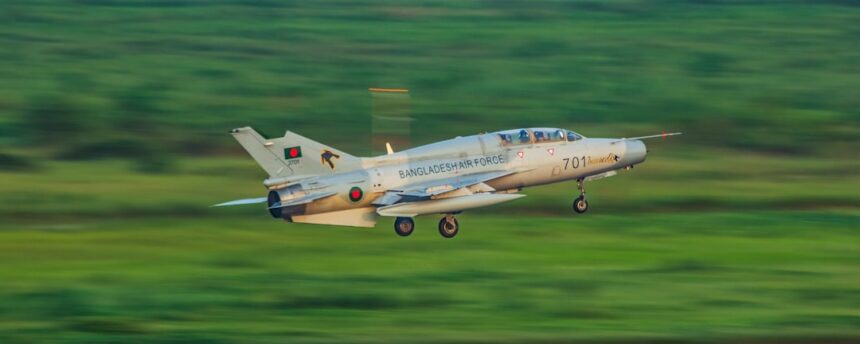
The Soviet Air Defense System, a formidable network designed to protect the airspace of the Soviet Union, was a critical component of the nation’s military strategy during the Cold War. This system was not merely a collection of radar installations and missile batteries; it represented a comprehensive approach to air defense that integrated various technologies and tactics. The primary objective of this system was to detect, track, and neutralize aerial threats, including enemy bombers and reconnaissance aircraft.
As tensions escalated between the East and West, the Soviet Union invested heavily in developing a robust air defense infrastructure that would serve as a deterrent against potential attacks. The significance of the Soviet Air Defense System extended beyond its immediate military applications. It was emblematic of the broader ideological struggle between capitalism and communism, showcasing the technological prowess and strategic thinking of the Soviet regime.
The system’s complexity and scale reflected the Soviet Union’s commitment to maintaining its sovereignty and territorial integrity in an increasingly hostile global environment. As such, understanding the intricacies of this air defense network provides valuable insights into the military doctrines of the time and the geopolitical landscape of the Cold War era.
Key Takeaways
- The Soviet Air Defense System was a complex network designed to protect against aerial threats during the Cold War era.
- Despite its extensive components, the system had notable weaknesses and vulnerabilities that were exploited in various successful breaches.
- Technological advancements both exposed new vulnerabilities and prompted efforts to strengthen the system.
- Understanding these vulnerabilities informed Western military strategies and operational planning.
- Ongoing mitigation efforts aimed to adapt the Soviet Air Defense System to evolving threats, shaping its future development.
Historical Context of Soviet Air Defense System
The origins of the Soviet Air Defense System can be traced back to the aftermath of World War II, a period marked by rapid technological advancements and shifting military paradigms. The lessons learned from the war underscored the importance of air superiority, prompting the Soviet leadership to prioritize the development of an effective air defense strategy. The onset of the Cold War further intensified these efforts, as the Soviet Union sought to counter perceived threats from NATO forces and American military capabilities.
This historical backdrop set the stage for a comprehensive air defense system that would evolve over several decades. Throughout the 1950s and 1960s, the Soviet Union made significant strides in enhancing its air defense capabilities. The introduction of advanced radar systems and surface-to-air missiles (SAMs) marked a turning point in air defense technology.
The establishment of dedicated air defense forces within the Soviet military hierarchy underscored the importance placed on protecting national airspace. By integrating various components such as early warning systems, interceptor aircraft, and ground-based missile systems, the Soviet Union aimed to create a multi-layered defense network capable of responding to diverse aerial threats. Learn about the fascinating story of a Soviet radar engineer espionage Cold War operation that changed history.
Overview of Soviet Air Defense System Components
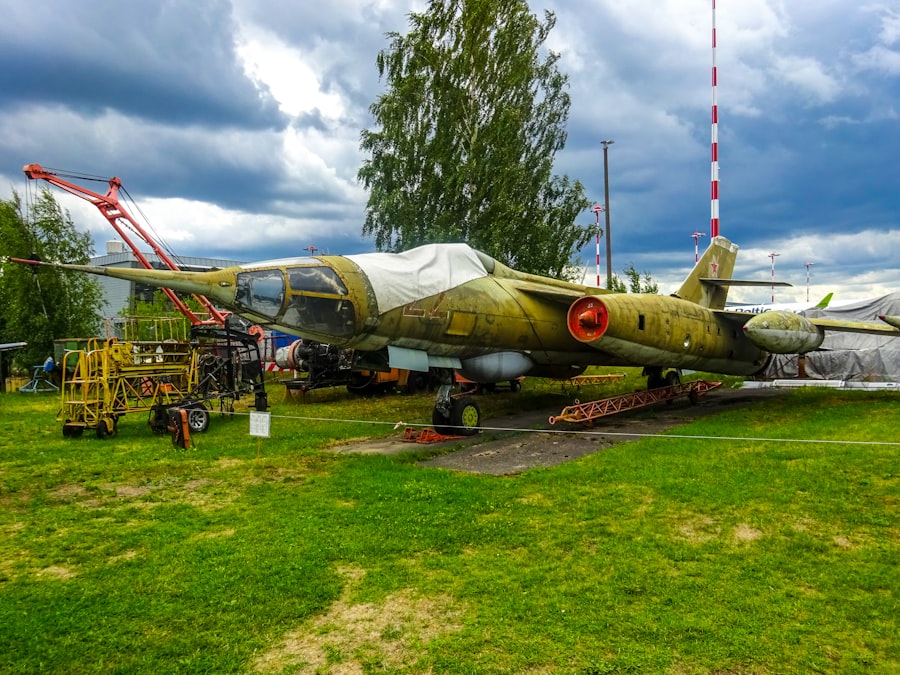
The Soviet Air Defense System was characterized by its multi-faceted approach, incorporating a range of components designed to work in concert to provide comprehensive coverage. At its core were radar installations that served as the eyes of the system, capable of detecting incoming aircraft at great distances. These radar systems were complemented by a network of command and control centers that processed data and coordinated responses to potential threats.
The integration of these elements allowed for real-time tracking and engagement of hostile aircraft. Surface-to-air missiles (SAMs) formed another critical component of the Soviet air defense architecture. Systems such as the S-75 Dvina and later models like the S-300 provided robust capabilities for intercepting enemy aircraft at various altitudes and ranges.
Additionally, interceptor aircraft played a vital role in engaging threats that penetrated deeper into Soviet airspace. The combination of ground-based missile systems and airborne interceptors created a layered defense that aimed to maximize effectiveness against a wide array of aerial threats.
Identification of Soviet Air Defense System Weaknesses
Despite its formidable reputation, the Soviet Air Defense System was not without its weaknesses. One significant vulnerability lay in its reliance on centralized command and control structures. While this approach facilitated coordinated responses, it also created bottlenecks that could hinder rapid decision-making in dynamic combat situations.
The hierarchical nature of command often meant that lower-level units had limited autonomy, which could delay responses to emerging threats. Another notable weakness was the system’s susceptibility to electronic warfare tactics employed by adversaries. As technology advanced, so too did the methods used by enemy forces to disrupt radar signals and communications.
Jamming techniques could render radar systems ineffective, allowing hostile aircraft to penetrate defenses with relative ease. This vulnerability highlighted the need for continuous adaptation and modernization within the Soviet air defense framework to counter evolving threats effectively.
Analysis of Soviet Air Defense System Vulnerabilities
| Vulnerability Aspect | Description | Impact on Defense | Mitigation Efforts |
|---|---|---|---|
| Radar Coverage Gaps | Limited radar range and blind spots in low-altitude detection | Allowed low-flying aircraft and cruise missiles to penetrate defenses | Deployment of additional low-altitude radars and over-the-horizon systems |
| Electronic Countermeasures (ECM) | Susceptibility to jamming and deception by enemy ECM tactics | Reduced radar effectiveness and missile guidance accuracy | Development of frequency hopping and anti-jamming technologies |
| Command and Control Delays | Slow data processing and communication between radar sites and missile units | Delayed response times to incoming threats | Implementation of automated control systems and improved communication networks |
| Missile Range Limitations | Surface-to-air missiles had limited engagement envelopes | Inability to intercept high-speed or high-altitude targets at long distances | Introduction of longer-range missile systems and layered defense strategies |
| Vulnerability to Stealth Technology | Difficulty detecting low radar cross-section aircraft | Potential for undetected penetration by stealth aircraft | Research into infrared and passive detection methods |
A deeper analysis reveals that several factors contributed to the vulnerabilities within the Soviet Air Defense System. One critical aspect was the geographical expanse of the Soviet Union itself. Covering vast territories presented logistical challenges in deploying and maintaining air defense assets effectively.
In remote regions, radar coverage could be sparse, creating gaps that adversaries could exploit. This geographical disadvantage necessitated a more decentralized approach to air defense, which was often at odds with the centralized command structure favored by Soviet military doctrine. Moreover, technological advancements in stealth technology posed a significant challenge to traditional air defense systems.
As aircraft designs evolved to incorporate stealth features, their radar cross-sections diminished, making them harder to detect and engage. The inability of existing radar systems to effectively track these low-observable aircraft underscored a critical gap in the Soviet air defense strategy. This vulnerability became increasingly apparent as Western nations developed advanced stealth platforms capable of evading detection.
Case Studies of Successful Breaches of Soviet Air Defense System
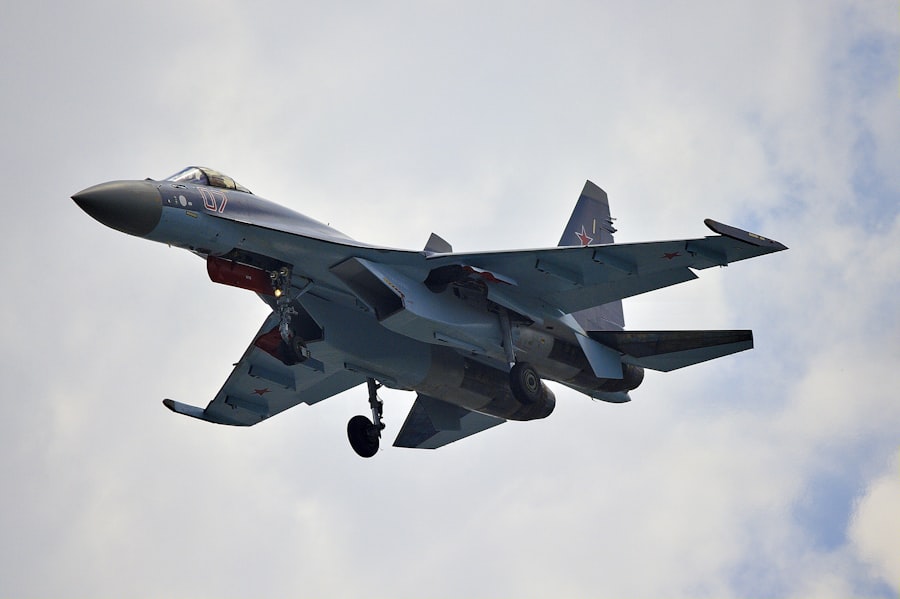
Several historical instances illustrate successful breaches of the Soviet Air Defense System, highlighting its vulnerabilities in real-world scenarios.
By utilizing low-altitude flying techniques and employing decoys, they managed to evade detection by radar systems, allowing them to launch surprise attacks on American aircraft operating in the region.
Another significant example took place during the 1982 Lebanon War when Israeli forces executed Operation Peace for Galilee. Utilizing advanced electronic warfare capabilities, Israeli aircraft successfully disrupted Syrian radar systems, rendering them ineffective against incoming strikes. This operation demonstrated how adversaries could leverage technological superiority and tactical ingenuity to overcome established air defense networks, raising questions about the effectiveness of Soviet air defense strategies in countering such approaches.
Impact of Technological Advancements on Soviet Air Defense System Vulnerabilities
The rapid pace of technological advancements during the latter half of the 20th century had profound implications for the vulnerabilities within the Soviet Air Defense System. As new technologies emerged, including precision-guided munitions and advanced avionics, they fundamentally altered the dynamics of aerial warfare. The introduction of these capabilities allowed adversaries to engage targets from standoff distances, reducing their exposure to direct fire from ground-based defenses.
Furthermore, advancements in satellite reconnaissance provided enemy forces with unprecedented situational awareness, enabling them to identify gaps in Soviet air defenses with greater accuracy. This intelligence advantage allowed adversaries to plan operations that specifically targeted weaknesses within the system, further exacerbating vulnerabilities. The interplay between technological innovation and military strategy underscored the need for continuous adaptation within the Soviet air defense framework to remain effective against evolving threats.
Strategies for Exploiting Soviet Air Defense System Vulnerabilities
Recognizing vulnerabilities within the Soviet Air Defense System prompted adversaries to develop strategies aimed at exploiting these weaknesses effectively. One common approach involved employing electronic warfare tactics designed to disrupt radar operations and communications networks. By jamming signals or spoofing radar systems with decoys, enemy forces could create confusion within command structures, allowing for successful penetration of defended airspace.
Additionally, low-altitude flying techniques became a favored tactic among adversaries seeking to evade detection by ground-based radar systems. By flying at lower altitudes where radar coverage was less effective, enemy aircraft could approach targets undetected until it was too late for defenses to respond adequately. This combination of electronic warfare and low-altitude tactics exemplified how adversaries adapted their strategies to exploit inherent weaknesses within the Soviet air defense architecture.
Implications for Western Military Operations
The vulnerabilities identified within the Soviet Air Defense System had significant implications for Western military operations during the Cold War and beyond. Understanding these weaknesses allowed NATO forces to develop countermeasures aimed at neutralizing Soviet air defenses effectively. The ability to exploit gaps in coverage or disrupt command and control structures became central tenets of Western military strategy.
Moreover, insights gained from analyzing Soviet vulnerabilities informed advancements in Western air defense technologies as well. The development of stealth aircraft and advanced electronic warfare capabilities was driven in part by lessons learned from engagements with Soviet air defenses. This ongoing arms race underscored how vulnerabilities could shape military doctrine and technological innovation on both sides of the ideological divide.
Efforts to Mitigate Soviet Air Defense System Vulnerabilities
In response to identified vulnerabilities, efforts were made within the Soviet Union to enhance and modernize its air defense capabilities over time. Recognizing the need for greater flexibility in command structures, reforms were implemented aimed at decentralizing decision-making processes within air defense units. This shift allowed for quicker responses to emerging threats and improved coordination among various components of the system.
Additionally, investments were made in research and development aimed at countering advancements in stealth technology and electronic warfare capabilities employed by adversaries. New radar systems were developed with enhanced tracking capabilities designed specifically to detect low-observable aircraft. These modernization efforts reflected an acknowledgment of past shortcomings while striving to maintain a competitive edge in an evolving technological landscape.
Conclusion and Future Outlook for Soviet Air Defense System
The legacy of the Soviet Air Defense System remains relevant today as military strategists continue to study its successes and failures. While it was once considered a formidable barrier against aerial threats, its vulnerabilities ultimately shaped both adversarial tactics and subsequent developments in air defense technology worldwide. The lessons learned from this system underscore the importance of adaptability in military strategy amid rapidly changing technological landscapes.
Looking ahead, future air defense systems will likely continue evolving in response to emerging threats such as unmanned aerial vehicles (UAVs) and hypersonic missiles. The historical context provided by the Soviet experience serves as a reminder that no system is impervious; continuous innovation is essential for maintaining effective defenses against increasingly sophisticated aerial threats. As nations around the world seek to bolster their own air defense capabilities, they will undoubtedly draw upon both successes and shortcomings from past experiences like those seen within the Soviet Air Defense System.
The vulnerabilities of the Soviet air defense system have been a topic of significant analysis, particularly in the context of historical military engagements. For a deeper understanding of these weaknesses and their implications, you can refer to a related article on this subject at In The War Room. This resource provides valuable insights into the operational challenges faced by Soviet air defenses and how they were exploited during various conflicts.
WATCH THIS! 🕵️ HE CHOSE BETRAYAL—And His Wife Paid the Price | The Billion Dollar Spy
FAQs
What was the primary purpose of the Soviet air defense system?
The primary purpose of the Soviet air defense system was to detect, track, and intercept enemy aircraft and missiles to protect Soviet airspace from potential attacks.
What were some common vulnerabilities of the Soviet air defense system?
Common vulnerabilities included outdated radar technology, limited mobility of missile systems, susceptibility to electronic countermeasures, and difficulties in coordinating between different branches of the military.
How did technological limitations affect the effectiveness of the Soviet air defense system?
Technological limitations, such as slower data processing and less advanced radar capabilities, reduced the system’s ability to detect low-flying or stealth aircraft and respond quickly to fast-moving threats.
Were there any specific tactics used to exploit the vulnerabilities of the Soviet air defense system?
Yes, NATO forces developed tactics such as low-altitude penetration, electronic jamming, and the use of stealth technology to evade detection and overwhelm the Soviet air defense network.
Did the Soviet Union attempt to address these vulnerabilities?
The Soviet Union invested in upgrading radar systems, developing more mobile missile platforms, and improving command and control infrastructure, but some vulnerabilities persisted due to technological and logistical challenges.
How did the vulnerabilities of the Soviet air defense system impact Cold War military strategies?
These vulnerabilities influenced NATO’s strategic planning by encouraging the development of advanced aircraft and electronic warfare techniques designed to bypass or disable Soviet air defenses.
What role did electronic warfare play in exploiting Soviet air defense weaknesses?
Electronic warfare was crucial in disrupting Soviet radar and communication systems, thereby reducing the effectiveness of their air defense and allowing attacking forces to penetrate defended airspace more easily.
Were Soviet air defense vulnerabilities unique compared to other countries’ systems?
While some vulnerabilities were common to many air defense systems of the era, the Soviet system’s scale, reliance on fixed installations, and technological constraints made certain weaknesses more pronounced compared to Western counterparts.